


- Brass tarnishes because it is a copper-zinc alloy that reacts with air, moisture, and skin oils, forming a dark oxide layer called patina.
- Vinegar and salt is the most reliable DIY method; ketchup and baking soda paste work for lighter tarnish and are gentler.
- Never soak brass jewelry with gemstones, pearls, or glued elements in acidic solutions like vinegar or ketchup.
- Sealing polished brass with a thin coat of clear lacquer slows tarnish for months, though it eventually wears and needs reapplying.
- Brass contains copper, which can react with skin and cause green marks or irritation, especially in heat and humidity. If that happens often, a hypoallergenic sterling silver piece is the more comfortable everyday option.
Brass jewelry has a warm, antique-gold look that makes it a favorite for statement rings, layered bracelets, and vintage-inspired pieces. The tradeoff is that brass tarnishes faster than plated or solid precious metals, and it can leave a green mark on skin that catches new wearers off guard. This guide walks through exactly why brass tarnishes, the safest DIY cleaning methods (vinegar and salt, ketchup, and baking soda, compared head to head), how to seal brass to slow tarnish, what never to do, and an honest look at when brass simply is not the right metal for your skin, with a hypoallergenic alternative if that is you.
Why Does Brass Jewelry Tarnish?
Brass is an alloy, typically 60 to 70 percent copper and 30 to 40 percent zinc, not a pure metal. Both copper and zinc are reactive. When brass is exposed to oxygen, moisture, sulfur compounds in the air, and the natural oils and salts in human sweat, the copper content oxidizes and forms a thin dark layer on the surface. That layer is called patina, and it can range from a dull brownish haze to a deep, almost black tarnish depending on humidity, how often the piece is worn, and what it touches.
Unlike gold or platinum, which are largely inert and resist oxidation, brass will always tarnish eventually. It is simply a question of how fast. Humid climates, frequent skin contact, and exposure to perfume, lotion, or chlorine all speed the process up considerably.
Patina vs. Tarnish: Is It Damage or Character?
Not all darkening is a problem. Many brass jewelry designs are made to develop an even, warm patina over time, and some people prefer that aged look on statement pieces. The distinction that matters is even versus splotchy. A uniform darkening that deepens the tone is patina, and it is cosmetic, not damage. Uneven green-black spots, especially in crevices or under stones, usually mean moisture got trapped and is actively corroding the metal, which is worth cleaning before it spreads or pits the surface.
If you like the antique look, you can leave light, even patina alone. If you want your brass to look bright and gold-toned, plan on cleaning it every few weeks with one of the methods below.

Before You Start Cleaning
- Check for gemstones, pearls, or glued elements first. Acidic soaks like vinegar or ketchup can etch soft gemstones, cloud pearls, and dissolve glue. If your piece has any of these, spot-clean with a soft cloth instead of soaking.
- Check for a lacquer coating. Some brass jewelry is factory-sealed with a clear protective coating. Acidic cleaners and abrasive polishing can strip that coating, which speeds up future tarnish. If the piece still looks shiny and even, it is probably sealed; leave it alone and just wipe with a soft cloth.
- Test on a small, hidden spot first if you are unsure how the piece will react.
DIY Methods to Clean Brass Jewelry
Three household methods handle most brass tarnish safely: vinegar and salt for the toughest tarnish, ketchup for a quicker milder clean, and baking soda paste for gentle, spot-level polishing. Here is how each one works and when to reach for it.
Method 1: White Vinegar and Salt
This is the most effective DIY method for moderate to heavy tarnish. Mix 1 cup of white vinegar with 1 tablespoon of table salt in a small glass or ceramic bowl and stir until the salt mostly dissolves. Submerge the brass piece for 10 to 15 minutes, checking periodically, then remove it and gently scrub any remaining tarnish with a soft toothbrush. Rinse thoroughly under running water and dry completely with a soft cloth immediately, since leftover moisture will just restart the tarnishing process.
Method 2: Ketchup
Ketchup works because it combines vinegar and tomato acid, which is gentle enough for lighter tarnish and everyday maintenance. Coat the brass surface in a thin layer of plain ketchup and let it sit for 5 to 10 minutes. Rinse well under warm water, making sure no residue or sugar film is left behind, then dry completely. This method is milder than a vinegar and salt soak, so it works best as regular upkeep rather than for heavily blackened pieces.
Method 3: Baking Soda Paste
Baking soda is the gentlest of the three and is the best choice for pieces with delicate detailing or slightly worn plating, since it relies on light abrasion rather than acid. Mix baking soda with a few drops of water or lemon juice to form a thick paste, apply it with a soft cloth or brush, and rub gently in small circular motions over tarnished areas. Rinse thoroughly and dry completely. Because it is mildly abrasive, avoid heavy scrubbing on pieces with a matte or brushed finish, since it can polish those areas unevenly.
DIY Method Comparison: Vinegar + Salt vs. Ketchup vs. Baking Soda
| Method | Best For | Time | Strength | Safe for Gemstones? |
|---|---|---|---|---|
| Vinegar + salt | Heavy, blackened tarnish | 10 to 15 min soak | Strongest (acidic) | No — avoid stones, pearls, glue |
| Ketchup | Light, routine tarnish | 5 to 10 min coat | Mild (acidic) | No — same acid risk as vinegar |
| Baking soda paste | Delicate or detailed pieces | 2 to 5 min gentle rub | Gentlest (mild abrasive) | Yes, if applied carefully around stones |
If you are not sure where to start, begin with baking soda paste and only move up to ketchup, then vinegar and salt, if the tarnish does not lift. Starting gentle protects any plating, patina you want to keep, and surrounding materials.
What Not to Do When Cleaning Brass Jewelry
- Do not use ammonia-based cleaners or bleach. These react aggressively with copper and can pit or discolor the surface permanently.
- Do not scrub with steel wool or metal brushes. They scratch brass and strip any protective coating far faster than they clean it.
- Do not soak pieces with gemstones, pearls, enamel, or glued elements in vinegar or ketchup. Spot-clean those instead with a barely damp soft cloth.
- Do not put brass jewelry away wet. Trapped moisture is the single biggest cause of fast, splotchy tarnish, especially in jewelry boxes without airflow.
- Do not use a commercial silver polish or dip formulated for sterling silver on brass. The chemistry is different and can leave a dull, uneven finish.
How to Seal Brass Jewelry to Slow Tarnish
Cleaning brass only resets the clock; sealing it is what actually slows the tarnish from coming back. After cleaning and completely drying the piece, apply a very thin, even coat of clear jewelry lacquer or clear nail polish designed for costume jewelry, using a small brush and working in a well-ventilated space. Let it cure fully, usually a few hours, before wearing. A lacquer coat can keep brass looking bright for several months of normal wear, but it is not permanent. It will wear thin at high-friction points like ring bands and clasp edges first, and once it starts flaking, tarnish will return at those spots faster than on unsealed areas. When that happens, remove the old lacquer with a little acetone on a cotton swab, clean the piece using one of the methods above, and reapply a fresh coat.
Sealing works best on pieces you want to keep looking uniformly bright, like statement rings or cuffs you wear often. If you prefer the aged, antique patina look, skip sealing entirely and let the piece darken naturally.

Does Brass Jewelry Turn Your Skin Green or Cause Irritation?
Yes, and this is worth being upfront about. Brass contains copper, and when copper reacts with sweat, natural skin acids, lotion, or perfume, it can produce a chemical compound that leaves a temporary green or black mark on the skin, most often under rings and around wrists. This is not an allergic reaction and is not harmful, but it is common and often surprises new brass wearers.
Separately, some people experience genuine skin irritation, redness, or itching from brass, particularly if the alloy contains trace nickel, which is one of the most common metal allergens. According to the American Academy of Dermatology, more than 18 percent of people in North America have a nickel allergy, and jewelry is one of the most common triggers, especially with prolonged skin contact. Humid weather and sweat make both the green-mark discoloration and any genuine irritation more likely, since moisture accelerates the metal's reaction with skin.
A few things help: keep brass jewelry dry, remove it before showering, swimming, or exercising, and apply a thin layer of clear nail polish to the parts that touch skin directly, like the inside of a ring band. But if you find yourself dealing with green marks or irritation regularly, that is a sign brass simply is not the most comfortable metal for your skin, and it may be worth switching that piece to a hypoallergenic metal instead.
When to Switch to a Hypoallergenic Alternative
AJLuxe does not currently carry brass jewelry. We build our pieces in 925 sterling silver and 18K gold plating over sterling silver specifically because that combination avoids the copper-and-skin issues brass is known for. If brass has left green marks on your fingers or wrists, or you would simply rather not deal with periodic cleaning and lacquer touch-ups, a sterling silver piece gives you a similar warm, everyday look without the tarnish-and-reaction cycle. It is a straightforward swap for anyone who loves the ring or bracelet they already have but is tired of the maintenance.
How Often Should You Clean Brass Jewelry?
For pieces worn daily, plan on a light clean every 2 to 4 weeks to keep the surface bright, with a deeper vinegar-and-salt soak every couple of months if tarnish builds up faster than expected. Pieces worn only occasionally can go longer between cleanings since they see less sweat and skin contact, the two biggest accelerants of brass tarnish. Storing brass jewelry in an airtight bag or box with a small silica packet between wears also meaningfully slows the pace of tarnish.
Related reading: 7 DIY Jewelry Cleaner Recipes That Actually Work (2026).
Frequently Asked Questions
How do I remove tarnish from brass jewelry without damaging it?
Soak the piece in a mix of 1 cup white vinegar and 1 tablespoon salt for 10 to 15 minutes, gently scrub with a soft toothbrush, rinse thoroughly, and dry completely right away. For lighter tarnish or delicate pieces, a baking soda paste is a gentler option that avoids acid altogether.
What is the best DIY method to clean brass jewelry using vinegar and salt?
Mix 1 cup white vinegar with 1 tablespoon table salt, submerge the brass piece for 10 to 15 minutes, then gently scrub any stubborn spots with a soft toothbrush. Rinse under running water and dry completely with a soft cloth immediately to prevent moisture from restarting the tarnish.
Can I use baking soda to clean brass jewelry, and is it safe for gemstones?
Yes, baking soda paste is the gentlest of the common DIY methods and is generally safe near gemstones if applied carefully with a soft cloth, avoiding heavy scrubbing directly on the stone setting. It works well for delicate or detailed brass pieces where a vinegar soak would be too strong.
Does ketchup actually work to remove tarnish from brass jewelry?
Yes, for light to moderate tarnish. Ketchup contains vinegar and tomato acid, which mildly dissolves the oxide layer on brass. Coat the piece for 5 to 10 minutes, then rinse thoroughly to remove all residue and dry completely. It is milder than a straight vinegar and salt soak.
How do I clean brass jewelry with lemon juice and salt?
Lemon juice and salt works similarly to vinegar and salt, since both use a mild acid plus a mild abrasive. Mix lemon juice with a small amount of salt into a paste, rub gently over tarnished areas with a soft cloth, then rinse and dry completely. It is a good substitute if you do not have white vinegar on hand.
Why does brass jewelry turn my skin green, and how can I prevent it?
Brass contains copper, which reacts with sweat, skin oils, and lotion to form a compound that leaves a temporary green mark, especially in humid or sweaty conditions. It is not harmful. Keeping the piece dry, removing it before water exposure, and coating the skin-contact areas with clear nail polish can reduce or prevent it.
Is it safe to clean brass jewelry with vinegar if it has gemstones or stones?
No. Vinegar is acidic and can etch soft gemstones, cloud pearls, and dissolve glue used to set some stones. For brass jewelry with gemstones, spot-clean the metal with a barely damp soft cloth instead of soaking the whole piece.
How often should I clean my brass jewelry to keep it shiny?
For pieces worn daily, clean lightly every 2 to 4 weeks and do a deeper vinegar-and-salt soak every couple of months if needed. Pieces worn occasionally can go longer, since less skin contact and sweat exposure slows the tarnishing process.
Can I use tomato sauce or ketchup instead of vinegar to clean brass?
Yes, tomato-based products like ketchup work because they contain a mild acid similar to vinegar. They are gentler and better suited to light, routine tarnish rather than heavily blackened pieces, which usually need the stronger vinegar and salt soak.
How do I seal brass jewelry with lacquer to prevent tarnishing and skin reactions?
After cleaning and completely drying the piece, brush on a thin, even coat of clear jewelry lacquer or clear nail polish made for costume jewelry, and let it cure fully before wearing. This slows tarnish and reduces direct skin contact with the copper, though the coating wears at friction points over time and needs reapplying.
What is the safest way to clean brass jewelry with a matte or brushed finish?
Use baking soda paste sparingly and avoid vigorous scrubbing, since both acidic soaks and heavy abrasion can polish a matte or brushed texture unevenly and change its look. A soft, barely damp cloth for light dusting is often enough to maintain a matte finish between deeper cleans.
How do I remove a dark patina from brass jewelry without over-cleaning it?
Start with the gentlest method, baking soda paste, and only move to ketchup or a vinegar and salt soak if the patina does not lift. If you like some warmth in the tone, stop cleaning as soon as the splotchy or uneven areas even out rather than scrubbing until the piece is fully bright.
Will mixing baking soda and lemon juice damage the plating on brass jewelry?
If the piece has a thin gold or silver plating over brass rather than solid brass, a baking soda and lemon juice paste can wear through the plating with repeated use, since it is mildly abrasive. Use a very light touch, avoid daily use of this method, and stick to a soft cloth for routine maintenance on plated pieces.
What are the risks of using harsh DIY cleaners like ammonia or steel wool on brass jewelry?
Ammonia reacts aggressively with copper and can pit, discolor, or permanently dull the surface, while steel wool scratches the metal and strips any protective lacquer coating. Both accelerate future tarnish rather than preventing it, so they should be avoided in favor of the gentler methods above.
How do I stop brass jewelry from reacting with my skin after cleaning?
Keep the piece completely dry, remove it before showering, swimming, or exercising, and consider coating the areas that touch skin directly with a thin layer of clear nail polish. If reactions persist regardless of care, that is a sign to switch that piece to a hypoallergenic metal like sterling silver.
More Jewelry Care Guides
See the general troubleshooting guide, or browse care instructions for other jewelry materials:
- How to Clean Tarnished Jewelry (Sterling Silver, Gold-Plated, Steel & More)
- How to Clean Jewelry With Diamonds: A Complete Care Guide
- How to Clean Stainless Steel Jewelry: Safe Methods
- How to Clean Copper Jewelry: Patina, Verdigris & DIY Methods
- How to Clean Costume Jewelry (Without Ruining It)
- How to Clean Jewelry With Baking Soda (Step-by-Step)
- How to Clean Rose Gold Jewelry: Solid vs. Plated Care Guide
- How to Clean Moissanite Jewelry (Complete Care Guide)
- How to Clean Titanium Jewelry (It Barely Needs It)
Final Thoughts
Brass jewelry can look great for years with a simple routine: clean it every few weeks with vinegar and salt, ketchup, or baking soda depending on how tarnished it is, dry it completely every time, and seal it with a thin coat of lacquer if you want to slow the tarnish between cleanings. The one thing no amount of cleaning fixes is brass's copper content reacting with skin. If you keep getting green marks or irritation, that is your skin telling you it wants a different metal, not a cleaning problem. A hypoallergenic sterling silver piece gives you the everyday wear without the maintenance cycle or the reaction risk.
Skip the tarnish and skin reactions with hypoallergenic sterling silver
Shop the Adjustable Sterling Silver RingShop This Guide
Browse our full jewelry collection for 925 sterling silver and 18K gold-plated pieces that skip brass's tarnish-and-reaction cycle entirely.
AJLuxe Team. Last updated: July 2026. AJLuxe does not sell brass jewelry; we use 925 sterling silver and 18K gold plating over sterling silver. Source: American Academy of Dermatology, Nickel Allergy.
All third-party trademarks, brand names and product names are the property of their respective owners. AJLuxe is not affiliated with, endorsed by, sponsored by, or otherwise connected to any third-party brand referenced in this article. Brand names are used solely for accurate comparative reference, and material descriptions reflect each brand's own published product specifications at the time of writing.
You Might Also Like
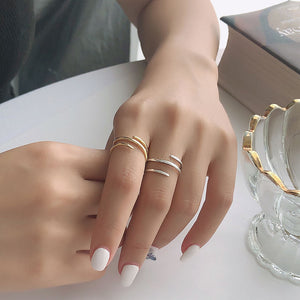

The piece they're describing → Adjustable Minimalist Ring for Women — 925 Sterling Silver, Gold or Rhodium Plated
Personalize Yours


