


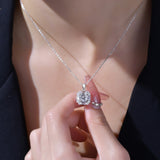
- Warm water, a few drops of mild dish soap, and a soft-bristled brush is the safest at-home method for most diamond jewelry, including engagement rings.
- Ammonia-based cleaners work but only in a diluted solution (1 part ammonia to 6 parts water) and only for solid settings without soft gemstones, pearls, or glued-in stones nearby.
- Ultrasonic cleaners can loosen prongs and shatter fracture-filled or heavily included diamonds, so pave, halo, and vintage settings should skip them entirely.
- Professional cleaning and a prong check once or twice a year catches loose stones before you lose one, something no at-home method can do.
- Looking for the diamond look without the diamond price? AJLuxe's CZ and moissanite-style pieces offer similar brilliance, honestly labeled as simulants, not natural diamonds.
Whether you inherited a diamond ring from your grandmother, said yes to an engagement ring, or just want your diamond studs to sparkle the way they did on day one, diamond jewelry needs regular cleaning to look its best. Diamonds attract oil from skin, lotion, and everyday grime faster than almost any other gemstone because of how they're cut to bend light, and a film of buildup on the surface or underside of a stone can dull its sparkle within weeks. The good news is that cleaning jewelry with diamonds at home is simple and low-risk for most pieces, as long as you know which methods are safe for your specific setting and which ones can loosen a stone or damage delicate metalwork. This guide covers the safe way to clean at home, when ammonia and ultrasonic cleaners are appropriate (and when they're not), how often to get professional cleaning, and special care for heirloom and vintage pieces.
The Safe Way: Dish Soap and Warm Water
For the vast majority of diamond jewelry, plain dish soap and warm water is the safest cleaning method there is, and it's the same method recommended by jewelry trade organizations for routine at-home care. For what counts as a mild soap and which pieces to skip, see our guide to cleaning jewelry with dish soap.
- Step 1: Fill a small bowl with warm (not hot) water and add a few drops of mild, ammonia-free dish soap. Avoid dish soaps with added moisturizers, dyes, or heavy fragrance, which can leave residue.
- Step 2: Soak the piece for 20 to 30 minutes to loosen oil, lotion, and everyday grime.
- Step 3: Use a soft-bristled brush, a clean baby toothbrush works well, to gently scrub the stone, the underside of the setting, and any crevices where dirt collects. Focus on the back of the stone, since that's where light needs to pass through for full sparkle.
- Step 4: Rinse thoroughly under warm running water. Cover the drain first or use a strainer so a loose stone doesn't disappear down the sink, a real risk with older or worn prongs.
- Step 5: Pat dry with a lint-free cloth and let it air-dry fully before storing or wearing again.
This method is safe on virtually any metal (gold, white gold, platinum, sterling silver) and on solid diamond settings without soft accent stones. Do it every one to two weeks for pieces you wear daily, like an engagement ring, and after any use of lotion, sunscreen, or hairspray.

Using Ammonia: What's Safe and What's Not
Ammonia-based cleaning is more aggressive than dish soap and works well for cutting through heavier buildup, but it comes with real limits worth understanding before you reach for it.
- Safe use: A diluted solution of 1 part household ammonia (or a specialty jewelry cleaner containing ammonia) to 6 parts warm water, with a soak time of no more than 15 to 20 minutes, is generally safe for solid gold, white gold, and platinum settings holding only diamonds.
- Not safe for: Sterling silver with an oxidized or antiqued finish (ammonia strips the darkened patina), pieces with soft gemstones like pearls, opals, emeralds, or turquoise nearby (ammonia can etch or discolor them), and any piece with glued-in stones or enamel work.
- Frequency limit: Ammonia soaks should be occasional, not a weekly routine. Repeated exposure over months can weaken glue in multi-stone settings and dull certain metal finishes.
- Never mix ammonia with bleach or other cleaning chemicals; the combination produces toxic fumes.
If you're unsure whether your piece has soft stones, enamel, or a treated finish anywhere on it, even in a different part of the same necklace or bracelet, skip ammonia and stick with the dish soap method instead.
Ultrasonic Cleaners: When They're Risky
Ultrasonic cleaners use high-frequency sound waves to shake dirt loose, and they're extremely effective, which is exactly why they can also be risky for certain diamond jewelry.
- Higher risk settings: Pave, micro-pave, and halo settings have many small stones held by thin, delicate prongs. The vibration can work prongs loose over repeated cycles, and a stone can pop out without you noticing until later.
- Fracture-filled or heavily included diamonds: Some diamonds are treated to fill internal fractures and improve apparent clarity. Ultrasonic vibration and heat can cause the filling to break down or the fracture to spread, visibly changing the stone's appearance.
- Antique and vintage pieces: Older settings, particularly from before the 1980s, were often built with thinner metal and different soldering techniques that don't hold up as well to vibration.
- Generally lower risk: A single, solid-set diamond in a well-maintained solitaire or bezel setting with modern soldering typically tolerates occasional ultrasonic cleaning fine.
When in doubt, a jeweler can tell you in under a minute whether your specific piece is a good candidate for ultrasonic cleaning. If you don't know your setting type or your diamond's treatment history, the dish soap method is the lower-risk default. For the full list of what is safe, see cleaning jewelry in an ultrasonic cleaner.
Safe vs. Unsafe Cleaning Methods by Setting Type
Because risk really comes down to the setting, not just the stone, here's how the three home methods stack up across common setting types:
| Setting Type | Dish Soap Soak | Diluted Ammonia | Ultrasonic Cleaner |
|---|---|---|---|
| Solitaire / bezel (single stone) | Safe, weekly | Safe, occasional | Generally safe |
| Pave / micro-pave | Safe, weekly | Safe, occasional | Avoid, prongs can loosen |
| Halo | Safe, weekly | Safe, occasional | Avoid, small accent stones at risk |
| Mixed with soft gemstones (pearl, opal, emerald) | Safe, gentle wipe only near soft stones | Avoid entirely | Avoid entirely |
| Antique / vintage (pre-1980s) | Safe, gentle only, no brushing | Avoid, ask a jeweler first | Avoid |
| Fracture-filled diamond | Safe, gentle only | Avoid | Avoid, can break down filling |
The pattern to remember: the more stones and the more delicate the metalwork, the gentler your cleaning method should be. A simple solitaire tolerates almost anything; a pave halo ring or a piece with mixed gemstones does not.
How Often to Get Professional Cleaning
At-home cleaning handles surface buildup, but it can't catch a loosening prong, a hairline crack in the metal, or a stone that's shifted slightly in its setting. That's what professional cleaning and inspection are for.
- Daily-wear pieces (engagement rings, everyday studs): Professional cleaning and a prong check once every six months.
- Occasional-wear pieces (special-occasion necklaces, bracelets): Once a year is typically enough.
- Heirloom or high-value pieces: Have a jeweler inspect the setting at least once a year even if you clean it carefully at home yourself, since older metal fatigues over time in ways that aren't visible to the naked eye.
Many jewelers offer free cleaning and inspection as an ongoing service if you purchased the piece from them, and independent jewelers typically charge a modest fee for pieces bought elsewhere. This is also the moment a jeweler will flag a loose stone before it's lost, which is far more common than most people expect with rings worn daily for years.

Cleaning Heirloom and Vintage Diamond Jewelry
Family heirlooms and vintage diamond pieces deserve extra caution, since they often can't be replaced and may have wear, repairs, or construction methods that make them more fragile than a new piece of the same style.
- Skip ultrasonic and steam cleaners entirely. Older solder joints and filigree work are more prone to failure under vibration and heat.
- Use only the dish soap method, and go gentler than usual. Soak briefly, use the softest brush you have (or none at all if the setting looks fragile), and avoid scrubbing filigree or milgrain detailing, which can wear down over repeated brushing.
- Check for looseness before you clean, not after. Gently try to wiggle each visible stone with a fingernail (never a tool) before submerging the piece. If anything moves, skip cleaning and take it straight to a jeweler.
- Have a jeweler evaluate it first if you don't know its history. A quick professional inspection before your first at-home cleaning can catch existing damage or repairs you'd otherwise never see.
When a piece has real sentimental or monetary value, the small cost of an annual professional cleaning and prong check is worth far more than the risk of a DIY mistake.
Common Mistakes That Damage Diamond Jewelry
Most damage from at-home cleaning comes from a small handful of avoidable mistakes:
- Using toothpaste as a polish. It's mildly abrasive and can scratch softer metals like gold and permanently dull a polished finish, even though the diamond itself is unaffected.
- Cleaning over an open drain. A loose stone or the whole piece can slip through in seconds. Always plug the drain or use a strainer.
- Using chlorine bleach or chlorine-based pool cleaners. Chlorine can pit and weaken gold alloys, especially at the solder joints, over repeated exposure.
- Mixing cleaning chemicals. Combining ammonia with bleach or other household cleaners produces dangerous fumes and offers no cleaning benefit over using either one alone.
- Scrubbing too hard on soft or antique settings. Aggressive brushing can wear down delicate metalwork, filigree, and milgrain edges over time.
- Skipping professional checks entirely. The single biggest cause of a lost diamond isn't dirty jewelry, it's a prong that quietly wore thin and was never caught.
Want the Diamond Look Without the Diamond Price?
If you're shopping for new diamond-look jewelry rather than caring for a piece you already own, it's worth knowing there's an honest alternative worth considering. AJLuxe doesn't sell natural diamonds, but our cubic zirconia and moissanite-style pieces are built to deliver similar brilliance and sparkle at a fraction of the cost, and we're upfront that these are diamond simulants, not natural diamonds. Cubic zirconia and moissanite-style stones are also lower-maintenance day to day: they're generally more forgiving of ammonia and ultrasonic cleaning than fracture-filled or heavily included diamonds, though the same gentle dish soap method above still applies and will keep them looking their best. If brilliance and sparkle are what you're after rather than a natural diamond specifically, it's a genuinely honest option to have on your radar.
Frequently Asked Questions
Can I clean my diamond ring with just dish soap?
Yes. A few drops of mild, ammonia-free dish soap in warm water is the safest and most widely recommended at-home method for cleaning diamond jewelry, whether it's a solitaire, a halo ring, or diamond studs.
Is it safe to clean diamonds with ammonia?
Yes, but only as a diluted solution (1 part ammonia to 6 parts water), soaked no longer than 15 to 20 minutes, and only for solid diamond settings without soft gemstones, pearls, glued-in stones, or an oxidized silver finish nearby.
Can I put my diamond ring in an ultrasonic cleaner?
It depends on the setting. A single solid-set diamond in good condition generally tolerates occasional ultrasonic cleaning. Pave, halo, antique, and fracture-filled diamonds are all higher risk, since vibration can loosen prongs or damage treated stones.
How often should I get my diamond jewelry professionally cleaned?
Every six months for daily-wear pieces like engagement rings, and about once a year for occasional-wear jewelry. Professional cleaning also includes a prong check, which catches loose stones before you lose one.
Can toothpaste clean a diamond ring?
It's not recommended. Toothpaste is mildly abrasive and can scratch or dull the polish on gold and other soft metals, even though it won't damage the diamond itself. Dish soap and a soft brush are safer and just as effective.
Is baking soda safe for cleaning diamond jewelry?
Baking soda is mildly abrasive, similar to toothpaste, and can scratch softer metal settings over repeated use. It's better to stick with a dish soap soak and a soft-bristled brush for routine cleaning.
Can vinegar damage a diamond ring?
The diamond itself is unaffected by vinegar, but the acidity can dull or discolor certain metal finishes and is risky around soft gemstones, pearls, or glued-in stones. Dish soap and water is the safer default for mixed-stone pieces.
How do I clean the underside of a diamond?
Soak the piece first to loosen buildup, then use a soft-bristled brush, angled to reach behind the stone and around the prongs, where oil and lotion residue collect most. This area affects sparkle more than the top of the stone does, since light needs to pass all the way through.
Is it safe to clean an heirloom diamond ring at home?
Use the gentlest version of the dish soap method, avoid ultrasonic and steam cleaners entirely, and check that no stones are loose before you start. If you don't know the piece's repair history, have a jeweler inspect it before your first at-home cleaning.
What should I avoid when cleaning diamond jewelry?
Avoid chlorine bleach, mixing cleaning chemicals, cleaning over an open drain, toothpaste or baking soda as an abrasive polish, and ultrasonic cleaners on pave, halo, antique, or fracture-filled settings.
Why does my diamond ring look cloudy even after cleaning?
Cloudiness usually means residue is trapped behind the stone rather than on its surface. A longer soak (20 to 30 minutes) and brushing directly underneath the setting, rather than just the top of the stone, typically clears it. Persistent cloudiness can also mean the diamond needs a professional ultrasonic or steam cleaning.
Does cleaning cubic zirconia or moissanite jewelry work the same way?
Mostly, yes. The dish soap and warm water method works the same way. Cubic zirconia and moissanite-style stones tend to be more forgiving of ammonia and ultrasonic cleaning than natural diamonds with fractures or inclusions, but gentle care still keeps any setting looking its best longest.
More Jewelry Care Guides
See the general troubleshooting guide, or browse care instructions for other jewelry materials:
- How to Clean Tarnished Jewelry (Sterling Silver, Gold-Plated, Steel & More)
- How to Clean Stainless Steel Jewelry: Safe Methods
- How to Clean Copper Jewelry: Patina, Verdigris & DIY Methods
- How to Clean Costume Jewelry (Without Ruining It)
- How to Clean Brass Jewelry: DIY Methods That Actually Work
- How to Clean Jewelry With Baking Soda (Step-by-Step)
- How to Clean Rose Gold Jewelry: Solid vs. Plated Care Guide
- How to Clean Moissanite Jewelry (Complete Care Guide)
- How to Clean Titanium Jewelry (It Barely Needs It)
Final Thoughts
Cleaning jewelry with diamonds doesn't have to be complicated. Warm water, a few drops of mild dish soap, and a soft-bristled brush handle 90 percent of what your jewelry needs, and a diluted ammonia solution can tackle heavier buildup on solid, single-stone settings. The real skill is matching the method to the setting: pave, halo, antique, and mixed-gemstone pieces need a gentler touch and should generally skip ultrasonic cleaners altogether. Pair careful at-home cleaning with a professional inspection once or twice a year, and your diamond jewelry, whether it's brand new or a piece that's been in the family for generations, will keep its sparkle and stay secure for years to come. And if you're shopping for a new diamond-look piece rather than maintaining one you already own, our CZ and moissanite-style jewelry is worth a look for the same brilliance at a lower price, honestly labeled every time.
Shop AJLuxe's diamond-look CZ pendant
Shop the Round Brilliant Cut CZ NecklaceShop This Guide
Browse our full necklaces collection for more sterling silver, CZ, and moissanite-style pieces designed to give you diamond-level sparkle at an honest, accessible price.
AJLuxe Team. Last updated: July 2026. AJLuxe does not sell natural diamonds; our CZ and moissanite-style pieces are honestly labeled diamond simulants. Source: Jewelers of America, Jewelry Care.
All third-party trademarks, brand names and product names are the property of their respective owners. AJLuxe is not affiliated with, endorsed by, sponsored by, or otherwise connected to any third-party brand referenced in this article. Brand names are used solely for accurate comparative reference, and material descriptions reflect each brand's own published product specifications at the time of writing.
You Might Also Like
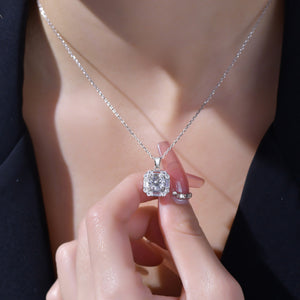
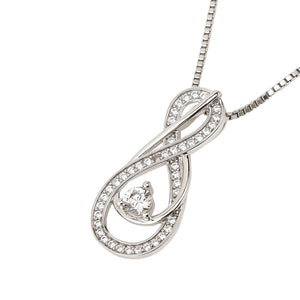
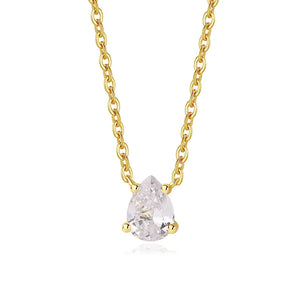
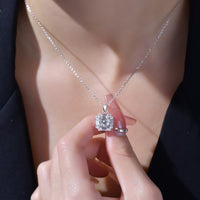
The piece they're describing → Round Brilliant Cut CZ Necklace for Women — 925 Sterling Silver, Diamond-Style Pendant
Personalize Yours


