


Rose gold's pink-copper warmth is exactly what makes it different to clean. That same copper content that gives rose gold its color also makes it react slightly with air, moisture, and skin oils over months of wear — a mild version of the same chemistry that darkens copper and brass, just far less pronounced because the gold in the alloy slows it down. Add in the fact that most rose gold jewelry sold today is actually rose-gold-plated rather than solid, and "how do I clean this" becomes two different questions with two different answers. This guide covers both, plus safe polishing methods, tarnish removal, and a straight answer on what to avoid.
Why Rose Gold Needs Slightly Different Care
Solid rose gold is not a separate metal — it's yellow gold alloyed with copper (and sometimes a touch of silver) to shift the color from yellow toward pink. The higher the copper ratio, the pinker and stronger the gold. An 18K rose gold piece is about 75% pure gold and 25% copper; a 14K piece runs closer to 58% gold and higher copper; 10K rose gold has the most copper of the three and the deepest pink-red tone.
Copper is a reactive metal. Left alone, it darkens gradually through oxidation — the same process that turns pennies brown and untreated copper jewelry nearly black over time. In a rose gold alloy, the gold content buffers that reaction significantly, so you're not looking at anything close to raw copper tarnish. But over months of wear, especially with sweat, lotion, or humid climates in the mix, solid rose gold can develop a faint deepening or slight patina, particularly in lower karats (10K) where the copper percentage is highest.
This is completely normal and not a sign of poor quality. It's also easily reversed with the cleaning methods below, unlike true copper tarnish, which needs a stronger removal approach. Rose-gold-plated jewelry behaves differently again, because the copper-alloy layer sits on top of a base metal rather than running all the way through the piece — which is the key distinction the next section covers.
Solid Rose Gold vs. Rose-Gold-Plated: Care Differences
Before cleaning anything, know which one you have. Solid rose gold is the alloy all the way through — check the inside of a ring band or the clasp for a karat stamp like 10K, 14K, or 18K. Rose-gold-plated jewelry is a base metal (usually 925 sterling silver or brass) with a thin rose gold layer bonded to the surface, typically stamped RGP, or with no stamp at all. The base metal matters because it changes how forgiving the piece is to clean.
| Care factor | Solid rose gold (10K/14K/18K) | Rose-gold-plated jewelry |
|---|---|---|
| Soap & lukewarm water | Safe, primary method | Safe, primary method |
| Jeweler's polishing cloth | Safe for light, occasional shine | Avoid — the mild abrasive removes the thin plated layer |
| Baking soda paste | Occasionally used for tarnish, rinse thoroughly | Avoid — abrasive and alkaline, wears through plating |
| Ultrasonic cleaner | Generally safe if no soft or porous stones are set | Avoid — vibration separates plating from the base metal |
| Vinegar or acidic solutions | Not recommended, can dull the copper content | Avoid entirely — acid attacks the plating bond |
| Professional jeweler cleaning | Safe and recommended every 6–12 months | Ask specifically for plated-safe cleaning, not standard polishing |
| Reversible if damaged? | Yes — can be re-polished by a jeweler indefinitely | No — worn plating requires replating, not polishing |
The short version: if it's solid, you have more room for error. If it's plated, treat every step more gently, because there's a finite, thin layer between "clean" and "damaged." When in doubt about which one you own, treat the piece as plated — the gentle method is safe for both.

How to Clean Rose Gold Jewelry: Step-by-Step
This method works for both solid rose gold and rose-gold-plated pieces. It's the safest starting point regardless of which you have.
- Mix a mild solution. A few drops of fragrance-free dish soap in a small bowl of lukewarm water. Avoid hot water — it stresses metal bonds and, on plated pieces, the adhesive layer underneath.
- Soak briefly (solid rose gold only). Solid pieces can soak 2–3 minutes if heavily soiled. Rose-gold-plated pieces should not soak — dip and clean quickly instead, since prolonged water contact works into the seam between plating and base metal.
- Clean with a soft cloth or baby toothbrush. Wipe smooth surfaces with a microfibre or 100% cotton cloth. Use a baby toothbrush only on chain links, prong settings, or engraved detail where a cloth can't reach — always with light pressure.
- Rinse thoroughly. Lukewarm running water for 15–20 seconds. Leftover soap film attracts grime faster than no cleaning at all.
- Pat dry, don't rub. Lay the piece on a dry cloth and pat. Rubbing while wet creates friction exactly where you don't want it, especially on plated jewelry.
- Let it air rest 15 minutes before storing. Trapped moisture in clasps and chain links accelerates the copper-oxidation patina discussed above.
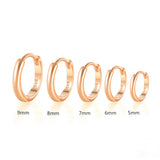
For everyday pieces like a rose gold ring or the huggie hoops in our rose gold jewelry collection, this five-minute routine once a week keeps the color even and prevents buildup from turning into a deeper patina.
How to Clean Rose-Gold-Plated Jewelry Specifically
If you know your piece is plated — most rose gold jewelry sold at accessible price points is rose-gold-plated over 925 sterling silver or brass — treat the soap-and-water method above as the ceiling, not the floor. Everything past that risks the plating.
Skip polishing cloths entirely. Even cloths labeled "gentle" or "for gold" typically contain a light abrasive compound designed to remove a microscopic layer of oxidized metal on solid pieces. On plated jewelry, that microscopic layer is the rose gold finish itself. One or two uses might look fine; repeated use visibly thins the color at high-contact points like the underside of a ring or the back of earring posts.
Skip ultrasonic cleaners too. The high-frequency vibration that shakes debris loose from solid metal also shakes the plated layer loose from the base metal underneath, particularly at edges, prongs, and clasp joints. This is one of the fastest ways to strip plating in a single cleaning session.
If a plated piece looks dull no matter how carefully you clean it, that's usually surface buildup rather than worn plating — try the soap-and-water method two or three times over a week before assuming the worst. Genuine plating wear looks different: a visible color shift toward silver or yellow at specific wear points, not an overall dullness.
Safe Polishing Methods for Solid Rose Gold
Solid rose gold can be lightly polished at home with a proper jeweler's polishing cloth — a two-sided cloth with a treated inner layer and a buffing outer layer, sold specifically for gold. Use light pressure in straight strokes, not circular scrubbing, and only on smooth surfaces. Avoid polishing over gemstones, engraved detail, or textured finishes, since the compound can dull matte or hammered surfaces and settle into engraving grooves.
Polish sparingly — once every few months at most for regularly worn pieces. Over-polishing solid gold gradually removes a small amount of metal with every session; it's a slow process, but it adds up over years on a piece you polish weekly instead of occasionally. The soap-and-water clean should be your default; the polishing cloth is for restoring shine before a special occasion, not a routine step.
For rings with pavé or channel-set stones, a polishing cloth can push debris deeper into the setting rather than removing it. Use a soft brush around stones instead, and save the cloth for the plain metal band.

Removing Patina and Tarnish from Rose Gold
If your solid rose gold has developed a noticeable darkening — usually a warm brownish or slightly dulled tone rather than black — a slightly stronger clean than routine soap and water resolves most cases. Warm (not hot) soapy water with a longer, gentle scrub using a soft-bristled brush, followed by a thorough rinse and dry, clears light patina. For more persistent darkening on solid pieces, a small amount of baking soda mixed into a thin paste, applied gently and rinsed off completely within a minute, can lift copper-oxide buildup — this is one of the few cases where baking soda is acceptable, and only on solid gold, never on plated jewelry.
If darkening persists after cleaning or looks patchy rather than even, a professional jeweler can re-polish the surface, which removes a thin layer of metal along with the oxidation and restores an even tone. This is worth doing every 6–12 months on solid rose gold pieces worn daily, the same interval Jewelers of America recommends for routine professional jewelry maintenance and inspection.
For rose-gold-plated jewelry, there's no safe at-home method to remove patina beyond gentle soap and water, because any stronger intervention risks the plating itself. If a plated piece has genuinely tarnished (as opposed to just looking dull), it usually means the plating has worn through in that spot and the base metal underneath is reacting — that requires replating by a jeweler, not more aggressive cleaning.
Cleaning Rose Gold Jewelry with Gemstones
Rose gold is a popular setting for morganite, pink sapphire, and diamonds, all of which change the cleaning approach.
Hard, non-porous stones (diamonds, moissanite, sapphires, cubic zirconia): Safe with the soap-and-water method on both solid and plated rose gold. Avoid prolonged soaking on plated settings, since water can work under the stone and reach the plating seam.
Softer or porous stones (morganite, opal, pearl): Morganite is a popular rose gold pairing but ranks lower on the hardness scale than sapphire or diamond — avoid ultrasonic cleaners and ultrasonic-adjacent ring cleaners entirely, even on solid gold settings. Clean with a barely damp cloth around the stone rather than soaking.
Glued or bezel-set stones: Don't soak. Use a damp cloth on the metal only, avoiding the stone edge where adhesive or setting seams sit.
How Often to Clean, and Storage That Prevents Patina
| Wear frequency | Cleaning cadence |
|---|---|
| Daily wear | Full clean weekly, dry-cloth wipe after each wear |
| Several times a week | Full clean every 2–3 weeks |
| Occasional wear | Full clean once a month |
| Rarely worn / stored | Clean before storing and before wearing again |
Because copper reacts with air and moisture, storage matters more for rose gold than for yellow or white gold. Store each piece individually in a zip-seal pouch or fabric-lined box rather than loose in a dish — an anti-tarnish pouch or a small silica gel packet in the storage box slows the oxidation that causes patina. Keep rose gold jewelry out of the bathroom, where humidity is highest, and always remove it before swimming, showering, or applying lotion and perfume, since those products accelerate both patina on solid pieces and plating wear on plated ones.
What NOT to Do
Chlorine and pools: Chlorine reacts with the copper in rose gold alloys and can cause pitting or discoloration over repeated exposure — take rings and other pieces off before swimming.
Toothpaste: A common home remedy that is genuinely wrong for rose gold, solid or plated. The abrasive particles scratch the surface and, on plated pieces, remove the finish outright.
Vinegar or lemon juice on plated jewelry: Acidic solutions attack the bond between the plating and the base metal. Fine for some other metals in moderation, not for anything plated.
Aggressive scrubbing: Rose gold is a slightly softer alloy than white gold or platinum at the same karat, because copper is a softer metal than the alloys used for white gold. Hard scrubbing scratches the surface faster than on harder metals.
Storing loose with other jewelry: Metal-on-metal contact scratches rose gold, and other pieces can also scratch the plating on rose-gold-plated jewelry.
Related reading: Does Rose Gold Tarnish? The Truth About Plated vs. Solid Rose Gold (2026).
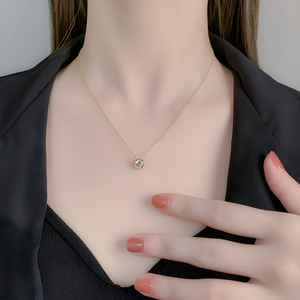
Shop AJLuxe's Rose Gold CZ Pendant Necklace
925 sterling silver, 18K rose gold plated, a single bezel-set round cubic zirconia stone. $32.99.
Shop the Rose Gold CZ Pendant Necklace →Frequently Asked Questions
How do I clean solid rose gold jewelry differently from rose-gold-plated jewelry?
Both start with the same mild soap-and-water method, but solid rose gold tolerates a wider range of follow-up steps — light polishing cloths, occasional baking soda paste for tarnish, and ultrasonic cleaning if the stones allow it. Rose-gold-plated jewelry should stay with soap and water only; anything abrasive or vibrating removes the thin plated layer permanently.
What causes rose gold jewelry to darken or develop a patina over time?
Rose gold is a gold-and-copper alloy, and copper reacts mildly with air, moisture, and skin oils over time. That reaction produces a faint darkening or patina, more noticeable in lower karats like 10K where the copper percentage is highest. It's a normal property of the alloy, not a defect, and it's reversible with cleaning.
Is it safe to use an ultrasonic cleaner on rose gold jewelry?
Generally safe on solid rose gold without soft or porous stones set in it. Not safe on rose-gold-plated jewelry — the vibration separates the plated layer from the base metal, especially at edges and prongs.
How can I remove tarnish from rose gold without damaging the metal?
For solid rose gold, warm soapy water with a longer gentle scrub clears light tarnish; a thin baking soda paste, rinsed off within a minute, helps with more persistent darkening. For rose-gold-plated jewelry, stick to soap and water only — true tarnish on a plated piece usually means the plating has worn through and needs replating rather than cleaning.
What is the safest DIY method for polishing rose gold jewelry at home?
A jeweler's polishing cloth used with light, straight strokes on solid rose gold, avoided entirely on plated pieces. For routine care on any rose gold jewelry, mild dish soap and lukewarm water with a soft cloth is the safest method overall.
Can I use vinegar and salt to clean rose gold, or will it strip the finish?
Not recommended on either type. Vinegar's acidity can dull the copper content in solid rose gold over repeated use, and it actively attacks the bond on rose-gold-plated jewelry. Soap and water is safer and just as effective for routine cleaning.
Does dish soap and warm water work for both solid and plated rose gold?
Yes — this is the one method that's safe across both types. Use lukewarm, not hot, water, and don't let plated pieces soak for more than a quick dip.
Why does my rose-gold-plated ring look faded after cleaning, and how can I fix it?
Fading after cleaning almost always means the plating was already thinning and the cleaning simply revealed it, rather than the cleaning itself causing the fade (unless you used a polishing cloth, abrasive paste, or ultrasonic cleaner). There's no at-home fix for worn plating — a jeweler can replate the piece, typically for $20 to $60 depending on size.
Are baking soda pastes safe for cleaning rose gold, or do they scratch the surface?
Only on solid rose gold, and only occasionally for tarnish that soap and water didn't clear — rinse thoroughly and don't scrub hard. Baking soda is mildly abrasive and will scratch or wear through rose-gold-plated jewelry, so avoid it on plated pieces entirely.
How often should I clean my rose gold jewelry to prevent darkening?
Weekly for daily-wear pieces, every two to three weeks for frequent wear, and monthly for occasional pieces. A quick dry-cloth wipe after each wear, removing sweat and oils before they sit on the surface, does more to slow patina than any single deep clean.
Can I use a jewelry polishing cloth on rose-gold-plated items without removing the plating?
No. Even cloths marketed as gentle contain a light abrasive compound that removes a microscopic layer of metal, which is fine on solid gold but strips the plating on plated jewelry over repeated use. Use soap and water instead.
How do I clean rose gold jewelry with gemstones without harming the stones?
Hard stones like diamonds and sapphires tolerate the soap-and-water method fine. Softer or porous stones like morganite, opal, or pearl need a barely damp cloth on the metal only, avoiding the stone, and should never go in an ultrasonic cleaner regardless of how hard the metal setting is.
Why does my rose gold turn darker after wearing it, and how can I restore its shine?
Sweat, lotion, and skin oils accelerate the natural copper-oxidation reaction in the alloy, which is why daily-wear pieces darken faster than occasional-wear ones. A soap-and-water clean restores most of the shine; for solid rose gold with deeper darkening, a light polishing cloth or professional re-polish brings it back to an even tone.
Final Thoughts
Rose gold's copper content is the source of both its warm color and the reason it needs slightly more thoughtful care than yellow or white gold. Solid rose gold is forgiving — soap and water for routine care, an occasional polishing cloth for shine, and a professional re-polish once or twice a year. Rose-gold-plated jewelry needs the gentler version of everything: soap and water only, no polishing cloths, no baking soda, no ultrasonic cleaners. Knowing which one you're holding is the single most useful thing you can check before you clean anything. If you're not sure whether your rose gold is solid or plated, our guide on whether rose gold is real gold walks through how to tell the two apart, and our comparison of yellow gold vs. rose gold covers how the alloys differ beyond just color.
Shop AJLuxe's rose-gold-plated 925 sterling silver jewelry
Shop the Rose Gold Huggie EarringsKeep Reading
For general jewelry cleaning basics, see our guide on how to clean jewelry at home. For plating-specific care that overlaps closely with rose-gold-plated pieces, read how to clean gold plated jewelry and how to clean sterling silver jewelry, since most rose-gold-plated pieces use a sterling silver base. And for solid gold routines, see how to clean gold jewelry.
Written by the AJLuxe team — specialists in personalized 18K gold plated and rose-gold-plated 925 sterling silver jewelry. Last updated: July 2026.
More Jewelry Care Guides
See the general troubleshooting guide, or browse care instructions for other jewelry materials:
- How to Clean Tarnished Jewelry (Sterling Silver, Gold-Plated, Steel & More)
- How to Clean Jewelry With Diamonds: A Complete Care Guide
- How to Clean Stainless Steel Jewelry: Safe Methods
- How to Clean Copper Jewelry: Patina, Verdigris & DIY Methods
- How to Clean Costume Jewelry (Without Ruining It)
- How to Clean Brass Jewelry: DIY Methods That Actually Work
- How to Clean Jewelry With Baking Soda (Step-by-Step)
- How to Clean Moissanite Jewelry (Complete Care Guide)
- How to Clean Titanium Jewelry (It Barely Needs It)
All third-party trademarks, brand names and product names are the property of their respective owners. AJLuxe is not affiliated with, endorsed by, sponsored by, or otherwise connected to any third-party brand referenced in this article. Brand names are used solely for accurate comparative reference, and material descriptions reflect each brand's own published product specifications at the time of writing.
You Might Also Like
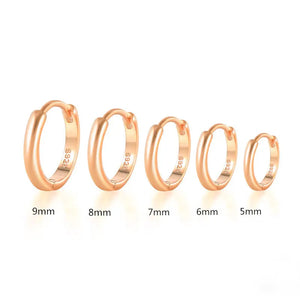
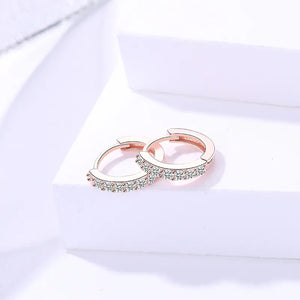

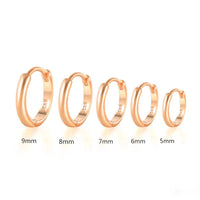
The piece they're describing → Rose Gold Huggie Earrings for Women — 925 Sterling Silver, Rose Gold Plated, Hypoallergenic
Personalize Yours


