


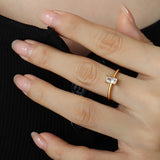
- Nickel is the metal behind most wedding-ring skin reactions — it's the ingredient to check for, not "cheap metal" in general.
- Genuinely hypoallergenic options include 925 sterling silver, titanium, platinum, palladium, and 316L surgical steel.
- White gold is not automatically safe — many white gold alloys contain nickel even in fine jewelry.
- AJLuxe wedding and engagement rings are 925 sterling silver with 18K gold plating, hypoallergenic, and priced $24.99–$79.99.
- If a ring is already irritating your skin, switching material is the fix — waiting it out usually makes the reaction worse.
- A ring plated in gold over a nickel-free base (like sterling silver) can look identical to solid gold while staying skin-safe.
If your finger has ever turned red, itchy, or that unmistakable shade of green underneath a ring, you already know the problem isn't "jewelry" in general — it's one specific metal, and it shows up in wedding bands more than people expect because bands get worn 24/7 with no break. The good news is that hypoallergenic wedding rings aren't a niche or compromise category anymore; they range from $25 sterling silver bands to five-figure platinum settings, and picking the right one comes down to knowing which metals are actually safe versus which ones just get marketed that way.
What Makes a Wedding Ring "Hypoallergenic"?
A hypoallergenic wedding ring is one made from a metal that doesn't contain nickel or release it against your skin, since nickel is responsible for the large majority of jewelry-related contact allergies. Nickel gets added to many metal alloys because it's cheap and strengthens softer metals like gold, which is why a ring can be "14K gold" and still trigger a reaction — the gold itself isn't the irritant, the nickel mixed into the alloy is. True hypoallergenic pieces either contain no nickel at all (titanium, platinum, palladium) or use a metal that's naturally low-reactivity and nickel-free, like 925 sterling silver.
Which Metals Are Actually Hypoallergenic for Wedding Rings?
925 sterling silver, solid titanium, platinum, palladium, and 316L surgical stainless steel are the metals most reliably safe for sensitive skin, while standard white gold and costume "gold-tone" alloys are the most likely to cause a reaction. The table below compares how each option actually holds up for everyday wedding-ring wear.
| Metal | Nickel-Free? | Price Tier | Best For |
|---|---|---|---|
| 925 Sterling Silver (incl. gold-plated) | Yes | Budget-friendly | Everyday wear, gifting, trying styles before committing to fine jewelry |
| Solid Titanium | Yes | Mid-range | Active lifestyles, scratch resistance (can't be resized) |
| Platinum | Yes | Premium/investment | Lifetime bridal sets, heirloom pieces |
| Palladium | Yes | Premium | Platinum look at a lower weight/cost |
| 316L Surgical Stainless Steel | Yes (very low nickel release) | Budget-friendly | Men's bands, industrial/minimalist styles |
| White Gold (10K–18K) | Often No | Mid-to-premium | Only if certified nickel-free by the maker |
Notice that solid gold isn't automatically on the "safe" side of this list — it depends entirely on what it's alloyed with. That's also why a piece described as gold-plated isn't inherently riskier than solid gold; what matters is the base metal underneath the plating. AJLuxe's rings, for example, are 925 sterling silver plated in 18K gold, so the metal actually touching your skin is the nickel-free silver, not an alloy.
Why Do Some Wedding Rings Cause Skin Reactions?
Wedding rings cause skin reactions when nickel in the metal reacts with sweat and skin oils, triggering a contact dermatitis response in people with a nickel sensitivity. Because wedding bands are worn continuously — through showers, workouts, and sleep — they get more skin contact time than almost any other piece of jewelry, which is why a ring that never bothered you as an earring or bracelet can still cause a reaction once it's on your finger full-time. Symptoms typically show up as redness, itching, dryness, or a rash localized to the exact spot the ring touches, and can develop even in people who've never reacted to metal before, since sensitivity can build with repeated exposure over months or years.
How Much Should You Expect to Pay for a Hypoallergenic Wedding Ring?
Hypoallergenic wedding rings span from budget-friendly sterling silver bands to premium platinum settings, so cost depends entirely on which safe metal you choose, not on hypoallergenic quality itself. AJLuxe's 925 sterling silver pieces with 18K gold plating run $24.99–$79.99, which covers a full wedding-ring look — including cubic zirconia detailing — without the markup of solid platinum or palladium. Titanium and surgical steel bands typically land in the mid-range, while platinum and palladium sit at the premium end because of the raw material cost, not because they're more allergy-safe than the cheaper nickel-free options.
Which Hypoallergenic Wedding Ring Should You Choose?
For most people, a 925 sterling silver band is the best starting point — it's nickel-free, hypoallergenic, and gives you the gold or platinum look you want without the investment-level price tag of solid platinum. If you specifically want a wedding ring with the classic diamond-look sparkle, the Square CZ Wedding Ring ($28.99) is 18K gold plated over a nickel-free base with a princess-cut cubic zirconia centerpiece, so you get the bridal look without gambling on skin irritation. Reserve solid titanium or platinum for the rare case where you need a ring that can never be resized or that you intend to pass down as an heirloom — for everyday hypoallergenic wear and gifting, sterling silver does the job at a fraction of the cost.

According to the American Academy of Dermatology, nickel allergy is one of the most common causes of contact dermatitis, and choosing nickel-free jewelry is a primary way to avoid triggering it. Learn more at aad.org.
Frequently Asked Questions
What is the best hypoallergenic wedding ring?
The best hypoallergenic wedding ring is one made from a metal that's inherently nickel-free — 925 sterling silver for everyday affordability, titanium for scratch resistance, or platinum for a lifetime heirloom piece. There's no single "best" metal for everyone; the right choice depends on your budget and how much daily wear the ring needs to withstand.
What wedding bands are hypoallergenic?
Wedding bands made from 925 sterling silver, solid titanium, platinum, palladium, and 316L surgical stainless steel are hypoallergenic because none of them contain nickel. Bands made from standard white gold or unmarked "gold-tone" alloys are the most likely to still cause a reaction, since nickel is commonly used to harden or whiten those alloys.
What to do if I'm allergic to my wedding ring?
If you're allergic to your wedding ring, stop wearing it as soon as you notice redness or itching and let the skin fully heal before switching to a nickel-free metal. Continuing to wear the same ring through a reaction usually makes the irritation worse and can turn a mild sensitivity into a more persistent one, so the fix is a material swap, not toughing it out.
Which ring materials are hypoallergenic?
925 sterling silver, titanium, platinum, palladium, and 316L surgical steel are the ring materials considered hypoallergenic because they don't contain or release nickel. Gold and white gold can be hypoallergenic too, but only when the specific alloy used is confirmed nickel-free, which isn't guaranteed just because a piece is marketed as "gold."
Is sterling silver hypoallergenic?
Yes, 925 sterling silver is considered hypoallergenic because it's a nickel-free alloy of silver and copper, making it one of the more skin-safe options for daily wedding-ring wear. It's also why sterling silver is frequently used as the base metal under gold plating, since it keeps the piece nickel-free even when it's finished to look like solid gold.
Can you wear a hypoallergenic wedding ring every day, including showering and sleeping?
Yes, hypoallergenic metals like sterling silver, titanium, and platinum are designed for continuous daily wear, including through showering and sleeping, without triggering the skin reactions nickel-containing metals cause. To keep gold-plated pieces looking their best long-term, it still helps to towel-dry your ring after water exposure and avoid harsh chemicals like chlorine.
All third-party trademarks, brand names and product names are the property of their respective owners. AJLuxe is not affiliated with, endorsed by, sponsored by, or otherwise connected to any third-party brand referenced in this article. Brand names are used solely for accurate comparative reference, and material descriptions reflect each brand's own published product specifications at the time of writing.
You Might Also Like
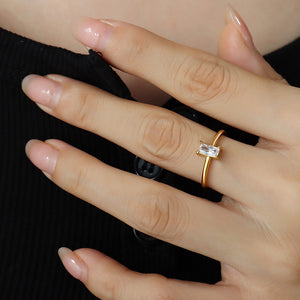
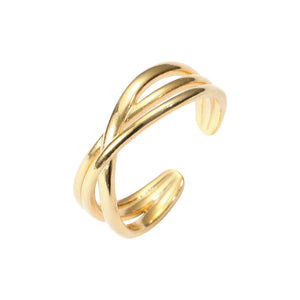

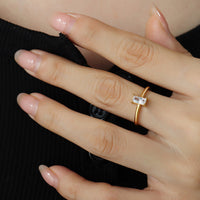
The piece they're describing → Square CZ Wedding Ring for Women — 18K Gold Plated, Princess Cut Cubic Zirconia
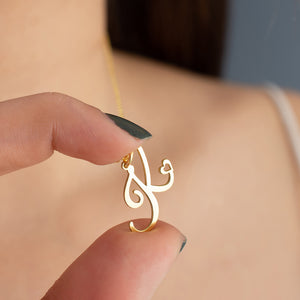
Personalize Yours


