


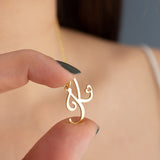
- High-end jewelry means solid precious metal (14K–24K gold, platinum, palladium) plus genuine, often certified gemstones — not plating and not simulants.
- It sits at the top of a four-tier hierarchy: fashion, demi-fine, fine, and high-end/luxury, ranked by material and construction.
- A hallmark stamp inside a ring band or on a clasp (like “14K,” “750,” or “PT950”) is the fastest way to check metal purity yourself.
- An independent gemstone grading report — the kind GIA issues — verifies a stone's authenticity and quality claims before you pay for them.
- Price scales with metal purity, gemstone rarity, and hand-finishing time, so “high-end” pricing is earned by materials, not just branding.
- Demi-fine pieces — 925 sterling silver plated in genuine 18K gold — deliver a similar look and hypoallergenic comfort for everyday wear at a fraction of the cost, without claiming to be solid gold.
“High-end jewelry” gets thrown around loosely enough that shoppers often can't tell whether a piece is genuinely fine jewelry or just fashion jewelry with expensive marketing. The distinction actually comes down to a short, checkable list: what metal it's made of, whether the gemstones are real and graded, and how it's constructed. Here's how to read that list for yourself (2026).
What Is High-End Jewelry, Exactly?
High-end jewelry is jewelry built entirely from solid precious materials — not plated, not filled, not simulated — and finished with a level of hand-craftsmanship that shows up in the weight, the setting, and the wear. That means a solid 18K gold band rather than a gold-plated one, a mined or lab-grown diamond with a grading report rather than cubic zirconia, and prongs or bezels set by hand rather than glued or cast as one piece with the stone. Brand name can signal this tier, but it isn't what creates it — the materials and construction do.
What Materials Actually Define High-End Jewelry?
Two things define the material tier: the metal's purity and the gemstone's authenticity. On metal, high-end pieces use solid 18K, 22K, or 24K gold, platinum, or palladium — these don't wear through to a base metal because there's no base metal underneath the surface. On stones, high-end pieces use genuine mined or lab-grown diamonds and colored gemstones, frequently accompanied by a grading report from an independent laboratory. A hallmark stamp is the practical proof: look for a small stamped mark reading something like “18K,” “750” (the metric purity equivalent of 18K), “PT950” for platinum, or a maker's mark, usually inside a ring band or on the back of a clasp.
High-End vs. Fine vs. Demi-Fine vs. Fashion Jewelry: What's Actually the Difference?
These four tiers are ranked by material and construction, not by store or price tag alone — a fashion brand can price a piece high and a fine jeweler can price one low, but the underlying materials still sort into one of these categories.
| Tier | Typical Metal | Typical Stones | Everyday Durability | Price Tier |
|---|---|---|---|---|
| Fashion | Base metal alloy, often plated | Glass, resin, low-grade cubic zirconia | Low — plating and finish wear within months | $ |
| Demi-fine | 925 sterling silver, gold vermeil, or genuine gold plating | Cubic zirconia, semi-precious, lab-created stones | Moderate to high — sterling silver base holds up well with basic care | $$ |
| Fine | Solid 10K–18K gold or sterling silver | Genuine precious and semi-precious gemstones | High — built to last years with normal wear | $$$ |
| High-end / Luxury | Solid 18K–24K gold, platinum, palladium | Rare or larger gemstones, often independently graded | Heirloom-grade — designed to be passed down | $$$$ |
How Can You Tell If a Piece of Jewelry Is Genuinely High-End?
You can verify a high-end claim in under a minute by checking three things on the piece itself: the hallmark stamp, the paperwork behind any gemstone, and the quality of the setting.
Check the Hallmark Stamp
A hallmark stamp tells you the actual metal purity, and its absence is itself a red flag on a piece marketed as solid gold or platinum. Look inside a ring band or on the back of a clasp or earring post for a stamp like “18K,” “750,” “PT950,” or “950 Pt” — a genuinely solid-metal piece will carry one of these, while a plated piece legally shouldn't be stamped as solid.
Ask for a Gemstone Grading Report
A grading report from an independent laboratory confirms a gemstone is what the seller says it is, in the quality they're claiming. For diamonds and major colored gemstones, ask whether the stone comes with a report from a recognized lab — reputable high-end jewelers will have this documentation ready, and a seller who can't produce it for an “investment-grade” stone is a reason to pause.
Examine the Setting and Finish
The setting tells you whether a piece was made by hand or mass-produced. On high-end pieces, prongs are individually shaped and polished, bezels sit flush against the stone with no visible gaps, and the metal has weight and heft rather than feeling hollow or thin. Cast, one-piece settings with a stone glued rather than set are a sign of a lower tier, regardless of what metal is claimed.
How Is High-End Jewelry Priced?
High-end jewelry is priced by adding up metal purity, gemstone rarity and size, and hand-finishing labor — there's no flat “luxury markup” separate from these inputs. A solid platinum setting costs more than solid 18K gold because the metal itself is rarer and denser; a graded, mined diamond costs more than a lab-grown stone of the same size; and hand-fabricated settings cost more than cast ones because of the skilled labor involved. That's why prices in this tier scale so widely — a simple solid-gold band and a large certified-diamond ring are both “high-end,” but the underlying materials put them at very different price points.
Is High-End Jewelry Worth Buying?
High-end jewelry is worth it when you want a piece built to be worn for decades or passed down, and you're buying from a seller who can back up the materials with hallmarks and grading reports. It's a weaker fit for everyday-rotation pieces, gifts under a specific budget, or anyone who changes their jewelry style often — the premium you pay for solid precious metal and certified stones is largely wasted if the piece sits in a box or gets swapped out within a year or two.
Do You Need High-End Jewelry, or Would Demi-Fine Serve You Better?
If you want daily-wear versatility, hypoallergenic comfort, and gift-ready pieces you won't panic about losing at the gym or in a hotel room, demi-fine is usually the smarter buy over a high-end piece you reserve for special occasions. To be direct about what AJLuxe is: it doesn't sell solid 18K gold or certified-diamond high-end jewelry. AJLuxe pieces are built from 925 sterling silver plated in genuine 18K gold, priced $24.99–$79.99, hypoallergenic, and gift-ready — a demi-fine alternative that gives you the layered, gold-toned look for everyday rotation without the high-end price tag or the upkeep of solid precious metal. If a specific high-end look is what you're after, that's a job for a fine jeweler with hallmarked metal and graded stones; if you want that look in rotation without the investment-piece price, that's where a demi-fine brand like AJLuxe fits instead.
For verifying gemstone grading reports and lab credentials, the Gemological Institute of America is the standard reference: https://www.gia.edu.
Frequently Asked Questions
What is considered high-end jewelry?
Jewelry made from solid precious metal — 18K or higher gold, platinum, or palladium — set with genuine, often independently graded gemstones, and finished by hand rather than mass-produced. Brand reputation can accompany this tier, but the materials and construction are what actually define it.
What's the difference between fine jewelry and high-end jewelry?
Fine jewelry uses solid metal starting around 10K–14K gold or sterling silver with genuine gemstones, while high-end jewelry sits a tier above it with higher-purity metals (18K–24K gold, platinum, palladium) and rarer or independently graded stones. The line between the two is a matter of degree in material quality, not a difference in kind.
Is 18K gold-plated jewelry considered high-end?
No — gold-plated jewelry, even with a genuine 18K gold layer, is a demi-fine product because the base metal underneath (typically sterling silver) isn't solid precious metal. It can still look identical to solid gold and wear well for years, but it doesn't meet the material definition of high-end jewelry.
How can you tell if jewelry is high quality?
Check for a hallmark stamp confirming metal purity, ask for a grading report on any gemstone, and inspect the setting for hand-finished prongs and a flush, gap-free stone seat. The absence of a hallmark on a piece claimed to be solid gold or platinum is the single fastest red flag.
What is demi-fine jewelry?
Demi-fine jewelry sits between fashion and fine jewelry, typically made from 925 sterling silver plated with genuine gold or finished as gold vermeil, paired with cubic zirconia or lab-created stones. It's designed to look like fine jewelry and hold up to regular wear at a lower price point than solid precious metal.
Does high-end jewelry always mean solid gold?
No — high-end jewelry can be solid gold, platinum, or palladium; gold is common but not required. What's required is that the metal is solid precious metal throughout, not plated over a base metal.
All third-party trademarks, brand names and product names are the property of their respective owners. AJLuxe is not affiliated with, endorsed by, sponsored by, or otherwise connected to any third-party brand referenced in this article. Brand names are used solely for accurate comparative reference, and material descriptions reflect each brand's own published product specifications at the time of writing.
You Might Also Like
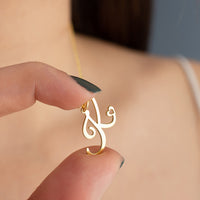
The piece they're describing → Heart Initial Necklace for Women — 18K Gold Plated, Personalized Letter + Heart Pendant
Personalize Yours


