


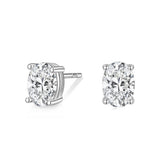
- Yes — pure and implant-grade titanium (ASTM F136 / F67) contains no nickel and is one of the most hypoallergenic metals made
- Why it works: titanium forms a stable oxide layer on its surface that prevents metal ions from reaching the skin
- The catch: "titanium-plated" jewelry is not the same — it's often a thin titanium coating over a nickel or brass base that wears off
- Lighter, harder, pricier: titanium is about 40% lighter than steel and roughly twice as hard as sterling silver, but genuine implant-grade pieces cost more and are mostly sold through body-jewelry and piercing specialists
- The accessible alternative: 925 sterling silver (nickel-free copper alloy) is also hypoallergenic for most people, widely available, and far easier to find in everyday styles like stud earrings
If you're asking whether titanium jewelry is hypoallergenic, the short answer is yes — genuine, implant-grade titanium is one of the safest metals you can put against your skin. It's nickel-free, biocompatible, and used in surgical implants for exactly that reason. But "titanium" on a product label doesn't always mean what you think it means, and titanium isn't the only hypoallergenic option worth considering. This guide breaks down what actually makes titanium safe, where it can go wrong, and how it stacks up against surgical steel, sterling silver, and gold plating.
Is Titanium Jewelry Hypoallergenic?
Yes. Genuine titanium — especially implant-grade titanium — is hypoallergenic and extremely unlikely to trigger a reaction, even in people with multiple metal sensitivities. Titanium contains no nickel, the allergen responsible for the vast majority of jewelry-related skin reactions, affecting roughly 17% of women and 3% of men according to the American Academy of Dermatology.
This is also why titanium is a standard material in medical implants — hip replacements, bone plates, and dental implants all rely on titanium's ability to sit inside the human body for years without provoking an immune response. Professional piercers recommend it for the same reason: new and healing piercings are more reactive to allergens than settled skin, so anything that goes into a fresh piercing needs to be as biocompatible as possible.
True titanium allergy exists, but it's rare. When people report a reaction to "titanium" jewelry, the more common explanation is that the piece wasn't actually solid titanium — it was titanium-plated over a cheaper, nickel-containing base metal, and the coating wore through.

In This Guide
- Is Titanium Jewelry Hypoallergenic?
- Why Titanium Doesn't Trigger Allergic Reactions
- Titanium Grades: ASTM F136, F67, and "Titanium-Plated" Explained
- Titanium vs Surgical Steel vs Sterling Silver vs Gold Plated
- Weight, Durability, and Everyday Wear
- Cost and Where to Buy Genuine Titanium
- When to Choose Titanium vs Sterling Silver
- Frequently Asked Questions
- Final Thoughts
Why Titanium Doesn't Trigger Allergic Reactions
Titanium's hypoallergenic reputation comes down to basic chemistry, not marketing. As soon as titanium is exposed to oxygen — which happens instantly in the air — it forms a thin, stable layer of titanium dioxide on its surface. This oxide layer is chemically inert: it doesn't react with sweat, skin oils, or moisture, and it prevents metal ions from leaching out and contacting the skin. Since most metal allergies are actually reactions to ions released from a metal (nickel ions in particular), a metal that doesn't release ions is very unlikely to cause a reaction.
Compare that to nickel, which corrodes slightly with skin contact and releases nickel ions that bind to skin proteins, triggering the immune response dermatologists classify as allergic contact dermatitis. Titanium simply doesn't do this, which is why it's grouped with platinum, niobium, and 925 sterling silver as one of the reliably safe options for sensitive skin.
Titanium Grades: ASTM F136, F67, and "Titanium-Plated" Explained
Not all jewelry labeled "titanium" is created equal. The grade matters as much as the metal itself:
- ASTM F136 (implant-grade / Grade 23 titanium): The gold standard. This is the same alloy used in surgical implants — extremely low impurity levels, verified by mill certification. This is what reputable piercing studios use for new piercings.
- ASTM F67 (commercially pure titanium): Also considered medical-grade and safe for sensitive skin, though slightly less common in fine jewelry than F136.
- "Titanium alloy" or unspecified grade: May still contain trace nickel or other alloying metals depending on the manufacturer. Ask for a mill certificate if you have a known allergy.
- "Titanium-plated" or "titanium-coated": This is where most disappointment happens. A thin titanium layer sits over a base metal — often brass or a nickel alloy — for cost reasons. Once the coating wears from daily friction, the base metal is exposed and can trigger a reaction. This is functionally similar to gold-plated jewelry over a low-quality base.
If a listing doesn't specify ASTM grade or "solid titanium," treat it the same way you'd treat an unlabeled "silver-tone" piece — assume it may not be what it claims.
Titanium vs Surgical Steel vs Sterling Silver vs Gold Plated
Here's how the four most common "hypoallergenic" jewelry materials actually compare:
| Metal | Nickel Content | Biocompatibility | Weight | Typical Cost | Where Commonly Sold |
|---|---|---|---|---|---|
| Titanium (ASTM F136/F67) | None | Excellent — surgical implant grade | Very light (~40% lighter than steel) | $$-$$$ | Piercing studios, body-jewelry specialists, men's jewelry brands |
| Surgical steel (316L) | Contains ~10-14% nickel (bound in alloy) | Good for most, but can still trigger sensitive/allergic wearers | Heavier than titanium | $-$$ | Mainstream jewelry retailers, piercing studios |
| 925 Sterling silver | None in quality 925 (copper alloy) | Very good — hypoallergenic for most people | Heavier than titanium, moderate | $-$$ | Everyday jewelry retailers, widely available in fashion styles |
| 18K gold plated (over sterling silver) | None if base is genuine 925 silver | Good — safe while plating and base are intact | Same as sterling silver base | $-$$ | Everyday jewelry retailers, gifting and fashion pieces |
The practical takeaway: titanium and sterling silver are both genuinely hypoallergenic when they're what they claim to be. Titanium wins on weight and scratch resistance; sterling silver wins on price, style variety, and availability in everyday jewelry — like CZ stud earrings you can find at a mainstream retailer instead of a specialty piercing shop.
Weight, Durability, and Everyday Wear
Titanium is roughly 40% lighter than stainless steel and noticeably lighter than sterling silver for the same volume of metal — silver is nearly twice as dense as titanium. That's part of why titanium is popular for larger pieces like men's rings and bigger earrings: you get size and presence without the heft. You can also browse our hypoallergenic earrings, where every product page names the metal.
On hardness, titanium sits around 6 on the Mohs scale, roughly double the hardness of sterling silver (2.5-3). That translates to real-world durability differences: sterling silver can pick up fine scratches within months of regular wear, while titanium resists scratching for years and won't bend or dent under normal use. Titanium also doesn't tarnish — there's no dark oxidation layer to polish off, unlike silver, which reacts with sulfur in the air over time.
Sterling silver isn't fragile, though. With basic care — keeping it dry, storing it properly, and occasional polishing — a well-made 925 sterling silver piece easily lasts for years of daily wear. The tradeoff is maintenance: titanium is closer to "wear it and forget it," while silver needs a little more attention to stay bright.
Cost and Where to Buy Genuine Titanium
Genuine implant-grade titanium jewelry typically costs more than comparable sterling silver pieces, largely because titanium is harder to machine and the jewelry market for it is smaller and more specialized. You'll find the best selection at dedicated body-jewelry and piercing retailers, and in men's jewelry lines that market titanium specifically for its industrial, low-maintenance appeal.
That specialization is also titanium's biggest practical drawback for everyday shoppers: it's genuinely harder to find titanium in mainstream fashion styles — delicate stud earrings, layered necklaces, stacking rings — the way you can find sterling silver almost anywhere. If you have sensitive skin but want the kind of everyday, trend-forward pieces that titanium specialty shops don't typically carry, nickel-free 925 sterling silver fills that gap. AJLuxe's CZ stud earrings, for example, use a genuine 925 sterling silver base — no nickel, no guesswork — in a classic style that's easy to wear daily.

When to Choose Titanium vs Sterling Silver
Both are legitimately hypoallergenic. The right choice usually comes down to use case rather than allergy risk:
- Choose titanium if: you have a new or healing piercing, you have a confirmed nickel allergy and want maximum reassurance, you want the lightest possible everyday wear, or you want a piece that never needs polishing.
- Choose 925 sterling silver if: you want more style variety (studs, huggies, layered necklaces, stacking rings), you're shopping from a mainstream jewelry retailer rather than a specialty piercing shop, budget matters, or your piercings are fully healed and you just need a daily-wear metal that won't irritate sensitive skin.
- Choose 18K gold plated sterling silver if: you want the warmth of gold with the same hypoallergenic base as sterling silver — as long as the plating is over genuine 925 silver, not a nickel base.
According to jewelry industry guidance from the Jewelers of America trade organization, the safest approach for any sensitive-skin buyer is to confirm the base metal and any hallmark stamp before purchase, regardless of which of these materials you choose. If you're also curious how a colorful hypoallergenic option compares, see our niobium vs titanium earrings comparison. For the full lineup of nickel-free styles and current prices, see our guide to the best hypoallergenic earrings.
Frequently Asked Questions
Is titanium jewelry hypoallergenic?
Yes. Genuine titanium, especially implant-grade titanium (ASTM F136 or F67), contains no nickel and forms a stable oxide layer that prevents metal ions from reaching the skin. This makes it one of the most hypoallergenic metals used in jewelry, which is why it's a standard choice for new piercings and people with metal sensitivities.
Is titanium better than surgical steel for sensitive skin?
For most sensitive-skin wearers, yes. Surgical steel (316L) typically contains around 10-14% nickel bound into the alloy, and while it's generally well-tolerated, people with a confirmed nickel allergy can still react to it. Titanium contains no nickel at all, making it the safer choice for anyone with a known or suspected nickel allergy.
Can you be allergic to titanium?
True titanium allergy is very rare. When people report a reaction to "titanium" jewelry, the more common cause is that the piece was titanium-plated over a nickel or brass base rather than solid titanium, and the coating wore through with regular wear. Genuine implant-grade titanium is considered one of the least allergenic metals available.
Is titanium jewelry good for newly pierced ears?
Yes — implant-grade titanium (ASTM F136) is one of the materials professional piercers most commonly recommend for new and healing piercings, alongside 14K+ solid gold and niobium. Its biocompatibility and lack of nickel make it less likely to irritate healing skin than surgical steel or fashion-grade silver-tone jewelry.
Is titanium or sterling silver more hypoallergenic?
Both are genuinely hypoallergenic for the vast majority of people when they're authentic. Titanium is marginally safer for people with multiple, severe metal sensitivities because it contains zero alloying metals and never releases ions. For typical nickel sensitivity — the most common metal allergy — 925 sterling silver (a copper alloy, not nickel) is equally safe for most wearers and available in a much wider range of everyday styles.
Does titanium jewelry turn skin green or tarnish?
No. Titanium does not tarnish, corrode, or cause the greenish discoloration associated with copper-based alloys. Its oxide surface layer is chemically stable, which is also why it requires very little maintenance compared to sterling silver, which can tarnish over time from exposure to air and moisture.
How do I know if titanium jewelry is genuine and not just titanium-plated?
Look for an ASTM grade designation — F136 (implant-grade) or F67 (commercially pure) — explicitly stated in the product listing, and ask the seller for a mill certificate if you have a known allergy. Listings that say "titanium-plated," "titanium-coated," or "titanium alloy" without a grade may be a thin titanium layer over a cheaper base metal, which can expose you to nickel once the coating wears.
Why is titanium used in medical implants?
Titanium is used in hip replacements, bone plates, and dental implants because it's biocompatible — the body doesn't recognize it as a foreign material to attack — and it can bond directly with bone tissue (a process called osseointegration). It's also strong, lightweight, and corrosion-resistant, all of which matter for something that stays inside the body for years or decades.
Is titanium jewelry heavier or lighter than sterling silver?
Titanium is significantly lighter. Sterling silver is nearly twice as dense as titanium for the same volume of metal, which is one reason titanium is popular for larger statement pieces and men's rings — you get more visual size without added weight.
Where can I buy genuine titanium jewelry?
Genuine implant-grade titanium is most commonly found at dedicated body-jewelry and piercing specialty retailers, as well as some men's jewelry brands. It's less common in mainstream fashion jewelry retailers, which is why shoppers who want nickel-free, everyday styles — earrings, layered necklaces, stacking rings — often choose 925 sterling silver instead, since it's hypoallergenic, widely available, and easier to find in trend-forward designs.
Final Thoughts
Titanium jewelry is genuinely hypoallergenic when it's what it claims to be — implant-grade or commercially pure titanium, not a thin coating over a nickel base. It's an excellent choice for new piercings, confirmed nickel allergies, and anyone who wants the lightest, lowest-maintenance metal available. The tradeoff is availability and price: genuine titanium mostly lives in specialty piercing and body-jewelry stores, not everyday fashion jewelry retailers.
If you want hypoallergenic jewelry in the kind of everyday styles titanium specialty shops don't typically carry, 925 sterling silver is the accessible alternative — nickel-free, widely available, and easy to style daily. AJLuxe's CZ Stud Earrings are built on a genuine 925 sterling silver base with 18K gold plating, giving sensitive skin two hypoallergenic layers in a classic, everyday design.
Looking for hypoallergenic jewelry you can wear every day?
Shop CZ Stud Earrings — 925 Sterling SilverRelated reading: Is Sterling Silver Hypoallergenic? | Complete Guide to Hypoallergenic Jewelry Metals
Written by the AJLuxe team — specialists in personalized sterling silver jewelry. Last updated: July 2026.
All third-party trademarks, brand names and product names are the property of their respective owners. AJLuxe is not affiliated with, endorsed by, sponsored by, or otherwise connected to any third-party brand referenced in this article. Brand names are used solely for accurate comparative reference, and material descriptions reflect each brand's own published product specifications at the time of writing.
You Might Also Like
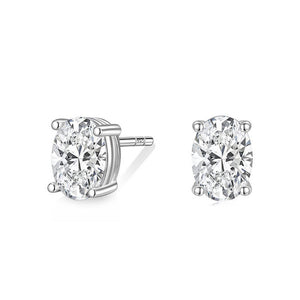

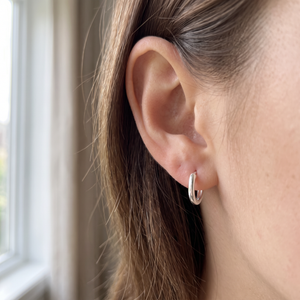
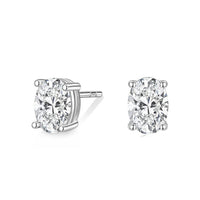
The piece they're describing → CZ Stud Earrings for Women — 925 Sterling Silver, Prong-Set Cubic Zirconia, Hypoallergenic
Personalize Yours


