


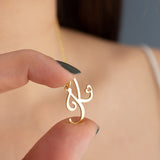
- Made of: fine gold or silver wire, twisted and soldered. Some pieces add tiny metal beads (granulation) or gemstones.
- Look: openwork, lacy, light on the skin.
- Age: among the oldest jewelry techniques. The best-documented early examples date to about 2600 to 2500 BC.
- Price: hand-made filigree costs more because of labor. Machine-made or cast "filigree style" pieces cost far less.
- Care: openwork snags and collects dust, so store it flat and brush gently.
Filigree is easy to recognize and hard to define, because the word names both a craft and a look. This guide explains what filigree is, how real filigree is made, where it comes from, what Portuguese filigree is, why it is priced the way it is and how to wear and care for it. If you like the vintage mood it creates, our Art Deco jewelry guide covers one of the eras where it shows up most.
What Is Filigree?
Filigree is decorative metalwork made from fine twisted or curled wire and sometimes tiny beads, shaped into openwork. A craft education essay we read describes it as intricate jewelry made from fine, twisted or curled metal threads and tiny beads, with the name joining the Latin filum (thread) and granum (grain). A jewelry magazine article we read says the wirework is soldered into a larger piece, with or without gemstones.
What Is Filigree Made Of and How Is It Made?
Traditional filigree is made of gold or silver wire. A retailer page on Portuguese filigree says it uses gold or silver threads, and notes that its own sample pieces are mostly gold-plated silver or silver rather than solid gold. The craft essay describes the work: wire is drawn down to about 0.25 mm, twisted, then flattened and heated repeatedly, and each step takes many hours. It adds that success depends on good wire, patience, trained eyes and skilled use of the torch and solder.
Because the design is mostly air, the jewelry magazine article notes makers can build large, rich-looking gold pieces using the minimum of precious metal, and the craft essay says the result is light and comfortable to wear.
What is granulation?
Granulation is the attachment of tiny metal beads to a surface or wire framework. The jewelry magazine article says that in antiquity it was often paired with filigree, which is why you often see them together.
Where Does Filigree Come From?
Filigree is ancient, with its first great centers in Mesopotamia and Egypt, but sources disagree on exact dates. The craft essay cites the earliest pieces as a gold filigree dagger sheath and gold and lapis lazuli pendants from the Royal Tombs of Ur in present-day Iraq, dated about 2600 to 2500 BC and now in a national museum in London. The jewelry magazine article says craftsmen used the technique as early as 3000 BC. Both agree it is thousands of years old, so we treat the Ur pieces as the best-documented early examples rather than the start.
From there, the sources describe a long path: spread through Asia and the Roman Empire, Etruscan earrings and Byzantine goldsmiths who set small stones among the curves, and coloured gemstones combined with spiral wirework in the 1820s and 1830s. In the Edwardian era engagement rings used filigree in platinum with old cut diamonds, and in the Art Deco period it appeared in rings, bracelets and pendant necklaces. The craft essay lists many countries that still keep the tradition, including India, Greece, Italy, Malta and Portugal.
What Is Portuguese Filigree Jewelry?
Portuguese filigree is the hand-made filigree tradition of northern Portugal, centered on the Gondomar region. The retailer page we read calls Gondomar the main center of goldsmithing production in Portugal and says very fine strands are twisted and interwoven by hand into geometric, lace-like patterns, with rings and earrings highlighted. It says the craft is linked to Roman times by archaeological evidence and flourished in the Middle Ages as a status symbol, but gives no specific dates or sources, so treat the early history as unconfirmed. The same page reports that filigree was recognized as Intangible Cultural Heritage of Portugal in 2023 and that the number of artisans is declining, since the craft has traditionally been learned within families. This is a retailer's marketing page, so we keep to what it states and do not add detail.
Why Is Filigree So Expensive?
Hand-made filigree is expensive because of labor and skill, not because of metal weight. The craft essay says the process is labor intensive and unsuitable for mass production, and that consumers' search for low prices has hurt the craft. The jewelry magazine article calls it painstaking work requiring many hours shaping fine wire. Neither source gives price figures, so we do not quote any.
Is Filigree Jewelry Worth Anything?
It can be, but it depends on the material, age, maker and condition. Our own guidance: a hand-made gold or silver piece, or an antique one in good condition, is more likely to hold value than a cast or stamped piece in plated base metal that only copies the look. Check for a hallmark or maker's mark, ask whether the piece is hand-made, and for an antique get an appraisal. We did not find a sourced resale figure, so we avoid giving one.
| Type | How it is made | What to expect |
|---|---|---|
| Hand-made filigree | Fine wire twisted and soldered by hand | Higher price, slight irregularity, fine soldering |
| Filigree style (cast or stamped) | Made in a mold or press to resemble wirework (our description) | Lower price, uniform pattern, often plated |
How to Wear Filigree
This is our styling advice. Let the openwork do the talking: pair a filigree pendant or earrings with plain clothes, and keep other pieces simple. Because filigree is light, it suits all-day wear better than a heavy solid motif of the same size. It fits romantic, vintage and bohemian looks, and it layers well with fine chains. See our pendant necklaces for light everyday styles, and the history of the locket for another heirloom form.
How to Care for Filigree
Open patterns catch lint, snag on knits and bend under pressure, so handle with care. This is our own advice. Store each piece flat in a pouch, put it on after hair spray and perfume, and clean it with a soft dry brush or cloth rather than a hard scrub. Avoid ultrasonic cleaners for fragile antique pieces and for plated items, and have a jeweler check for loose solder joints. Our general jewelry care tips and guide to sterling silver tarnish apply to silver filigree too.
Filigree at AJLuxe: An Honest Note
AJLuxe does not currently sell filigree jewelry, hand-made or otherwise, so we are not going to point you to a product that is not one. If the light, lacy look is what you want, our dainty necklaces and gold plated jewelry collections are the closest fit for fine, delicate styles, and our gold plated vs solid gold guide explains what plating is and is not.
More gemstone and craft guides
Frequently Asked Questions
What is filigree jewelry?
Filigree jewelry is made from fine twisted gold or silver wire and sometimes tiny beads, soldered into lace-like openwork. The word comes from the Latin for thread and grain.
What is filigree made of?
Traditionally it is made of gold or silver wire. Some modern pieces use gold-plated silver or other metals, so check the hallmark and description.
Why is filigree so expensive?
Genuine filigree is slow, skilled hand work, with many hours spent on each piece, and the craft essay we read says it is unsuitable for mass production. The price reflects labor more than the weight of metal.
Is filigree jewelry worth anything?
It can be, especially hand-made precious metal or good antique pieces, but value depends on material, age, maker and condition. Plated or cast imitations are usually worth much less.
What is Portuguese filigree jewelry?
It is the hand-made filigree tradition of northern Portugal, with Gondomar as its main center according to a retailer page we read. It was recognized as Intangible Cultural Heritage of Portugal in 2023, per the same page.
How old is filigree?
It is thousands of years old. The best-documented early pieces come from the Royal Tombs of Ur and date to about 2600 to 2500 BC, though one source puts the technique as early as 3000 BC.
What is the difference between filigree and granulation?
Filigree uses fine twisted wire, while granulation uses tiny metal beads attached to a surface or framework. They were often used together in antiquity.
How do you clean filigree jewelry?
Use a soft dry brush or cloth, avoid scrubbing and ultrasonic cleaners for fragile or plated pieces, and have a jeweler check loose solder.
Sources
A craft education essay on the history of filigree (name origin, earliest examples, wire drawing and making, countries, decline of the craft), a jewelry magazine article on the revival of filigree (soldered openwork, granulation, labor, eras from the 1820s to Art Deco), and a retailer page on Portuguese filigree (Gondomar, process, 2023 recognition, artisan decline), all read 2026-10-08. The value, care and styling advice, and the table row on cast pieces, are our own practical guidance.
Written by AJLuxe Team. Last updated: October 2026
All third-party trademarks, brand names and product names are the property of their respective owners. AJLuxe is not affiliated with, endorsed by, sponsored by, or otherwise connected to any third-party brand referenced in this article. Brand names are used solely for accurate comparative reference, and material descriptions reflect each brand's own published product specifications at the time of writing.
You Might Also Like
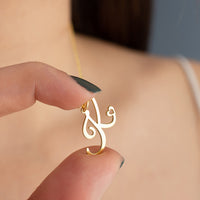
The piece they're describing → Heart Initial Necklace for Women — 18K Gold Plated, Personalized Letter + Heart Pendant
Personalize Yours


