


- Precious: diamond, ruby, sapphire, emerald (the modern trade list).
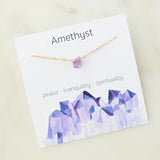
- Semi-precious: every other gemstone, from amethyst and garnet to tanzanite and alexandrite.
- The catch: the split was set by market history, not by hardness, rarity or beauty.
- What to judge instead: color, clarity, cut, size, durability, treatment and origin of the individual stone.
- Many professionals avoid the term "semi-precious" because it can make a fine gem sound second rate.
If you have ever seen a necklace described as having "semi-precious stones" and wondered whether that is a warning or a compliment, you are not alone. This guide explains what the two words mean, where the idea came from, which stones sit on each side, and why the label is a poor shortcut for judging a gem. If you are comparing specific stones, our birthstone jewelry guide and guide to the rarest gems pick up where this page stops.
What Is the Difference Between Precious and Semi-Precious Stones?
The difference is a trade convention: precious stones are the four gems diamond, ruby, sapphire and emerald, and semi-precious stones are all the rest. A gemstone information site we read describes it as a trade and cultural label rather than a scientific one, and notes that the four precious gems are not even the same kind of thing mineralogically: diamond is its own mineral, ruby and sapphire are two colors of the mineral corundum, and emerald is a green variety of beryl.
| Group | Stones | What the label really tells you |
|---|---|---|
| Precious | Diamond, ruby, sapphire, emerald | These four were the highest priced and most prized in the markets that set the term |
| Semi-precious | Amethyst, garnet, citrine, peridot, aquamarine, topaz, tourmaline, spinel, tanzanite, alexandrite and many more | Only that the stone is not one of the four. Quality and price range from very modest to extremely high |
Older lists were not identical. Sources we read say pearl and opal were treated as precious in many contexts in the past, which is one more sign the grouping moved with fashion and supply rather than with science.
Where Did the Precious and Semi-Precious Split Come From?
The split is a nineteenth century trade habit. Gemstone information sources we read place the earliest recorded English use of "semi-precious" in 1858, and a gemological institute article describes the underlying idea as centuries old, with four gems standing apart because they were harder to source, rarer in fine quality and higher priced.
Two examples show how market history, not nature, drew the line. First, amethyst: one source says it was once prestigious and moved into the semi-precious group after large deposits in Brazil and Uruguay raised supply in the nineteenth century. Second, diamond: the same source credits the late nineteenth century development of South African deposits, along with marketing and organized supply, for diamond's modern prominence. The exact dates differ slightly between sources, so treat them as approximate.
Does Semi-Precious Mean Lower Quality or Lower Value?
No. A gemological institute article we read says the label "tells you almost nothing" about real value, rarity or quality, and a gemstone information site lists what actually drives price: rarity, quality, size, treatment, origin, demand and beauty.
The counterexamples are striking. The sources name alexandrite, demantoid garnet, tsavorite and tanzanite as semi-precious gems that can be extremely valuable, and say fine spinel and tourmaline are highly desirable. One article adds that top-quality red spinel from Burma is rarer in fine quality than most rubies on the market, and that spinel was confused with ruby for centuries. It also makes the reverse point: a heavily included, low-color commercial diamond is still classed as "precious." So a small, pale, cloudy "precious" stone can be worth far less than a vivid, clean "semi-precious" one.
One source also reports that a major gem trade association advised its members to avoid the word "semi-precious" because it can undervalue fine gems and confuse shoppers. That is why you will see some sellers say simply "gemstones" or "colored gemstones." For a practical read on stones that sit in the "other" group, see our amethyst buying guide, which shows how color and clarity set price inside a single semi-precious variety.
Which Stones Are Precious and Which Are Semi-Precious?
Using the modern trade list, four are precious and everything else is semi-precious. The word "twelve" in searches such as "the 12 precious stones" usually comes from older or regional lists that vary, so there is no single official twelve we can point to. If you meet a longer "precious" list, check who published it.
- Red: ruby is precious; garnet and spinel are semi-precious. See garnet vs ruby and red garnet vs red spinel.
- Blue: sapphire is precious; aquamarine, tanzanite and topaz are semi-precious.
- Green: emerald is precious; peridot, tourmaline and tsavorite are semi-precious.
- Purple and yellow: amethyst and citrine are semi-precious.
- Clear: diamond is precious; clear quartz is semi-precious.
What Is the Least Expensive Semi-Precious Stone?
There is no single answer, because price depends on quality within each stone. In general, abundant quartz varieties such as amethyst and citrine sit at the accessible end, and our citrine listing explains it is quartz at Mohs 7, the same hardness as amethyst, and typically more affordable than most colored gemstones at comparable quality. At the other end, fine tanzanite or alexandrite can cost far more. We did not find a source ranking all stones by price, so we are not naming a single cheapest one.
How Can You Tell If a Semi-Precious Stone Is Real?
You cannot reliably tell by eye, and home tests are risky. This part is our own practical advice rather than a sourced claim: ask the seller in writing whether the stone is natural, lab-created or simulated, and whether it has been treated (heated, dyed, coated or filled). Reputable sellers disclose this. For an expensive stone, an independent gem lab report is the dependable answer. Be wary of any listing that uses a gem name for a glass or cubic zirconia stone without saying so. Our guide to whether cubic zirconia is real explains one common lookalike.
How to Shop Without Relying on the Label
Judge each stone on its own facts. A short checklist:
- Color: evenness and saturation matter more than the category name.
- Clarity and cut: a clean, well-cut stone reflects light better than a cloudy one.
- Durability: check hardness, because softer stones scratch more easily in rings worn daily.
- Treatment and origin: ask what was done to the stone and where it came from.
- Setting and metal: a fine stone in a poor setting is still a poor purchase. See our gold plated vs solid gold guide and jewelry care tips.
Natural Stones at AJLuxe, Described Honestly
AJLuxe is an affordable jewelry store, not a fine gemstone dealer, so we do not sell certified precious gems. What we do offer, in the gemstone necklaces and birthstone jewelry collections, ranges from pieces with natural stones to pieces set with simulated stones such as cubic zirconia, so read each listing's material line before you buy. The Stone Charm Necklace carries one raw, uncut natural gemstone chip, hand wire-wrapped, in a choice of 15 stones. We cannot confirm the base alloy under its gold-tone or silver-tone finish, so we make no sterling or hypoallergenic claim for it.
More gemstone and craft guides
Frequently Asked Questions
What is the difference between precious and semi-precious stones?
Precious stones are traditionally diamond, ruby, sapphire and emerald, and semi-precious stones are all other gemstones. The split is a trade convention from market history, not a measure of quality.
Are semi-precious stones less valuable?
Not necessarily. Value depends on color, clarity, size, treatment, origin and demand, and some semi-precious gems such as fine alexandrite, tsavorite or tanzanite can be extremely valuable.
What are the precious stones?
The modern trade list is diamond, ruby, sapphire and emerald. Older and regional lists sometimes included others, such as pearl and opal.
Why is it called semi-precious?
The term appeared in English in the nineteenth century to describe stones of lesser commercial value than the four precious gems. Many professionals now avoid it because it can undervalue fine stones.
Is amethyst precious or semi-precious?
Amethyst is classed as semi-precious today. One source says it was once more prestigious and moved down after large deposits were found in Brazil and Uruguay in the nineteenth century.
What is the least expensive semi-precious stone?
It depends on quality, but widely available quartz varieties such as amethyst and citrine are usually at the affordable end. Fine examples of any stone can cost much more.
How can I tell if a semi-precious stone is real?
Ask the seller whether it is natural, lab-created or simulated and whether it is treated, and use an independent gem lab report for valuable stones. Looks alone are not reliable.
Should I avoid jewelry that says semi-precious?
No. The word describes a category, not a defect. Judge the specific stone, its disclosed treatment and the quality of the setting.
Sources
A gemstone information site on precious gems (classification, 1858 first use, amethyst and diamond market history, counterexamples, trade advice to avoid the term), and a gemological institute article on whether the distinction still matters (four gems, spinel and other value examples), both read 2026-10-08. Citrine hardness and affordability come from our own product listing. The advice on asking about treatment and using a lab report is our own practical guidance.
Written by AJLuxe Team. Last updated: October 2026
All third-party trademarks, brand names and product names are the property of their respective owners. AJLuxe is not affiliated with, endorsed by, sponsored by, or otherwise connected to any third-party brand referenced in this article. Brand names are used solely for accurate comparative reference, and material descriptions reflect each brand's own published product specifications at the time of writing.
You Might Also Like
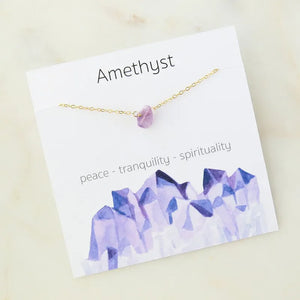
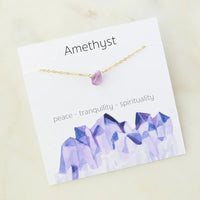
The piece they're describing → Stone Charm Necklace for Women — Raw Natural Gemstone Pendant
Personalize Yours


