


- A cluster ring uses many small stones set tightly together to look like one bigger shape.
- Common styles are flower, starburst, oval or cushion clusters and vintage cluster rings.
- The trade-offs: strong sparkle for the price, but more places for dirt to collect and more small stones that can loosen.
- Cluster, halo, solitaire and three-stone differ in how many stones there are and where the focus sits.
- We do not sell a true cluster ring. Our closest styles are a halo ring and pave CZ rings.
Searches for cluster rings often mix up several styles, so this guide separates them. If you are comparing settings, our halo ring guide and solitaire ring guide cover the neighbors of the cluster, and the ring settings guide maps the whole family.
What Does a Cluster Ring Look Like?
A cluster ring shows a group of small stones arranged into one shape, usually round, oval, floral or radiating. Often the stones are the same size or graduate from a larger center to smaller edges, and they sit so close that the eye reads one unit. That is the core idea: spread the visual weight over many stones instead of one.
Because small stones are cheaper than one large stone of the same total width, clusters let you wear a bigger looking ring without paying for a single large stone. How much cheaper depends on the stones and the metal, so compare actual listings rather than assuming.
What Are the Main Cluster Ring Styles?
The main styles are flower, starburst, oval or cushion cluster, halo-like cluster and vintage cluster.
- Flower: a center stone with petal stones around it. Reads romantic and soft.
- Starburst: stones radiate outward like a sunburst, sometimes with tiny accent stones between the points. Reads bold.
- Oval or cushion cluster: stones packed into an oval or rounded square outline. Often used for a larger, more elegant look.
- Halo-like cluster: a center stone surrounded by a ring of smaller ones, which blurs into halo territory.
- Vintage cluster: clusters set in an antique inspired design, often with milgrain edges or a raised crown. Searches for "cluster ring vintage" usually mean this style, and the term can mean either an authentic antique or a modern ring in the same style.
Which Stones Are Used in Cluster Rings?
Cluster rings use diamonds, colored gemstones and cubic zirconia (CZ), and each has a different cost and durability profile.
| Stone | Hardness (approx., scale of 10) | Notes |
|---|---|---|
| Diamond | 10 | Hardest natural gem. Many small diamonds still add up in cost. |
| Sapphire or ruby | About 9 | Durable color. A common choice for colored clusters. |
| Moissanite | About 9.25 | Very hard, high sparkle, lab created. |
| Cubic zirconia | About 8 to 8.5 | Lab created, lower cost, can show more surface wear over years. |
| Softer gems (opal, pearl, morganite) | Under 8 | Prettier than durable for daily rings. Wear with care. |
Hardness values vary slightly by source, so treat them as approximate. For the CZ versus diamond comparison, see cubic zirconia vs diamond.
How Is a Cluster Ring Different From a Halo, Solitaire or Three-Stone Ring?
The difference is where the focus sits and how many stones carry it.
| Style | Stones | Look | Sparkle | Cleaning |
|---|---|---|---|---|
| Cluster | Many, grouped | One bigger shape | High | Fiddly |
| Halo | Center plus a ring of small stones | Center stone looks larger | High | Moderate |
| Solitaire | One | Simple, classic | Depends on stone | Easy |
| Three-stone | Three in a row | Symbolic, balanced | Moderate | Moderate |
| Pave band | Many on the band | Sparkle along the band | Medium to high | Moderate |
For the other settings, see our guides to three-stone rings, pave rings, and marquise rings, which are sometimes used as the petals of a flower cluster. The setting mechanics are explained in the planned prong setting guide and channel vs pave setting page.
What Are the Pros and Cons of a Cluster Ring?
A cluster ring gives plenty of sparkle for the price but asks for more cleaning and attention than a plain band.
- Sparkle: many facets catch light from many angles, so the ring looks lively. Pro.
- Price: a lot of small stones can cost less than one large stone of the same visual size. Pro, with the caveat that fine detail work adds labor cost.
- Snagging: raised petals and points can catch on knits, hair and gloves. Con, more so for tall starbursts.
- Cleaning: dirt and lotion collect between stones, so the ring needs regular gentle cleaning. Con.
- Stone loss: with many small stones, a loose one can be missed. Check the ring now and then. Con.
- Resizing: some cluster rings are hard to resize because of how the stones sit on the shank. Con, worth asking about before buying.
How Do You Wear and Stack a Cluster Ring?
Wear a cluster ring as the single focal point and pair it with plain, slim bands. Because the cluster already carries detail, pairing it with another busy ring makes the hand look crowded.
- Put a thin plain band next to it on the same finger or the next one over. Our ring stacking combos and stacking ring set guide show what sits well together.
- Keep metal tones consistent so the cluster reads as the star.
- For a statement look on the right hand, see the statement ring guide.
How Do You Choose the Right Size and Shape?
Choose the cluster's width to suit your finger: a smaller or oval cluster tends to look balanced on a short or narrow finger, while a larger round cluster suits a longer finger. Then get your ring size right, since cluster rings can be hard to resize. Our ring size guide shows how to measure at home.
Before you buy a cluster ring checklist
- Is each stone set securely, with no visible gaps or wobble?
- What are the stones, and does the listing say whether they are natural or lab created?
- How tall does the cluster sit above the finger?
- Is the ring sized, adjustable, or hard to resize?
- Can you clean around the stones with a soft brush?
How Do You Clean and Care for a Cluster Ring?
Soak the ring in warm water with a drop of mild dish soap, then brush gently with a soft toothbrush and rinse. This is general guidance for cubic zirconia and many hard stones. Avoid abrasive cleaners, and be careful with ultrasonic cleaners on any plated ring, since they can loosen stones or strip plating. Our full guide to cleaning cubic zirconia jewelry covers the steps, and the gold plated care guide adds plating specific advice. Soft stones such as opal and pearl need their own care and should not be soaked.
An Honest Note on Our Range
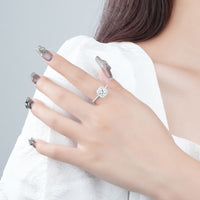
We do not sell a true cluster ring right now. Our closest pieces are a halo style and pave CZ rings, which share the idea of many small stones making one bigger look. All are listed as 925 sterling silver, and the plating and stones vary by page.
- Moissanite halo ring ($47.99): the listing names moissanite, CZ and 925 sterling silver. Its title and description do not match exactly, so check the stone details on the page before you buy.
- Micro pave CZ ring ($45.99): a 925 sterling silver ring with an 18K gold finish and cubic zirconia set in a pave style. Check the page for the sizing details.
- Pave CZ stacking ring ($34.99): a band covered in small CZ stones on 18K gold plated sterling silver, an inexpensive way to get the cluster sparkle in a band.
Gold plating wears gradually, especially on rings, so see our best CZ engagement rings and the adjustable rings collection for more options.
More in this guide
Related reading: ring settings guide, halo ring guide, solitaire ring guide, pave engagement ring guide and best cz engagement rings.
Frequently Asked Questions
What is a cluster ring?
A cluster ring is a ring where several stones are set close together to look like one larger stone, a flower or a starburst.
What is a cluster ring vintage style?
A vintage cluster ring is a cluster design in an antique inspired style, often with detailed edges and a raised shape. It can be a genuinely old ring or a new ring made in that style, so check the listing.
Is a cluster ring the same as a halo ring?
No. A halo ring has one center stone with a ring of smaller stones around it. A cluster has several stones grouped together, and the two overlap when the cluster has a larger center.
Is a cluster ring good for an engagement ring?
It can be, especially if you want a larger look for less. Consider the cleaning, snagging and resizing trade-offs first.
What is a gemstone cluster?
A gemstone cluster is a group of colored stones such as sapphires or garnets set together. The idea is the same as with diamonds.
Are cluster rings less valuable than solitaires?
Often they cost less for the same visual size, since small stones are priced differently from one large stone, but value depends on the stones and metal.
Can you stack a cluster ring?
Yes, with slim plain bands. Avoid stacking it with another busy ring.
How do you clean a cluster ring?
Soak in warm soapy water, brush gently with a soft brush, rinse and dry. Check that stones are secure afterward.
Written by AJLuxe Team. Last updated: October 2026
All third-party trademarks, brand names and product names are the property of their respective owners. AJLuxe is not affiliated with, endorsed by, sponsored by, or otherwise connected to any third-party brand referenced in this article. Brand names are used solely for accurate comparative reference, and material descriptions reflect each brand's own published product specifications at the time of writing.
You Might Also Like
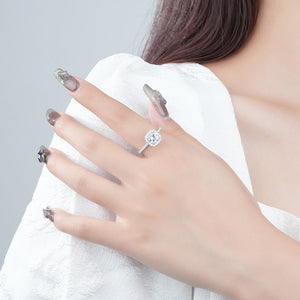
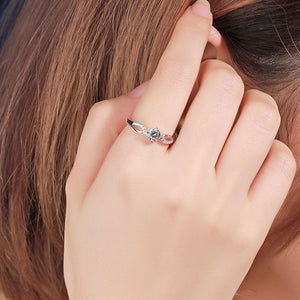
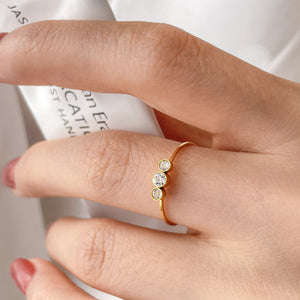
The piece they're describing → Moissanite Halo Ring — Sterling Silver, 18K White Gold, CZ
Personalize Yours


