


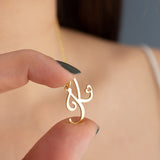
Store each piece individually to prevent tangles and scratches. Use anti-tarnish zip bags + silica gel packets for silver. Keep everything in a cool, dry, dark place — never in the bathroom. Gold-plated pieces deserve their own soft pouches. Necklaces should hang or lie flat, never pile.
Good jewelry can last decades — or tarnish, tangle, and scratch in weeks. The difference is almost entirely storage. Whether you have a collection of sterling silver necklaces, a few favorite gold-plated pieces, or a growing assortment of gemstone rings and earrings, how you store jewelry determines how long it stays beautiful. This guide covers the best storage methods for every jewelry type, what to avoid, and how to keep your pieces tarnish-free for years.
Why Jewelry Storage Matters

For packing jewelry specifically for a trip, see our jewelry travel organizer guide. Most jewelry damage happens not during wear, but during storage. Here is what goes wrong and why:
- Tangles: Fine chains left loose together knot within hours. Untangling a knotted chain often causes tiny kinks or broken links — especially in lightweight or delicate styles.
- Scratches: Harder gemstones scratch softer ones. Metal scratches metal. Diamonds can scratch rubies, sapphires can scratch silver, and rough storage surfaces scratch finishes over time. Scratches also accelerate tarnishing by creating uneven surfaces where sulfur compounds accumulate.
- Tarnish: Sterling silver reacts with sulfur compounds in air to form black silver sulfide. Humidity dramatically accelerates this reaction. Enclosed storage limits air exposure and slows tarnishing significantly.
- UV fading: Certain gemstones — including amethyst, rose quartz, and citrine — fade with prolonged exposure to direct sunlight. A sunny windowsill is one of the worst places to display or store gemstone jewelry.
- Heat damage: Sustained heat warps metal, melts the adhesives used in glued settings, and can crack certain crystals and resins. Keep storage away from heating vents and sunny spots.
Best Ways to Store Jewelry
1. Individual Anti-Tarnish Zip Bags
Anti-tarnish zip bags are the single most effective storage solution for silver jewelry. They create an airtight seal that limits air exposure, and most come with a built-in anti-tarnish strip that absorbs sulfur compounds before they reach your silver. A pack of 100 bags typically costs $5–$8 and will last years. Label each bag so you can find pieces easily.
Best for: Sterling silver chains, gold-plated silver, any piece you want to protect from tarnish long-term.
2. Jewelry Box with Individual Compartments
A fabric-lined jewelry box with separate compartments keeps pieces from touching each other, preventing both scratching and tangling. Velvet or microfiber lining is ideal — it is soft enough not to scratch metal and will not snag delicate chains. Look for boxes with ring rolls, earring slots, and chain compartments for full organization.
Best for: Mixed collections of rings, earrings, bracelets, and shorter necklaces.
3. Hook or Pegboard System for Necklaces
The best way to store necklaces — especially long, fine chains — is to hang them individually on hooks or a pegboard. This eliminates tangling completely and lets you see your entire collection at a glance. Install hooks on the inside of a closet door, a wall panel, or use a freestanding jewelry stand. Each necklace needs its own hook.
Best for: Long chains, layered necklace collections, everyday-wear necklaces.
4. Travel Jewelry Roll or Case
For travel, a jewelry roll keeps each piece in a separate fabric pocket and rolls up to protect everything together. Look for rolls with anti-tarnish lining and secure closures. Never pack jewelry loose in a bag — even a short trip can result in tangled chains and scratched stones.
Best for: Travelers, frequent flyers, anyone who moves jewelry between locations.
5. Drawer with Velvet Dividers
A dedicated jewelry drawer with velvet dividers or inserts works well for flat storage — earrings, rings, and bracelets in particular. Avoid using this for fine chains unless they are in individual bags or pouches first. Add anti-tarnish strips and silica gel packets to the drawer for added protection.
How to Store Jewelry by Type
| Jewelry Type | Best Storage Method | What to Avoid |
|---|---|---|
| Fine chain necklaces (silver, gold-plated) | Individual hook or anti-tarnish bag, laid flat | Piling with other chains; loose in a dish |
| Gold-plated jewelry (all types) | Soft individual pouch or anti-tarnish zip bag | Storing loose with other metal pieces (scratches plating) |
| Rings | Ring roll, foam ring insert, or compartmentalized box | Loose pile (hard stones scratch softer metals) |
| Stud earrings | Earring card, foam insert, or individual small compartments | Loose in a drawer (backs get lost) |
| Hoop and drop earrings | Earring stand or horizontal rack | Piling in a dish (hoops get scratched and bent) |
| Bracelets and bangles | Individual compartments, bracelet bar, or flat anti-tarnish pouch | Piling with necklaces; metal on metal contact |
| Crystal and gemstone jewelry | Individual cloth pouch, away from sunlight and heat | Sunlit windowsill, plastic bags, with harder stones |
| Statement or vintage pieces | Individual padded pouch or original box | Any loose contact with other jewelry |
How to Prevent Silver Jewelry from Tarnishing in Storage
Tarnish prevention during storage is about controlling two things: air exposure and humidity. Here are the most effective strategies:
- Anti-tarnish strips: The most effective passive protection. Anti-tarnish strips absorb sulfur compounds from the air inside your storage container before they reach silver. Replace every 3–6 months. These work in closed drawers, boxes, and bags.
- Silica gel packets: Absorb excess moisture from the air inside your storage area. Most effective in humid climates or bathroom-adjacent storage. You can reuse them: bake in the oven at 250°F for 30 minutes to restore their absorption capacity.
- Airtight containers: Anti-tarnish zip bags create an almost oxygen-free environment that dramatically slows the reaction between silver and sulfur compounds.
- Chalk: An old jeweler's trick — placing a piece of chalk in your jewelry drawer absorbs ambient moisture. Inexpensive and surprisingly effective.
- Clean before storing: Oils, sweat, and perfume left on silver will accelerate tarnishing during storage. Wipe pieces with a soft cloth before storing them.
For more detail on cleaning techniques before storage, see our full guide on how to clean silver jewelry.
Where NOT to Store Jewelry
Location matters as much as method. Avoid these common storage mistakes:
- The bathroom: Humidity from showers is the single biggest accelerator of silver tarnish. Even stored jewelry in a bathroom drawer is exposed to elevated humidity daily. Move jewelry storage to a bedroom or dressing room.
- A sunny windowsill: UV light fades gemstones (especially amethyst, rose quartz, and citrine), and the daily temperature cycle accelerates metal expansion and contraction. Never use a windowsill as long-term jewelry storage.
- A catch-all dish or bowl: Attractive on a vanity, terrible for jewelry. Pieces pile on top of each other, chains tangle, and harder gemstones scratch softer metals and stones constantly. Use a dish only as a quick drop spot for one or two pieces maximum — never for storage.
- Near heat sources: Heating vents, radiators, and even some light sources generate enough heat to warp softer metals, loosen glued settings, and dry out certain organic gemstones like pearls and opals.
- In rubber bands: Rubber contains sulfur compounds that react with silver. Never use rubber bands to bundle silver jewelry — even brief contact can accelerate tarnishing.
Travel Jewelry Storage — Keeping Pieces Safe On the Go
Travel is the highest-risk time for jewelry. Here is how to protect your pieces:
Once it's off for a workout, it still needs somewhere safe to go: see what jewelry to take off at the gym, and why.
- Use a dedicated travel jewelry case or roll: Choose one with individual fabric pockets for each piece and a secure closure. Anti-tarnish lining is a bonus for silver.
- Separate each necklace: Thread delicate chains through straws before laying them in your case — this keeps them from tangling completely.
- Carry fine jewelry in your carry-on: Never check valuable jewelry. Checked bags are subjected to temperature extremes, rough handling, and theft risk.
- Take only what you plan to wear: The fewer pieces you travel with, the lower the risk. Leave sentimental or high-value pieces at home.
- Use individual pouches: If you do not have a travel case, wrap each piece in a soft cloth or anti-tarnish pouch and place in a small toiletry bag — far better than loose in a cosmetics bag.
Frequently Asked Questions
How do you store jewelry to prevent tarnishing?
Store silver jewelry in airtight anti-tarnish zip bags with silica gel packets, in a cool, dry, dark location. Add anti-tarnish strips to jewelry boxes and drawers. The key is limiting air and humidity exposure — both accelerate the sulfur reaction that causes tarnish on silver.
How do you keep necklaces from tangling?
The most effective solution is to hang each necklace individually on its own hook. For storage in bags or cases, keep each necklace in its own separate compartment or pouch. For travel, threading chains through a straw keeps them from tangling in transit.
What is the best way to store gold-plated jewelry?
Gold-plated jewelry should be stored in its own individual soft pouch or anti-tarnish bag, separate from other pieces. The thin gold plating can be scratched by contact with harder metals or gemstones. Keep plated pieces away from chemicals, perfume, and humidity.
Can you store jewelry in plastic bags?
Only if they are specifically anti-tarnish zip bags. Regular plastic bags can trap moisture and some plastics emit compounds that accelerate tarnishing. Anti-tarnish bags (anti-tarnish zip styles) are specifically designed to absorb sulfur and are the preferred option for silver.
Where should I not store jewelry?
Avoid the bathroom (too humid), sunny windowsills (UV fades gemstones), anywhere near heat sources, and open catch-all dishes where pieces pile together. These locations are responsible for the majority of jewelry tarnishing, scratching, and UV damage.
Should jewelry be stored in individual bags?
Yes — especially sterling silver, gold-plated pieces, and anything with delicate gemstones. Individual storage prevents the metal-on-metal contact that causes scratches, and the enclosed space limits air exposure that causes tarnish.
How do you store rings?
Rings store best in a ring roll (soft fabric with individual finger-sized slots), a foam ring insert in a box, or individual compartments in a jewelry case. Storing rings in a loose pile causes harder gemstones to scratch softer metals and can chip stones.
How do you store earrings so you do not lose the backs?
Use an earring card (push the posts through the holes and put the backs on), an earring holder with small holes, or compartmentalized box sections where both the earring and its back live in the same slot. Dedicated earring organizers are inexpensive and solve the lost-back problem permanently.
Do silica gel packets help jewelry storage?
Yes — silica gel packets absorb ambient moisture inside your storage container, reducing the humidity that accelerates silver tarnishing and can damage some organic gemstones. Place 1–2 packets in your jewelry box or drawer. Recharge them by baking at 250°F for 30 minutes when they become saturated.
How do you store jewelry when traveling?
Use a dedicated travel jewelry roll with individual pockets, or individual soft pouches in a small case. Thread fine necklaces through straws to prevent tangling. Always carry valuable jewelry in your carry-on rather than checked luggage. Take only what you plan to wear.
Is it OK to store jewelry in a bathroom?
No — bathroom humidity from daily showers significantly accelerates silver tarnishing and can damage organic gemstones like pearls and opals over time. Store jewelry in a bedroom or dressing room away from consistent humidity sources.
Keep Your Jewelry Looking New
The right storage system costs very little and saves your jewelry from tarnish, tangles, and scratches that no amount of cleaning can fully reverse. Start with anti-tarnish zip bags for silver, individual hooks for necklaces, and a compartmentalized box for everything else — and your pieces will stay beautiful for years.
All AJLuxe sterling silver and gold-plated jewelry is designed to last. With proper storage, your pieces will look new long after you first wear them. Shop our full collection of personalized jewelry — necklaces, bracelets, rings, and more.
Written by the AJLuxe team — specialists in personalized sterling silver and gemstone jewelry. Last updated: June 2026.
Related reading: Jewelry storage ideas.
All third-party trademarks, brand names and product names are the property of their respective owners. AJLuxe is not affiliated with, endorsed by, sponsored by, or otherwise connected to any third-party brand referenced in this article. Brand names are used solely for accurate comparative reference, and material descriptions reflect each brand's own published product specifications at the time of writing.
You Might Also Like
The piece they're describing → Heart Initial Necklace for Women — 18K Gold Plated, Personalized Letter + Heart Pendant
Personalize Yours


