



A tangled necklace chain looks worse than it is. Underneath the mess, it's almost always one or two knots — not a hopeless snarl — and the fix is the same one jewelers use at the counter: two pins, a flat surface, and patience. This guide walks through that method step by step, plus what to do when the knot won't budge, what actually damages a chain while you're working on it, and how to stop it from happening again. For more detail, see our guide to fixing a tangled necklace chain.
Why Necklace Chains Tangle in the First Place
Fine chains tangle because they're flexible and lightweight — the same qualities that make them comfortable to wear make them easy to knot. Drop a chain in a jewelry box with other pieces, toss it loose in a bag for travel, or let a long chain slide around a drawer, and the links catch on clasps, other chains, or themselves. Once one loop crosses through another, movement pulls it tighter instead of looser — which is why a necklace that goes into a bag "a little tangled" often comes out in a solid knot.
Delicate chains — box chains, snake chains, and fine cable chains — tangle fastest because the links are small and close together. Thicker curb and figaro-style chains resist tangling better simply because there's more chain mass and less flexibility per link.
What You Need
Nothing specialized. Jewelers use the exact same household items for this.
- Two straight pins or sewing needles — the fine points get into gaps a fingernail can't. A single corsage pin or two sewing needles both work.
- A hard, flat surface — a table or countertop, not a soft surface like a bed or couch where the chain can shift while you work.
- Good light — a desk lamp or bright window. You need to actually see the knot's structure, not just feel it.
- Baby oil, or baby powder / cornstarch — for stubborn knots only. Oil reduces friction so loops slide against each other; powder does the same thing without leaving anything wet.
- A magnifying glass (optional) — helpful for very fine chains where the knot is small and tightly wound.
- Tweezers (optional) — useful for pulling a loosened loop the rest of the way through once a pin has opened it up.
How to Untangle a Necklace Chain: Step by Step
This is the two-pin method — the standard approach jewelers use, because it works the knot loose from the outside without adding tension anywhere.
- Lay the necklace flat. Set it on a hard, flat surface under good light. Spread the chain out as much as you can without pulling on the knot itself, so you can actually see where the tangle starts and ends.
- Find the loosest point. Look at the knot closely. There's almost always one loop that's looser than the rest — that's your starting point. Working from a tight spot first only tightens the rest of the knot.
- Anchor the knot with one pin. Hold the knot in place by pressing the tip of one pin gently into its center. This keeps the whole tangle from sliding around while you work the second pin.
- Use the second pin to open the loosest loop. Slide the tip of the second pin into that loosest loop and gently widen it — don't yank, just ease it open a millimeter at a time.
- Work the chain through the opened loop. Once the loop is open enough, use the pin tip (or tweezers) to guide the rest of the chain through it. This undoes one full loop of the knot.
- Repeat on the next loop. Most tangles are two or three loops layered over each other, not one giant knot. Repeat the anchor-and-open process on each remaining loop until the chain lies flat and straight.
- Lay it flat and check the clasp. Once untangled, lay the chain out straight and check the clasp still opens and closes properly — tangling puts stress on the clasp mechanism, and a bent clasp is a separate, easy fix (or a sign it's time to replace just the clasp).
Most tangles come apart in 5–15 minutes with this method. A knot with several tight loops layered together can take up to 30 minutes — go slowly rather than forcing it, since forcing is what turns a fixable knot into a broken chain.
When the Knot Won't Budge: Oil and Powder Methods
Some knots are pulled tight enough that a dry pin can't get purchase. Reducing friction first makes the two-pin method work again.
Baby oil method: Place one small drop of baby oil directly on the knot. Let it sit for one minute so it works into the gaps between loops. Then use the two-pin method as above — the loops will slide against each other much more easily. Wipe the chain clean with a soft cloth afterward; leftover oil attracts dust and grime.
Baby powder or cornstarch method: Dust a small pinch of baby powder or cornstarch directly onto the knot and work it in gently with your fingers. The fine powder gets between the links and cuts friction the same way oil does, without leaving the chain wet. This is the better choice for chains with pearls, porous stones, or glued elements, where oil isn't safe to use. Brush the powder off with a soft, dry cloth once the chain is untangled.
Either method pairs with the same two-pin technique — the oil or powder just makes each loop easier to open.

What Not to Do
These are the instincts that make a tangle worse, not better.
Don't pull the two ends apart. This is the single most common mistake. Pulling from the ends cinches every loop in the knot tighter at once — it's the exact opposite of what untangles a knot.
Don't use pliers or tweezers to force a loop. Metal tools with any grip strength can nick, scratch, or snap a fine chain link. Pins are the right tool because their tips are narrow enough to slide into gaps without gripping.
Don't use fingernails only, on a badly tangled chain. Fingernails work fine on a loose, simple snarl. On a tight multi-loop knot, they slip and tend to pull the whole tangle tighter without you noticing.
Don't reach for scissors unless the chain is otherwise a total loss. Cutting a chain to "solve" a tangle is permanent and, in almost every case, unnecessary — even bad knots come apart with patience and the pin method.
Tangle Severity: Which Method to Use
| What you're looking at | Best method | Typical time |
|---|---|---|
| One loose loop or simple crossover | Two-pin method, dry | 1–5 minutes |
| Two or three loops layered together | Two-pin method, working one loop at a time | 5–15 minutes |
| Tight, dense knot that resists the pin | Baby oil or powder, then two-pin method | 15–30 minutes |
| Very fine chain (under 1mm), small tight knot | Powder method with a magnifying glass and fine needles | 20–40 minutes, go slowly |
| Knot plus a bent or damaged clasp | Untangle first, then have a jeweler check or replace the clasp | Untangling as above + a short jeweler visit |
When to Take It to a Jeweler Instead
Most tangles are worth untangling yourself — it costs nothing and the two-pin method works on the vast majority of knots. A jeweler is worth it when the chain is genuinely fine or delicate enough that you're worried about breaking it, when you've worked at a knot for 30+ minutes without progress, or when untangling reveals a damaged clasp or a weakened link that needs proper repair rather than a home fix (see how to fix a broken necklace chain). Many local jewelers will untangle a necklace for free or a small fee, especially if you're already a customer — it's a quick job for someone doing it daily with the right tools.
How to Prevent Tangling Next Time
The two-pin method works, but the better fix is not needing it. A few habits eliminate most tangling before it starts, and our full guide to jewelry storage ideas covers the rest:
- Store necklaces separately, not piled together. Use a jewelry box with individual hooks or compartments, or hang chains from a jewelry stand so they hang straight and don't touch each other. See our full guide on how to store jewelry to prevent tangles, tarnish and scratches.
- Clasp the necklace before storing it. A closed loop can't unravel into a snarl the way an open chain can — always fasten the clasp even when the necklace isn't being worn.
- Use a straw or small pillbox for travel. Threading a fine chain through a drinking straw and fastening the clasp keeps it straight inside a bag — the classic travel trick that actually works.
- Be deliberate about layering. Layered necklaces tangle fastest of all, since multiple chains move against each other all day. Our guide on how to layer necklaces without tangling covers length spacing and clasp placement that prevents this.
- Choose a slightly heavier chain style for daily wear. If a particular necklace tangles constantly, a curb, figaro, or paperclip-style chain resists knotting far better than a fine box or snake chain. Our guide to chain necklace styles breaks down which styles hold up best to daily wear.
Browse our chain necklace collection — every style from delicate box chains to sturdier curb and figaro chains in 925 sterling silver and 18K gold plating, so you can pick a chain that matches how you actually wear it, not just how it looks in the box.
Frequently Asked Questions
What is the easiest way to untangle a necklace chain?
The two-pin method: lay the necklace flat on a hard surface, anchor the knot with one pin, and use a second pin to gently widen the loosest loop first, working one loop at a time until the chain lies flat. It's the same method jewelers use and works on the vast majority of tangles without any special tools.
How do you get a really tight knot out of a chain?
Add a drop of baby oil or a light dusting of baby powder or cornstarch directly on the knot first. This cuts friction between the links so the two-pin method can actually move the loops instead of them sticking to each other. Work slowly — tight knots take longer, but forcing it risks breaking a link.
Does baby powder untangle necklaces?
Yes — it's one of the two standard friction-reducing tricks (along with baby oil) for stubborn knots. Dust a small pinch onto the knot, work it in gently with your fingers, then use the two-pin method. It's the better choice for chains with pearls or porous stones, since it doesn't leave the piece wet the way oil does.
Will jewelers untangle necklaces?
Yes, most jewelers will untangle a necklace, often for free or for a small fee — it's a quick, routine task for them. It's worth doing if the chain is very fine and delicate, if you've worked at the knot yourself for 30+ minutes without progress, or if untangling reveals a damaged clasp that needs proper repair.
How do you release a tangled necklace without breaking it?
Never pull the two ends apart — that tightens every loop in the knot at once and is the most common cause of a chain snapping. Instead, work the knot loose from the outside in with two pins, widening one loop at a time, and add oil or powder first if the knot resists.
Final Thoughts
A tangled chain feels like a bigger problem than it is. Underneath the mess it's usually one to three loops, and the same two-pin method that works at the jewelry counter works just as well on a kitchen table. Go slow, work from the loosest loop, and reach for oil or powder before you reach for pliers or scissors.
If a chain tangles every time you wear it, that's usually telling you something about the chain itself, not how you're storing it. See our guide on types of chain necklaces to find a sturdier style, or browse our chain necklace collection for pieces built to hold up to daily wear.
Written by the AJLuxe team — specialists in 925 sterling silver and 18K gold plated jewelry. Last updated: July 2026.
All third-party trademarks, brand names and product names are the property of their respective owners. AJLuxe is not affiliated with, endorsed by, sponsored by, or otherwise connected to any third-party brand referenced in this article. Brand names are used solely for accurate comparative reference, and material descriptions reflect each brand's own published product specifications at the time of writing.
You Might Also Like
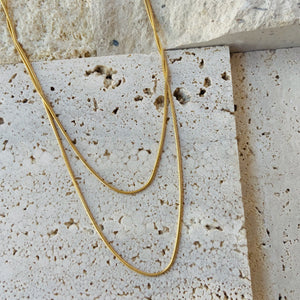
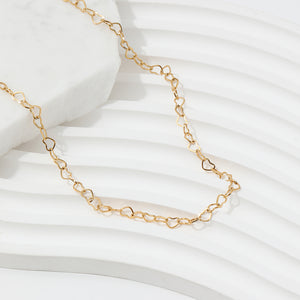


The piece they're describing → Layered Choker Necklace for Women — 18K Gold Plated
Personalize Yours


