

- 316L is a stainless steel grade. The L stands for low carbon (0.03% maximum versus 0.08% in plain 316).
- It differs from the common 304 grade mainly by adding molybdenum, which improves corrosion resistance.
- It is not silver, even when it is silver colored, and it is not nickel free.
- Many pieces carrying 316L have a gold or rhodium style plating on top, and plating wears gradually.
- Many pieces are not stamped at all, so the listing or seller is often your only source for the grade.
You have probably seen 316L in a product title, on a small tag or stamped inside a ring, and wondered whether it is good. In short, it is a respected stainless steel grade, but a grade name is not a promise about every part of the piece. This guide explains what the letters and numbers mean, how 316L compares with 304 and sterling silver, and what the mark cannot tell you. For the skin question specifically, read our full stainless steel hypoallergenic guide; this page focuses on reading the mark.
What does 316L stand for?
The number 316 names a stainless steel grade, and the L means low carbon: the "L" version holds no more than 0.03% carbon, while standard 316 allows up to 0.08%. Both grades contain roughly 16 to 18% chromium, 10 to 14% nickel and 2 to 3% molybdenum, according to standard composition tables. The lower carbon makes 316L easier to weld and less prone to a weakness called sensitization, which is why it is widely used in medical and marine settings.
For jewelry, this means 316L is a stable, corrosion resistant steel that holds a polish, does not rust in everyday wear and takes plating well. Our guides to whether stainless steel jewelry is good and whether it tarnishes cover daily wear in more detail.
316L vs 304: what is the difference?
The main difference is molybdenum: 316L contains about 2 to 3% and 304 contains none, which gives 316L better resistance to salt, chlorides and sweat. 304 is the other very common jewelry steel and is perfectly adequate for pieces that see little exposure. Supplier guides often recommend 316L for earrings, rings and bracelets, and say 304 can be enough for pendants and chains that touch the skin less, though that is a cost choice rather than a rule.
| Feature | 316L | 304 |
|---|---|---|
| Molybdenum | About 2 to 3% | None |
| Corrosion resistance (salt, sweat) | Better | Good in dry, low exposure use |
| Nickel | Present, not nickel free | Present, not nickel free |
| Typical cost | Usually higher (supplier guides suggest 10 to 30%) | Lower |
| Common jewelry use | Earrings, rings, bracelets, anklets | Chains, pendants, low exposure pieces |
You cannot reliably tell 304 from 316L by eye, by weight or with a magnet, because both are austenitic steels that behave similarly. We explain the magnet side in is stainless steel jewelry magnetic.
Is 316L silver?
No. 316L has a cool, silver colored look, but it contains no silver; it is an iron based alloy. Sterling silver is stamped 925 and is 92.5% silver, as our guide to what 925 means on jewelry explains. If a listing calls a 316L piece "silver" without saying silver colored or silver tone, treat the word with caution. The two metals compare directly in sterling silver vs stainless steel and surgical steel vs sterling silver.
Is 316L hypoallergenic and nickel free?
316L is considered hypoallergenic for most wearers, but it is not nickel free: no stainless steel is, because nickel is part of the alloy. The nickel is bound tightly into the steel, which is why many people with mild sensitivities tolerate it, but someone with a strong nickel allergy may still react. This is general information, not medical advice, so ask a doctor if you have a known allergy. The full explanation, including nickel content versus nickel release, is in our hypoallergenic jewelry guide and nickel free jewelry guide. For a metal with no nickel, see titanium vs surgical steel.
Is 316L the same as surgical steel?
Often, yes, but "surgical steel" is a marketing phrase and not a guarantee of one grade. A general metals reference describes 316L as the preferred grade for medical implants and notes that surgical steel is made from subtypes of 316, so a seller using the phrase honestly usually means 316L. Because the term is used loosely, the safer habit is to ask for the actual grade, 316L, and not rely on the nickname.
What a 316L stamp or listing cannot tell you
A grade name describes the base steel only. It does not tell you the finish, the plating thickness, whether the whole piece is steel or only part of it, or how a particular wearer's skin will react. Keep these limits in mind.
- Plating. Gold or rhodium style layers over 316L wear gradually with friction, soap and sweat. The steel underneath stays, but the colored finish thins. See stainless steel jewelry plating explained and gold plated vs stainless steel.
- Other parts. Clasps, jump rings and stones may be made of something else. A 316L pendant on a different metal chain is only partly 316L.
- Stamps are claims. A maker's stamp is a statement by the maker, not an independent test, and many pieces carry no stamp at all.
- Water claims. Corrosion resistance is not the same as waterproof. Read waterproof vs water resistant jewelry before wearing any piece in a pool or the ocean.
Checklist: reading a 316L claim before you buy
- Is the grade named as 316L, or only "stainless steel" or "surgical steel"?
- Does the listing say what is on top (plain polish, 18K gold plating, rhodium style plating)?
- Does it describe the clasp and any stones, not just the main body?
- Does it avoid claiming "nickel free", "waterproof" or "never tarnishes"? Reliable sellers do not promise those for steel.
- Does it state the return policy in plain words?
An honest note on what we do
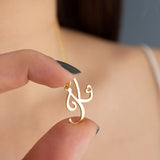
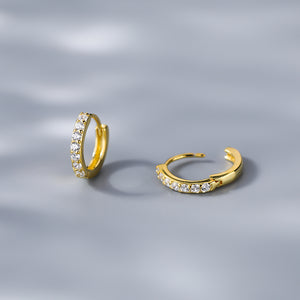
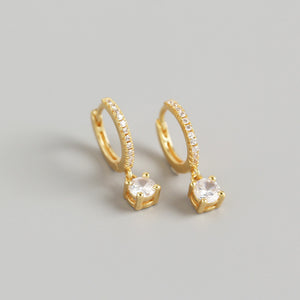
Many AJLuxe pieces are built on a 316L stainless steel base, including the Heart Initial Necklace, the Micro Pave Huggie Hoop Earrings and the Drop Huggie Hoop Earrings, finished in 18K gold plating. Other pieces are 925 sterling silver, so always read the product page for the base metal of the exact item. We do not call any of it nickel free, waterproof or tarnish proof, and the plating wears gradually with daily wear. We sell no solid gold, platinum or titanium. US orders ship free and returns are free. For care, see how to clean stainless steel jewelry, or browse everyday jewelry.
More in this guide
Related reading: hypoallergenic jewelry guide, jewelry hallmarks guide, titanium vs stainless steel earrings, hypoallergenic metal jewelry and stainless steel necklace for men.
Frequently Asked Questions
What does 316L mean on jewelry?
It names a low carbon grade of stainless steel. The "L" means the carbon content is capped at 0.03%, and the grade includes molybdenum for extra corrosion resistance.
Is 316L real silver?
No. It is a stainless steel alloy with no silver in it. Sterling silver is stamped 925.
Is 316L stainless steel good for jewelry?
Yes, it is one of the most widely used jewelry steels because it resists corrosion, holds a polish and takes plating well. It is a durable, affordable base, though plating on top will wear over time.
Is 316L stainless steel nickel free?
No. Nickel is part of the alloy, though it is bound into the steel. It is considered hypoallergenic for most people, but anyone with a strong nickel allergy should ask a doctor first.
What is the difference between 304 and 316L?
316L adds about 2 to 3% molybdenum, which improves resistance to salt and sweat, and has a lower carbon limit. 304 has no molybdenum and usually costs less.
Will 316L jewelry tarnish or rust?
It resists both well in normal wear, but no jewelry is guaranteed against marks, scratches or finish wear, and the plating on top does wear down. See our guide to whether stainless steel tarnishes for details.
Is 316L the same as surgical steel?
Often, but the term surgical steel is used loosely in marketing. Asking for the grade, 316L, is more reliable than relying on the nickname.
Can I wear 316L jewelry in water?
The steel itself handles water well, but the plating, stones and clasps may not, and we do not call our plated pieces waterproof. Take them off for swimming and long showers to keep the finish looking good.
Written by AJLuxe Team. Last updated: October 2026
All third-party trademarks, brand names and product names are the property of their respective owners. AJLuxe is not affiliated with, endorsed by, sponsored by, or otherwise connected to any third-party brand referenced in this article. Brand names are used solely for accurate comparative reference, and material descriptions reflect each brand's own published product specifications at the time of writing.
You Might Also Like
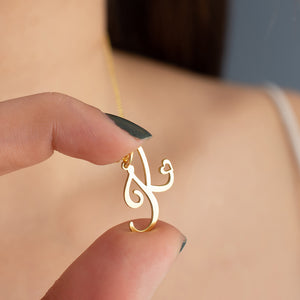
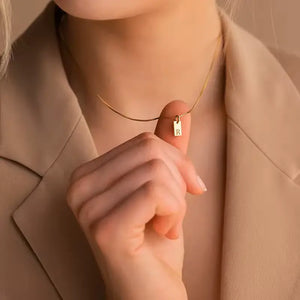
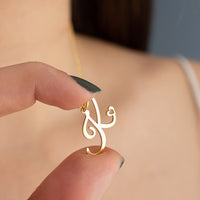
The piece they're describing → Heart Initial Necklace for Women — 18K Gold Plated, Personalized Letter + Heart Pendant
Personalize Yours


