


- Rarest gemstone: painite, ranked by the number of facetable gem-quality stones known to exist.
- Top 10 in this guide: painite, musgravite, red beryl, grandidierite, taaffeite, serendibite, jeremejevite, benitoite, Paraiba tourmaline and alexandrite.
- Rare is not the same as valuable: a fine diamond or ruby can cost more than a rarer stone because far more buyers want it.
- Most of these stones are sold loose to collectors and almost never appear in ordinary jewelry.
- If you love the color but not the auction price, lab-created and similar-looking stones are the realistic route.
Diamonds are called "rare" in nearly every ad, but real gemological rarity looks nothing like a diamond counter. The stones below are ones most working jewelers never handle in a whole career. Some come from a single river valley or mountain range, some were only identified within the last century, and some almost never form in a crystal clean enough to cut. Here is how we ranked them, why the ranking is debatable, and what you can actually buy.
The 10 Rarest Gemstones in the World, Ranked
This ranking orders gems by how few gem-quality, facetable stones exist, using gemological references and dealer reports. It is a judgment call: published lists disagree, and the order below is ours.

| Rank | Gemstone | Why it is rare | Main sources | Indicative price per carat (faceted) |
|---|---|---|---|---|
| 1 | Painite | Only a handful of crystals were known for decades; cut stones are still very few | Myanmar | Tens of thousands of dollars for fine stones (reported) |
| 2 | Musgravite | Clean, facetable crystals almost never form | Australia, Sri Lanka, Madagascar | Tens of thousands (reported, very few sales) |
| 3 | Red beryl | Gem-grade crystals come almost only from one region of Utah and are tiny | Utah, USA | Thousands to over $10,000 (reported) |
| 4 | Grandidierite | Most material is opaque; transparent facet-grade stones are scarce | Madagascar | Thousands to tens of thousands (reported) |
| 5 | Taaffeite | Rare mineral chemistry, found only in tiny amounts | Sri Lanka, Tanzania | Roughly $2,500 to $35,000 (reported) |
| 6 | Serendibite | Most known stones are under a carat | Sri Lanka, Myanmar | Roughly $10,000 to $20,000 (reported) |
| 7 | Jeremejevite | Transparent, cuttable crystals are very limited | Namibia | Few sales, no reliable range |
| 8 | Benitoite | One famous source, and most cut stones are under a carat | California, USA | Roughly $3,000 to $8,000 (reported) |
| 9 | Paraiba tourmaline | Neon copper color from a very small original find | Brazil, Mozambique, Nigeria | Thousands to tens of thousands |
| 10 | Alexandrite | Original Ural deposits are exhausted; fine color change is scarce | Brazil, Sri Lanka, East Africa | Roughly $12,000 and up for fine stones (reported) |
Prices are indicative asking-price ranges quoted by specialist dealers, not appraisals. They move with size, color and clarity, and for the rarest stones there are too few sales to set a true market price.
Wondering how "rare" relates to the old "precious" and "semi-precious" labels? Our guide to precious vs semi-precious stones explains why those labels are a poor guide to value.
1. Painite
Painite is the rarest gemstone because, for decades, only a handful of crystals were known anywhere. A British mineralogist found the first specimen in Myanmar in the 1950s, and it was catalogued as a new mineral rather than a known gem. New deposits near Mogok in the early 2000s brought thousands of rough pieces to market, but most are small or too included to cut, so faceted painite is still extremely scarce. It is a brownish red to orange-red stone with a Mohs hardness of about 8, and gem-grade stones are generally sold to collectors, not set into jewelry.
2. Musgravite
Musgravite is among the rarest gems because clean, facetable crystals almost never form. It is chemically related to taaffeite and was first identified in 1967 in Australia's Musgrave Ranges. Small amounts have since turned up in Sri Lanka, Madagascar, Greenland and Antarctica, but only a few cut stones surface in a decade, usually grey-green to purplish and under a few carats.
3. Red Beryl
Red beryl is rare because gem-quality crystals come almost entirely from a single region of Utah, and the crystals are tiny. It belongs to the same mineral family as emerald and aquamarine, with a Mohs hardness of 7.5 to 8. Geological surveys have described it as thousands of times rarer than gold, and most faceted stones weigh well under a carat. You may see it called bixbite, but that name is discouraged because it is easily confused with another mineral.
4. Grandidierite
Grandidierite is rare because nearly all of it is opaque, and transparent, cuttable crystals are exceptional. It was first described in Madagascar in the early 1900s and named for a French naturalist. Facet-grade stones are a blue-green color and mostly come from Madagascar, with smaller finds elsewhere, and clean cut stones are usually small.
5. Taaffeite
Taaffeite is rare because it is a mineral with an unusual chemistry that forms only in tiny quantities. It is the only gem species first recognised from a finished, cut stone: in 1945 a Dublin gemologist noticed that a stone sold to him as spinel behaved differently under testing. Small amounts have since come from Sri Lanka and Tanzania, in lavender, mauve and violet shades.
6. Serendibite
Serendibite is rare because the vast majority of known stones weigh less than a carat. It was first found in Sri Lanka (its name comes from Serendib, an old name for the island) in the early 1900s, and has since been reported from Myanmar and Madagascar. Colors run from deep blue-green to near black, and a large clean faceted stone is among the rarest objects a collector can own.
7. Jeremejevite
Jeremejevite is rare because transparent crystals clean enough to facet are very limited. It is an aluminum borate best known for well-formed crystals from Namibia, in pale blue to colorless shades. Most specimens stay in mineral collections as natural crystals, so cut stones almost never appear for sale.
8. Benitoite
Benitoite is rare because the only significant source of gem-quality crystals is a small area of San Benito County in California, and most cut stones are under a carat. It was found there in 1907 and became California's state gem in 1985. It is softer than most gems (about 6 to 6.5 on the Mohs scale) and shows a vivid blue glow under ultraviolet light. Production from the original mine is small and irregular, so supply is tight even though the source is not fully worked out.
9. Paraiba Tourmaline
Paraiba tourmaline is rare because its glowing neon blue to turquoise color comes from copper, which almost never shows up in tourmaline. It was discovered in Brazil's Paraiba state in the late 1980s, and similar copper-bearing tourmaline has since been found in Nigeria and Mozambique. Fine stones from the original Brazilian find usually command the highest prices, and clean stones above a few carats are scarce.
10. Alexandrite
Alexandrite is rare because the original Ural Mountain deposits it was discovered in during the 1830s are long exhausted, and fine color change is hard to find in today's sources. It is a chrysoberyl that shifts from bluish green in daylight to purplish red under incandescent light, and it was named for the young future Russian tsar. Smaller supplies now come from Brazil, Sri Lanka and East Africa, and stones that change color strongly and cleanly are the ones priced highest. Read more about alexandrite meaning and symbolism.
How Is Gemstone Rarity Measured, and Why Do Lists Disagree?
There is no official rarity index for gemstones, which is why no two top-10 lists match. Writers usually weigh some mix of four things: how many localities produce the stone, how many gem-quality crystals have ever been found, how large and clean those crystals are, and how much material reaches the market. Painite ranks first on "few known crystals" but drops lower on a list that counts only stones for sale today, because new finds changed the picture. A list built on price pushes red diamonds and imperial jadeite to the top instead, since those are scarce but also heavily demanded. We used the number of facetable, gem-quality stones as the tie-breaker, and we flag where sources conflict.
Which Gemstones Are Rarer Than Diamonds?
Every gem in the top 10 above is rarer than diamond when counted by gem-quality stones available. Diamonds are mined in many countries in large volumes, which is why even fine ones are routinely traded. A few other stones are rare for reasons beyond this list and are worth knowing:
- Red diamond: the rarest diamond color. Only a small number of true red stones are known, nearly all under a carat.
- Imperial jadeite: translucent emerald-green jadeite from Myanmar is rare as a top grade, with only a small share of rough reaching that quality.
- Natural pearl: natural saltwater pearls became very scarce once wild oyster beds were depleted, and cultured pearls now dominate the market.
- Tanzanite: violet-blue and found in commercial quantity only in one small area of Tanzania.
- Ammolite: an iridescent gem formed from fossilised shell, mined commercially in a limited area of western Canada.
Rare vs Valuable: Which Is the Most Valuable Gemstone?
The most valuable gemstones by price are not the rarest ones. Fine diamonds, rubies, emeralds and sapphires usually sell for more per carat than stones with far fewer examples, because an established global market of buyers is competing for them. As a reference point, a large fancy vivid pink diamond sold at auction in Hong Kong in 2017 for roughly $71 million, the highest price paid for any gem at auction at the time. Painite and musgravite have nothing like that depth of demand, so their prices are set by a handful of private sales and are harder to read.
Can You Actually Buy a Rare Gemstone?
Yes, but not easily and not cheaply. Painite, musgravite, grandidierite and jeremejevite are sold loose through specialist gem dealers, and many never get cut at all. Alexandrite, Paraiba tourmaline, red beryl and benitoite are the most realistic for collectors, but fine, certified stones still cost thousands of dollars. If you want a rare stone, buy from a dealer who provides an independent laboratory report and clear treatment disclosure, and be skeptical of any "painite" or "red beryl" listed at a bargain price, because look-alike and synthetic material is common.
If what draws you to this list is the color rather than the scarcity, there are honest ways to get it. Lab-created stones have the same chemistry as their natural counterparts at a small fraction of the cost, and many natural gems with similar color, such as blue topaz, amethyst or peridot, are widely available. To be clear, AJLuxe does not sell museum-grade rarities, and no everyday jewelry brand does. We make 925 sterling silver jewelry with 18K gold plating ($24.99 to $79.99), including gemstone necklaces and birthstone styles, for people who want the color without the auction price. See birthstones by month or learn whether lab-grown stones are real.
Frequently Asked Questions
What is the rarest gemstone in the world?
Painite is generally ranked as the rarest gemstone in the world. For decades only a handful of crystals were known, and although thousands of rough pieces have been found in Myanmar since the early 2000s, very few are clean enough to cut, so faceted painite remains extraordinarily scarce.
What are the 10 rarest gemstones?
The ten gemstones most often cited as the rarest are painite, musgravite, red beryl, grandidierite, taaffeite, serendibite, jeremejevite, benitoite, Paraiba tourmaline and alexandrite. Lists differ in order because there is no official rarity measure.
What gemstone is rarer than diamond?
Many are. Painite, musgravite, red beryl, taaffeite and grandidierite are all far rarer than diamond when you count gem-quality, facetable stones. Diamonds are mined in large volumes across many countries, while these stones come from one or a few small sources.
What is the most valuable gemstone?
By auction record, a large fancy vivid pink diamond holds the top price, at roughly $71 million in 2017. On a per-carat basis, top-quality red and blue diamonds, imperial jadeite and fine rubies are among the most valuable gems, though the rarest minerals can rival them in private sales.
What are the top 5 most valuable gemstones?
Rankings vary by size and quality, but the gems that most often lead value lists are fancy-color diamonds, imperial jadeite, fine rubies, fine emeralds and top-grade sapphires. Rare minerals like painite and musgravite sell for tens of thousands per carat, but trade too rarely to rank reliably.
Why are some gemstones more valuable than rarer ones?
Price is driven by demand and marketability as much as by scarcity. A diamond or fine ruby that is far more abundant than grandidierite can still cost more, because many buyers compete for it, while true rarities have almost no sales history to set a price against.
Can you buy painite as jewelry?
Rarely. Cut painite is sold loose through specialist gem dealers and collectors, and very few stones are set into finished jewelry. Expect high prices and ask for an independent laboratory report.
Is there a cheaper way to get the look of a rare gemstone?
Yes. Lab-created versions of natural gems, and widely available stones in similar colors, give you the look at a fraction of the cost, though they are not the same as owning a natural rarity.
All third-party trademarks, brand names and product names are the property of their respective owners. AJLuxe is not affiliated with, endorsed by, sponsored by, or otherwise connected to any third-party brand referenced in this article. Brand names are used solely for accurate comparative reference, and material descriptions reflect each brand's own published product specifications at the time of writing.
You Might Also Like
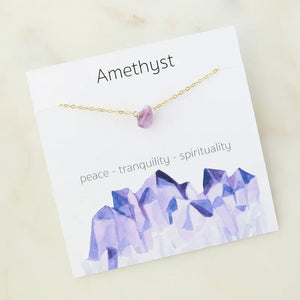
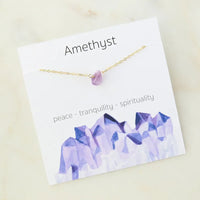
The piece they're describing → Stone Charm Necklace for Women — Raw Natural Gemstone Pendant
Personalize Yours


