


- Common bump types: pustule, granuloma, hypertrophic scar and keloid.
- Keloid sign: scar tissue that extends beyond the original injury, firm, sometimes shiny or darker than nearby skin.
- Timing: keloids can take three to 12 months to become noticeable and may keep growing for years.
- Higher risk: a personal or family history of keloids. Dermatology advice is to avoid piercing if you are prone.
- See a dermatologist if a bump grows, thickens or does not improve. Heat, pus or fever point to infection and need a doctor.
A bump on the earlobe or cartilage after a piercing is one of the most common, and most worrying, piercing problems. Most of the time it is something that settles with better care, but one type, the keloid, is a true scar that does not go away on its own. This guide describes the common kinds of piercing bump, what dermatology and medical sources say about keloids (who gets them, how they are treated, and why they return), and when a lump needs a doctor. It cannot tell you which one you have. If your bump is warm, painful or leaking, read our page on why earrings hurt your ears and see a doctor.
What Kinds of Bumps Form After an Ear Piercing?
The usual suspects are a pustule, a granuloma, a hypertrophic scar and a keloid, and a consumer health article we read describes them in exactly those terms. Use this as a vocabulary list, not a way to diagnose yourself.
| Bump | What the sources describe |
|---|---|
| Pustule | A blister or pimple containing pus. |
| Granuloma | A lump of trapped fluid that can form around ear or nose cartilage piercings (public health page). The consumer article places it about 6 weeks after a piercing. |
| Hypertrophic scar | A thick scar at the piercing site that can take weeks or months to fade. |
| Keloid | A scar that grows beyond the piercing site and may need professional treatment. |
The same consumer article lists possible causes as metal allergy (nickel is a common culprit and cheaper jewelry often contains nickel alloys), genetics, poor aftercare and "bad luck". It also says leaving the jewelry in while symptoms are present, because removing it may cause a painful abscess, which is a place where advice differs from keloid guidance (see below). If you suspect a metal reaction, our guide to allergic reaction to earrings may help.
What Is a Keloid on the Ear?
A keloid is a type of fibrous scar tissue that forms after an injury and, unlike other raised scars, extends beyond the original injured area. A US academic medical center page says most ear keloids form after ear piercing, and that a keloid can be shiny, smooth and darker than the surrounding skin. They develop slowly: the page says it may take three to 12 months to become noticeable, small ones may rise about a quarter inch above the skin, and they may keep growing for years. Keloids eventually stop growing but, per the same page, do not go away without treatment.
A national dermatology society page adds that keloids often form on the ear.
Who Is More Likely to Get a Keloid?
People with a personal or family history of keloids are at higher risk. The dermatology page says that if you have had a keloid or a blood relative has, you may develop one after piercing any part of your ear. The medical center page lists being Black, Hispanic or Asian, having ear piercings and a family history of keloids as risk factors. Its advice for a person who is prone is blunt: the dermatology page says the best way to prevent a keloid is to avoid ear piercings altogether.
How Can You Tell If It Is a Keloid or a Piercing Bump?
You usually cannot tell on your own; the useful clues are timing, growth and whether it spreads beyond the hole. A bump with pus, heat and soreness near a recent piercing sounds more like irritation or infection, while a firm, painless lump that slowly gets bigger and spreads past the hole is the pattern linked to keloids. A dermatologist can usually diagnose a keloid by examining it and can take a skin biopsy if another condition might be involved, according to the dermatology page. Other lumps, such as a cyst, exist too, and a clinician can tell those apart; that point is our own note, not drawn from the pages we read.
If a bump comes with swelling, heat, pus, fever or chills, treat it as a possible infection and see our page on infection signs, or go straight to a doctor.
Should You Take the Earring Out If You Think It Is a Keloid?
It depends on what the bump is, and the sources point in different directions. For a possible keloid, the dermatology society advises that at the first sign of thickening you immediately remove the earring and start wearing a pressure earring. For a new piercing that is still healing, the medical center page says to keep earrings in day and night until it has healed, and for a keloid that appears after healing, it says a provider may tell you to remove the earring and use a pressure earring, or to keep it in until they examine your ear. The consumer article says to leave jewelry in while symptoms are present.
Because the right move depends on the diagnosis, the practical answer is to get the bump looked at quickly rather than choosing yourself. The dermatology page also says a pressure earring may only work if you start it as soon as the skin thickens, and that re-piercing is advised against because you may develop another keloid.
How Do You Get Rid of a Keloid on an Ear Piercing?
Treatment is done by a clinician, often with more than one approach, and keloids can return. The dermatology society lists these options, and says they are often combined because combinations tend to work better than one alone:
- Corticosteroid injections. The page says between 50% and 80% of keloids shrink after injection, but many regrow within five years, and that injections are especially helpful on the ear.
- Surgical removal. The page says nearly 100% of keloids return after surgery alone, so surgery is usually paired with something else.
- Pressure earrings or garments. For earlobe keloids, a pressure earring can help prevent regrowth. The dermatology page says to wear it for at least 12 (preferably 20) hours a day for 4 to 6 months in the piercing context, and a separate treatment page says 12 to 20 hours a day for several months. The medical center page says up to 16 hours a day for six to 12 months. These figures vary, so follow your dermatologist.
- Silicone gel sheets, freezing (cryosurgery), laser, radiation and ligature. All are listed, each with trade-offs. The dermatology page notes cryosurgery can cause a permanent light spot on brown or black skin.
The treatment page's honest summary is that no treatment can consistently get rid of a keloid. We do not recommend any home removal. That is also why the medical center page says ear keloids are hard to treat and may return.
How Long Do Ear Keloids Last?
Without treatment they generally stay. The medical center page says keloids eventually stop growing but will not go away without treatment, and that they can keep growing for years. Smaller piercing bumps such as a hypertrophic scar can fade over weeks or months, according to the consumer article.
If You Are Keloid-Prone and Still Want Pierced Ears
Talk to a dermatologist first. The dermatology society's advice is that avoiding ear piercing is the best prevention, and that if you still want one, you should watch the earlobe closely and act quickly if the skin starts to thicken. Choose an experienced piercer in a licensed studio, keep up the aftercare your piercer gives you and, if you are healing a piercing, see our guide to earrings for new ear piercings and the types of ear piercings for placement differences. Cartilage piercings take longer to heal and are discussed in hypoallergenic cartilage piercing jewelry.
When to See a Doctor or a Licensed Piercer
See a doctor or dermatologist if the bump keeps growing, thickens, is not improving with better care, or you have a history of keloids. Seek care promptly for significant pain, swelling, thick or smelly discharge, yellow, green or gray discharge, fever or chills, since those can signal infection (consumer health article and medical center page). A licensed piercer can help with jewelry questions such as post length and fit, and a piercer may also suggest a change of jewelry for irritation bumps. For anything that looks like a growing scar, start with a dermatologist.
An Honest Note on Metals and Our Jewelry
Jewelry does not cure or prevent a keloid, and we do not claim ours does. A metal allergy can cause irritation bumps, though, which is why material matters once a piercing has healed. AJLuxe earrings are 925 sterling silver (many with 18K gold plating) or 316L stainless steel, and we do not sell implant-grade starter jewelry or pressure earrings. Our hypoallergenic ear piercing jewelry guide explains material choices honestly, and for healed ears our CZ stud earrings list a 925 sterling silver post. If you are prone to scarring, ask your dermatologist before wearing any new earring. Browse healed-ear options in our hypoallergenic earrings collection, and if you are wondering whether a piercing might close if you stop wearing earrings, see why earring holes close up.
More ear care guides
Frequently Asked Questions
How do I get rid of a keloid on my ear piercing?
A dermatologist treats it, often with steroid injections, pressure earrings, surgery or a combination, and keloids may come back. We do not recommend home removal.
Should I take my ear piercing out if I have a keloid?
A dermatology society advises removing the earring at the first sign of thickening and wearing a pressure earring. Other sources say to keep jewelry in until you are examined, so get the bump looked at promptly.
How long do ear keloids last?
They can keep growing for years and do not go away without treatment, according to a US academic medical center page. They can also return after treatment.
How can I tell if it is a keloid or a piercing bump?
A keloid spreads beyond the original hole, is firm and keeps growing over months. Pustules, granulomas and thick scars stay closer to the piercing. A dermatologist can confirm which it is.
What causes a bump on the earlobe?
After a piercing it can be a pustule, a granuloma, a thick scar or a keloid. Metal allergy, genetics and poor aftercare are listed as possible causes, and a clinician can tell you which applies.
Why do I have a bump behind my earlobe piercing?
A bump on the back of a piercing may be a granuloma, a trapped-fluid lump, rather than an infection, per a medical center page. If it grows, hurts or leaks pus, see a doctor.
Can I get my ears pierced if keloids run in my family?
The dermatology society says a family history raises your risk and that avoiding ear piercing is the best prevention. Talk to a dermatologist before deciding.
Sources
A national dermatology society public-education pages on keloid self-care, keloid treatment and caring for pierced ears, a US academic medical center patient page on ear keloids and another on infected ear piercings, a national public health service page on infected piercings, and a consumer health article on cartilage piercing bumps, all read 2026-10-08. Where sources disagreed we say so. This is general information and not medical advice.
Written by AJLuxe Team. Last updated: October 2026
All third-party trademarks, brand names and product names are the property of their respective owners. AJLuxe is not affiliated with, endorsed by, sponsored by, or otherwise connected to any third-party brand referenced in this article. Brand names are used solely for accurate comparative reference, and material descriptions reflect each brand's own published product specifications at the time of writing.
You Might Also Like
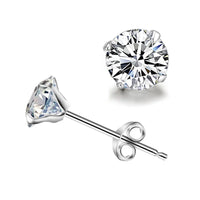
The piece they're describing → CZ Stud Earrings for Women — 925 Sterling Silver, Cubic Zirconia, Hypoallergenic
Personalize Yours


