


- 925 sterling silver (92.5% silver, 7.5% other metals, usually copper) is non-magnetic — silver and copper are both non-ferromagnetic.
- A magnet that sticks or pulls hard means a ferromagnetic core like steel — that piece isn't real sterling silver.
- A magnet test only rules out the obvious fakes. Nickel silver, pewter, and some stainless alloys are also non-magnetic, so passing the test alone doesn't prove a piece is genuine.
- Combine the magnet test with a visible "925" hallmark, weight, and tarnish behavior for a reliable read.
- Silver-plated brass or copper will pass a magnet test but still isn't solid sterling silver — the plating just wears off over time.
- AJLuxe jewelry is solid 925 sterling silver (with 18K gold plating on select styles), hypoallergenic, and gift-ready — every piece is stamped and non-magnetic by design.
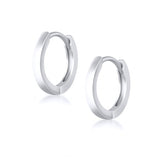
If you've ever held a fridge magnet up to a "silver" bracelet to see what happens, you're running a real jeweler's shortcut — it's just not the whole test. Genuine sterling silver won't respond to a magnet at all, which is exactly why AJLuxe's Silver Hoop Earrings ($31.99) are solid 925 sterling silver throughout, not a plated shell over something ferromagnetic. Below is how the magnet test actually works, where it falls short, and what to check alongside it before you trust a "silver" price tag.
Is Sterling Silver Magnetic? The Science Behind It
No — sterling silver is not magnetic because both metals that make it up, silver and copper, are non-ferromagnetic and don't respond to a magnetic field. A "925" stamp means the piece is 92.5% pure silver alloyed with 7.5% other metal, almost always copper for added strength (pure silver is too soft to hold a shape on its own). Neither silver nor copper has the electron structure that lets iron, nickel, or cobalt line up and get pulled toward a magnet, so a genuine sterling silver piece held against even a strong magnet will show zero pull, zero drag, and no resistance when you slide it away.

How to Test Silver with a Magnet (Step by Step)
Hold a strong magnet — a small neodymium (rare-earth) magnet works far better than a fridge magnet — directly against the piece and tilt it to about a 45-degree angle; genuine sterling silver will show no pull, no stick, and no drag as you move the magnet away. To run it properly:
- Use a strong magnet. Weak ceramic or fridge magnets are too weak to reveal even a moderately magnetic fake — a neodymium magnet gives a clean result.
- Press it directly against bare metal, not over an enamel coating, gemstone setting, or heavy oxidation.
- Tilt the piece to roughly 45 degrees and watch for any sliding resistance or click as the magnet catches.
- A clean, resistance-free slide away from the magnet is what real sterling silver does. Any pull, snap, or drag is a red flag.
What a Magnet Test Can't Tell You (Limitations)
A magnet test only rules out ferromagnetic fakes like steel or iron cores — it can't confirm a piece is genuine sterling silver, because several non-magnetic alloys mimic silver convincingly. Nickel silver (also sold as "German silver" or "Tibetan silver") contains no actual silver at all, yet it's a copper-nickel-zinc blend that's mostly non-magnetic and will pass the exact same test a real 925 piece passes. Pewter, aluminum, and silver-plated brass or copper behave the same way. In other words, a magnet test can catch an obvious fake but can't distinguish a real 925 stamp from a convincing look-alike — you need at least one more check to close that gap.
Other Ways to Tell If Silver Is Real (Beyond a Magnet)
Check for a visible "925" hallmark first — it's the single fastest legitimate signal, since reputable sellers stamp genuine sterling silver directly on the clasp, post, or inner band. Beyond the stamp, look at:
- Weight. Sterling silver is noticeably denser than aluminum or pewter — a piece that feels suspiciously light for its size is worth a second look.
- Tarnish. Real sterling silver darkens to a gray or black patina over months of wear from air exposure, because of the copper content. Metal that never tarnishes at all, or tarnishes in a greenish tint, usually isn't sterling silver.
- A jeweler's acid test. A professional can apply a drop of nitric acid to an inconspicuous spot; the color reaction identifies the metal definitively. This is the most reliable test short of lab assay, but it's destructive on a small scale, so it's a last resort, not a shopping-floor check.
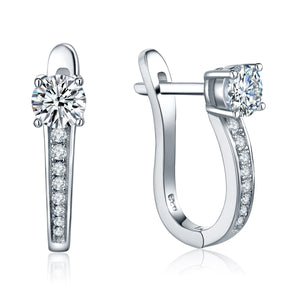
A piece with a clear, correctly stamped hallmark — like the moissanite stones set in AJLuxe's Moissanite Hoop Earrings ($49.99), which sit in solid 925 sterling silver rather than a plated alloy — gives you the stamp, the weight, and the non-magnetic result all lining up at once.
Sterling Silver vs Other "Silver" Metals: Which Ones Are Magnetic?
| Metal | Magnetic? | How to spot it |
|---|---|---|
| 925 Sterling Silver (AJLuxe) | No | Stamped "925", darkens to a gray-black patina over time, feels dense for its size |
| Silver-plated steel | Yes — strong pull | Magnet grabs it instantly through a thin plating layer |
| Silver-plated brass or copper | No | Passes the magnet test but shows a yellow or pink metal at worn edges within months |
| Nickel/"German" or "Tibetan" silver (no real silver) | Usually none, occasionally weak | Contains zero actual silver despite the name; frequently irritates sensitive skin |
| Stainless steel "silver-tone" | Mild to moderate | Slight magnetic pull, feels colder and harder than silver, no tarnish over time |
How Can You Tell Fake 925 Silver?
Fake 925 silver usually reveals itself through a missing or blurry hallmark stamp, a magnet that sticks or drags instead of sliding cleanly away, discoloration at edges or high-contact points where a plating layer has worn through, and a piece that feels lighter than its size suggests. Genuine 925 silver is stamped clearly (not scratched-on or uneven), keeps a consistent color everywhere — including spots that rub against skin or clothing daily — and darkens gradually rather than staying permanently bright or flaking at the surface. If a listing calls something "silver" without a 925 stamp anywhere in the description or photos, treat that as a warning sign on its own.

What Kind of Jewelry Will a Magnet Not Stick To?
Magnets won't stick to jewelry made from genuine precious or precious-adjacent metals — sterling silver, fine gold, platinum, titanium, and stainless surgical steel in its non-magnetic grades are all non-ferromagnetic, along with most gemstones and lab-grown stones like moissanite. This is exactly why the magnet test is a useful first screen: it's a quick way to eliminate steel-cored costume pieces before you even check for a hallmark, even though it can't confirm purity on its own.
18K gold plating option
Nickel-free, safe for daily wear
Boxed, no extra charge
Insured shipping, easy returns
Which Silver Test Should You Trust Before You Buy?
Use the magnet test as your first 10-second screen, but never let it be the only check — pair it with a visible 925 hallmark and consistent color at high-wear points before you hand over payment. A magnet quickly eliminates steel-core costume pieces, but it can't tell nickel silver or plated brass from the real thing, so the hallmark and wear-behavior checks are what actually confirm purity. Every piece in AJLuxe's collection, including the Silver Hoop Earrings ($31.99), is solid 925 sterling silver stamped accordingly, hypoallergenic, and shipped gift-ready — so the hallmark and the metal underneath actually match.
Frequently Asked Questions
How to tell if it's real silver with a magnet?
Hold a strong magnet directly against the metal and tilt the piece — genuine silver shows no pull, no stick, and slides away with zero resistance, while a piece with a steel or iron core will noticeably grab or drag against the magnet.
Does 925 sterling silver stick to magnets?
No, 925 sterling silver does not stick to magnets, because both silver and its alloying metal (usually copper) are non-ferromagnetic and don't respond to magnetic fields at all.
How can you tell fake 925 silver?
Fake 925 silver typically shows a missing or blurry hallmark, sticks to a magnet, discolors at edges where plating has worn through, and feels lighter than genuine sterling silver of the same size — any one of these on its own is a reason to look closer.
What kind of jewelry will a magnet not stick to?
Jewelry made from sterling silver, fine gold, platinum, titanium, and non-magnetic surgical steel won't stick to a magnet, since none of those metals are ferromagnetic — most genuine gemstones and moissanite are non-magnetic as well.
Can a magnet damage sterling silver jewelry?
No, a standard testing magnet won't damage sterling silver — since the metal isn't magnetic, there's no interaction that could scratch, demagnetize, or otherwise harm the piece from a brief magnet test.
Is sterling silver hypoallergenic as well as non-magnetic?
Genuine 925 sterling silver is generally considered hypoallergenic because it's nickel-free, which is the metal most commonly responsible for jewelry-related skin reactions — AJLuxe's sterling silver pieces are made specifically to be safe for sensitive ears and skin.
All third-party trademarks, brand names and product names are the property of their respective owners. AJLuxe is not affiliated with, endorsed by, sponsored by, or otherwise connected to any third-party brand referenced in this article. Brand names are used solely for accurate comparative reference, and material descriptions reflect each brand's own published product specifications at the time of writing.
You Might Also Like
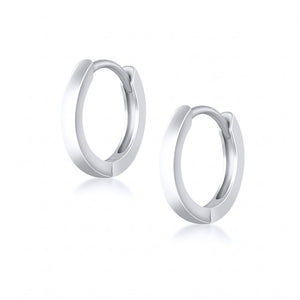
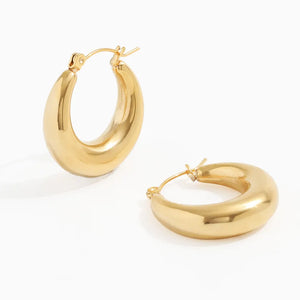

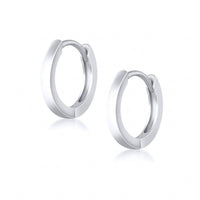
The piece they're describing → Silver Hoop Earrings for Women — 925 Sterling Silver, Hypoallergenic, Minimalist
Personalize Yours


