


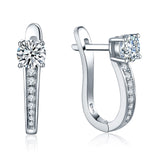
- Zinc alloy jewelry is not reliably hypoallergenic — many pieces are cut with nickel or other reactive metals to reduce cost
- Reactions typically show up as itching, redness, or green/black skin discoloration, especially with sweat or moisture
- "Hypoallergenic" isn't a regulated term in the US, so a listing that says it doesn't guarantee the metal is actually nickel-free
- Metals with a genuine track record for sensitive skin: 925 sterling silver, titanium, surgical-grade stainless steel, and niobium
- Showering or swimming in zinc alloy jewelry speeds up tarnishing and raises the odds of a skin reaction
- 925 sterling silver with 18K gold plating, like AJLuxe pieces, is nickel-free and hypoallergenic by design, not by luck
If you've ever put on a $12 pair of earrings and had your lobes turn red and itchy by dinner, you already know the answer to "is zinc alloy hypoallergenic" in your gut — you just want to know why, and what to buy instead. Zinc alloy shows up constantly in fast-fashion jewelry because it's cheap to cast and easy to plate, but "cheap to cast" and "safe for skin" are two different qualities, and zinc alloy only reliably delivers on the first one. Below is what zinc alloy actually is, what dermatology and jewelry-industry sources say about it, and which metals are worth paying more for if your skin reacts to costume jewelry.
What Is Zinc Alloy Jewelry, Exactly?
Zinc alloy jewelry is jewelry cast from a mixture of zinc combined with other metals — most commonly copper, aluminum, or magnesium, and in lower-quality pieces, nickel — then usually plated in gold, rhodium, or silver tone to hide the dull gray base metal underneath. It's the workhorse metal of the costume and fast-fashion jewelry industry because it melts at a low temperature, casts into fine detail cheaply, and takes plating well, which is why you'll see it marketed under names like "zinc alloy," "pot metal," or simply "alloy" on marketplace listings. The problem for sensitive skin isn't the zinc — it's that manufacturers rarely disclose the full alloy recipe, and nickel is a common, cheap addition that most buyers never see listed.
Is Zinc Alloy Safe to Wear on Skin?
Zinc alloy is safe to wear on skin for most people in the short term, but it's a poor choice for daily or long-term wear if you have known metal sensitivities, because the plating that coats it wears off with friction and sweat, exposing the base alloy underneath. Once that plating thins — usually within weeks of regular wear — whatever metals are in the base alloy start making direct, prolonged contact with skin. If nickel is part of that blend, that's exactly the exposure pattern (repeated, sweaty, unbroken skin contact) that causes nickel allergy to develop or flare in people who were previously fine with it.
What Are the Disadvantages of Using Zinc Alloy?
The main disadvantages of zinc alloy are that it tarnishes and oxidizes quickly, its plating chips or wears through within weeks to months, it's noticeably heavier and duller than precious metals before plating, and its undisclosed alloy mix makes allergic reactions unpredictable. Specifically:
- Green or black skin discoloration: the classic sign of base-metal jewelry reacting with sweat and skin oils, most common on fingers, ears, and necklines.
- Fast plating wear: gold or silver-tone plating on zinc alloy is typically thin and wears through with regular contact, humidity, or lotion/perfume exposure.
- Tarnish and dulling: zinc alloy oxidizes faster than sterling silver or titanium, so pieces look "cheap" again within a season.
- Unpredictable allergy risk: without a certified nickel-free label, you're trusting an unregulated claim, not a tested one.
- Weight and feel: zinc alloy is denser than silver or titanium, so pieces can feel heavier and less refined for the same size.
Can You Shower With Zinc Alloy Jewelry?
You shouldn't shower, swim, or exercise in zinc alloy jewelry, because water and moisture accelerate both the plating wear and the metal's tendency to tarnish or react with skin. Water gets underneath thinning plating faster than it evaporates, which speeds up oxidation of the base alloy and increases the chance of skin discoloration or irritation with repeated exposure. If you want jewelry you genuinely don't have to think about in the shower, gym, or pool, look for solid metals rated for moisture — 925 sterling silver, titanium, and surgical steel all tolerate water far better than a plated alloy.
What Is the Most Hypoallergenic Jewelry Metal?
Titanium and 925 sterling silver are widely regarded as the most reliably hypoallergenic jewelry metals, alongside surgical-grade stainless steel and niobium, because all four are naturally nickel-free (or nickel-free by standard) and don't require plating to look finished. Here's how the common options stack up:

| Metal | Hypoallergenic? | Tarnish resistance | Everyday notes |
|---|---|---|---|
| Zinc alloy | Not reliable — depends on undisclosed blend | Low; tarnishes fast once plating wears | Cheapest option; best for occasional wear only |
| 925 sterling silver | Yes, when nickel-free (925 standard) | Moderate; can tarnish, polishes back easily | Solid metal, not plated; takes 18K gold plating well |
| Titanium | Yes, among the safest for sensitive skin | Very high | Very lightweight; limited design/color range |
| Surgical stainless steel | Generally yes (low-nickel grades) | High | Durable and affordable; less luxe look than silver |
| Niobium | Yes, one of the safest known options | Very high | Common in piercings; harder to find in fashion jewelry |
18K gold plating option
Nickel-free, safe for daily wear
Boxed, no extra charge
Insured shipping, easy returns
Which Metal Should You Choose If You Have Sensitive Skin?
If your skin has ever reacted to costume jewelry, choose 925 sterling silver or titanium over zinc alloy — both are solid metals you can verify, not a plated blend you have to trust. Zinc alloy can be fine for a one-night statement piece you'll barely wear, but for anything going on your ears, neck, or fingers daily, the undisclosed alloy mix and thin plating make it a poor long-term bet if you've reacted to metal before. AJLuxe jewelry is made in 925 sterling silver with an 18K gold plating option, and every piece is nickel-free and hypoallergenic — not as a marketing label, but because sterling silver doesn't need nickel to hold its shape or shine the way zinc alloy does. Browse the collection at ajluxe.com if you're ready to replace a zinc alloy piece that's been bothering your skin with something built to actually be worn every day.

For more on nickel allergy and how it develops from everyday jewelry contact, see the American Academy of Dermatology: https://www.aad.org.
For sensitive ears and skin, browse AJLuxe's hypoallergenic jewelry collection.
Frequently Asked Questions
What are the disadvantages of using zinc alloy?
Zinc alloy's main disadvantages are fast plating wear, quick tarnishing, unpredictable allergy risk from an undisclosed metal blend, and a heavier, duller feel than precious metals before plating is applied.
Can I shower with zinc alloy jewelry?
You shouldn't shower or swim in zinc alloy jewelry, because moisture speeds up both plating wear and tarnishing, which raises the odds of skin irritation or discoloration over time.
What is the most hypoallergenic jewelry metal?
Titanium and 925 sterling silver are the most widely recommended hypoallergenic jewelry metals, followed closely by surgical-grade stainless steel and niobium, because all four are nickel-free and don't rely on plating to look finished.
Is zinc alloy safe to wear on skin?
Zinc alloy is generally safe for occasional, short-term wear, but it's a poor choice for daily wear on sensitive skin, since its plating wears off with friction and sweat and exposes an undisclosed base-metal blend that may include nickel.
Does zinc alloy jewelry tarnish?
Yes — zinc alloy tarnishes faster than sterling silver or titanium, especially once its gold or silver-tone plating starts to wear thin and the base metal is exposed to air and moisture.
How can I tell if jewelry is actually nickel-free?
Look for a specific nickel-free claim tied to a named base metal, such as 925 sterling silver or surgical-grade stainless steel, rather than a generic "hypoallergenic" label, since that term isn't regulated and can be used without testing behind it.
Related reading: What Is Alloy Jewelry? Metals, Quality, and What to Avoid (2026).
Related reading: Hypoallergenic jewelry guide.
All third-party trademarks, brand names and product names are the property of their respective owners. AJLuxe is not affiliated with, endorsed by, sponsored by, or otherwise connected to any third-party brand referenced in this article. Brand names are used solely for accurate comparative reference, and material descriptions reflect each brand's own published product specifications at the time of writing.
You Might Also Like
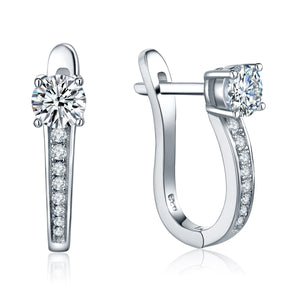
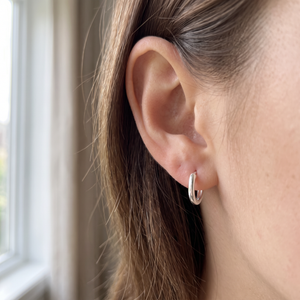
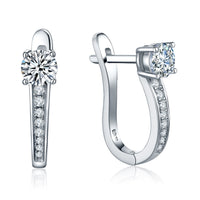
The piece they're describing → Moissanite Hoop Earrings for Women — 925 Sterling Silver, CZ, Hypoallergenic
Personalize Yours


