


The short answer
PVD stands for physical vapor deposition — an industrial vacuum process that fuses a coating onto metal at the molecular level, the same technology used on watch cases, surgical tools, and drill bits. On jewelry it produces a finish that is dramatically harder and longer-lasting than ordinary gold plating. The three things that make PVD jewelry worth buying are the base metal (stainless steel or titanium, not brass), the coating quality and thickness (a genuine, even 18K gold PVD layer), and honest expectations — PVD is far more durable than plating but is still a coating, not solid gold, so it can eventually wear at high-friction points. Match those and you get gold-look jewelry that survives showers, sweat, and daily wear for years.
Search "best PVD jewelry" and you'll find two kinds of pages: breathless brand ads that call PVD "indestructible," and skeptics who dismiss it as fast fashion. The truth is in the middle, and that's exactly the gap this guide fills. PVD (physical vapor deposition) is a real, proven coating technology — it's why a dive watch can keep its black finish for a decade — and when it's applied to a good base metal it produces genuinely long-lasting, waterproof, tarnish-resistant jewelry at a fraction of solid-gold prices. But it is a coating, and understanding what that means is the difference between a piece you love for years and one you're disappointed by in months.
Below we explain what PVD coating actually is, why it outlasts standard gold plating (with a side-by-side comparison against gold-plated, gold-filled, and vermeil), how to tell real PVD from marketing spin, whether it ever wears off — answered honestly — and how to shop for a piece that will hold up. Two things most thin "best PVD jewelry" roundups skip entirely: the base metal hiding under the coating, and the realistic lifespan at friction points. We cover both.

What PVD coating actually is
PVD stands for physical vapor deposition. Inside a vacuum chamber, a solid coating material — often a gold alloy, titanium nitride, or zirconium — is vaporized into individual atoms, which then condense and bond directly onto the jewelry's surface. The result is a coating measured in microns that is fused to the base metal at the molecular level, not simply layered on top of it.
That fusing is the whole point. Standard gold plating (also called electroplating) deposits a thin film of gold onto a base metal in a chemical bath, and that film sits on the surface where friction and skin chemistry can wear it away. PVD builds a harder, more tightly bonded surface that resists scratching, tarnishing, and corrosion far better. It's the same family of coatings used on high-end watch cases, eyeglass frames, aerospace parts, and cutting tools precisely because it survives abuse. When that technology is applied to a gold-tone finish over stainless steel, you get jewelry that keeps its color through showers, workouts, and years of daily wear.
The key thing to hold onto: PVD describes the process, not the base. A PVD coating is only as good as the metal underneath it. That's why the base metal — covered next — matters as much as the coating itself.
PVD vs. gold-plated vs. gold-filled vs. vermeil: the comparison most guides skip
This is the first thing thin roundups get wrong: they lump "PVD," "gold plated," and "gold filled" together as if they're interchangeable. They are not. They differ in how the gold is attached, how thick the gold layer is, and how long the finish lasts. Here's the honest side-by-side.
| Type | How the gold is applied | Durability & water resistance | Typical lifespan of finish |
|---|---|---|---|
| Gold PVD | Gold alloy vaporized and molecularly bonded in a vacuum, usually over stainless steel or titanium | Highest of the coatings; scratch-, tarnish-, and water-resistant, safe for daily and shower wear | Several years to a decade-plus with care |
| Gold plated (electroplated) | Thin gold film deposited in a chemical bath, often over brass | Low; wears and tarnishes with sweat, water, and friction | Months to a couple of years |
| Gold vermeil | Thicker gold electroplate (at least 2.5 microns) over solid 925 sterling silver | Moderate; better than standard plating but still a plated layer that can wear | A few years with careful wear |
| Gold filled | A thick layer of real gold mechanically bonded (pressure and heat) to a brass core, at least 5% gold by weight | High; thick gold layer resists wear and tarnish for a long time | 10 to 30 years with care |
The practical takeaway: for a gold-tone finish that survives water and daily wear at an affordable price, PVD is the most durable coating available. Gold filled can last even longer, but it's usually applied over brass and is far more common in wire-formed pieces than in gold-look chains and cast designs. If you want the deep dive on the plated-versus-solid question, our guide to gold plated vs. solid gold lays out where each finish makes sense, and whether gold-filled jewelry tarnishes explains how that thicker layer behaves over time. If you specifically want a gold-plated ring or pair of earrings rather than a PVD piece, see our guides to the best gold-plated rings and the best gold-plated earrings.
Why PVD lasts longer than standard gold plating
Three physical differences explain PVD's edge over ordinary electroplating:
- Molecular bonding, not surface layering. PVD fuses the coating to the base metal atom by atom inside a vacuum. Electroplated gold sits on the surface as a separate film, so it peels and rubs off more easily at edges and contact points.
- A harder surface. PVD coatings such as titanium nitride and gold alloys are significantly harder than a soft electroplated gold film, so they resist the micro-scratches that dull plated jewelry over time.
- A corrosion-resistant base. Quality PVD jewelry is built on stainless steel or titanium, which don't corrode or turn skin green. Cheap plated jewelry is usually built on brass, which oxidizes and bleeds through as the thin plating wears.
The combination is why PVD is trusted on products that live in harsh conditions — watch cases exposed to salt water, tools, and medical instruments. On jewelry, that translates into a finish you can shower, sweat, and swim in without the color fading in weeks. For the full picture on which finishes survive water, see our roundup of the best waterproof necklaces, and if the "waterproof" label itself confuses you, waterproof vs. water-resistant jewelry explains exactly what those claims should mean.
Is PVD jewelry waterproof and hypoallergenic?
Yes on both counts, when it's made correctly — and this is a major reason PVD has become the go-to finish for tarnish-free and waterproof jewelry lines.
Waterproof and tarnish-resistant: Because the coating is molecularly bonded and the base is typically stainless steel, water doesn't get under the finish to lift it, and the steel core doesn't rust. That means you can wear genuine PVD jewelry in the shower, at the gym, and in the pool without the color fading. (Chlorine and salt water are still best rinsed off afterward — more on that in the care section.) For the full answer, see our guide on how stainless steel resists tarnish.
Hypoallergenic: The most common cause of jewelry skin reactions is nickel leaching from a base metal as plating wears. PVD jewelry on a stainless steel or titanium base, coated with a nickel-free finish, sidesteps that problem — the hard, bonded coating keeps skin from contacting reactive metal. According to Jewelers of America, base-metal quality and finish integrity are core factors in whether jewelry is comfortable and durable for everyday wear — which is exactly what a good PVD-over-steel construction delivers. If sensitive skin is your priority, always confirm the piece is specifically labeled nickel-free, and see our list of the best tarnish-free jewelry brands for where PVD fits among skin-friendly options.

Does PVD jewelry ever wear off? An honest answer
This is the second gap thin roundups leave out — and the question buyers actually care about. Marketing pages love the word "permanent." The honest answer is: PVD is a coating, and no coating is truly permanent, but a quality PVD finish lasts years under normal wear, far longer than standard plating.
Where PVD does eventually show wear is at high-friction points — the inside of a ring band that rubs against a desk, a bracelet clasp that scrapes constantly, or a chain that catches on clothing daily. Even there, quality PVD outlasts electroplating by a wide margin. What accelerates wear is abrasion (hard knocks, gritty surfaces), harsh chemicals (bleach, strong cleaners, some perfumes and lotions applied directly over it), and constant friction. What it shrugs off easily: water, sweat, humidity, and ordinary tarnishing.
So set expectations honestly. If you want a gold-tone piece you can wear daily and in water for several years without babying it, PVD is the best coating for the job. If you want something that will look identical in 40 years and hold resale value, that's solid gold in a different price tier. PVD isn't "just fast fashion," but it also isn't solid gold — it's the most durable coating between those two, and priced accordingly.
How to identify real PVD jewelry (and avoid marketing spin)
Because "PVD" has become a selling point, some listings use it loosely. Here's how to verify you're getting the real thing before you buy:
| Check | What good PVD jewelry shows | Red flag |
|---|---|---|
| Base metal | Stainless steel or titanium, stated clearly | "Alloy," "brass," or base metal unstated |
| Coating described | "18K gold PVD" or "PVD coated," with a finish tone named | Just "gold" with no process named |
| Water & tarnish claim | Explicitly waterproof / tarnish-resistant / nickel-free | "Keep away from water" (that's plating, not PVD) |
| Warranty | A color or finish warranty of a year or more | No warranty and vague "long-lasting" wording |
The single most useful test is the "keep away from water" instruction. If a listing calls a piece PVD but then warns you to keep it dry, it isn't relying on a true PVD finish — genuine PVD over steel is water-safe by design. When the base metal is named as stainless steel or titanium and the finish is described as gold PVD with a tarnish-free or waterproof claim, you're looking at the real thing.
How to care for PVD jewelry so it lasts
PVD is low-maintenance, but a few habits stretch its lifespan:
- Rinse after chlorine or salt water. Water won't hurt the coating, but chlorine and salt residue left to dry are mildly abrasive over time. A quick freshwater rinse and pat dry handles it.
- Apply lotion and perfume first. Put jewelry on after your skincare and fragrance, so harsh solvents aren't sitting directly on the finish.
- Clean gently. Warm water, a drop of mild soap, and a soft cloth. Skip abrasive polishes and ultrasonic cleaners, which are meant for solid metal, not coatings.
- Store to avoid scratches. Keep pieces separated so harder items don't scrape the finish; friction is what wears PVD, not moisture.
Do these and a quality PVD piece keeps its color and shine through years of daily and in-water wear — the whole reason to choose it over standard plating.
Best PVD jewelry to shop at AJLuxe
Want the technical head-to-head? See our dedicated PVD vs gold plated comparison guide for hardness numbers, water resistance, and cost breakdowns.
AJLuxe's PVD offering is built the right way — an 18K gold PVD finish over a durable base for a warm gold tone that stands up to everyday and water wear far better than ordinary plating. If you want to start with one versatile piece:
- Everyday layered gold look: our 18K Gold PVD Double-Row Snake Chain Necklace — a double-row snake chain with an 18K gold PVD finish that delivers a built-in layered look in one piece, made to keep its color through daily wear.
- Browse everything: the full AJLuxe collection for more gold-tone and tarnish-resistant styles to build a stack.
One honest note on the catalog: AJLuxe's dedicated PVD line is currently anchored by the double-row snake chain above rather than a broad PVD range, so if you want a specific PVD ring or bracelet, check the product description for the base metal and finish before buying. The snake chain is the clearest true-PVD piece in the collection and the best starting point for the finish.
Shop This Guide
Our 18K Gold PVD Double-Row Snake Chain Necklace — a genuine PVD-finished gold-tone chain built for daily and water-friendly wear, with a layered double-row look in a single piece.
Shop the 18K Gold PVD Snake Chain NecklaceHow to choose PVD jewelry: a quick decision path
- Confirm the base metal first. Stainless steel or titanium — not brass or unnamed "alloy." The base decides whether the coating has something solid to bond to.
- Verify it's actually PVD. The listing should name the process ("18K gold PVD") and claim water/tarnish resistance, not tell you to keep it dry.
- Check for a nickel-free claim if you have sensitive skin, so the finish stays comfortable as well as durable.
- Match your expectations to the finish. Want durable gold-tone for years of daily and water wear at an affordable price? PVD. Want something identical in decades with resale value? Solid gold.
- Look for a finish warranty. A year or more of color warranty signals the maker trusts their coating.
Written by the AJLuxe Team. Last updated: July 2026. According to Jewelers of America, the quality of a piece's base metal and the integrity of its finish are core factors buyers should evaluate before purchase — guidance that applies directly to PVD jewelry, where a stainless steel or titanium base and a well-bonded coating are what separate a piece that lasts years from one that wears in months.
Frequently Asked Questions
What does PVD mean in jewelry?
PVD stands for physical vapor deposition, a vacuum process that vaporizes a coating material and bonds it to the jewelry's base metal at the molecular level. In jewelry it usually means a gold-tone or black finish fused onto stainless steel or titanium, producing a harder, longer-lasting surface than ordinary electroplating.
Is PVD jewelry better than gold plated?
Yes, for durability. PVD bonds the coating molecularly to a corrosion-resistant base like stainless steel, so it resists scratching, tarnishing, and water far better than standard gold plating, which lays a thin gold film over brass that wears off in months. PVD is the most durable of the gold-tone coatings.
Does PVD jewelry wear off?
A quality PVD finish lasts for years and far outlasts standard plating, but it is still a coating, so it can eventually show wear at high-friction points like a ring's inner band or a clasp. It shrugs off water, sweat, and tarnish easily; what wears it is abrasion, harsh chemicals, and constant friction.
Is PVD jewelry waterproof?
Genuine PVD jewelry on a stainless steel base is water-safe, so you can shower, swim, and sweat in it without the color fading. The molecularly bonded coating keeps water from lifting the finish and the steel core doesn't rust. Rinsing off chlorine or salt water afterward helps it last even longer.
Is PVD jewelry hypoallergenic?
PVD jewelry on a stainless steel or titanium base with a nickel-free coating is a good choice for sensitive skin, because the hard bonded finish keeps skin from contacting reactive metal. Most jewelry reactions come from nickel leaching as plating wears, which a solid PVD-over-steel construction helps prevent. Always confirm the piece is labeled nickel-free.
How long does PVD gold last on jewelry?
With normal wear and basic care, a quality PVD gold finish typically keeps its color for several years and often a decade or more, compared with months to a couple of years for standard gold plating. Lifespan depends on the base metal, coating quality, and how much friction and chemical exposure the piece gets.
What is the difference between PVD and gold vermeil?
Gold vermeil is a thicker gold electroplate, at least 2.5 microns, over solid sterling silver, while PVD is a coating vaporized and molecularly bonded onto a base like stainless steel. Vermeil offers real gold over precious silver but can still wear as a plated layer; PVD offers a harder, more water- and scratch-resistant finish over a tougher base metal.
Is PVD better than gold filled?
They excel at different things. Gold filled bonds a thick layer of real gold to a brass core and can last decades, but it is heavier and most common in wire-formed pieces. PVD gives a thinner but very hard, water- and tarnish-resistant coating over stainless steel, making it ideal for gold-look chains and daily, in-water wear at an affordable price.
Can you shower with PVD jewelry?
Yes, genuine PVD jewelry on a stainless steel base is safe to shower in because the coating is water-resistant and the base does not rust. To maximize its life, rinse off soap and shampoo residue and pat it dry, and avoid direct contact with harsh cleaning chemicals or bleach.
How do I know if jewelry is really PVD coated?
Check that the listing names the base metal as stainless steel or titanium, describes the finish as PVD or gold PVD, and claims water or tarnish resistance. The clearest tell is a "keep away from water" warning, which signals ordinary plating rather than true PVD, since genuine PVD over steel is designed to be water-safe.
Does PVD jewelry turn your skin green?
Quality PVD jewelry built on stainless steel or titanium will not turn skin green, because those base metals do not corrode and the bonded coating keeps skin off the metal. Skin discoloration comes from copper or brass oxidizing under a worn plating, which is exactly what a good PVD-over-steel piece avoids.
Is PVD jewelry worth it?
For most people, yes. PVD gives the look of gold with far better durability, water resistance, and skin-friendliness than standard plating, at a fraction of the price of solid gold. It is worth it if you want a gold-tone piece for years of everyday and in-water wear, as long as you understand it is a durable coating rather than solid gold.
All third-party trademarks, brand names and product names are the property of their respective owners. AJLuxe is not affiliated with, endorsed by, sponsored by, or otherwise connected to any third-party brand referenced in this article. Brand names are used solely for accurate comparative reference, and material descriptions reflect each brand's own published product specifications at the time of writing.
You Might Also Like

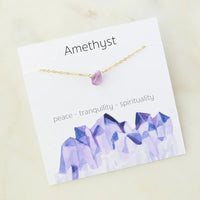
The piece they're describing → Stone Charm Necklace for Women — Raw Natural Gemstone Pendant
Personalize Yours


