


- Normal: some tenderness, slight redness and a little crusting in the first weeks.
- Infection signs: swelling, heat, worsening pain, very red or dark skin, and white, yellow or green discharge.
- Act sooner: fever or chills, spreading redness, foul-smelling discharge, a clasp that will not move, or pain in the cartilage.
- Do not self-diagnose: irritation, a metal allergy and a scar bump can look similar. A clinician can tell them apart.
- Treatment: depends on the cause and location, and may involve a prescription. We do not give dosing or treatment plans here.
Searching "earring infection" usually means one thing: a piercing that looks worse today than it did yesterday, and a worry about what to do next. This guide explains what public-health and dermatology pages describe as signs of an infected ear piercing, how those signs differ from normal healing, irritation and allergy, what treatment generally involves, and when to stop reading and get medical help. It is information for orientation only. For the related questions of why earrings hurt, see why earrings hurt your ears and how to fix it, and for a metal reaction see allergic reaction to earrings.
What Are the Signs of an Infected Ear Piercing?
The common signs are swelling, pain, heat and redness (or darkening, depending on your skin tone) around the piercing, with blood or pus coming from the hole. A national public health service page we read lists swelling, pain, heat, and skin that is very red or dark, plus blood or pus, and says pus can be white, green or yellow. A national dermatology society page puts it more simply: soreness, redness or puffiness, or yellowish fluid oozing from the piercing, may mean infection.
Other signs the sources mention:
- Feeling unwell. The public health page includes feeling hot, cold, shivery or generally unwell. A US academic medical center page lists fever.
- Foul-smelling discharge. The medical center page says foul-smelling yellow pus is a reason to call a provider.
- Symptoms that fail to improve or keep coming back. The same page says tenderness and redness are expected early on, but if they do not improve, or clear up and return, it could be an infection.
- Itching, crusty or flaky skin. Another page from the same medical center lists these, along with pus or bloody discharge, as possible signs.
Infection vs Normal Healing, Irritation, Allergy and Bumps
Several things look like an infection but are not, and the only reliable way to separate them is to have the ear examined. Use this table to understand the differences, not to rule yourself in or out.
| What it may be | What is typically described |
|---|---|
| Normal healing | Tenderness, itchiness, slight redness and a pale fluid that dries into a crust in the first weeks (public health page). |
| Infection | Swelling, heat, increasing pain, very red or dark skin, white, yellow or green pus, sometimes fever. |
| Metal allergy or irritation | Itch, rash or redness that tracks with a particular earring. Covered in our allergic reaction guide. |
| Granuloma | A small lump of trapped fluid that can form around ear or nose cartilage piercings (public health page). |
| Keloid | A raised, firm scar that grows beyond the original injury. See the dermatology notes below. |
A raised area around a piercing is not automatically an infection. The dermatology society page says a raised area may mean a keloid scar is forming and advises seeing a dermatologist if that happens. We cover bumps and scars in a separate guide on bumps and keloids from ear piercings.
What Causes an Earring Infection?
The sources point to germs getting into a fresh wound, with the usual routes being unclean equipment, dirty hands and not caring for the piercing. A US academic medical center page lists these causes and risk factors:
- unsterilized equipment or an unhygienic piercing setting
- touching the piercing with dirty hands
- removing earrings before the piercing has healed
- not cleaning the piercing every day
- swimming in pools, hot tubs, lakes or rivers before healing is complete
The same page says people with diabetes, heart problems or a weakened immune system, and people on steroids or blood thinners, should ask a provider whether a piercing is safe for them.
"Ear infection from an earring" sometimes confuses people because "ear infection" usually means an infection inside the ear canal or behind the eardrum. A piercing infection is a skin or cartilage infection at the hole. If you have inner-ear pain, hearing changes or dizziness, that is a different problem for a doctor.
How Is an Earring Infection Treated?
Treatment depends on how bad it is and where it is, and for anything beyond mild irritation it is a decision for a clinician. The public health page says antibiotics may be needed, as a cream, an ointment or tablets, and tells readers to seek urgent medical help if they think a piercing is infected. The academic medical center page says that with good care most infections clear within a few days. A mild surface problem and a deeper or spreading one are different things, and you cannot always tell which you have by looking.
We do not give dosing, product names or step-by-step treatment protocols, because the right approach depends on your health history and the exact problem. What the sources describe as general care steps:
- Wash your hands before touching the piercing (both the dermatology and medical center pages).
- Do not pick at crusts or twist the jewelry while the piercing is dry (public health page).
- Get a clinician's advice before adding creams, ointments or other products.
Why Do Sources Disagree on What to Put on the Piercing?
They do disagree, which is a good reason to follow a clinician rather than any one web page. The dermatology society page recommends a gentle, unscented cleanser and water at least once a day, and says not to use hydrogen peroxide or antibacterial soaps because they can damage healing skin. One medical center page recommends cleaning twice a day with mild soap and mentions rubbing alcohol and antibiotic ointment, while a second page from the same center says antibiotic creams and tea tree oil can cause allergic reactions and do not speed healing. The public health page suggests warm salty water to soften crusts. If your piercer or doctor gives you specific instructions, follow those.
Should You Take the Earring Out If It Is Infected?
The sources lean toward leaving it in unless a clinician says otherwise. The public health page says to leave the jewelry in unless a doctor tells you to take it out. The academic medical center page says to leave earrings in day and night until the piercing has healed. The medical center page also notes that removing earrings before the piercing has healed is itself listed as a risk factor for infection. If the earring or its backing will not move or seems to be sinking into the skin, the medical center page says to call a provider, and does not suggest forcing it.
If you see the first sign of a hard, thickening lump instead (not heat, pus or fever), the dermatology advice for keloids differs: it says to remove the earring at the first sign of thickening and wear a pressure earring. That is a different situation from infection, and it is why a proper diagnosis matters.
Cartilage Earring Infection: Why It Is Taken More Seriously
Infections in the upper ear can be more serious than lobe infections because cartilage has less blood supply. A US academic medical center page says upper-ear cartilage piercings are more likely to become infected and that those infections can be serious, with untreated cases leading to an abscess, perichondritis, a body-wide infection or a closed-up piercing. A government medical encyclopedia entry on perichondritis describes a painful, swollen, red ear, says cartilage piercing is probably the major risk factor today, and says treatment uses antibiotics for 10 days to several weeks, with surgery to drain pus in some cases.
The practical takeaway: pain, redness and swelling over the stiff part of the ear after a piercing is a reason to contact a health care provider rather than to wait. Our guides to helix piercing jewelry, cartilage piercing jewelry and the types of ear piercings explain what each placement involves.
When to See a Doctor or a Licensed Piercer
See a doctor if you have a fever or chills, redness that is spreading, foul-smelling pus, pain that is getting worse, an earring or clasp that is stuck or embedded, or any pain, redness or swelling over the cartilage. The dermatology society page advises seeing a board-certified dermatologist if signs of infection do not clear quickly, and the medical center page adds fever, chills and an infection that is not improving.
A licensed piercer is the right person for jewelry questions: whether the post is the right length, whether the piercing is placed well, and what to do about a stuck back. A piercer is not a medical professional, so for signs of infection, go to a doctor first.
How to Lower the Risk of a Piercing Infection
The sources agree on a short list: choose an experienced piercer in a licensed studio, wash your hands before touching the piercing, keep starter jewelry in for the healing period, keep the area clean as your piercer instructs and keep water from pools and hot tubs away until healed. The dermatology page says to leave the first jewelry in for six weeks or more, even at night, and the medical center page says lobes can take up to six weeks, with cartilage taking much longer. Healing times vary a great deal by placement, so ask your piercer. Our guides to earrings for new piercings, sleeping with earrings in and earring holes closing up cover the practical side.
A Short, Honest Note on Jewelry
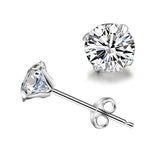
No earring prevents or treats an infection, and we do not claim ours do. Metal choice can matter for allergy and irritation, which is a separate issue. AJLuxe earrings are 925 sterling silver (some with 18K gold plating) or 316L stainless steel, and they are fashion jewelry, not piercing studs or implant-grade starter pieces. Our CZ stud earrings are listed with a 925 sterling silver post and a butterfly back. If you have a fresh or irritated piercing, ask your piercer what to wear, and see our guides on hypoallergenic ear piercing jewelry and earrings for sensitive ears. For healed ears, browse our hypoallergenic earrings.
More ear care guides
Frequently Asked Questions
What does an infected ear piercing look like?
It typically shows swelling, heat, increasing pain, very red or dark skin and white, yellow or green discharge. A little redness and crusting early on can be normal healing, so see a clinician if you are unsure.
How do I treat an infected ear piercing?
Wash your hands, avoid picking or twisting the jewelry, and get medical advice, because treatment may include prescription antibiotics as a cream, ointment or tablets. We do not give dosing or treatment plans.
Will an earring infection heal on its own?
Mild irritation sometimes settles with good care, and one medical center page says most infections clear within a few days with care. Spreading redness, fever, pus or pain that is getting worse need a doctor rather than waiting.
Should I take an earring out if it is infected?
The public health and medical center pages we read say to leave the jewelry in unless a doctor tells you to remove it. If the earring or clasp is stuck or embedded, call a provider rather than forcing it.
How can I tell if a piercing infection is serious?
Fever, chills, spreading redness, foul-smelling pus, a stuck earring, or pain and swelling over the cartilage are warning signs. Contact a doctor promptly if you have any of them.
What are the symptoms of a cartilage earring infection?
Pain, redness and swelling over the stiff part of the upper ear, sometimes with fever or discharge. Cartilage infections can be serious, so a health care provider should look at it quickly.
Is an ear infection from an earring the same as an ear canal infection?
No. A piercing infection affects the skin or cartilage at the hole, while an ear canal or middle ear infection is inside the ear. Hearing changes, dizziness or deep ear pain are reasons to see a doctor.
Sources
A national dermatology society public-education page on caring for pierced ears and one on keloid self-care, a national public health service page on infected piercings, two US academic medical center patient pages (infected ear piercing, and what to expect when getting your ears pierced) and a government medical encyclopedia entry on perichondritis, all read 2026-10-08. Where sources disagreed we say so. This page is general information and not medical advice.
Written by AJLuxe Team. Last updated: October 2026
All third-party trademarks, brand names and product names are the property of their respective owners. AJLuxe is not affiliated with, endorsed by, sponsored by, or otherwise connected to any third-party brand referenced in this article. Brand names are used solely for accurate comparative reference, and material descriptions reflect each brand's own published product specifications at the time of writing.
You Might Also Like
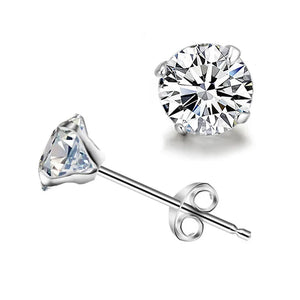
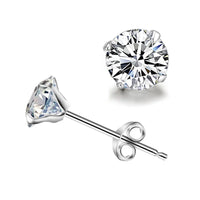
The piece they're describing → CZ Stud Earrings for Women — 925 Sterling Silver, Cubic Zirconia, Hypoallergenic
Personalize Yours


