


- Heavy or non-stopping bleeding: get medical help.
- A small spot: wash your hands, apply gentle pressure with something clean, and leave the jewelry alone.
- Common triggers: a snag, sleeping on the ear, a tight or wrong-size post, harsh cleaning products, blood thinners.
- With heat, pus, fever or spreading redness: see a doctor about infection.
- Keeps coming back: check the jewelry, then see a doctor or a licensed piercer.
Finding blood on a pillow or on an earring back is alarming, especially when the piercing has been fine for months or years. Most of the time the cause is small, but not always. This guide sets out why a long-healed or newer earring hole can bleed, what to do in the moment, and when bleeding is a reason to see a clinician. It draws on a consumer health site, a national public health service page, a piercing studio's blog and a body jewelry retailer's guide to bleeding piercings, and it names where each is a general or commercial source. It offers no diagnosis and no treatment plan. For the basics of caring for a fresh piercing, see our ear piercing aftercare guide.
Why Is My Earring Hole Bleeding?
The causes the sources describe fall into a few groups, and the right response depends on which one fits. Here they are, with who says what:
| Possible cause | What the sources say |
|---|---|
| Just pierced | A few spots of blood right after piercing are expected (consumer health site). |
| Snag or tug | Towels, hairbrushes, headphones, collars and sports can catch jewelry and tear the channel (body jewelry retailer's guide). |
| Sleeping on the ear | Pressure and friction from a pillow can cause blood on the pillow (retailer's guide). |
| Ill-fitting jewelry | Jewelry that is too short or tight can block air and blood flow; a mismatched thickness or post length creates friction, especially after changing earrings (consumer health site and retailer's guide). |
| Harsh cleaning | Alcohol, peroxide or antibacterial soap can damage tissue (retailer's guide, with piercers and a consumer health site advising against these products generally). |
| Medicines | Bleeding may be heavier with NSAIDs such as aspirin or ibuprofen, or with prescription blood thinners (consumer health site). |
| Metal sensitivity | A healed piercing that bleeds with no clear trigger may be reacting to the metal, often with redness or weeping (retailer's guide, not a medical diagnosis). |
| Partly closed hole | An empty hole that has narrowed can bleed when a post is forced back in (retailer's guide). |
| Infection | The public health service lists blood or pus, with swelling, pain, heat or very red skin, as signs of infection. |
The retailer's guide also lists hormonal changes such as menstruation or pregnancy as a cause of minor spotting. We mention it for completeness, but it comes from a single commercial source, so ask a clinician rather than assuming.
What Should You Do If an Earring Hole Starts Bleeding?
Stay calm, wash your hands, apply gentle pressure with something clean, and leave the jewelry where it is unless a clinician or licensed piercer says otherwise. The steps below are general, not medical instructions:
- Wash your hands. Every source we read starts with clean hands.
- Press gently with a clean, lint-free paper towel or gauze for a minute or two. A body jewelry retailer's guide gives one to two minutes and says to avoid cotton balls and cloth, which can shed fibers or catch on the jewelry.
- Do not remove or twist the earring. The retailer's guide says to leave it in, and a consumer health site notes that piercings can close quickly.
- Rinse gently with a sterile saline wound wash if you have one, then pat dry. Piercers' guidance on alcohol and peroxide is to avoid them.
- Watch it. Leave the ear alone and check for more bleeding, swelling or heat over the next day or two.
If you take aspirin, ibuprofen or a prescription blood thinner, the consumer health site says bleeding can be heavier. Do not stop a prescribed medicine on your own: ask your doctor or pharmacist.
How Do You Stop It Happening Again?
Address the likely trigger: tug less, sleep with less pressure on the ear, and make sure the jewelry fits. The sources point to a few practical steps:
- Check the fit. If bleeding began after you changed earrings, the new post may be the wrong thickness or length. A piercer can measure it. Our guide to why earrings hurt and how to fix it covers weight and a too-tight back.
- Do not overtighten the back. A pediatric clinic page says backs should not be pressed tightly against the ear. Our guide to earring backs shows the options.
- Be careful with clothing and hair. Pulling tops over your head and brushing hair near the ear are the snag points the retailer's guide names.
- Go easy on cleaning. A piercers' association page warns that over-cleaning delays healing and irritates a piercing.
- Metal. If you suspect a reaction, see earrings for sensitive ears. No earring can be promised irritation free for every person.
Is Bleeding a Sign of Infection?
Bleeding on its own is rarely the only sign, but blood or pus together with swelling, pain, heat or very red skin is a sign of possible infection, according to the public health service page. It also lists feeling hot, cold, shivery or unwell. The page says to seek an urgent appointment with a doctor and to leave the jewelry in unless the doctor says to remove it. Our guide to earring infection signs and treatment explains the signs in more detail, and a firm lump that keeps growing is covered in ear piercing bumps and keloids.
When to See a Doctor or a Licensed Piercer
See a doctor if bleeding is heavy, does not stop after a few minutes of gentle pressure, comes back repeatedly, or comes with heat, pus, fever or spreading redness. The consumer health site says to seek medical attention if bleeding is heavy or does not stop. The retailer's guide adds specific triggers: bleeding that does not slow after about 15 minutes, bleeding that returns over two or more days with no obvious cause, jewelry that seems to press into swollen skin, and any bleeding or warmth around a cartilage piercing. Take extra care if you use blood thinners.
See a licensed piercer for jewelry questions: whether the post is the right length, whether a back is too tight, or why changing earrings always causes trouble. If you need a piercer, our guide to finding a safe, reputable piercer helps. If a hole has been empty a long time and bleeds when you try to put an earring in, do not force it. We explain closing holes in earring holes closing up, and sleeping questions are in can you sleep with earrings in.
An Honest Note on Our Jewelry
AJLuxe sells fashion jewelry for healed ears, not starter piercing jewelry, and we do not sell aftercare products. Our earrings are 925 sterling silver with 18K gold or rhodium plating, and the CZ stone is simulated. We do not claim any piece prevents or treats bleeding, irritation or infection. If you want a simple stud once your ear is calm and your piercer or doctor agrees, browse stud earrings or the CZ stud earrings, which list a 925 sterling silver post and a butterfly back.
More in this guide
Related reading: earring infection signs, how to clean pierced ears, saline solution for ear piercing, and earlobe repair.
Frequently Asked Questions
Why is my earring hole bleeding?
Common reasons in the sources are a recent piercing, a snag or tug, pressure from sleeping on it, ill-fitting jewelry, harsh cleaning products, blood-thinning medicines and infection. A clinician can tell you which applies.
What should I do if a new piercing bleeds?
A few spots of blood right after piercing are expected. Wash your hands, apply gentle pressure with something clean, and leave the jewelry in. Seek medical attention if the bleeding is heavy or will not stop.
Is a bleeding earlobe piercing infected?
Not necessarily. The public health service lists blood or pus together with swelling, pain, heat or very red skin as signs of infection, so bleeding alone is not enough to say. See a doctor if you also have those signs or a fever.
Should I take the earring out if it is bleeding?
The sources we read say to leave jewelry in unless a clinician or licensed piercer says otherwise, and that piercings can close quickly. Ask a clinician if you are unsure.
How long does it take for an earlobe piercing to heal completely?
Lobes are commonly described as healing in about 6 to 8 weeks, and full healing can take up to a year, depending on the source. See our aftercare guide for how the sources compare.
Why does my old piercing bleed when I change earrings?
A retailer's guide names a mismatched post, a hole that has partly closed, or friction from a new post. If it happens every time you change jewelry, see a licensed piercer.
When should I go to a doctor for a bleeding piercing?
For heavy bleeding, bleeding that will not stop, repeated bleeding, or bleeding with heat, pus, fever or spreading redness. Take extra care if you use blood thinners.
Sources
A consumer health information site on ear piercing (expected bleeding, medicines, when to seek help), a national public health service page on infected piercings (signs of infection, leaving jewelry in), a body jewelry retailer's guide to bleeding in healed piercings (causes, pressure steps, triggers to seek help; a commercial source, used for general points only), a piercers' association aftercare page (over-cleaning, products to avoid) and a pediatric clinic aftercare page (backs not pressed tightly), all read 2026-10-09. This is general information and not medical advice.
Written by AJLuxe Team. Last updated: October 2026
All third-party trademarks, brand names and product names are the property of their respective owners. AJLuxe is not affiliated with, endorsed by, sponsored by, or otherwise connected to any third-party brand referenced in this article. Brand names are used solely for accurate comparative reference, and material descriptions reflect each brand's own published product specifications at the time of writing.
You Might Also Like
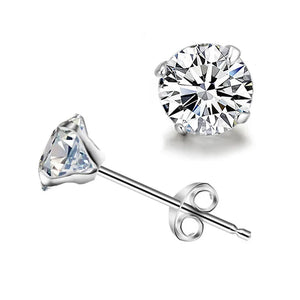
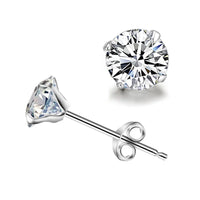
The piece they're describing → CZ Stud Earrings for Women — 925 Sterling Silver, Cubic Zirconia, Hypoallergenic
Personalize Yours


