


- Hands first: clean hands every time you touch the piercing, and touch it only to clean it.
- Clean gently: mild cleanser and water, rinsed well. Sources disagree on details, so follow your piercer.
- Leave it in: starter jewelry stays in for six weeks or more for lobes, longer for cartilage, even at night.
- Skip: pools, hot tubs, picking, early jewelry changes, harsh products.
- Watch for: spreading redness, heat, pus, fever or a stuck back, and see a doctor if they appear.
Most piercing problems start in the first weeks, not at the studio. This guide pulls together what a dermatology society, a national public health service and a US academic medical center say about caring for a new ear piercing, where they disagree, and what you can ask your piercer. It is written for healing lobe and cartilage piercings. When it is time to choose jewelry afterward, see our guide to earrings for new ear piercings, and if something looks wrong, read why earrings hurt and what to do.
How Do You Clean and Care for a New Ear Piercing?
Wash your hands, clean the piercing gently once or twice a day with a mild cleanser or the solution your piercer recommends, rinse thoroughly, and pat dry with something clean. Here is what each type of source says:
| Source type | How often and with what |
|---|---|
| National dermatology society | At least once a day with a gentle, unscented cleanser and water. Rinse well and keep water out of the ear. No hydrogen peroxide or antibacterial soaps. |
| National public health service | Twice a day. Soften crusts with warm salty water, dry with a clean paper towel, use a cotton bud or pad rather than cotton wool. |
| US academic medical center | Twice a day with soap and water on a clean washcloth, front and back. One page there also mentions rubbing alcohol or antibiotic ointment, another warns that antibiotic creams and tea tree oil can cause reactions. |
These do not fully agree, and the safest reading is that gentle, simple and consistent beats elaborate. The dermatology page also suggests a thin layer of petroleum jelly around the openings from a squeeze tube rather than a jar, to avoid introducing germs. If your piercer gives a different routine, follow theirs, since they can see your ear.
Should You Turn or Twist the Earring?
Sources disagree here too. The public health service page says to gently turn the jewelry while cleaning, while the academic medical center page says to avoid turning or rotating early because a piercing is essentially a puncture wound and should be left alone until healing is well underway. Neither says to twist a dry piercing: the public health page specifically warns against twisting jewelry while the piercing is dry. Ask your piercer which they recommend.
How Long Does an Ear Piercing Take to Heal?
An earlobe usually takes around 6 to 8 weeks and cartilage takes several months to a year, but the sources give different ranges. The dermatology society says to leave jewelry in for six weeks or more. A US academic medical center page says lobes tend to heal in about six to eight weeks, cartilage may take up to six months or a year, and daith, rook, conch, helix and tragus piercings take about six to 12 months. Another page from the same center gives four to 12 months for cartilage.
| Placement | Commonly cited healing time |
|---|---|
| Earlobe | About 6 to 8 weeks (six weeks or more per the dermatology society) |
| Cartilage (upper ear) | Four to 12 months, or up to a year, depending on the source |
| Daith, rook, conch, helix, tragus | About six to 12 months |
You may also see a "3/2/1 rule" online. It is not an official standard and the numbers do not match the sources above, which is why we treat it as a rough rumor, not a schedule. Our new piercing earrings guide explains it, and our ear piercing chart and guide to the types of ear piercings show the placements. Healing is finished when the sources' signs are met: no pain, redness, swelling, crusting or flaking, and jewelry that moves easily.
What Should You Not Do After Getting Your Ears Pierced?
Avoid touching the piercing with unwashed hands, picking at crusts, swimming in pools or hot tubs, changing the jewelry early and using harsh products. Specifically:
- Do not take the jewelry out early. The dermatology page says removing it too soon may let the piercing close.
- Do not swim until healed. The medical center page names pools and hot tubs. The public health page is shorter, saying to avoid swimming for the first 24 hours, so this is another place sources differ. The more cautious advice costs you nothing.
- Do not use peroxide, antibacterial soap or tea tree oil. Peroxide and antibacterial soaps are called out by the dermatology page, and tea tree oil and antibiotic creams by one of the medical center pages.
- Do not pick or force crusts. Soften them with warm salty water instead, as the public health page describes.
- Do not make the backing too tight. The medical center page says to keep it secure but not tight, and warns that skin can grow over an earring back, in which case you should contact a healthcare professional.
Sleeping on a fresh piercing is a common worry, and we cover it in can you sleep with earrings in.
What Is Normal and What Is Not?
Tenderness, itchiness, slight redness and a pale fluid that dries into a crust are described as normal early on by the public health service. Pus, spreading redness, heat, swelling that gets worse, bad smell, or fever are not. A dermatology page lists soreness, redness or puffiness, or yellowish fluid oozing from the hole, as possible infection. We cover infection signs and treatment in a separate guide. A lump that is firm and growing is a different matter, and we cover that in a guide to bumps and keloids after ear piercings.
When to See a Doctor or a Licensed Piercer
See a doctor for fever or chills, spreading redness, foul-smelling pus, increasing pain, an earring or clasp that is stuck or embedded, or pain and swelling in the cartilage. The dermatology page says to see a board-certified dermatologist if infection signs do not clear quickly, and the medical center page lists fever, chills and an infection that is not improving. See a licensed piercer, not a doctor, for questions about post length, the fit of the backing or jewelry that feels wrong. If you are unsure which applies, start with a doctor.
When Can You Change Your Earrings?
Wait until the piercing is fully healed, then change gently. The medical center page lists the signs of healing described above and suggests 14K gold, medical-grade steel or titanium and avoiding nickel. It also warns not to leave earrings out for more than a few hours early on, because lobe holes can close quickly. We go through closing holes in our guide to earring holes closing up.
An Honest Note on Our Jewelry
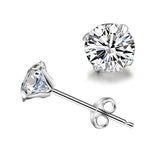
AJLuxe earrings are fashion jewelry for healed ears, not starter piercing jewelry. They are 925 sterling silver, with 18K gold plating on many, or 316L stainless steel. Our own guide to new piercings says sterling silver and plated pieces are not on the accepted list for initial jewelry, and we stand by that: let your piercer fit you with starter jewelry. Once you are healed, see hypoallergenic ear piercing jewelry and browse stud earrings. For a simple everyday pair, our CZ stud earrings list a 925 sterling silver post and a butterfly back.
More ear care guides
Frequently Asked Questions
How do I clean a new ear piercing?
Wash your hands, then gently clean with a mild, unscented cleanser and water as your piercer advises, rinse well and pat dry with a clean paper towel. Sources differ on whether it is once or twice a day, so follow your piercer.
How long does an ear piercing take to heal?
Earlobes are usually described as healing in about 6 to 8 weeks, and cartilage takes four months to a year depending on the placement and the source. Healing varies, so check with your piercer.
What should you not do after you get your ears pierced?
Do not touch the piercing with dirty hands, pick crusts, swim in pools or hot tubs, take the jewelry out early, or use peroxide, antibacterial soap or tea tree oil. Do not overtighten the backing.
What is the fastest way to heal an ear piercing?
There is no sourced shortcut. The consistent advice is clean hands, gentle cleaning, leaving the starter jewelry in, avoiding irritation and not picking.
What should you put on freshly pierced ears?
Sources mention a mild cleanser and water, warm salty water for crusts, and for some a thin layer of petroleum jelly from a squeeze tube. They disagree on ointments and alcohol, so ask your piercer.
Can I sleep with a new piercing?
Yes, and you should leave the starter jewelry in overnight. The dermatology society says to keep it in even at night.
What does the 3/2 piercing rule mean?
It is an informal online rule of thumb about healing months, not an official standard. The healing times in public-health and dermatology sources are different, so rely on your piercer's timeline.
Sources
A national dermatology society public-education page on caring for pierced ears, a national public health service page on infected piercings (care and normal healing), and two US academic medical center patient pages (infected ear piercing, and what to expect when getting your ears pierced), plus a second medical center page on ear keloids for the cartilage healing range, all read 2026-10-08. Where sources disagreed we say so. This is general information and not medical advice.
Written by AJLuxe Team. Last updated: October 2026
All third-party trademarks, brand names and product names are the property of their respective owners. AJLuxe is not affiliated with, endorsed by, sponsored by, or otherwise connected to any third-party brand referenced in this article. Brand names are used solely for accurate comparative reference, and material descriptions reflect each brand's own published product specifications at the time of writing.
You Might Also Like
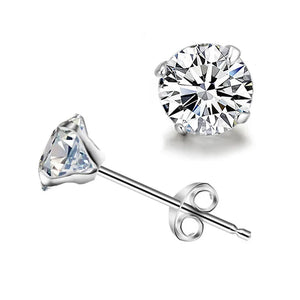
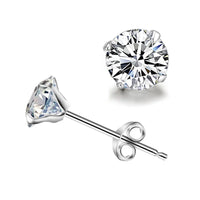
The piece they're describing → CZ Stud Earrings for Women — 925 Sterling Silver, Cubic Zirconia, Hypoallergenic
Personalize Yours


