


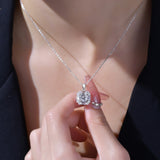
Quick answer: The best sterling silver necklaces are stamped 925 — solid silver through and through, not silver-plated base metal. For everyday wear, pick a 925 sterling chain in a cable, box, or rope style at 16–18 inches. Real sterling silver is nickel-free, lasts a lifetime, and only needs an occasional polish when it tarnishes. Expect $30–$120 for a quality piece — anything under $15 is usually plated, not solid.
TL;DR — Best Sterling Silver Necklaces in 2026
- Look for the stamp: 925, .925, or "sterling" means solid silver. No stamp = probably plated.
- Best everyday chain: a 925 box or cable chain, 16–18 inches, for daily wear that lasts.
- Best pendant: a small solitaire, initial, or birthstone in a sterling silver bezel.
- Sensitive skin: sterling silver is nickel-free, so it's a safe pick — check the clasp is silver too.
- Budget that makes sense: $30–$120 for solid 925 you'll wear for years.
Sterling silver is the workhorse of fine jewelry — bright, affordable, and tough enough to wear every day. But the word "silver" gets stretched to cover everything from solid 925 to a whisper of silver flash over cheap base metal. The difference decides whether your necklace lasts a lifetime or tarnishes black and irritates your skin within weeks.
This guide ranks the best sterling silver necklaces for 2026 by what you'll actually wear them for — everyday chains, pendants, gifts, and sensitive skin. We cover how to spot real 925, the chain styles that hold up, and the simple care that keeps silver bright. Every pick is built around real wearability, not just shelf appeal.
What's in this guide
- The best sterling silver necklaces by use case
- Quick comparison table
- How to choose a sterling silver necklace
- 925 vs plated vs other silver grades
- Styling and layering sterling silver
- How to stop sterling silver from tarnishing
- Frequently asked questions
The best sterling silver necklaces by use case
1. Best for everyday wear — the 925 box or cable chain
If you buy one sterling silver necklace, make it a plain 925 chain. A box chain (square links) or a classic cable chain resists kinking and catches light beautifully. At 16–18 inches it sits right at the collarbone and pairs with everything. Solid sterling survives showers and daily wear, so this is the piece you'll reach for most.
2. Best sterling pendant — a solitaire, initial, or birthstone
A pendant makes a plain chain personal. In sterling silver, a small cubic zirconia solitaire reads like a diamond at a fraction of the price, while a single initial or a birthstone bezel makes a meaningful gift. Keep the pendant proportional to the chain so the whole piece stays elegant. A silver initial necklace is one of the most-gifted pieces for a reason.
3. Best for sensitive skin — nickel-free 925
If chains usually turn your skin green or itchy, the cause is nickel in the base metal. Solid 925 sterling silver is nickel-free, so it sidesteps the reaction entirely. The one thing to check: make sure the clasp and jump rings are sterling too, not a cheap plated fastener. Our guide on hypoallergenic jewelry covers the metals that play nice with reactive skin.
4. Best for layering — mixed lengths and textures
Sterling silver layers beautifully because the bright finish ties different chains together. Stagger a 14-inch choker, a 16-inch pendant, and an 18-inch longer chain so they don't tangle. Mixing a smooth snake chain with a textured rope chain adds depth. Our necklace layering guide shows the exact combinations.
5. Best sterling silver gift necklace — a meaningful pendant
Sterling silver hits the sweet spot for gifting: it looks like fine jewelry, it's hypoallergenic, and it fits most budgets. A birthstone pendant for a birthday or a heart for an anniversary makes a lasting gift without overspending. Our birthstone necklace picks cover every month.
Quick comparison: silver necklace types
| Type | What it is | Lasts (daily wear) | Price range | Best for |
|---|---|---|---|---|
| 925 sterling silver | 92.5% pure silver, solid | Lifetime (re-polish) | $30–$120 | Everyday wear, sensitive skin |
| Fine silver (.999) | 99.9% pure, very soft | Scratches easily | $60–$200 | Pendants, light wear |
| Argentium silver | Sterling with anti-tarnish alloy | Lifetime, tarnishes slower | $60–$180 | Low-maintenance wear |
| Silver plated | Thin silver over base metal | 1–2 years | $10–$30 | Trend pieces, light wear |
| "Silver tone" | No real silver at all | Months | Under $15 | Costume jewelry only |

How to choose a sterling silver necklace
Three things decide whether a silver necklace lasts: the stamp, the chain style, and the clasp. Get those right and it'll still look new in five years.
The stamp. Real sterling is stamped 925, .925, or "ster." Look on the clasp, the jump ring, or a small tag. No stamp almost always means silver-plated base metal that will wear through. This single check separates jewelry from costume.
Chain style. For daily wear, a box, cable, snake, or rope chain holds up best because the links are sturdy and uniform. Very fine "thread" or singapore chains look delicate but kink and snap more easily. If you want something to wear nonstop, go box or rope.
Length. A 16-inch chain sits at the base of the throat; 18 inches drops to the collarbone and is the easiest to layer. Our necklace length guide shows where each length lands on most necklines.
925 vs plated vs other silver grades
Not all silver is equal. Here's the honest ranking for a necklace you'll actually wear:
925 sterling silver is the standard for fine silver jewelry. It's 92.5% pure silver mixed with 7.5% copper for strength, because pure silver is too soft to hold up. According to the GIA, this 92.5% ratio is the benchmark that balances durability with shine. Solid sterling lasts a lifetime and only needs polishing when it tarnishes.
Argentium silver is sterling with a modified alloy (germanium) that resists tarnish far better than standard 925. It costs more but needs less upkeep — a smart pick if you hate polishing.
Fine silver (.999) is nearly pure silver. It's brighter and more tarnish-resistant but soft, so it scratches and dents easily. Better for pendants than for chains that take daily abuse.
Silver plated is a micro-thin silver layer over brass or copper. It looks like sterling at first but wears through in a year or two, and the exposed base metal can irritate skin. Fine for a trend piece, not for everyday.
"Silver tone" contains no real silver at all — it's just a color. Treat it as costume jewelry. If you're unsure which you own, our guide on how to tell if jewelry is real covers the same stamp-and-test method for silver.
Styling and layering sterling silver
Sterling silver's bright, cool finish makes it one of the easiest metals to layer. The trick is varying lengths so chains don't overlap and knot:
- 14″ — a plain choker-length chain that sits highest.
- 16″ — a pendant (solitaire, initial, or birthstone).
- 18″ — a longer chain or larger charm as the anchor.
Mixing textures helps too — a smooth snake chain next to a rope chain slides past instead of locking. And yes, mixing silver with a little gold is fully on-trend for 2026, so you don't have to keep your metals matched.
How to stop sterling silver from tarnishing
Sterling silver tarnishes — that's normal. It reacts with sulfur in the air and on skin, turning yellow then dark over time. The good news: tarnish is surface-only and wipes right off. A few habits keep it bright:
- Store each piece in an airtight bag or an anti-tarnish pouch, not open air.
- Put your necklace on last — perfume, lotion, and hairspray speed up tarnish.
- Wipe it with a soft polishing cloth after wearing to remove skin oils.
- For heavier tarnish, a silver polish or a baking-soda-and-foil soak restores the shine.
For the full routine, see our guide on how to clean silver jewelry and how to store jewelry so it lasts.
Related reading: How Long Will Sterling Silver Last? A Realistic Lifespan Timeline (2026).
Related reading: 4 Best Rings Under $40 (2026): Sterling Silver Picks That Won't Fade or Irritate.
Frequently asked questions
What does 925 mean on a silver necklace?
925 means the piece is sterling silver — 92.5% pure silver mixed with 7.5% other metals (usually copper) for strength. It's the international standard for solid silver jewelry. A 925 stamp is your proof the necklace is real sterling, not plated.
Is sterling silver good for everyday wear?
Yes. Sterling silver is durable enough for daily wear and water-safe, so you can shower in it. It will tarnish over time, but that's surface-only and polishes off easily. For a chain you wear nonstop, sterling is one of the best-value options.
Does sterling silver turn your skin green?
Solid 925 sterling silver rarely turns skin green — that reaction usually comes from copper in plated or low-quality pieces. If your "silver" necklace discolors your skin, it's likely silver-plated base metal rather than real sterling. A faint mark can also come from the copper in sterling reacting with lotion or acidic skin, but it washes off.
Is sterling silver hypoallergenic?
Mostly, yes. Sterling silver is nickel-free, so it's safe for most people with sensitive skin and metal allergies. The thing to watch is the clasp — make sure it's sterling too, since some cheaper necklaces use a plated fastener that can trigger a reaction.
Can you shower or swim in sterling silver?
You can shower in sterling silver without harm, though it may tarnish a little faster from soap residue. Avoid swimming in it — chlorine and salt water both accelerate tarnish and can damage the finish over time. Wipe it dry after it gets wet.
How do I know if my silver necklace is real sterling?
Check for a 925, .925, or "sterling" stamp on the clasp or a small tag. Real sterling is also slightly magnetic-resistant (it won't stick to a magnet) and develops tarnish over time, which plated "silver tone" pieces won't do the same way. No stamp usually means it isn't solid silver.
How much should a sterling silver necklace cost?
Expect $30–$120 for a quality solid 925 sterling silver necklace, depending on the chain weight and any pendant. Heavier chains and gemstone pendants run higher. Anything under $15 is almost always silver-plated, not solid sterling.
Why did my sterling silver necklace turn black?
Black tarnish is sterling silver reacting with sulfur in the air, sweat, or products like hairspray and lotion. It's harmless and surface-only. A polishing cloth, silver polish, or a baking-soda-and-foil soak brings the shine right back.
Comparing metals before you buy? Our surgical steel vs sterling silver guide covers hypoallergenic ratings, durability, and cost side by side.
The bottom line
The best sterling silver necklace is solid 925 — stamped, nickel-free, and built to last a lifetime with a little care. Skip anything labeled "silver tone" or unstamped, pick a sturdy box or cable chain at 16–18 inches, and store it in an airtight pouch to slow tarnish. Do that and you'll have a bright, hypoallergenic necklace that still looks new years from now.
Ready to find yours? Browse our sterling silver jewelry collection — solid 925 chains, pendants, and birthstone necklaces built for everyday wear.
Written by Vaishakhi Ajmera — founder and jewelry specialist at AJLuxe. The first thing I tell anyone shopping for silver: find the 925 stamp before you fall in love with the design. Solid sterling is the one metal that looks like fine jewelry, suits sensitive skin, and won't empty your wallet. Last updated: July 2026.
All third-party trademarks, brand names and product names are the property of their respective owners. AJLuxe is not affiliated with, endorsed by, sponsored by, or otherwise connected to any third-party brand referenced in this article. Brand names are used solely for accurate comparative reference, and material descriptions reflect each brand's own published product specifications at the time of writing.
You Might Also Like
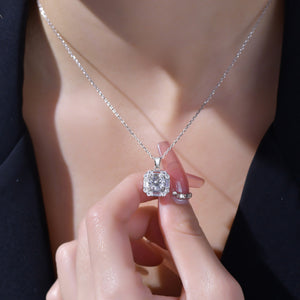
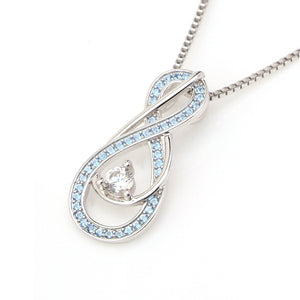
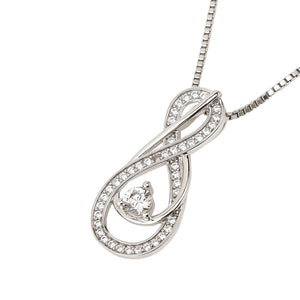
The piece they're describing → Round Brilliant Cut CZ Necklace for Women — 925 Sterling Silver, Diamond-Style Pendant
Personalize Yours


