


Related: 14K vs 18K gold — which is more hypoallergenic? We break down the alloy content, nickel risk, and durability differences between the two most popular solid gold karats.
Quick Answer
Gold plated jewelry is hypoallergenic only if the base metal underneath is nickel-free. Gold plated over sterling silver or stainless steel: generally safe for sensitive skin. Gold plated over brass or copper: not hypoallergenic — the base metal causes reactions when the thin gold layer wears through. The safest affordable option is gold vermeil (18K gold, 2.5+ microns thick, over 925 sterling silver).
TL;DR
- Not all gold plated jewelry is hypoallergenic — it depends on the base metal, not the gold itself
- Safe base metals: 925 sterling silver, surgical stainless steel, titanium
- Problematic base metals: brass, copper (contain nickel; turn skin green)
- Safest affordable choice: gold vermeil — 18K gold, 2.5+ micron plating, sterling silver base
- Green skin = copper/brass base metal, not an allergy — but a signal to switch metals
Shopping for gold jewelry when you have sensitive skin is frustrating. You find a beautiful piece labeled "18K gold plated" and assume you're safe — then three days later your wrist is itchy and red. Sound familiar?
The answer isn't that all gold plated jewelry is bad for sensitive skin. The answer is that it's not the gold causing the problem. It's what's underneath the gold. This guide breaks down exactly what to look for — and how to shop confidently for gold jewelry that won't cause reactions.
What "Hypoallergenic" Actually Means in Jewelry
The word "hypoallergenic" has no legal definition in jewelry. Any brand can put it on a label. What it should mean is: made with metals unlikely to cause allergic contact dermatitis (ACD), the most common skin reaction to jewelry.
The main culprits in jewelry reactions are nickel, cobalt, and chromium — not gold. According to the American Academy of Dermatology, nickel allergy affects approximately 10–20% of the population and is the single most common cause of contact dermatitis from jewelry. Pure gold doesn't cause reactions. Alloys in the base metal do.
So when you're asking "is gold plated jewelry hypoallergenic?" — the real question is: what is the jewelry made of under the gold?
Is Gold Plated Jewelry Hypoallergenic? The Direct Answer
Gold plated jewelry can be hypoallergenic — but only when the base metal is also hypoallergenic. The gold layer itself is safe. The danger is that gold plating is thin: standard plating is just 0.5–2.5 microns. With daily wear, this layer gradually thins and eventually the base metal contacts your skin directly.
If the base metal is nickel-containing brass, that's when reactions happen. If the base metal is 925 sterling silver or surgical stainless steel, the jewelry stays safe even as the gold wears.
Short answer by base metal:
- ✅ Gold over 925 sterling silver (gold vermeil): hypoallergenic — safe for most sensitive skin
- ✅ Gold over surgical stainless steel: hypoallergenic — very durable
- ✅ Gold over titanium: hypoallergenic — the safest possible base
- ⚠️ Gold over brass: NOT hypoallergenic — brass typically contains nickel; causes reactions as gold wears
- ⚠️ Gold over copper: NOT hypoallergenic — copper turns skin green; can also trigger sensitivities
The Base Metal Problem — Why Gold Plating Alone Isn't Enough
Here's how gold plating works: a thin layer of gold is applied to a base metal through electroplating. The base metal makes up 99%+ of the jewelry by weight. The gold is just a coating — measured in microns (thousandths of a millimeter).
Standard gold plating: as thin as 0.5–1 micron.
Gold vermeil standard: minimum 2.5 microns.
Gold-filled: bonded layer of real gold at 5% of the total weight — far thicker than plating.
With everyday wear — sweating, washing hands, contact with surfaces — that thin gold layer physically wears through within months to a few years. The speed depends entirely on plating thickness and how much friction the piece experiences. Once the base metal is exposed, whatever is in that base metal is now touching your skin continuously.
The most common base metal in affordable jewelry is brass — an alloy of copper and zinc that often contains nickel. That's the contact point where reactions develop: not from the gold, but from the nickel in the brass underneath it.
Gold Plated vs Vermeil vs Gold-Filled vs Solid Gold — Hypoallergenic Comparison
| Type | Base Metal | Gold Thickness | Hypoallergenic? | Lifespan | Price Range |
|---|---|---|---|---|---|
| Gold Plated (brass base) | Brass / copper | 0.5–1 micron | ❌ No — brass may contain nickel | 6–18 months | $10–$40 |
| Gold Plated (stainless steel) | 316L stainless steel | 0.5–2 microns | ✅ Yes — steel base is nickel-safe | 1–3 years | $15–$60 |
| Gold Vermeil | 925 sterling silver | 2.5+ microns (min standard) | ✅ Yes — sterling silver base is safe | 2–5 years | $25–$100 |
| Gold Filled | Brass core | 5% of total weight — very thick | ⚠️ Usually safe — thick layer rarely wears through | 10–30 years with care | $40–$150 |
| Solid Gold (14K–18K) | Gold + safe alloys (silver, copper) | Solid throughout | ✅ Yes — no base metal underneath | Lifetime | $200–$2,000+ |

Which Types of Gold Plated Jewelry Are Safe for Sensitive Skin?
The two safest gold plated options for sensitive skin are gold vermeil and gold over surgical stainless steel. Here's what makes them different from standard gold plated brass:
Gold Vermeil (18K over 925 Sterling Silver)
Vermeil is the gold plated jewelry standard created for sensitive skin. To be legally called "vermeil" in the US, a piece must have: (1) a sterling silver base, (2) at least 10K gold purity (usually 14K or 18K), and (3) at least 2.5 microns of gold plating thickness.
Why this matters: the base is 925 sterling silver — the same material that's hypoallergenic on its own. So even when the gold layer eventually thins, what touches your skin is sterling silver, not brass. At AJLuxe, all our gold pieces use 18K gold vermeil over 925 sterling silver precisely for this reason — it's the standard that's actually built for sensitive skin.
Gold Over Surgical Stainless Steel
316L surgical stainless steel is nickel-free and highly corrosion-resistant. Gold plated over 316L steel is safe for sensitive skin and extremely durable. The trade-off: stainless steel is heavier and can't be replated or resized as easily as silver-based pieces.
What to Avoid: Gold Over Brass
The vast majority of fast-fashion gold jewelry uses a brass base. Brass is cheap, easy to form, and takes gold plating well — but it contains nickel in many formulations and causes green skin as the copper oxidizes. If a price tag says "gold plated" without specifying the base metal, assume brass. Check the fine print, the hallmarks, or ask the brand directly.
Is 18K Gold Plated Jewelry Hypoallergenic?
18K gold itself is hypoallergenic — it's 75% pure gold with 25% alloying metals (usually silver and copper, not nickel). But the karat of the plating doesn't determine whether the jewelry is hypoallergenic — the base metal does.
You can have 18K gold plating over brass, and it will cause reactions when the thin gold layer wears through. You can have 14K gold vermeil over sterling silver, and it will stay safe for years because the underlying metal is also skin-safe.
The question to ask is always: "18K gold over what?" — not just "is it 18K?"
What About White Gold and Rose Gold — Are They Hypoallergenic?
White gold is often rhodium-plated yellow gold mixed with white alloys. The rhodium plating is hypoallergenic, but the alloys used to whiten gold (typically palladium or nickel) can cause reactions if the rhodium wears thin. White gold containing nickel-based alloys is one of the most common causes of jewelry reactions among people who think they're wearing "hypoallergenic" jewelry.
Rose gold gets its pink colour from copper alloy. Pure copper is generally safe for most skin, but some people develop sensitivity to copper contact over time. Rose gold vermeil (rose gold over sterling silver) is a safer long-term option than rose gold over brass.

How to Tell If Gold Plated Jewelry Is Safe for Sensitive Skin
Before buying, check these four things:
- Look for hallmarks: "925" or "S925" means sterling silver base — this is the gold standard for sensitive skin. No hallmark or just "GP" (gold plated) with no base metal specified = likely brass.
- Ask about the base metal explicitly: Any reputable brand should be able to tell you whether the base is brass, sterling silver, or stainless steel. Evasive answers or vague "nickel-free" claims without base metal disclosure are a red flag.
- Check plating thickness: 2.5 microns is the vermeil standard. Anything listed as under 1 micron will wear through quickly with daily use.
- Check the EU Nickel Directive compliance claim: Brands that export to Europe must comply with EN 1811, which limits nickel release to 0.2 µg/cm²/week for pieces in prolonged skin contact. This is a stronger guarantee than US "nickel-free" labeling (which has no standard definition).
How to Patch Test Jewelry Before Committing
If you have sensitive skin and you're unsure about a new piece, a simple patch test takes 48 hours and can save you weeks of irritation:
- Wear the piece on the inside of your wrist for 30–60 minutes. The wrist has thinner skin and is more reactive than your neck or ears.
- If no reaction after 30 minutes, extend to 2–3 hours.
- If no reaction after several hours, wear normally. Watch for redness, itching, or bumps within 24–48 hours.
- A clear patch test doesn't guarantee zero reaction forever — as plating wears, base metal exposure increases. Repeat the test on older pieces if reactions develop later.
If you develop itching, redness, or bumps: remove the jewelry, wash the area with mild soap, and note the exact spot where irritation appeared (this often maps to a specific metal component — a clasp, a bail, or the back of an earring, which often use different materials than the front).
Signs of a Metal Allergy — and What to Do
Contact dermatitis from jewelry typically develops within 12–72 hours of exposure. Common signs:
- Itching or burning sensation at the contact point
- Redness or pink discoloration of the skin
- Small raised bumps or blisters
- Dry, flaking skin after the piece is removed
- Green skin (from copper oxidation — not an allergy, but a sign of copper/brass contact)
If you experience these symptoms: remove the jewelry, don't scratch, apply a cool compress, and let the skin rest. For persistent or severe reactions, consult a dermatologist — they can perform a patch test to identify your specific metal triggers. Most reactions resolve within 1–4 days after removing the allergen.
Related Guides
📖 Related Guides
- Is Sterling Silver Hypoallergenic? What 925 Silver Really Means for Sensitive Skin
- Complete Hypoallergenic Jewelry Guide — Best Metals for Sensitive Skin (2026)
- Nickel-Free Jewelry Guide — Safe Metals, What to Avoid & How to Find It
- Best Earrings for Sensitive Ears — Metals, Styles & What to Avoid
- How Long Does Gold Plated Jewelry Last? (Honest Answer by Metal Type)
Frequently Asked Questions
Is gold plated jewelry hypoallergenic?
It depends on the base metal. Gold plated over sterling silver (925) or stainless steel is hypoallergenic. Gold plated over brass or copper is not — the base metal causes reactions when the gold layer wears thin. Always check what's underneath the gold, not just the karat.
Is gold plated ok for allergies?
Gold plated jewelry over a nickel-free base (sterling silver, surgical stainless steel, or titanium) is generally safe for metal allergies. The risk is when the thin gold layer wears away and the base metal directly touches your skin. For lasting allergy safety, choose gold vermeil (18K over 925 sterling silver, 2.5+ micron plating) over standard gold plated brass.
What metal is least likely to cause an allergic reaction?
The safest jewelry metals for sensitive skin are implant-grade titanium (zero nickel, zero alloys), 316L surgical stainless steel, solid 18K–24K gold, and 925 sterling silver. Among plated options, gold vermeil over sterling silver gives the best allergy safety at an accessible price point.
Should I avoid gold plated jewelry if I have sensitive skin?
You don't need to avoid all gold plated jewelry — just gold plated brass or copper. Gold plated sterling silver (vermeil) and gold plated stainless steel are safe alternatives. The base metal is what matters, not the gold layer itself.
Does 18K gold plated jewelry cause skin reactions?
The 18K gold layer is hypoallergenic. Reactions occur when that layer wears thin and the base metal contacts your skin. 18K gold over brass will eventually expose brass (and its nickel content). 18K gold over 925 sterling silver stays safe long-term because the sterling silver base is also skin-friendly.
Why does gold plated jewelry turn my skin green?
Green skin is caused by copper in the base metal (usually brass), not the gold. When the gold layer wears away, copper oxidizes against your skin and creates copper carbonate — a harmless green compound. It means the base metal is brass or copper. Gold over sterling silver won't cause green skin.
What is the difference between gold plated and gold vermeil for sensitive skin?
Vermeil requires: sterling silver base + at least 10K gold + 2.5+ microns thickness. Standard gold plating has no base metal, karat, or thickness requirement — it can be 0.5 microns of gold over brass. For sensitive skin, vermeil is far superior and significantly longer-lasting.
Is gold filled jewelry hypoallergenic?
Gold filled is generally safe — it has 100× more gold than standard plating and the thick layer rarely wears through. The core is usually brass, so very reactive skin types may eventually have issues. For the most sensitive skin, gold vermeil over sterling silver is the safer long-term choice.
How long does hypoallergenic gold plated jewelry last?
Gold vermeil (18K over sterling, 2.5+ microns) lasts 2–5 years with care. Standard gold plated brass (0.5–1 micron) lasts 6–18 months. To extend life: remove before showering and exercise, store in an airtight bag, avoid direct contact with perfumes and lotions.
What is the healthiest jewelry metal to wear?
Implant-grade titanium is the most inert and universally safe. 316L surgical stainless steel, solid 18K+ gold, and niobium are also excellent choices. For affordable everyday jewelry, 18K gold over 925 sterling silver (gold vermeil) hits the sweet spot of safety, durability, and price.
The Bottom Line on Gold Plated Jewelry and Sensitive Skin
Gold plated jewelry isn't automatically hypoallergenic — but it can be, with the right base metal. The gold layer itself is never the problem. What matters is whether the metal underneath it is skin-safe, and whether the plating is thick enough to last.
For sensitive skin, the formula is simple: 18K gold + 2.5+ micron plating + 925 sterling silver base = gold vermeil = the safest affordable gold jewelry standard. That's what we build every AJLuxe piece around — because jewelry that looks beautiful and feels comfortable on your skin every day is what actually gets worn.
If you've been avoiding gold jewelry because of past reactions, the issue almost certainly wasn't the gold — it was the brass underneath it. Start with a piece that's upfront about its base metal, and go from there.
Shop Hypoallergenic Gold Jewelry
All AJLuxe pieces use 18K gold vermeil over 925 sterling silver — hypoallergenic, tarnish-resistant, and built to last.
Shop Hypoallergenic Jewelry →Written by Vaishakhi Ajmera, Founder of AJLuxe — specialists in 18K gold vermeil over 925 sterling silver jewelry. Last updated: June 2026.
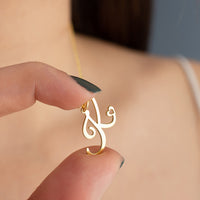
The piece they're describing → Heart Initial Necklace for Women — 18K Gold Plated, Personalized Letter + Heart Pendant
Personalize Yours

