


Black is the most alarming mood ring color — but it's often more mundane than it seems. A black mood ring signals either high stress, cold temperatures, or a broken ring. The good news: you can tell the difference in about 60 seconds. Here's how to diagnose it and what black actually means when it's working correctly.
Shop it: the AJLuxe Color-Changing Mood Ring — a real thermochromic stone in an ornate, antiqued silver-tone band. Join the waitlist.
What Black on a Mood Ring Actually Means
There are three possible causes of a black mood ring reading:
1. Stressed or Anxious
When the body's stress response activates — cortisol and adrenaline flood the system — peripheral blood vessels constrict. This vasoconstriction in the fingers reduces blood flow and drops skin temperature rapidly. When finger temperature falls below approximately 27°C (80°F), the liquid crystals in the ring can no longer reflect visible wavelengths and turn black.
Common stress triggers that turn mood rings black: public speaking, exam nerves, an argument, fear, physical threat, heavy overwork, or acute anxiety episodes.
2. Cold Hands or Cold Environment
The same mechanism, no emotion involved. Cold ambient temperatures constrict peripheral blood vessels regardless of your emotional state. If you've just come in from outside in winter, held a cold drink for an extended period, or are in a heavily air-conditioned room, your ring can turn black with no stress whatsoever.
This is the most commonly misunderstood black reading — people assume they're stressed when they're simply cold.
3. Broken Liquid Crystals
Mood ring stones contain thermochromic liquid crystals sealed inside the setting. These crystals can be damaged by:
- Prolonged exposure to water (especially hot water — the seal degrades)
- Chemical exposure — perfumes, lotions, cleaning products
- Physical impact — dropping the ring or crushing the stone
- Age — older rings (5+ years) often develop permanent black as the crystals degrade
A damaged ring stays black regardless of temperature. It cannot be repaired.
How to Tell If Your Black Mood Ring Is Broken or Just Stressed
Run this 3-step diagnostic to determine whether your ring is broken or simply responding to temperature:
- Hold it in your warm palm for 60 seconds. Cup the stone in your hand with your other hand covering it. Body heat from your palm is typically 34–36°C (93–97°F) — well above the threshold needed to shift the ring out of black.
- Run it under warm (not hot) water for 30 seconds. Lukewarm tap water should be enough. Avoid hot water — it can damage the seal if done repeatedly.
- Place it against your inner wrist. The inner wrist runs warmer than the fingers because the radial artery runs close to the surface. Hold the stone there for 30–45 seconds.
If it changes color at any of these steps: the ring is working correctly. You were cold or stressed, not broken.
If it stays black after all three: the liquid crystals are likely damaged and the ring is broken. There's no repair — the crystals are sealed inside the stone.
What Black Means Emotionally (When the Ring Is Working)
When black isn't caused by cold temperatures, it's the mood ring's signal for intense stress, anxiety, or tension. The ring is picking up on the body's stress response — specifically the peripheral vasoconstriction that follows sympathetic nervous system activation.
Emotional states that commonly cause a black reading:
- Acute anxiety — exam nerves, performance anxiety, panic
- Fear or physical threat — fight-or-flight response
- Intense anger or frustration — especially suppressed anger
- Overwhelm or burnout — prolonged elevated stress
- Grief or emotional shock — acute emotional distress
The ring doesn't distinguish between these — it only reads temperature. But temperature follows emotion in predictable ways: high stress = cold fingers = black ring.
Black vs Brown on a Mood Ring
Brown and black are often confused — they're adjacent on the color scale and both signal stress. The difference is intensity:
| Color | Temperature | What It Signals | Intensity |
|---|---|---|---|
| Black | <27°C / <80°F | Intense stress, anxiety, or cold | High — immediate stress response |
| Brown / Amber | ~27–29°C / 80–84°F | Mild to moderate stress, nervousness | Moderate — early-warning signal |
Brown is the early-warning color before black. If your ring is turning brown before going black, you're watching the stress response build in real time.
Can You Fix a Black Mood Ring?
It depends on the cause:
- If it's cold: Yes. Warm it up. Hold it in your palm, run under warm water, or simply wait until your body temperature normalizes indoors.
- If it's stress: Yes, eventually. Give yourself 10–15 minutes of calm rest. Watch the ring move through brown → amber → yellow → green as your stress response winds down. Deep breathing and physical relaxation accelerate the shift.
- If it's broken: No. The liquid crystals are permanently damaged and sealed inside the stone. Replacement is the only option.
Want to understand the full picture of how mood rings respond to temperature and emotion? See How Do Mood Rings Work? for the full science.
Frequently Asked Questions
What does black mean on a mood ring?
Black on a mood ring means stressed, anxious, or cold — or that the ring is broken. The liquid crystals stop reflecting color below approximately 27°C (80°F), which happens during acute stress (vasoconstriction cools the fingers), cold temperatures, or when the crystals have been permanently damaged by water or chemicals.
Why is my mood ring always black?
If your mood ring is always black, the most likely cause is damaged liquid crystals — especially if the ring is old, has been wet, or has been exposed to perfume or lotions. Test it by holding the stone in your warm palm for 60 seconds. If it doesn't change color, the ring is broken. If it does shift, you likely just run cold or are frequently stressed.
Is a black mood ring bad?
Black is the most intense stress/anxiety reading on a mood ring, so yes — when it's working correctly, black is the "least good" color. It signals your body is in a stress response or cold. However, it's also very common and temporary. The ring will shift to brown, amber, yellow, and eventually green as stress fades or your temperature rises.
Does black mean the mood ring is broken?
Black can mean the ring is broken — but not always. A working ring also turns black when you're stressed or cold. To tell the difference: hold the ring in your warm palm for 60 seconds. If it changes color, it's working. If it stays black despite being warm, the liquid crystals are likely permanently damaged.
How do I fix a black mood ring?
If the ring is black from cold, warm it up — hold it in your palm or place it on your inner wrist. If it's black from stress, give yourself 10–15 minutes of calm rest and watch it transition through brown and amber toward green. If the ring stays permanently black regardless of temperature, the crystals are damaged and cannot be repaired.
What emotion causes a mood ring to turn black?
Intense stress, acute anxiety, fear, panic, and strong anger can all cause a mood ring to turn black. These emotions trigger the body's stress response (sympathetic nervous system activation), which causes peripheral vasoconstriction — blood flows away from the fingers, skin temperature drops below 27°C, and the ring turns black.
What temperature makes a mood ring black?
A mood ring turns black when skin temperature drops below approximately 27°C (80°F). At this temperature, the liquid crystals are so tightly wound that they can't reflect any visible wavelength of light, resulting in the black/dark appearance.
The Bottom Line on Black Mood Rings
Black on a mood ring is the stress signal — but don't panic about it. Most of the time, a momentarily black ring is your body's normal response to cold or a brief stress spike, and it will shift back toward green within minutes. A ring that's permanently black is almost certainly broken, not a permanent verdict on your emotional state.
For the full color spectrum and what every reading means, see our Mood Ring Color Chart and Mood Ring Colors and Meanings guide.
Looking for jewelry that wears as a reminder of calm? Our Birthstone Necklaces carry personal meaning without the stress reading.
Related reading: What does pink mean on a mood ring.
Related reading: What does white mean on a mood ring.
Related reading: What does blue mean on a mood ring.
Related reading: What does green mean on a mood ring.
All third-party trademarks, brand names and product names are the property of their respective owners. AJLuxe is not affiliated with, endorsed by, sponsored by, or otherwise connected to any third-party brand referenced in this article. Brand names are used solely for accurate comparative reference, and material descriptions reflect each brand's own published product specifications at the time of writing.
You Might Also Like

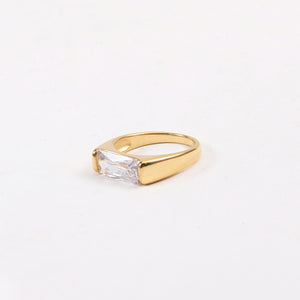
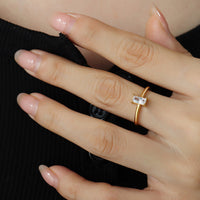
The piece they're describing → Square CZ Wedding Ring for Women — 18K Gold Plated, Princess Cut Cubic Zirconia
Personalize Yours


