



People searching "18K vs 14K gold" are often confused by one thing: does the number actually matter? For solid gold, yes — significantly. For gold-plated jewelry, the answer is more nuanced, and most articles get it wrong.
This guide breaks down the real difference between 18K and 14K, explains exactly what karat numbers mean for both solid and plated jewelry, and helps you make the right choice for what you're buying or wearing.
What the Karat Number Actually Means
Karat (abbreviated K or kt) is a unit of purity for gold, measured on a scale of 24. Pure gold is 24K — 24 out of 24 parts are gold, with no other metals mixed in.
Every karat below 24K means some of the gold has been alloyed (mixed) with other metals — typically silver, copper, zinc, or nickel — to improve hardness, workability, or color.
Wondering why alloying makes gold harder in the first place? See Why Is Gold Soft? What Karat Really Means for the metallurgy behind it.
| Karat | Gold Content | Other Metals | Common Use | Stamp |
|---|---|---|---|---|
| 24K | 99.9% gold | None (or trace amounts) | Coins, bullion, rare jewelry | 999 |
| 22K | 91.7% gold | 8.3% silver/copper | High-karat jewelry (South Asian, Middle Eastern) | 916 |
| 18K | 75.0% gold | 25% silver/copper/zinc | Fine jewelry standard in most markets | 750 or 18K |
| 14K | 58.3% gold | 41.7% other metals | US fine jewelry standard, engagement rings | 585 or 14K |
| 10K | 41.7% gold | 58.3% other metals | Budget solid gold jewelry, US minimum legal "gold" | 417 or 10K |
The key takeaway: higher karat = more actual gold content = richer color + higher price + softer metal. Lower karat = less gold + more alloyed metals = more durable + slightly different tone + lower price.
The Color Difference — What You Actually See
For most buyers, the most visible difference between 18K and 14K is color. This matters whether you're buying solid gold or gold-plated pieces.
18K gold: A rich, warm, vivid yellow. Because it's 75% gold, the gold color is more saturated. This is the "classic fine jewelry gold" color that most people picture when they imagine gold jewelry. Under certain light conditions, 18K yellow gold has a noticeably deeper, warmer glow.
14K gold: A slightly lighter, cooler yellow. The additional alloying metals (silver, copper, zinc) dilute the pure gold tone. It still reads clearly as gold, but sits slightly paler than 18K — especially under natural light where the difference becomes more apparent.
In practical terms: if you put an 18K and a 14K yellow gold piece side by side, most people can tell them apart. 18K looks "more gold." If worn separately, the difference is less obvious to the untrained eye.
For rose gold: 14K rose gold often appears more pink than 18K rose gold, because the higher copper content at 14K produces more visible copper tones. 18K rose gold is a subtler, warmer blush rather than a vivid pink.
For white gold: Both 14K and 18K white gold are almost always rhodium-plated, so the surface appearance is nearly identical regardless of karat.
Solid Gold: 18K vs 14K Durability
This is where the practical difference between 18K and 14K solid gold is most significant — and most misunderstood.
Pure gold (24K) is soft. It bends, dents, and scratches easily. Alloying gold with harder metals improves its durability. The more alloying metals in the mix, the harder and more scratch-resistant the result.
14K is more durable than 18K solid gold for everyday wear. With 41.7% alloying metals vs 18K's 25%, 14K gold better withstands daily contact, scratches, and the physical stress of being worn constantly. This is why engagement rings and wedding bands in the US are commonly 14K — they're designed for daily wear over decades.
18K is more prestigious and more valuable as a material, but softer. It develops micro-scratches faster with rough daily use. It's the standard for fine jewelry in European and many international markets, and typically carries a higher price per gram.
Bottom line for solid gold:
- Everyday wear, active lifestyle, rings or bracelets → 14K is the better practical choice
- Necklaces, earrings, special occasion pieces, maximum prestige → 18K is ideal

Gold-Plated Jewelry: Does 18K vs 14K Actually Matter?
Here's the point most people miss — and most articles get wrong.
For gold-plated jewelry, the karat number describes the purity of the gold in the plating solution. It does not describe durability, longevity, or thickness. Those properties are determined by micron thickness — a completely separate measurement.
An 18K gold-plated necklace with a 0.5-micron plating layer will wear off faster than a 14K gold-plated necklace with a 2.0-micron plating layer. Karat number alone tells you nothing about how long the plating will last.
What actually determines plated jewelry longevity:
| Factor | How It Affects Longevity | What to Look For |
|---|---|---|
| Plating thickness (microns) | Thicker = longer lasting. This is the #1 factor. | 1.0+ microns for quality; vermeil requires 2.5+ microns |
| Base metal | 925 sterling silver is the best base — doesn't corrode through plating | Look for 925 or "sterling silver" stamped on the piece |
| Karat of plating | Affects color and hardness of the gold layer — not lifespan directly | 18K gives richest color; 24K gives brightest yellow but is softest |
| Wear habits | Moisture, chemicals, and friction accelerate wear on any plating | Remove before showers, pools, perfume application |
| Piece type | Rings and bracelets wear faster than necklaces and earrings | Rings lose plating at undersides 5–8× faster from surface contact |
Why 18K plating is still worth choosing: Even though karat doesn't determine durability, 18K gold-plated pieces look noticeably richer and more premium than 14K. For gifting, everyday wear, and pieces you want to look their best, 18K on a 925 sterling silver base with proper plating thickness is the right choice — not because it lasts longer, but because it looks better.
Micron Thickness — The Number Nobody Talks About
Micron thickness is the measurement that actually predicts how long gold plating will last — and almost no retailer publishes it.
- 0.5 microns or less: Commercial-grade flash plating. Wears off within weeks to a few months with daily wear. Common in very cheap fashion jewelry.
- 1.0–2.0 microns: Standard quality plating. Lasts 1–3 years with proper care. This is where most mid-range gold-plated sterling silver jewelry sits.
- 2.5+ microns: Gold vermeil standard (US FTC definition requires minimum 2.5 microns on sterling silver). Lasts 3–5+ years with care. The best non-solid-gold option.
- 3.0–5.0 microns: Heavy-duty professional plating. Approaches gold-filled durability. Rare in consumer jewelry, more common in industrial applications.
When a brand says "18K gold plated" without specifying micron thickness, you're getting a marketing description rather than a durability specification. Quality brands use 925 sterling silver bases with at minimum 1.0-micron plating — the base metal and construction quality are the real indicators of longevity.

18K vs 14K: Which Should You Choose?
The right answer depends on what you're buying.
If buying solid gold jewelry:
- 14K for everyday rings, bracelets, or anything you wear while physically active — more durable, lower price per gram, still clearly gold.
- 18K for necklaces, earrings, pendants, special occasion pieces, or when you want the richest gold color and higher intrinsic value.
If buying gold-plated jewelry:
- 18K on 925 sterling silver is the clear choice for the combination of best appearance and safe base metal. The richer color reads as more premium and is more accurate to fine jewelry's appearance.
- Prioritize the base metal stamp (925 or sterling silver) over the karat number. A 14K piece on 925 sterling silver beats an 18K piece on brass for longevity every time.
- Care habits matter more than karat at any plating thickness — proper storage and keeping it dry adds more life than the karat difference alone.
For the full guide on whether 18K gold-plated jewelry is worth buying — including what "worth it" actually means based on wear habits, price, and expectations: Is 18K Gold Plated Jewelry Worth It?
To understand all the gold stamp markings you'll encounter when shopping (18K, 14K, GP, GF, 750, 585, and more): Complete Gold Jewelry Stamp Guide.
For a full practical guide on making gold-plated pieces last as long as possible: How to Make Gold Plated Jewelry Last Longer.
Related reading: What is rhodium plating the complete guide 2026.
Related reading: 10k vs 14k vs 18k gold.
Related reading: 10k vs 14k gold.
Rose gold specifically has its own purity comparison worth knowing: see 14K vs 18K rose gold, which is more pink.
Curious about where that gold comes from before it's ever plated onto jewelry? We break down how gold is actually mined and what that means for a plated piece's real footprint.
The karat comparison only answers half the question: see exactly how much real gold is in gold-plated jewelry.
Frequently Asked Questions
Is 18K gold better than 14K gold?
For color and gold content, yes — 18K contains more pure gold (75% vs 58.3%) and has a richer yellow color. For durability in solid gold jewelry, 14K is better because the higher alloy content makes it harder and more scratch-resistant. "Better" depends entirely on what you value: appearance and prestige (18K) vs durability and price (14K).
Does 18K gold plating last longer than 14K gold plating?
No. The karat number in gold-plated jewelry describes the purity of the gold in the plating layer — not its thickness or durability. Longevity in plated jewelry depends on micron thickness, the base metal, and wear habits. An 18K piece with thin plating will wear off faster than a 14K piece with thick plating on a quality base metal.
What does "18K gold plated 925 sterling silver" mean?
This stamp means the piece is made of 925 sterling silver (92.5% silver, a hypoallergenic quality base metal) and coated with a layer of 18K gold (75% pure gold) via electroplating. The 925 stamp confirms the base metal quality; the 18K describes the purity of the gold layer on the surface. This is the most common stamp on quality gold-plated fashion jewelry. For a full breakdown of every stamp you'll encounter: What Does 925 Mean on Jewelry?
For the full electrochemistry behind that process, ions, electric current, and how the gold layer actually bonds, see How Gold Plating Actually Works.
Why is 18K gold more expensive than 14K?
18K contains more pure gold (75% vs 58.3%), and gold is priced by weight of pure gold content. An 18K piece of the same weight contains about 28% more actual gold than a 14K piece, which directly increases material cost. The manufacturing and labor are similar; the price difference comes from raw gold content.
Is 14K gold good quality?
Yes. 14K is considered fine jewelry and is the most common standard for gold jewelry sold in the United States. It's durable enough for daily wear, contains more than half pure gold, and won't cause skin reactions in most people. Engagement rings, wedding bands, and fine jewelry sold at major US jewelers are typically 14K.
Can you tell the difference between 18K and 14K gold by looking?
Side by side, yes — 18K yellow gold has a noticeably warmer, richer yellow color than 14K. The difference is more obvious under natural light. Worn separately without comparison, most people cannot reliably identify the karat from appearance alone. White gold in both karats looks virtually identical because both are rhodium-plated.
What is the best karat for everyday gold jewelry?
For solid gold everyday jewelry, 14K offers the best balance: enough gold content to look rich and authentic, with better scratch resistance and lower cost than 18K. For gold-plated everyday jewelry, 18K on a 925 sterling silver base offers the best appearance — though what matters most is the plating thickness and base metal quality, not just the karat.
Does 18K gold tarnish?
Solid 18K yellow gold does not tarnish — gold is chemically inert. 18K gold-plated jewelry is more nuanced: the gold surface doesn't tarnish, but the plating can wear through over time, exposing the base metal underneath, which may tarnish. On 925 sterling silver base, the underlying metal tarnishes gradually. Regular care and proper storage prevent this from happening quickly.
The Karat Question, Settled
Karat tells you one thing: how much of the metal is pure gold. It tells you about color, price, and gold content. It doesn't automatically tell you about durability — for solid gold, hardness goes down as karat goes up; for plated jewelry, the karat of the plating layer barely affects how long it lasts.
For most people shopping for gold-plated jewelry: prioritize the base metal (925 sterling silver), look for a known brand using quality plating thickness, and choose 18K for the richest gold appearance. That combination outperforms both a cheap 18K piece on brass and a quality 14K piece where you wanted the deeper gold tone.
Explore our full range of 18K gold-plated 925 sterling silver jewelry at AJLuxe gold necklaces.
Written by the AJLuxe team. Last updated: May 2026.
All third-party trademarks, brand names and product names are the property of their respective owners. AJLuxe is not affiliated with, endorsed by, sponsored by, or otherwise connected to any third-party brand referenced in this article. Brand names are used solely for accurate comparative reference, and material descriptions reflect each brand's own published product specifications at the time of writing.
You Might Also Like
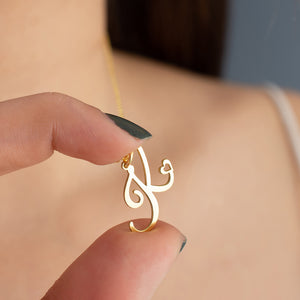
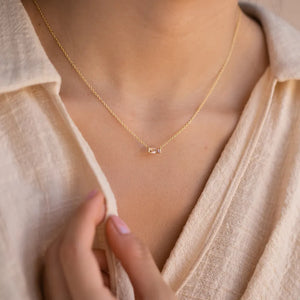
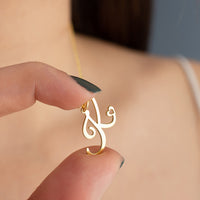
The piece they're describing → Heart Initial Necklace for Women — 18K Gold Plated, Personalized Letter + Heart Pendant
Personalize Yours


