


- Common causes: a snagged or pulled earring, heavy earrings worn for years, gauges or plugs, tight clip-ons and, in some pages, thin or aging skin.
- Two main jobs: repairing a split or torn lobe, and reducing a stretched or enlarged hole.
- Procedure: office or outpatient, usually local anesthesia, stitches removed in about a week (5 to 10 days across the pages we read).
- Cost: one clinic page gives $500 to $2,000 depending on complexity. Others give no price. Insurance usually treats it as cosmetic.
- Re-piercing: sources range from 6 to 8 weeks to 3 to 6 months. Follow your surgeon, not a general rule.
A torn or stretched earlobe is more common than most people expect, and it is nearly always preventable. This guide explains what clinics say earlobe repair involves, what causes the damage, what recovery looks like, when re-piercing is possible according to different sources, and the cost range one clinic publishes. It also covers how to keep a healthy lobe from reaching that point. We sell jewelry, not medical care, so we describe what surgeons and clinics say and leave decisions to a clinician. If your ear has been hurt recently and is bleeding heavily or will not stop, or you see signs of infection, seek medical care rather than reading further.
What Is Earlobe Repair?
Earlobe repair is a procedure that reconstructs an earlobe that has split, torn or stretched out of shape. The clinic pages we read all describe it as a small operation done in a doctor's office or outpatient setting, usually with a local anesthetic that numbs the ear. One page notes children may be given general anesthesia, and another says the procedure can be done under either local or general anesthesia.
The procedure comes in two broad forms:
- Repairing a split or torn lobe. The surgeon closes the gap at the bottom of the lobe with stitches. One page says a small area of tissue is removed and the edges are sewn together, and that larger deformities may need extra tissue flaps.
- Reducing a stretched or enlarged hole. Sagging or stretched tissue is trimmed and the remaining skin is stitched. A clinic page says a lobe can also be reshaped or made smaller, and that the piercing hole can be closed in the same visit.
One or both ears can be treated.
What Causes a Torn or Stretched Earlobe?
The causes named across the pages are a sudden pull, long-term weight, deliberate stretching and some body factors. Taken together, they are:
- A sudden snag or tug. An earring caught on clothing, a towel or a hairbrush, or a blow to the ear. This is the usual cause of a full split.
- Heavy earrings worn for years. Large hoops and chandelier styles slowly pull the hole downward. One clinic page also lists holding a phone between the shoulder and ear as a habit that can lengthen a piercing over time.
- Gauges or plugs. Deliberate stretching enlarges the hole, and several pages list this as a reason for repair.
- Tight clip-on earrings. One page says clips that restrict blood flow can lead to tissue death and splitting, so a comfortable fit matters.
- Thin lobes and aging. A surgeon's page lists thin earlobes and loss of skin elasticity with age as contributors.
If your ears just feel sore from earrings and nothing is torn, that is a separate problem covered in our guide to why earrings hurt your ears and how to fix it. If you are comparing how heavy your own jewelry is, our guide to chunky hoop earrings explains why solid, large pairs feel heavy by the end of the day.
What Should You Do About a Ripped Earlobe?
See a doctor or urgent care clinic for a fresh tear, and do not try to stitch or glue it yourself. None of the pages we read recommend a home fix for a split lobe. The repair is described as a clinical procedure, and a fresh wound can bleed or become infected.
If an older tear has healed and left a notch or a split hole, that is the case the elective repair pages describe. A surgeon's page adds that piercings worn for several years will not close on their own, while newer ones may close over time. For the closing side of the story, see our page on why earring holes close up.
Can a Stretched Earlobe Go Back to Normal?
The pages we read describe surgery as the way to correct a stretched lobe. None of them promise that a stretched hole shrinks back on its own, and one notes that long-worn piercings do not close by themselves. If you have worn gauges, ask a clinician what is realistic for your lobe.
What Happens During the Procedure and Recovery?
The sources describe a short office procedure followed by a few days of mild soreness and a longer period before earrings go back in. These details come from several clinic pages and they differ in places.
| Topic | What the pages say |
|---|---|
| Anesthesia | Local, with numbness lasting a couple of hours. Some pages mention general anesthesia for children or by choice. |
| After the procedure | Mild burning, soreness and swelling are expected. Over-the-counter pain relief and cold compresses are mentioned. One page says to sleep with your head elevated, another says to sleep on your back or the opposite side for the first week. |
| Stitches | Removed in about 5 to 7 days on one page and 7 to 10 days on another. |
| Return to normal activity | A few days to the next day for work. Strenuous exercise, swimming and heavy lifting are avoided for about a week. |
| Full recovery | About 6 to 8 weeks on one page. |
| Scarring | Described as inconspicuous on one page, with scar treatments mentioned. Another page says people with a personal or family history of keloids or bulky scars are at higher risk of prominent scarring. |
Wound care instructions differ between clinics (one suggests cleaning the stitches with a specific solution, another mentions ointment or silicone sheets), so follow the instructions your own surgeon gives you. If you have ever had a keloid, read our guide to ear piercing bumps and keloids and tell your surgeon before any procedure.
What Are the Risks?
One surgeon's page lists pain, bleeding, infection, scarring, a depression or notch in the lobe, a blood collection under the skin (hematoma) and tissue death as possible complications. Another clinic page calls infection, slight asymmetry and a notch rare, and says keloid scars can return in people prone to them. Ask your surgeon to go through the risks for your own situation. Our guide to earring infection signs and treatment lists what infection can look like.
How Much Does Earlobe Repair Cost?
One clinic page says earlobe repair generally ranges from $500 to $2,000 depending on complexity, and that the price depends on whether one or both ears are treated. That is the only dollar figure we found on the pages we read, and it is one office's range, not a national average. Other clinic pages decline to give a price and ask for a consultation, with one noting that cost varies with location, anesthesia, facility fees and surgeon fees.
On insurance, the pages that mention it agree that earlobe repair is usually treated as cosmetic or elective and generally not covered. One page adds that if a sudden, traumatic injury caused the tear, some plans may offer partial coverage. Ask your insurer and the clinic before booking.
When Can You Wear Earrings or Re-Pierce After Repair?
The sources do not agree, so the honest answer is to ask your surgeon. The ranges we found were:
- 6 to 8 weeks after repair (one clinic page).
- About 2 to 3 months before wearing earrings, then starting with small ones (a surgeon's page).
- 3 to 6 months before re-piercing, with the new hole at least 3 mm from the surgical scar and lightweight studs at first (another clinic page).
- No fixed wait, with re-piercing possible during the repair or later (a fourth page).
The common thread is to wait until the repair has healed, to place any new hole away from the scar, and to start light. Before any new piercing, our earlobe piercing chart covers placement and spacing, and the ear piercing aftercare guide covers looking after a fresh hole.
How to Prevent Torn or Stretched Earlobes
Lighter jewelry, secure backs and fewer snag points are the practical steps, and they match what the clinic pages list as causes. These are our suggestions based on those causes, not medical advice:
- Keep daily earrings light. Save heavy hoops and long drops for short outings. If your lobes ache by afternoon, read why earrings hurt your ears and how to fix it.
- Take earrings out before things that can snag them. Towels, pulling a jumper over your head, helmets, phone calls and sleeping are common culprits. Our guide to types of earring backs explains which backs hold securely without pinching.
- Avoid clip-ons that pinch. A clip should hold, not squeeze, based on the page that links tight clips to tissue damage.
When to See a Doctor or a Licensed Piercer
See a doctor for any fresh tear, bleeding that does not stop, an ear that is hot, red, swollen or leaking pus, fever, or pain that is getting worse instead of better. See a plastic surgeon, a dermatologist or another clinician who does earlobe repair if you have an old split or a stretched hole you want fixed, and ask about cost, risks and the healing timeline in writing. A licensed piercer is the right person for jewelry fit, post length and re-piercing placement once a surgeon has said the repair has healed. For long-healed holes that bleed, see a clinician as well.
An Honest Note on Our Jewelry
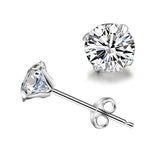
AJLuxe does not sell medical products and we do not claim any earring prevents or treats a torn lobe. What we can say plainly is that lighter pieces put less weight on the lobe than large, solid ones. Our CZ stud earrings are small 925 sterling silver studs set with simulated stones (cubic zirconia, not diamond), and our stud earrings collection is the place to browse small pieces. If you have had a repair, wait for your surgeon to clear you before wearing anything, and ask them whether a given metal and weight suits you. We do not sell piercing services or starter jewelry for new holes.
More in this guide
Related reading: what to do when an earring back is stuck in the earlobe, why an earring hole bleeds, ear piercing bumps and keloids, and how to clean pierced ears.
Frequently Asked Questions
How do I fix a ripped earlobe?
A ripped lobe is treated by a clinician, who stitches the split closed, often under local anesthesia. None of the clinic pages we read recommend fixing it at home, so see a doctor, urgent care or a plastic surgeon.
Can earlobe stretching be reversed?
The pages we read describe surgery to reduce a stretched hole and none promise that it shrinks back on its own. One page says piercings worn for several years will not close without help. A clinician can tell you what is realistic for your lobe.
How much does earlobe repair cost?
One clinic page gives a range of $500 to $2,000 depending on complexity and on whether one or both ears are treated. Other clinics give no figure. Treat it as one office's range, and ask for an all-inclusive quote.
Does insurance cover earlobe repair?
Pages that mention it say it is usually considered cosmetic and not covered. One adds that some plans may offer partial coverage when a sudden injury caused the tear. Check with your insurer and the clinic first.
How painful is earlobe repair?
The ear is numbed with local anesthetic, and the pages describe mild burning, soreness and swelling afterward, easing over a day or two with simple pain relief and cold compresses.
How long after earlobe repair can I re-pierce?
Sources range from 6 to 8 weeks to 3 to 6 months, and one says the timing is flexible. The new hole is usually placed away from the scar. Follow your surgeon's advice.
What causes torn earlobes?
A snagged or pulled earring, heavy earrings worn over years, gauges, tight clip-ons and thin or aging skin are the causes the clinic pages name.
Sources
Four plastic surgery and cosmetic surgery clinic pages describing earlobe repair (causes, procedure, recovery, cost, re-piercing timing and risks), all read 2026-10-09. The one cost range comes from a single clinic page. Where pages disagreed we say so. This is general information and not medical advice.
Written by AJLuxe Team. Last updated: October 2026
All third-party trademarks, brand names and product names are the property of their respective owners. AJLuxe is not affiliated with, endorsed by, sponsored by, or otherwise connected to any third-party brand referenced in this article. Brand names are used solely for accurate comparative reference, and material descriptions reflect each brand's own published product specifications at the time of writing.
You Might Also Like
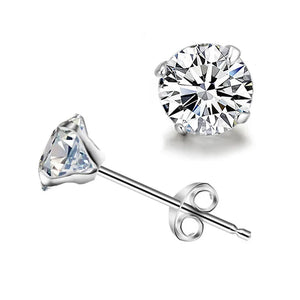
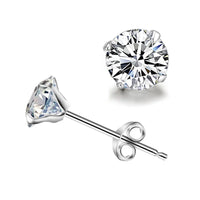
The piece they're describing → CZ Stud Earrings for Women — 925 Sterling Silver, Cubic Zirconia, Hypoallergenic
Personalize Yours


