


- Buildup is common: skin oil, dead skin, hair and skin products collect around the hole and behind the lobe.
- Method: clean hands, mild soap and water, rinse, pat dry. Clean the earring post and back too.
- Avoid: rubbing alcohol, hydrogen peroxide, picking, and scrubbing hard.
- Not just dirt: swelling, heat, pain, pus or spreading redness are signs to see a doctor.
- New piercing? That is a different routine. See our aftercare guide.
If your piercings healed years ago, you can still get crusty bits on the post, a sticky film behind the lobe, or a faint smell when you take earrings out. This guide is for those established holes. It uses what a national public health service, a piercers' association, a consumer health site, a piercing studio's blog and pediatric clinics say about caring for pierced ears, and it is honest about a gap: almost all published advice is written for fresh piercings, and there is very little formal guidance for ears that have healed. For fresh ones, go to our ear piercing aftercare guide instead.
What Is the Gunk on Pierced Ears?
It is usually a mix of skin oil, dead skin cells and whatever else sits on your skin, such as lotion, sunscreen, hairspray and shampoo residue. In a new piercing, the public health service page describes a pale fluid that dries into crust as part of normal healing, and a piercing studio's blog says the same crust is dried fluid you should not pick at. For a healed hole, our own guide to cleaning earrings points to buildup between the backing and the ear as the usual cause of both residue and odor, which is general information drawn from our research on earring care, not a medical finding. If a hole is producing something new, such as thick colored discharge or a bad smell with soreness, treat that differently and read the section on irritation below.
How Do You Clean Healed Ear Piercings?
Use clean hands, a mild fragrance-free soap, plenty of water and a clean way to dry, front and back of each lobe. Here is the routine we suggest, built from the points the sources agree on:
- Wash your hands first. Every source we read starts here.
- Remove the earrings if the piercing is long healed and you are comfortable doing so. A pediatric clinic page tells you to wash the earlobe and holes with the earring out and clean the post. If the piercing is not fully healed or closes quickly, leave the jewelry in and clean around it.
- Wash the lobe with warm water and a small amount of mild, unscented soap, front and back. The piercers' association page says that if you use soap, choose a gentle one free of dyes and perfumes and rinse it away fully. A consumer health site likewise says a gentle, fragrance-free soap is fine.
- Soften stubborn crust instead of picking it. The public health service page suggests warm salty water to soften crust, and the piercing studio's blog says that if a crust does not come away easily, leave it and try again later.
- Rinse and pat dry with clean gauze or a clean paper towel. The public health page and the piercers' association page both steer away from cloth towels for piercings, and the public health page adds that a cotton bud or pad is better than cotton wool.
- Clean the earring before it goes back in. See how to clean earrings for the post, the back and the front.
How Often Should You Clean Your Ear Piercings?
There is no sourced schedule for healed ears. For new piercings, sources say twice a day (the public health service and a pediatric clinic) or two to three times a day (a consumer health site), and the piercers' association warns that over-cleaning can delay healing. For a healed piercing, the practical approach is to include your ears in your regular wash and give them extra attention when you notice buildup. That is our judgment, not a standard. If you wear the same earrings every day, cleaning the earring itself matters as much as cleaning the ear.
What Should You Avoid?
- Rubbing alcohol and hydrogen peroxide. The piercers' association, a consumer health site, a piercing studio and a pediatric clinic page all warn against them for piercings. One pediatric page for an infected lobe uses alcohol and ointment as part of its steps, but that is a treatment plan for infection, not routine care.
- Antibacterial soap, iodine and harsh antiseptics. On the piercers' association avoid list.
- Picking at crust or forcing it off. Both the public health service page and the piercing studio's blog say not to.
- Twisting dry jewelry. The public health page specifically warns against twisting jewelry while the piercing is dry.
- Heavy earrings and tight backs. A pediatric clinic page lists heavy earrings, clasps fastened too tightly and rough or scratched posts among the things to avoid for earlobe irritation. Our guide to why earrings hurt and what to do goes through the common causes.
- Sleeping in earrings every night. The same pediatric page says to take earrings out at night so the hole can breathe. Other advice differs for fresh piercings, and we cover options in can you sleep with earrings in.
If you wear earrings with nickel posts, the same pediatric page notes they can cause an itchy allergic reaction. For metal questions see earrings for sensitive ears and hypoallergenic ear piercing jewelry.
What About Smell?
Odor from earrings or earring holes is usually buildup, not poor hygiene, and it has its own page: our guide to why earrings smell covers the causes and fixes, so we do not repeat them here. The routine above, plus cleaning and fully drying the earrings, is the starting point. A persistent bad smell together with pain, swelling or discharge is a reason to see a doctor.
When Does Residue Mean Irritation or Infection?
Residue alone is common, but residue plus swelling, pain, heat or pus is not just dirt. The public health service page lists a swollen, painful, hot or very red or dark area, blood or pus (white, green or yellow), and feeling hot, cold, shivery or unwell as signs of infection. A pediatric clinic page treats localized redness, swelling and crusting at the earring site as possible infection and says redness that spreads needs prompt evaluation. Compare what you see with the table.
| What you notice | Usual reading, in general terms |
|---|---|
| Light flaky or sticky film, no pain | Buildup. Clean the lobe and the earring. |
| Itchy, red area where the metal touches | Possible metal irritation. Try a break and see the guide above. |
| Swelling, heat, pain, pus, spreading redness, fever | Possible infection. See a doctor. Our infection guide has the signs. |
This table is a vocabulary aid, not a diagnosis. A doctor is the right person to tell the difference.
When to See a Doctor or a Licensed Piercer
See a doctor for fever, spreading redness, heat, pus, increasing pain, or an earring back that is stuck or has sunk into the skin. The public health service page says to leave jewelry in unless a doctor says to remove it when an infection is suspected. See a licensed piercer for questions about post length, the fit of the back or jewelry that rubs. Holes that are left empty for long can narrow or close, which our guide to earring holes closing up explains.
An Honest Note on Our Jewelry
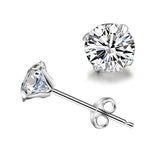
AJLuxe does not sell cleaning solutions or piercing aftercare. Our earrings are fashion jewelry for healed ears, 925 sterling silver with 18K gold or rhodium plating, and the CZ stone is simulated. Keeping them clean is the same job as keeping the ear clean: wipe after wearing and let them dry before storing. Browse stud earrings, or see the CZ stud earrings, which list a 925 sterling silver post and a butterfly back. We make no claim that any piece prevents or treats irritation.
More in this guide
Related reading: saline solution for ear piercing, ear piercing aftercare, why an earring hole bleeds, and what to do when an earring back is stuck in the earlobe.
Frequently Asked Questions
How do I clean my pierced ears at home?
Wash your hands, then wash the lobes with warm water and a mild, fragrance-free soap, rinse well and pat dry with a clean paper towel or gauze. Clean the earrings before wearing them again.
What can I use to clean earring holes?
Mild soap and water, or sterile saline wound wash if your piercer recommends it. Avoid rubbing alcohol, hydrogen peroxide, antibacterial soap and strong antiseptics, which sources warn against for piercings.
Can I go one day without cleaning my piercing?
The sources we read do not address a skipped day for healed ears, and they warn that cleaning too often can irritate. Follow your piercer's advice if your piercing is still healing.
Why is there gunk behind my earring?
Usually a mix of skin oil, dead skin and products collecting between the back and the lobe. Cleaning the lobe and the earring back, and drying both fully, is the usual fix.
Should I take my earring out if it is swollen?
If you suspect infection, the public health service page says to leave the jewelry in unless a doctor tells you to remove it, and to get medical advice quickly. A pediatric clinic page says to remove the earring and cleanse the area for redness or swelling and to call if there is no improvement the next day. These differ, so call a doctor and ask.
How do I treat an inflamed ear piercing?
We do not give treatment plans. Inflamed can mean irritation or infection, and the right approach depends on which. Warm, spreading redness, pus or fever need a doctor.
How do I reduce swelling in a piercing?
Sources do not give a home cure for swelling, and swelling together with heat or pain is a reason to see a doctor. A pediatric clinic page lists heavy earrings and tightly fastened clasps among the things to avoid for earlobe irritation.
Sources
A national public health service page on infected piercings (cleaning, normal healing, infection signs), a piercers' association aftercare page (soap, avoid list), a consumer health information site on ear piercing, a piercing studio's aftercare blog post (crust, gentle drying) and two pediatric clinic pages (soap and water routine; earlobe irritation care), all read 2026-10-09. Where they disagreed we say so. The healed-ear routine is our own synthesis and is labeled as such. This is general information and not medical advice.
Written by AJLuxe Team. Last updated: October 2026
All third-party trademarks, brand names and product names are the property of their respective owners. AJLuxe is not affiliated with, endorsed by, sponsored by, or otherwise connected to any third-party brand referenced in this article. Brand names are used solely for accurate comparative reference, and material descriptions reflect each brand's own published product specifications at the time of writing.
You Might Also Like
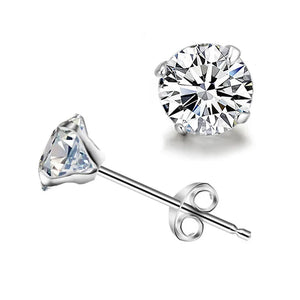
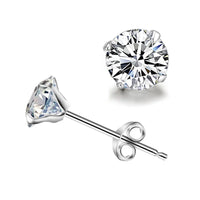
The piece they're describing → CZ Stud Earrings for Women — 925 Sterling Silver, Cubic Zirconia, Hypoallergenic
Personalize Yours


