


- Two common causes: irritation (sweat, friction, residue) and metal allergy (nickel is the usual culprit).
- Look: itchy, red or darker patches, dry or cracked skin, sometimes blisters, in the shape of the bracelet.
- Timing: allergic rashes can take 12 to 72 hours to appear and may last two to four weeks without treatment (one medical center page).
- First step: take the bracelet off, keep the skin clean, dry and moisturized, and see whether it settles.
- See a doctor if it does not improve, keeps coming back, spreads, blisters or shows signs of infection.
A red, itchy band of skin where a bracelet sits is a very common complaint, and it often appears on a bracelet you have worn happily for years. This guide is about the wrist specifically: why that spot is prone to rashes, how to tell an irritation from a metal allergy, what dermatology and medical sources say you can try, and when to stop troubleshooting and see a professional. It is not a diagnosis, and we are a jewelry shop, not a clinic. For the wider topic of metal allergy and jewelry in general, our guide to jewelry allergy symptoms and causes goes deeper.
What Causes a Rash Under a Bracelet?
The sources describe two main mechanisms, and a wrist can suffer from both at once. A dermatology practice page about wrist-worn trackers describes the wrist as a place where friction, pressure and moisture build up, and that applies to any snug band, from a watch strap to a cuff.
- Irritation. Sweat, soap, lotion and perfume can be trapped between the band and your skin. The dermatology practice page lists soap residue, lotion and perfume as irritants that build up under a strap, and a medical news page says debris and moisture under a ring can irritate skin and may attract bacteria. A public health page says irritant contact dermatitis is the most common type, usually from soaps, detergents or regular contact with water.
- Allergy. The immune system reacts to a metal such as nickel. A medical center page lists bracelets, clasps, earring backs, necklaces, rings and watchbands as items commonly made with nickel, and an allergist's page says the allergy can seem to appear suddenly, even from jewelry worn for years, and tends to last for life once it develops.
- Fit and friction. A bracelet that is too tight, or one that slides and rubs, can add physical irritation. The dermatology practice page advises wearing a band loosely enough that it can move on the wrist. Our bracelet size chart shows how much room most guides recommend.
How Can You Tell Irritation From an Allergy?
You often cannot tell by looking, and the honest answer is that only a clinician, sometimes with a patch test, can be sure. The sources give these general clues.
| Type | What the sources say |
|---|---|
| Irritant contact dermatitis | More common. Triggered by moisture, soap, friction and residue. Often improves once the band is cleaned, dried and given a break. |
| Allergic contact dermatitis | An immune reaction to a metal such as nickel. Usually appears where the metal touched the skin, starting from a few hours to about two days after contact. Can blister and crust over. |
| Heat rash | Small raised, prickly spots from sweat trapped in blocked sweat glands. A national health service page says it can appear anywhere on the body and usually clears within a few days if you keep cool. |
On appearance, one medical center page lists hives, cracked skin, itching or burning, dry patches and red or discolored skin. A national health service page notes that lighter skin looks red while darker skin can look dark brown, purple or grey. A raised, red, very itchy rash with possible blisters or dry thickened skin is how one allergy page describes a jewelry reaction. If the rash covers more than the bracelet area, or you are unsure, a doctor can help sort it out.
Which Metals Are Most Often Involved?
Nickel is the most common culprit named across the pages we read. A medical center page notes that white gold may include nickel, and an allergy page says items labeled gold or silver can still contain traces of nickel or other metals. A medical news page adds that gold may contain trace metals and that sweat and friction can expose them over years of wear. Cobalt and chromium are listed as less common triggers, mainly in costume or colored jewelry.
The pages list lower-nickel options including titanium, platinum, surgical-grade stainless steel, sterling silver and higher-karat yellow gold, though they are not identical lists. Our own note: plated jewelry can wear through at the points that rub most, such as the inside of a cuff or around a clasp, so the metal under the plating matters. See our guides to nickel-free jewelry, what hypoallergenic really means (it is not a regulated term) and hypoallergenic silver bracelets.
How Long Does a Bracelet Rash Last?
Without treatment, an allergic jewelry rash may last two to four weeks, according to one medical center page and an allergy page. An irritant rash can clear faster once the cause is removed. The national health service page says contact dermatitis usually improves or clears completely when the substance causing the problem is identified and avoided. The same medical center page says skin is more likely to react when it is broken, raw or wet.
What Can You Try at Home?
The sources agree on a short list: stop wearing the suspected piece, be gentle with the skin, and watch whether it clears. These are general suggestions drawn from those pages, not treatment advice for your skin.
- Take the bracelet off. An allergy page and a dermatology practice page both suggest removing the item and seeing whether symptoms improve. The dermatology practice page suggests several days off to see if a mild rash resolves.
- Keep the skin clean, dry and moisturized. The medical center page lists moisturizers and oatmeal baths as home care, and short-term use of over-the-counter steroid cream. It also warns that over-the-counter antibiotic creams may worsen symptoms. Ask a pharmacist or doctor before using any cream.
- Clean the bracelet itself. If built-up residue is the cause, a medical news page says professional cleaning may resolve the rash. Our guide to cleaning jewelry at home covers safe methods by material, and note that harsh cleaning products can themselves leave residue.
- Do not scratch. The dermatology practice page notes scratching damages the skin and raises infection risk.
- Test one change at a time. Change the bracelet or your soap, not both at once, so you learn which was the trigger. A skin diary helps, as the dermatology practice page suggests for recurring flare-ups.
Do Barriers Like Clear Nail Polish Help?
Two sources mention clear nail polish as a barrier, and they present it as a stopgap, not a cure. A medical news page suggests coats on the inside of a ring band if allergy is suspected, and an allergist's page says clear polish or liquid barriers, reapplied regularly, can help for items you cannot give up. For watch-style wristwear, the medical center page suggests cloth, leather or plastic bands and plastic fasteners. Polish wears off with friction, so this is a short-term workaround, and a barrier does not make a metal safe for someone with a confirmed allergy.
How to Reduce the Chance of a Bracelet Rash
- Dry your wrist and the band after sweating or washing. Moisture is the common thread in the irritation sources.
- Put lotion and perfume on first and let them dry before you put a bracelet on. This is our suggestion, based on the residue problem the sources describe.
- Do not wear it 24 hours a day. The dermatology practice page suggests removing a wrist band for about 20 minutes each day and switching wrists from time to time.
- Keep the fit loose enough to move. A snug cuff or bangle that cannot shift traps moisture.
- Take it off before washing hands or cleaning. A medical news page recommends removing rings before washing to let skin dry, and the same logic applies to a bracelet.
- Know what it is made of. If you have reacted before, check the base metal and clasp, not just the finish. See why jewelry turns skin green if your wrist is discolored rather than itchy; that is a different, usually harmless reaction.
When to See a Doctor
See a doctor or dermatologist if the rash does not improve or gets worse, keeps coming back, or spreads. A medical center page lists fever, spreading redness, pain, pus or a rapidly spreading rash as signs of infection, and says to seek care if treatments are not helping. A medical news page says blisters call for immediate medical advice because they can signal a serious condition. Call for urgent help if you have shortness of breath or dizziness, which the dermatology practice page lists as signs of a severe allergic reaction. A dermatologist or allergist can run a patch test to find the trigger, which an allergist's page describes as small amounts of possible allergens placed on the back for 48 to 72 hours.
An Honest Note on Our Bracelets
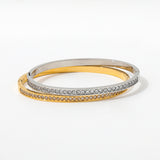
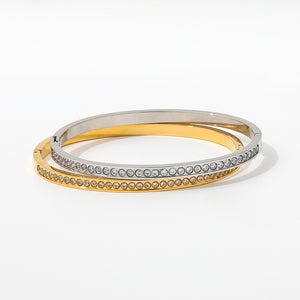
We do not claim that any AJLuxe bracelet is safe for a metal allergy or prevents a rash. Our bracelets are finished with 18K gold or rhodium plating over a base metal that depends on the piece, and plating can wear thin with use. Always read the material line on the product page. If you have had a reaction, talk to your doctor before trying a new piece and test a new bracelet for short periods first. For example, our CZ bangle bracelet lists a 316L stainless steel base with gold or rhodium plating and simulated cubic zirconia stones. Browse the full bracelets collection or our hypoallergenic jewelry collection, and read jewelry for sensitive skin and the best metals for sensitive skin before you buy.
More in this guide
Related reading: necklace rash, what to do when a bracelet is too tight, ring marks on the finger, and anti-tarnish strips.
Frequently Asked Questions
How do I get rid of a bracelet rash?
Take the bracelet off and keep the skin clean, dry and moisturized, which the sources list as first steps. If it does not improve, or if it blisters or looks infected, see a doctor, who can suggest stronger treatment.
What does a jewelry rash look like?
Itchy, red or darker patches, dry or cracked skin and sometimes blisters, in the area where the jewelry touches. On darker skin it may look brown, purple or grey, per a national health service page.
How long does a jewelry rash last?
An allergic rash may last two to four weeks without treatment, according to a medical center page. An irritant rash may clear sooner once the cause is removed.
Can I get an allergic reaction to a bracelet I have worn for years?
Yes. An allergist's page says nickel allergy can seem to appear suddenly, even from jewelry worn for years. A medical news page says the same is true for ring rashes.
What does an allergic skin rash look like?
Sources describe itching, redness or discoloration, dry patches, swelling and sometimes blisters that may crust over. Only a clinician can tell an allergy from irritation for certain.
What jewelry are most people allergic to?
Nickel is the most common culprit named by the sources, found in many bracelets, clasps, earrings, necklaces and watchbands. White gold may contain nickel, and gold or silver labeled items can contain traces.
Can a tight bracelet cause a rash?
It can add friction and trap moisture, which the sources describe as causes of irritation. A band should be loose enough to move on the wrist.
Sources
A US academic medical center page on nickel allergy, a medical news page on ring rash, a dermatology practice page on wrist-band rashes, a national health service page on contact dermatitis and another on heat rash, two allergist and allergy-information pages, and an allergy and immunology practice page on jewelry and contact dermatitis, all read 2026-10-09. Where sources differed we say so. This is general information and not medical advice.
Written by AJLuxe Team. Last updated: October 2026
All third-party trademarks, brand names and product names are the property of their respective owners. AJLuxe is not affiliated with, endorsed by, sponsored by, or otherwise connected to any third-party brand referenced in this article. Brand names are used solely for accurate comparative reference, and material descriptions reflect each brand's own published product specifications at the time of writing.
You Might Also Like
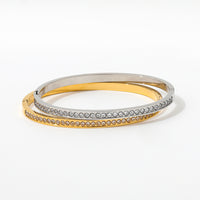
The piece they're describing → CZ Bangle Bracelet for Women, Gold or Silver Plated, CZ Stones
Personalize Yours


