


There are 8+ types of earring backs, each designed for different earring weights, styles, and security levels. The back you choose affects how long earrings stay in, how comfortable they feel to wear, and how secure they are during activity. Here's everything you need to know.
Shop it: the AJLuxe Sterling Silver Ear Cuff — no piercing needed, nickel-free 925 sterling silver. Join the waitlist.
Complete Earring Back Types Chart
| Type | Also Called | Security | Best For | Earring Style |
|---|---|---|---|---|
| Butterfly / Push-back | Friction back | Medium | Studs, everyday wear | Most common |
| Screw-back | Safety back | Highest | Children, valuable studs | Studs |
| Latch-back / Hinged | Snap-back | High | Hoops, huggie earringss | Huggie earrings |
| Lever-back | Shepherd's hook | High | Drop and dangle earrings | Dangle earrings |
| Omega back | Clip omega | High | Heavy statement earrings | Statement earrings |
| La Pousette | Safety push-back | Very high | Fine jewelry studs | Fine studs |
| Hook / Shepherd's hook | Fish hook | Low | Drop earrings, casual wear | Dangle, casual |
| Clip-on | N/A | Medium | Non-pierced ears | Any style |
Butterfly Earring Backs (Push-Backs) — Explained
The butterfly back — also called a push-back or friction back — is the most common earring back in the world. If you've ever worn stud earrings, you've almost certainly used one.
How they work: The back features two small wing-shaped loops made from thin metal. When you push it onto the earring post, the wings grip the post by friction. That friction is the only thing holding the earring in place.
Pros: Quick to put on and remove. Works with virtually any stud post. Inexpensive to replace when lost.
Cons: The friction grip can loosen over time, especially with frequent use. More likely to fall off during activity than screw or lever-back styles.
Best for: Everyday stud earrings, light earrings, casual wear.
How to tighten a loose butterfly back: Use two pairs of pliers (or your fingernails) to gently squeeze the two wing loops closer together. This restores the friction grip. If the back is still too loose after tightening, replace it — replacement butterfly backs cost under $5 for a pack.
Screw-Back Earrings — The Most Secure Option
The screw-back is exactly what it sounds like: the earring post is threaded, and the back screws on like a nut onto a bolt. To remove the earring, you unscrew the back. To put it on, you thread it clockwise until it's snug.
Why it's the most secure: Unlike friction-based butterfly backs, a screw-back cannot fall off accidentally. The only way it comes off is intentional unscrewing. This makes it near-impossible to lose.
Best for:
- Children's earrings (especially after a new piercing)
- Diamond and high-value studs
- Active lifestyles — sports, travel, gym
- Anyone who has lost earrings before and wants peace of mind
Downside: Slower to put on and remove than butterfly backs. Requires a bit more dexterity, which some people find inconvenient for daily earrings. The threaded post is also slightly longer than a standard post.
Lever-Back vs Latch-Back — What's the Difference?
These two are frequently confused, but they're designed for different earring styles and work differently.
| Feature | Lever-Back | Latch-Back |
|---|---|---|
| How it works | Spring-loaded wire passes through ear, clicks closed behind the lobe | Hinged closure that snaps shut over the post |
| Security | High | High |
| Best earring style | Drop and dangle earrings | Huggie hoops and small hoops |
| Ease of use | Very easy — single motion to open and close | Very easy — snaps open and shut |
| Earring movement | Earring can swing freely | Earring sits flush against the lobe |
Lever-back in practice: You open the lever arm, slide the wire through your piercing, then press the lever closed. The spring mechanism keeps it firmly shut. Because the earring hangs from the wire, it can swing and move — which is ideal for drop earrings and dangles.
Latch-back in practice: Found almost exclusively on huggie earrings and small hoops. The hoop passes through the ear and the post clicks into the hinged closure. The earring sits close to the lobe, with little movement. The snap closure is secure and intuitive.
Which Earring Back Is Most Secure?
Security ranking from highest to lowest:
- Screw-back — only releases with intentional unscrewing
- La Pousette — requires two-handed intentional pressure to release
- Lever-back — spring closure is very difficult to open accidentally
- Latch-back — snap closure holds well, unlikely to open by accident
- Omega back — secure closure but can unhook if caught on clothing
- Butterfly (push-back) — friction-only hold; loosens over time
- Hook / Fish hook — no closure mechanism; easiest to lose
For valuable earrings: Always choose screw-back or La Pousette. These are the only backs that cannot fall off accidentally. Every fine jewelry studio uses them on diamond studs for a reason.
For everyday earrings: A well-fitting butterfly back is adequate for light studs. If you've ever lost an earring, upgrading to a screw-back post makes sense.
Best Earring Backs for Sensitive Ears
The material matters more than the style when it comes to sensitive ears. The safest metals for earring backs are: For a full comparison by material, see our hypoallergenic earrings for sensitive ears.
- Sterling silver (925) — naturally nickel-free, low allergen risk
- 14K or 18K gold — the higher the karat, the less alloy content
- Surgical-grade titanium — hypoallergenic, used in medical-grade piercing jewelry
- Niobium — increasingly popular for sensitive ear sufferers
Butterfly backs with surgical steel or sterling silver posts are fine for most people with sensitive ears. The key is making sure the post and back are both made from a safe metal — not just the earring front.
Avoid: Cheap alloy backs, nickel-containing metals, or unspecified "gold-tone" backs. For a broader guide to choosing jewelry safe for sensitive skin across all piece types, see our jewelry for sensitive skin guide. These are the most common triggers for contact dermatitis from earrings.
For a full guide to choosing earrings that won't irritate your skin, see: earrings for sensitive ears — materials, styles, and what to avoid.
Frequently Asked Questions
What are the different types of earring backs?
The 8 main types are: butterfly (push-back), screw-back, latch-back/hinged, lever-back, omega back, La Pousette, hook/shepherd's hook, and clip-on. Each is designed for different earring styles and security needs.
What is the most secure earring back?
The screw-back is the most secure — it screws onto a threaded post and cannot come off accidentally. La Pousette (used in fine jewelry) is the second most secure, requiring intentional two-handed pressure to release.
What is a butterfly earring back?
A butterfly back (also called push-back or friction back) is the most common earring back. It grips the earring post by friction via two small wing-shaped loops. It's easy to use but can loosen over time.
What is the difference between lever-back and latch-back earrings?
Lever-back earrings use a spring-loaded hinged wire that passes through the ear and clicks closed — best for drop and dangle earrings. Latch-back earrings use a simple snap hinge — typical on huggie hoops. Both are secure; the difference is the earring style they suit.
What earring back is best for heavy earrings?
The omega back is best for heavy statement earrings — it distributes weight across the ear, reducing the pull on the lobe. Lever-back is the second-best option for heavier drops.
What earring back is best for sensitive ears?
Any back made from 925 sterling silver, 14K+ gold, or surgical titanium. Avoid backs with nickel or unspecified alloys. Material matters more than back style when it comes to allergic reactions.
How do you tighten a loose earring back?
For butterfly backs: use two pairs of pliers or your fingernails to gently squeeze the wings closer together, restoring friction grip. If it won't stay tight, replace it — replacement backs are inexpensive and widely available.
What is a La Pousette earring back?
La Pousette is a high-security safety back used in fine jewelry. It requires intentional two-handed pressure to release, making it nearly impossible to lose. Standard on diamond studs and high-value fine jewelry earrings.
Ready to explore earring styles? Our types of ear piercings guide covers all 15 piercings with pain ratings, healing times, and recommended jewelry for each placement.
Not sure which earring style works for your ears? See our complete guide to earrings for sensitive ears — including which metals, posts, and back styles are safest.
Browse AJLuxe's birthstone necklace collection — personalized jewelry in 925 sterling silver and 18K gold plating.
Written by the AJLuxe Jewelry Team. Last updated: June 2026.
All third-party trademarks, brand names and product names are the property of their respective owners. AJLuxe is not affiliated with, endorsed by, sponsored by, or otherwise connected to any third-party brand referenced in this article. Brand names are used solely for accurate comparative reference, and material descriptions reflect each brand's own published product specifications at the time of writing.
You Might Also Like
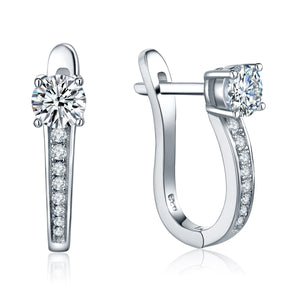
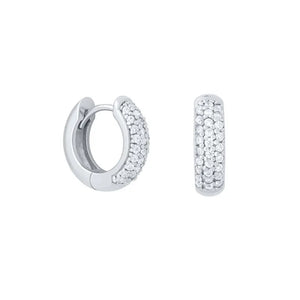
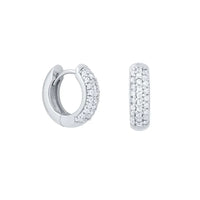
The piece they're describing → Diamond-Cut Huggie Hoop Earrings for Women — 925 Sterling Silver, Hypoallergenic
Personalize Yours


