


Note: Crystals are not a medical treatment for insomnia or any sleep disorder. The information here reflects crystal healing traditions and is intended for wellness and ritual use only. If you experience chronic sleep problems, please consult a healthcare professional.
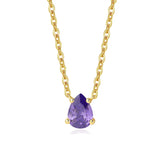
Shop our amethyst pendant necklace — Keep amethyst close at night — a genuine water-drop pendant to set on your nightstand or wear during your wind-down routine.
According to the CDC, about 1 in 3 American adults do not get enough sleep. While the causes are complex — stress, screen time, irregular schedules, anxiety — one underrated element of sleep hygiene is the bedtime ritual itself. The act of intentionally winding down, of signaling to the nervous system that it is safe to rest, is powerful medicine.
Crystals have been part of bedtime ritual for thousands of years. Ancient Romans placed amethyst beneath their pillows for peaceful, clear-headed sleep. Medieval Europeans used gemstones as protective talismans in the bedroom. Victorian-era households kept selenite in the bedroom for its association with calm and clarity. These traditions persist today because ritual works — not necessarily because crystals vibrate at a measurable frequency, but because the human mind responds to intentional, sensory-rich cues that it is time to let go.
This guide covers the 7 best crystals for sleep, how to use them, which ones to avoid, and how to choose a sleep crystal as a gift for someone who needs better rest.
Why Place Crystals in Your Bedroom?

Sleep hygiene refers to the habits and environment that promote consistent, restful sleep. Most sleep hygiene advice focuses on screens, temperature, and schedule — all important. What often gets overlooked is the transition ritual: the series of actions that help the brain shift from alert to restful mode.
Placing a crystal on your nightstand, holding it while doing slow breathing exercises, or arranging crystals at the corners of your bed creates a sensory anchor. Your brain begins to associate these tactile, visual cues with relaxation. Over time, the ritual itself becomes a sleep trigger.
The specific crystals you choose matter too — in crystal practice, different stones carry different energetic associations. Low-energy, calm stones (amethyst, moonstone, selenite, howlite) are associated with rest and peace. High-energy stones (carnelian, citrine, tiger's eye, red jasper) are associated with activation, motivation, and bold action — qualities you don't want amplified at bedtime. The Sleep Foundation's sleep hygiene guidelines emphasize that consistent pre-sleep cues are one of the most effective ways to improve sleep quality.
The 7 Best Crystals for Sleep
1. Amethyst — The #1 Sleep Crystal
Amethyst is the most widely recommended crystal for sleep, and for good reason. Its purple color is associated with the crown and third eye chakras — the energy centers connected to consciousness, mental clarity, and inner peace. In crystal practice, amethyst is believed to calm racing thoughts, promote vivid and meaningful dreams, and protect against nightmares.
The stone has a rich history as a sleep aid. Ancient Greeks called it "amethystos," meaning "not intoxicated" — they believed it brought clarity of mind and guarded against overindulgence. Medieval monks wore amethyst for clarity and peaceful sleep. Roman soldiers and scribes placed it under their pillows for calm, focused rest.
Amethyst is the ideal choice if your sleep problem is a racing, overactive mind — the kind of insomnia where you lie in bed replaying conversations, planning tomorrow, or caught in anxious thought loops. Its energy is deeply calming without being sedating — it quiets the noise so you can drift naturally into sleep. Learn more in our amethyst meaning and healing properties guide.
2. Selenite — The Room Cleanser
Selenite is a white or translucent crystal named after Selene, the Greek goddess of the moon. In crystal practice, it is strongly associated with the crown chakra and is believed to clear negative or stagnant energy from any space. Placing selenite in your bedroom is thought to fill the room with calm, high-vibration peace — like clearing the air before sleep.
Unlike many other crystals, selenite is self-cleansing — it doesn't need to be charged under the moon or in sunlight, making it one of the lowest-maintenance sleep crystals. It's best placed on a windowsill, dresser, or nightstand rather than under the pillow — it's relatively fragile and can break.
Important: selenite is water-soluble and should never be soaked or left in humid environments. See our full guide to selenite and water safety.
3. Moonstone — The Sleep Cycle Regulator
Moonstone is a white or peach feldspar mineral with a distinctive blue adularescence — a floating, billowing light effect that shifts with the viewing angle. In crystal practice, it is associated with the crown and sacral chakras and connected to lunar cycles, cyclical rhythms, and feminine energy.
Moonstone is particularly recommended for people whose sleep varies with the moon — those who find it harder to sleep around the full moon, or those whose rest is disrupted by hormonal cycles. It is associated with calming the emotional body and supporting a deeper, more rhythmic relationship with rest.
Moonstone is best placed on the nightstand or under the pillow as a small tumbled stone. It's a beautiful sleep gift for new mothers, people going through hormonal transitions, or anyone seeking more harmonious sleep patterns.
4. Howlite — The Insomnia Stone
Howlite is a white crystal with distinctive grey veins, associated with the crown chakra. Within crystal healing traditions, it has become specifically associated with insomnia — and more precisely, with the kind of insomnia caused by an overactive mind.
If amethyst calms the emotional charge of anxious thoughts, howlite is believed to quieten the mental machinery itself — the repetitive loops, the planning, the internal monologue that won't stop. It's often called "the stone of insomnia" in crystal circles, and it's one of the most-recommended stones specifically for people who struggle to fall asleep.
Howlite is inexpensive, widely available, and safe to place under a pillow (small tumbled pieces are ideal). It pairs well with amethyst for a full sleep crystal set. Learn more in our howlite meaning guide.
5. Lepidolite — The Anxiety Soother
Lepidolite is a lavender-grey mica mineral associated with the crown and heart chakras. What makes lepidolite distinct in the crystal world is that it contains trace amounts of lithium — the same element used in mood-stabilizing medication — though the mineral form does not have the same pharmacological effect. In crystal practice, it is associated with calming mood, reducing anxiety, and supporting emotional equilibrium.
Lepidolite is particularly recommended for sleep disrupted by anxiety or emotional turbulence: the racing heart, the tight chest, the emotional replaying of difficult events. If your insomnia is rooted in anxiety rather than pure mental activity, lepidolite is often the first recommendation from crystal practitioners.
It's one of the most visually beautiful sleep crystals — its layered, shimmery lavender surface makes it a lovely addition to any nightstand.
6. Blue Lace Agate — For Conversational Anxiety
Blue lace agate is a pale, banded blue stone associated with the throat chakra. Its energy is described as soft, gentle, and soothing — one of the lowest-energy crystals on this list. In crystal practice, it is associated with calming communication anxiety: the mind that lies awake replaying conversations, rehearsing what to say tomorrow, worrying about what was said today.
Blue lace agate is ideal for people whose sleep problems are connected to work stress, social situations, or any anxiety that manifests as conversational or communicative worry. It's one of the gentlest stones for children's sleep as well.
7. Black Tourmaline — The Protective Boundary
Black tourmaline is the most commonly recommended protective crystal, associated with the root chakra and used to establish energetic boundaries. In the context of sleep, it is placed not under the pillow but at the four corners of the bedroom — creating, in crystal practice, a protective perimeter that prevents disturbing or destabilizing energy from entering the sleep space.
Black tourmaline is specifically recommended for people who experience disturbing dreams, feel vulnerable during sleep, or live in high-stress environments where they feel they cannot fully relax. It grounds the energy of the room and creates a sense of safe containment. Learn more in our black tourmaline meaning guide.
Sleep Crystal Comparison Table
| Crystal | Sleep Problem It Helps | Energy | Best Placement | Avoid If... |
|---|---|---|---|---|
| Amethyst | Racing thoughts, mental overactivity | Calming, clarifying | Under pillow or nightstand | You need energizing sleep |
| Selenite | Negative room energy, general restlessness | High-vibration, peaceful | Nightstand or windowsill | Humid bedroom (water damage) |
| Moonstone | Irregular sleep cycles, hormonal disruption | Rhythmic, feminine | Under pillow or nightstand | — |
| Howlite | Overactive mind, insomnia | Quieting, still | Under pillow | — |
| Lepidolite | Anxiety-driven insomnia, emotional turbulence | Calming, balancing | Nightstand or hold before bed | — |
| Blue Lace Agate | Social anxiety, conversational replaying | Soft, gentle, soothing | Under pillow or nightstand | — |
| Black Tourmaline | Disturbing dreams, feeling unsafe during sleep | Protective, grounding | Four corners of bedroom | — |
How to Use Sleep Crystals
Under Your Pillow
Small, smooth tumbled stones are ideal for under-pillow use: amethyst, howlite, moonstone, and blue lace agate all work well. Choose tumbled (rounded) stones rather than raw or pointed crystals — raw crystals can be uncomfortable and sharp edges can damage pillowcases. Keep the stone small enough that you don't feel it while sleeping.
On Your Nightstand
Selenite, lepidolite, and larger amethyst clusters are best kept on the nightstand rather than under the pillow. They fill the surrounding space with their energy without requiring direct contact. This is also the best placement if you want to see your crystals before sleep and use them as a visual anchor for your wind-down routine.
At the Bedroom Corners
Black tourmaline is specifically used at bedroom corners to create an energetic perimeter. Place one piece in each of the four corners of your room — ideally on the floor or low down, as black tourmaline is a grounding, root-chakra stone.
Hold During Bedtime Breathing
Holding a crystal in each hand during slow breathing exercises (4-7-8 breathing, box breathing, or simple diaphragmatic breathing) combines two well-supported sleep tools: tactile grounding and breathwork. The crystal becomes a sensory anchor for the relaxation response.
Crystal Grid Around the Bed
For a more intentional sleep practice, you can place four matching crystals at the four corners of your bed to create a simple crystal grid. Amethyst or selenite at each corner creates a peaceful, harmonious sleep environment. This is an advanced practice but deeply meaningful as a bedtime ritual.
What NOT to Do
- Don't place high-energy stones in the bedroom: carnelian, citrine, tiger's eye, red jasper, pyrite, and clear quartz clusters are too activating for a sleep environment.
- Don't use large pointed or raw crystals under the pillow — stick to small tumbled pieces.
- Don't leave selenite in a humid bathroom or near a water source — it dissolves with repeated moisture exposure.
Gifting Sleep Crystals
Sleep crystals make thoughtful, meaningful gifts for a wide range of recipients. Crystal jewelry and stones are universally appreciated, work across all wellness backgrounds, and carry a personal, intentional quality that mass-market gifts don't.
Best gift candidates:
- New parents — exhausted and sleep-deprived, will appreciate anything that supports rest
- Anyone with high stress or anxiety — amethyst or lepidolite as a bedtime ritual anchor
- Housewarming gift — selenite for the bedroom makes a beautiful, meaningful space gift
- Friend who complains about insomnia — a small curated set (amethyst + howlite + selenite) as a thoughtful care package
| Crystal | Best Gift For | Average Price (tumbled) |
|---|---|---|
| Amethyst | Anyone with sleep anxiety | $5–$25 |
| Selenite | Housewarming, new home | $8–$30 |
| Moonstone | New mothers, women | $10–$40 |
| Lepidolite | High-anxiety friends | $8–$25 |
For a wearable sleep crystal gift, an amethyst birthstone necklace in sterling silver makes an elegant, everyday option — worn during the day as a calming anchor, and placed on the nightstand as part of a bedtime ritual.
Frequently Asked Questions
What is the best crystal to put under your pillow for sleep?
Amethyst is the most widely recommended crystal to place under the pillow for sleep. Its calming energy is associated with quieting mental overactivity and promoting peaceful, restorative sleep. For those whose insomnia is more anxiety-driven, howlite is an excellent alternative specifically associated with quieting an overactive mind.
Does amethyst really help with sleep?
Amethyst has been used as a sleep aid across many cultures for thousands of years, and many people report real benefit from incorporating it into their bedtime ritual. Whether the effect is due to crystal energy or the psychological power of intentional ritual, the outcome — a calmer, more structured wind-down routine — supports better sleep. Crystal healing is a complementary practice, not a medical one.
Where should I place crystals in my bedroom?
Small tumbled stones (amethyst, howlite, moonstone) can be placed under the pillow. Larger crystals and selenite work best on the nightstand or windowsill. Black tourmaline is placed at the four corners of the room for protective energy. Keep crystals away from electronics if possible — the nightstand is ideal because it's the last thing you reach for before sleep.
What crystals should I NOT put in my bedroom?
Avoid high-energy, activating crystals in the bedroom: carnelian (action, motivation), citrine (energizing solar plexus), tiger's eye (confidence, power), red jasper (physical energy), pyrite (abundance energy), and large clear quartz clusters (amplifying energy). These stones are better suited to workspaces or areas of activity.
Can crystals help with nightmares?
Amethyst is the most traditionally associated crystal with nightmare protection — it has been placed under pillows for this purpose since ancient Rome. Black tourmaline at bedroom corners is also recommended for disturbing dreams. In crystal practice, both are associated with creating a protected, peaceful sleep space.
What crystal is best for insomnia caused by anxiety?
Lepidolite is the top recommendation for anxiety-driven insomnia, as it is associated with calming emotional turbulence and mood. Howlite is excellent for mental anxiety — the kind that manifests as an inability to stop thinking. Blue lace agate is ideal for social or communicative anxiety. Amethyst works for general mental overactivity. Many practitioners recommend combining lepidolite and amethyst for anxiety-linked sleep issues.
Amethyst vs moonstone for sleep — which is better?
Amethyst is better for mental clarity and calming a racing mind — it's the first choice for most sleep problems. Moonstone is better for people whose sleep is disrupted by emotional or hormonal cycles — those who sleep well sometimes but find rest difficult around the full moon or during certain phases of their cycle. Both can be used together.
How do I cleanse sleep crystals?
Most sleep crystals can be cleansed under the full moon (leave on a windowsill overnight), with sound (singing bowl or bell), or by placing them on a selenite charging plate. Avoid water cleansing for selenite (water-soluble) or lepidolite (mica can flake). Amethyst and moonstone can be briefly rinsed but avoid prolonged soaking. Monthly cleansing is typically recommended for bedroom crystals.
Can children use sleep crystals?
Yes, with appropriate supervision. Blue lace agate, howlite, and amethyst are all gentle choices for children's sleep rituals. Ensure any crystal used in a child's space is large enough to pose no choking risk — tumbled palm stones (not small tumbled pieces) are ideal for children's bedrooms. Keep selenite out of reach of young children as it is fragile and can crack.
What crystal helps you fall asleep faster?
Howlite is the most specific recommendation for falling asleep faster — it is associated with quieting the mental activity that prevents sleep onset. Amethyst supports the transition to sleep through calming mental energy. Holding either stone during a brief breathing exercise before bed can help bridge the gap between wakefulness and sleep.
Shop AJLuxe Crystal Jewelry
Birthstone & gemstone necklaces · 925 sterling silver · from $22.99
Browse Crystal Jewelry →Final Thoughts
The best crystal for sleep is the one that anchors a consistent bedtime ritual for you. Amethyst covers most use cases — calming mental noise, promoting peaceful dreams, supporting restful sleep. Howlite is the specialist for overactive minds. Moonstone is for cyclical sleep disruption. Selenite cleanses the room. Black tourmaline protects the space.
Whatever you choose, the ritual of placing your crystals, setting a simple intention, and transitioning away from screens and stimulation is where the real sleep benefit lives. Crystals are the tool; intention and consistency are the practice.
As a reminder: crystals are a complementary wellness practice and are not a substitute for medical care. If you are experiencing chronic insomnia or a sleep disorder, please consult a doctor or sleep specialist.
Written by the AJLuxe team. Last updated June 2026.
For a complete overview of crystals by intention, visit our Healing Crystals Guide — the full beginner's resource covering all 20 crystal intentions, chakras, cleansing methods, and how to use crystals daily.
Explore more: Crystal Jewelry: Meanings & Guides
All third-party trademarks, brand names and product names are the property of their respective owners. AJLuxe is not affiliated with, endorsed by, sponsored by, or otherwise connected to any third-party brand referenced in this article. Brand names are used solely for accurate comparative reference, and material descriptions reflect each brand's own published product specifications at the time of writing.
You Might Also Like
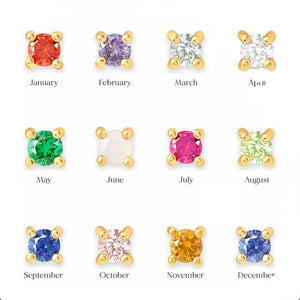
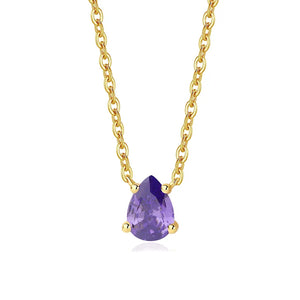
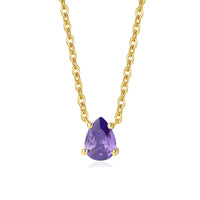
The piece they're describing → Amethyst Pendant Necklace for Women — Teardrop Amethyst Stone, 925 Sterling Silver
Personalize Yours


