


- There are roughly 10 necklace chain styles worth knowing by name: cable, curb, figaro, rope, box, cuban link, paperclip, herringbone, snake, and wheat (Singapore and Byzantine show up occasionally too).
- Chain names describe the link shape, not the metal — any of these can be made in gold, silver, or gold-plated sterling silver.
- For strength and pendant-carrying power: box, curb, and cuban link chains win. For pure delicacy and drape: herringbone, rope, and Singapore chains win — but they kink more easily.
- Snake chains (smooth, plate-linked, tangle-resistant) are the best all-rounder for daily wear that has to survive gyms, showers, and travel.
- AJLuxe's catalog is built around dainty, tarnish-resistant everyday chains rather than heavy solid-gold statement links — we say exactly where that catalog does and doesn't match each chain style below.
Search "types of necklace chains" and you'll get a wall of jewelry-counter jargon — cable, curb, figaro, rope, box, cuban link — with no clear answer on which one you actually need. That's the real question buried under the keyword: not "what are they called," but "which chain style will hold my pendant, survive my daily routine, and still look good in two years?" This guide names every major necklace chain style, shows you what each one looks like and how durable it really is, calls out the strongest option honestly (the PAA everyone asks and few answer directly), and tells you plainly where AJLuxe's own chain necklaces fit — and where they don't.
Find Your Chain Style
Not sure which chain name matches what you're picturing? Tap what matters most to you and we'll match it to a chain style, its real trade-offs, and the closest AJLuxe pick.
The Complete List of Necklace Chain Types
Every chain style below is named for its link shape, not its metal — a cable chain can be 925 sterling silver, solid 14K gold, or gold-plated, and it's still a cable chain. Here's what to look for on the counter, and what each one is actually good for.
Cable Chain
The most basic and most common chain in fine jewelry: a series of identical oval or round links, each one connected the same way as the last. It's the "default" chain — thin cable chains are the standard base for pendant necklaces, and thicker cable links get used as standalone statement chains. Durable for everyday light-to-medium pendants, easy to repair, and the easiest chain to clean because there's nowhere for buildup to hide.
Curb Chain
Curb links are twisted so each one lies flat against the next, creating a chain that doesn't spin or roll the way a round cable chain can. That flat, interlocked structure spreads out the pull of a heavier pendant instead of concentrating stress on one link, which is why curb is the chain jewelers most often recommend when a customer specifically asks for something sturdy.
Figaro Chain
Figaro follows a repeating pattern — typically one elongated oval link followed by two or three smaller round links — that gives it a distinctive rhythm you can spot at a glance. It's flat-lying like curb, moderately strong, and has a slightly vintage, Italian-jewelry feel that's stayed popular for both necklaces and bracelets for decades.
Rope Chain
Multiple small links are twisted together into a tight spiral, so the whole chain looks like a miniature length of rope. The twisted surface catches light from every angle, which is what makes rope chains photograph so well — but that same twisted structure is the most fragile on this list. A sharp bend or snag can leave a visible kink that's difficult to fully smooth back out. If a rope chain does break, see how to fix a broken necklace chain.
Box Chain
Square-shaped links connect at right angles, forming a continuous run of tiny boxes. Because the links are geometric and rigid rather than round and free-spinning, box chains resist twisting into knots in a jewelry box — one of the most common daily-wear complaints with softer chains — and hold up well under a pendant's weight.
Cuban Link Chain
Flattened, interlocking oval links that sit almost edge-to-edge give Cuban link chains their thick, bold, chainmail-like look. It's the strongest, heaviest-reading style here and the one most associated with statement, streetwear-adjacent jewelry. A genuine solid-gold Cuban link necklace is also one of the most expensive chain styles to produce, simply because of how much metal goes into each link.
Paperclip Chain
A 2020s breakout style: elongated, rounded-rectangle links that genuinely resemble a chain of paperclips. It reads modern and minimalist rather than "classic," which is exactly why it's become a layering favorite. The trade-off is link gauge — a thin paperclip chain can flatten or distort out of shape faster than a rounder link style, so thickness matters more here than on most chains.
Herringbone Chain
Flat, densely woven links lie diagonally against each other, creating a smooth, almost fabric-like ribbon of metal that drapes beautifully against the skin. It's one of the most elegant chain styles for a fine, close-fitting necklace — and also one of the most delicate. A sharp crease or catch can kink herringbone permanently, so it's better suited to careful daily wear than to gym bags and pool days.
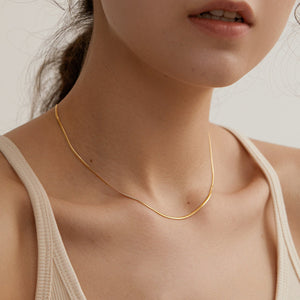
Snake Chain
Tightly connected round or square plates create one continuous, smooth surface with no individual links visible to the eye — it genuinely looks and moves like a snake's scales. That seamless structure means fewer gaps for a chain to snag or tangle in, and it's a natural match for tarnish-resistant plating since there's no open link structure for moisture to sit in.
Wheat (Spiga) Chain
Two or more strands of links are twisted together in a braided pattern that resembles a stalk of wheat — hence the name (also called a spiga chain). It has a textured, intricate look that reads as more "detailed" than a plain cable chain without the fragility of a rope chain, making it a solid middle-ground pick.

Chain Types at a Glance
Here's the same information in one scannable table — look, durability, whether it's suited to carrying a pendant, and typical price tier relative to the same chain length and metal weight.
| Chain Type | Look | Durability | Good for a Heavy Pendant? | Price Tier |
|---|---|---|---|---|
| Cable | Simple round/oval links | Good | Light-to-medium | $ |
| Curb | Flat, twisted, interlocked | Very good | Yes | $$ |
| Figaro | Repeating long + short links | Good | Medium | $$ |
| Rope | Twisted spiral, catches light | Fragile — kinks easily | Light only | $$ |
| Box | Square geometric links | Very good | Yes | $$ |
| Cuban link | Thick, flat, bold statement | Excellent | Yes — heaviest-duty option | $$$ |
| Paperclip | Elongated rectangle links | Fair — gauge-dependent | Light-to-medium | $$ |
| Herringbone | Flat, woven, ribbon-like drape | Fragile — kinks easily | Not recommended | $$ |
| Snake | Smooth continuous scale-like surface | Very good, tangle-resistant | Medium | $ |
| Wheat (Spiga) | Braided, textured strands | Good | Light-to-medium | $$ |
What's the Strongest Type of Chain for a Necklace? (The Honest Answer)
This is the single most-searched question in this space, and most roundups either dodge it or bury it under ten paragraphs of history. Here's the direct answer: box, curb, and cuban link chains are the strongest necklace chain types, because their link geometry — flat, interlocked, and rigid — spreads stress evenly instead of concentrating it on a single point. A cuban link chain is the most heavy-duty of the three by sheer metal mass; curb and box are close behind and considerably lighter to wear day to day.
What most guides skip: "strongest" and "best for daily wear" aren't the same question. A thick cuban link chain resists breaking under real force, but it's heavy, and in solid gold it's expensive. If your actual goal is a chain that survives showers, gym bags, and travel without snagging or tangling — the more common real-world failure mode — a tightly linked, low-profile chain like snake or a well-made cable chain often serves you better than raw link strength would suggest. Strength against force and durability against daily wear are two different specs, and this guide is one of the few that separates them.
Which Chain Style Won't Tarnish? (What Competitors Don't Tell You)
Here's a detail almost no "types of chains" article addresses: tarnish resistance is a metal-and-plating question, not a link-shape question. Any chain style — cable, curb, cuban link, snake — can tarnish if it's base metal or thin gold plating over brass. What actually determines whether a chain stays bright is the base metal (925 sterling silver resists tarnish far better than base alloys) and the plating method (18K gold PVD plating bonds more durably than standard electroplating and holds up better to water and daily wear).
Link shape does matter for one practical reason, though: chains with tight, closed link structures — like snake chains — have fewer open gaps for moisture and skin oils to sit in, so they tend to show tarnish more slowly than open-link styles like rope or figaro, all else being equal. That's a secondary factor next to metal quality, but it's a real one, and it's why AJLuxe builds its everyday chain necklaces on a snake-chain-and-PVD-plating combination rather than an open cable link.

Choosing a Chain for a Heavy Pendant
A pendant's weight determines chain choice more than any style preference. As a rule of thumb:
- Light pendants (under 2 grams) — most chain styles work, including delicate rope, herringbone, and thin cable chains.
- Medium pendants (2-5 grams) — cable, wheat, figaro, snake, or paperclip chains at a medium gauge handle this comfortably.
- Heavy pendants (5+ grams, or anything with dense stones/metal) — box, curb, or cuban link chains are the safer bet. Their flat, interlocked links distribute the pull evenly instead of stressing one weak point, which is exactly where a thin rope or herringbone chain is most likely to stretch or snap over time.
If you're not sure what your pendant weighs, a simple gut check works: if you can feel it swing and tug noticeably when you move, size up to a sturdier chain style rather than defaulting to whatever's already on the piece.
The Thinnest Chain That Still Holds Up for Daily Wear
If your priority is a barely-there, ultra-fine chain you can sleep and shower in without thinking about it, snake and tightly-linked cable chains are the most forgiving thin options — their structure resists the kinking that thin rope or herringbone chains are prone to at the same gauge. A thin curb or box chain is also a safe daily pick if you want something a little more substantial without moving into statement-chain territory.
Cuban Link, Paperclip & Herringbone: A Closer Look
These three styles get searched individually as much as the general "types of chains" query, because they've each had a real styling moment. If you want the deep-dive on any of them — including a full comparison of options and honest pricing — we've broken each one out separately:
- Best Cuban link chains for women — the bold, statement-chain end of the spectrum.
- Best paperclip chain necklaces — the minimalist, trend-forward end.
- Best herringbone necklaces — the flat, draped, elegant end.
AJLuxe's own catalog doesn't currently carry a true solid Cuban link, paperclip, or herringbone necklace — we say that plainly rather than stretch a different product to fit the name. Where our chain necklaces do fit is the snake-chain, everyday-durability lane: tarnish-resistant, tangle-resistant, and priced for buying more than one.
Chain Length & Metal Also Matter
Chain style is one variable — length and metal are the other two, and all three interact. A bold cuban link chain worn choker-length reads completely differently from the same style worn at 20 inches. And the metal underneath any chain style (925 sterling silver, solid gold, or gold plating) changes both price and how it wears over years, independent of the link shape. If you're still deciding on length, see our full chain necklace length guide; for the metal question specifically, see gold vs. silver chain necklace.
Related reading: Types of chain necklaces.
Related reading: men's cuban link chain.
Related reading: How to Temporarily Shorten a Necklace (Without Cutting the Chain).
Cable Chain Necklace: How to Choose the Right Thickness and Style
A cable chain necklace is defined by its uniform oval or round links, and the single biggest choice you'll make buying one isn't the metal — it's the link gauge, since that determines whether it layers flat, holds a pendant, or stands alone as a statement piece (2026). Because the link shape is so plain and repeatable, cable is also the easiest chain to mass-produce accurately, which is why it's usually the most affordable option in any given metal and length.
| Gauge (link width) | Best worn as | Notes |
|---|---|---|
| Under 1.5mm | Layered base chain | Nearly invisible under a pendant; stack 2-3 without looking bulky |
| 1.5-2.5mm | Single pendant necklace | The most common width sold as "a cable chain necklace" on its own |
| 3mm+ | Standalone statement chain | Worn without a pendant; reads closer to a curb or box chain in presence |
A few things worth checking before buying one, regardless of where it's from:
- Soldered vs. open links — soldered (fully closed) links won't pull open under normal tension; unsoldered cable chains are cheaper but more prone to snagging and stretching over time.
- Diamond-cut vs. smooth finish — a diamond-cut cable chain has faceted links that catch light and look sparklier, at the cost of showing scratches more visibly than a smooth-link chain.
- Clasp quality — on a plain, thin chain like cable, the spring-ring or lobster clasp is often the first thing to wear out, so it's worth checking that the clasp gauge matches the chain rather than being an afterthought.
Styling-wise, cable's plain, repeating links are what make it the go-to base for layering — pair a thin cable chain with a pendant on top of a slightly shorter chain of a different style (like a paperclip or figaro) for contrast without competing textures. Worn alone at a medium gauge, it reads clean and minimal rather than trend-driven, which is why it tends to stay in rotation longer than statement styles. If you're browsing for one, AJLuxe's necklace collection is built in 925 sterling silver with 18K gold plating, so the same cable-style construction is available in both tones without a separate solid-gold price jump.
Matching a chain to a pendant? See how to choose a chain for a pendant.
Frequently Asked Questions
What are the different types of necklace chains?
The most common necklace chain types are cable, curb, figaro, rope, box, cuban link, paperclip, herringbone, snake, and wheat (spiga) chains. Singapore and Byzantine chains show up occasionally as more specialized styles. Each is named for its link shape, and any of them can be made in gold, silver, or gold-plated sterling silver.
What are the names of different chains?
Cable, curb, figaro, rope, box, cuban link, paperclip, herringbone, snake, and wheat (spiga) are the ten names most jewelers and jewelry counters use. Rolo and Singapore chains are two additional names you'll occasionally see, both variations on the basic round-link cable structure — see our rolo chain guide for the full breakdown.
What is the strongest type of chain for a necklace?
Box, curb, and cuban link chains are the strongest necklace chain types because their flat, interlocked link geometry spreads stress evenly instead of concentrating it at one point. Cuban link is the most heavy-duty by sheer metal mass; curb and box are close behind and lighter to wear.
Which chain won't tarnish?
Tarnish resistance comes down to base metal and plating quality, not link shape. 925 sterling silver with 18K gold PVD plating resists tarnish far better than base-metal chains with thin standard electroplating, regardless of whether the chain is cable, curb, or snake. Tightly closed link structures like snake chains also trap less moisture, which slows tarnish slightly further.
What's the best chain for a heavy pendant?
Box, curb, or cuban link chains handle heavy pendants (roughly 5+ grams, or anything with dense stones) best, because their interlocked flat links distribute the pull evenly. Thin rope, herringbone, or cable chains are more likely to stretch or weaken at a single point under sustained heavy weight.
What is the thinnest chain that still holds up for daily wear?
A thin snake chain or tightly-linked cable chain is the most forgiving ultra-fine option, since both resist the kinking that thin rope or herringbone chains are prone to at the same gauge. A thin curb or box chain is a safe step up if you want a little more substance without a statement look.
What is cable vs. curb vs. figaro vs. rope vs. box chain?
Cable is simple uniform oval or round links. Curb is twisted so the links lie flat and interlock tightly, adding strength. Figaro repeats one long link with several short links for a distinctive rhythm. Rope twists many small links into a spiral for maximum shine but minimum durability. Box uses square geometric links that resist twisting and hold a pendant's weight well.
What is a cuban link chain?
A cuban link (or Miami Cuban) chain is made of flattened, interlocking oval links set almost edge to edge, giving it a thick, bold, chainmail-like appearance. It's the strongest and heaviest-reading style in general use, closely associated with statement and streetwear-adjacent jewelry.
What is a paperclip chain?
A paperclip chain uses elongated, rounded-rectangle links that resemble a literal chain of paperclips. It became a major trend in the 2020s for its clean, minimalist look and layers well with other chain styles — though thinner-gauge paperclip links can flatten out of shape faster than rounder links.
Does AJLuxe sell a cuban link or herringbone necklace?
Not currently — AJLuxe's catalog doesn't include a true solid cuban link, paperclip, or herringbone necklace as of this guide. Our chain necklaces are built around a snake-chain, tarnish-resistant, everyday-durability design instead. We're noting this openly as a catalog gap rather than stretching a different chain to fit the name.
How do I know what chain length to buy?
Chain length changes how any chain style reads on the body — the same cuban link or cable chain looks completely different at 16 inches (choker) versus 20-24 inches (mid-length or matinee). See our chain necklace length guide for a full breakdown by neckline and layering combination, and our chain thickness guide for which widths suit which pendants.
Is gold or silver chain better?
Neither is objectively "better" — it depends on skin tone, wardrobe, and how much tarnish resistance and plating durability you want. Solid gold never fades but costs significantly more; gold-plated sterling silver (like AJLuxe's 18K gold PVD plated pieces) gives a warm gold look at a lower price point, with plating that gradually wears with years of daily use. See our full gold vs. silver chain necklace comparison for the complete breakdown.
Final Thoughts
Once you know what to call each link shape, choosing a necklace chain stops being guesswork: match the durability level to how you'll actually wear it, size up to box, curb, or cuban link if you're carrying a heavier pendant, and don't confuse "strongest" with "most tarnish-resistant" — those are two different specs that come from two different parts of the chain. AJLuxe's own chain necklaces lean into the everyday-durability lane on purpose: 925 sterling silver, 18K gold PVD plating, and a smooth snake-chain build designed to survive real life rather than sit in a jewelry box. For more on getting the length and metal right once you've picked a style, see our chain necklace length guide and gold vs. silver chain necklace comparison.
Shop AJLuxe's everyday chain necklace
Shop the Double-Row Snake Chain NecklaceShop This Guide
Browse our full necklace collection to compare chain styles, lengths, and finishes, or shop the tarnish-resistant snake chain above as your honest everyday pick.
Related reading: a full breakdown of mariner chain construction and how it compares to Cuban, cable, and curb chains.
Related reading: how Singapore chain construction compares to curb, cable, and rope chains.
Related reading: curb chain in bracelet form specifically -- construction, strength, and sizing.
Related reading: how the Franco weave compares to Cuban link and box chain in more depth.
AJLuxe Team. Last updated: July 2026. Sources: Jewelers of America.
All third-party trademarks, brand names and product names are the property of their respective owners. AJLuxe is not affiliated with, endorsed by, sponsored by, or otherwise connected to any third-party brand referenced in this article. Brand names are used solely for accurate comparative reference, and material descriptions reflect each brand's own published product specifications at the time of writing.
You Might Also Like
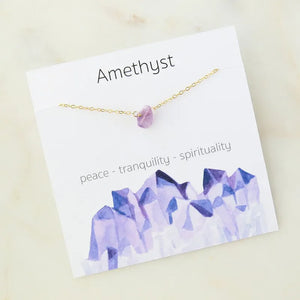
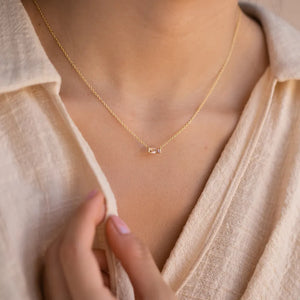
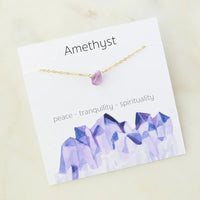
The piece they're describing → Stone Charm Necklace for Women — Raw Natural Gemstone Pendant
Personalize Yours


