


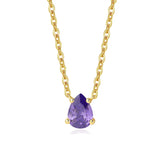
Can Amethyst Go in Water?
Yes, amethyst can go in water for a short rinse, and water alone will not harm it or change its color. Amethyst is quartz with a hardness of 7, harder than glass, and it does not dissolve.
The details that matter are how long, what kind of water, and how you dry it:
- Safe: a rinse of under a minute in cool, clean water, then a pat dry
- Use caution: longer soaks, especially for stones with visible cracks, inclusions or clusters that trap water
- Avoid: salt water, hot water and steam
Amethyst set in jewelry needs extra caution. The stone is fine, but the settings, glue and plating around it can be damaged by repeated water and humidity, so wipe jewelry clean instead of soaking it.
Can Amethyst Get Wet?
Yes, amethyst can get wet: splashes, handwashing and rain do not hurt it, and the color is not affected by water. What matters is what happens next, so dry it with a soft cloth and let it finish drying in the shade.
The color-fading risk comes from ultraviolet light and heat, not from moisture. If you leave a wet amethyst on a sunny windowsill, the stone is exposed to sun, and that is the part that fades it.
What Types of Water Are Safe for Amethyst?
Cool, clean water in a quick rinse is the safe choice for amethyst; salt water, hot water and long soaks are the ones to avoid.
| Water Type | Safe? | Notes |
|---|---|---|
| Tap water (brief rinse) | ✅ Yes | Under a minute; pat dry; dry indoors away from sunlight |
| Running water (stream or river) | ✅ Brief | A short rinse is a traditional cleansing method |
| Distilled water (brief rinse) | ✅ Yes | No minerals, so no spotting as it dries |
| Moon water | ✅ Indirect | Place the stone beside the jar, not in it |
| Salt water | ❌ No | Abrasive; dulls the polish over time |
| Hot water or steam | ❌ No | Temperature shock can crack the stone; heat also fades the color |
| Long soaking | ❌ Avoid | No benefit; hard on fractures, inclusions and jewelry settings |
How to Safely Cleanse Amethyst with Water
To cleanse amethyst with water, give it a rinse of under a minute in cool water, pat it dry and let it air-dry indoors in the shade.
- Use cool or lukewarm water. Hot water risks thermal shock, especially for stones with natural inclusions.
- Rinse briefly. Hold the stone under gently running water. Do not leave it submerged.
- Use your fingers or a soft cloth. No stiff brushes. For a piece like an amethyst pendant necklace, wipe it with a damp cloth rather than rinsing the whole piece.
- Pat dry immediately with a soft, lint-free cloth.
- Dry indoors in a shaded spot, away from windows with direct sun.
Skip water entirely if:
- The amethyst has visible cracks or a cloudy, veiled look, since water can work into the fractures
- It is set in jewelry, especially with glue or a delicate finish
- It is raw, druzy or a cluster, where more surface area traps more water
Why You Must Avoid Sunlight When Drying Amethyst
You must avoid direct sunlight when drying amethyst because ultraviolet light can permanently bleach its purple color. This is the main care rule that separates amethyst from other quartz crystals.
Amethyst gets its purple from trace iron in the quartz crystal, together with natural radiation exposure as the crystal formed. That color is sensitive to UV light and heat. With enough exposure it fades from rich purple to pale lavender and, in the worst cases, to nearly colorless. The change is gradual, cumulative and cannot be reversed.
Heat can change the color deliberately, too. Heat-treating amethyst is a well-known way of producing citrine-colored quartz, which shows how much the color depends on the iron and how easily heat alters it. Sunlight is a gentler version of the same effect.
Safe drying rule: dry amethyst indoors, in shade, at room temperature, and do not leave it on a sunny windowsill, near a radiator or in a parked car.

Which Crystals Should Not Go in Water?
Selenite, halite (rock salt), malachite, lapis lazuli, turquoise and opal are the crystals most often kept out of water. Amethyst is not one of them.
Selenite is a soft gypsum that softens and dissolves, and halite is salt, so water destroys both. Malachite contains copper and should not be put in drinking water. Lapis lazuli, turquoise and opal are porous or water-bearing and can stain, crack or dull. Fluorite is softer than quartz and also deserves caution, which we cover in can fluorite go in water.
How to Make Amethyst Moon Water
To make amethyst moon water, put the amethyst beside the jar of water rather than in it, and leave both out overnight under the moon. This keeps the stone dry while following the traditional practice.
- Fill a clean glass jar with filtered or spring water.
- Place the amethyst beside the jar, or use a sealed glass vial for the stone.
- Set it on a windowsill or a safe outdoor surface where it catches moonlight.
- Leave it overnight, from dusk until dawn.
- Bring both indoors in the morning, before direct sun reaches the stone.
If you do put a loose, polished amethyst directly in the water, keep it to a few minutes, then remove it and dry it. Do not leave it submerged overnight, and never leave it in the sun.
Best Alternatives to Water Cleansing for Amethyst
The best alternative to water for cleansing amethyst is moonlight, which is the traditional method and carries no physical risk.
- Moonlight (best): Leave the stone on a windowsill or outdoors overnight, then bring it in before sunrise.
- Selenite plate: Rest the amethyst on a selenite slab for four to six hours.
- Sound: Place it near a singing bowl, bell or tuning fork.
- Smoke: Pass the stone through sage, palo santo or cedar smoke for 30 to 60 seconds.
- Dry brown rice: Bury the stone in dry rice for 24 hours, then discard the rice.
- Soft cloth: For physical dirt, a dry or barely damp microfiber cloth is the safest option.
Avoid sunlight cleansing for amethyst. Unlike citrine or clear quartz, amethyst is sun-sensitive, so a long sun session is a poor trade for the color.
Polished vs Raw Amethyst: Does It Matter for Water?
Yes, it matters: polished amethyst handles a brief rinse best, while raw amethyst, clusters and druzy hold water in their crevices and need extra care.
Polished amethyst (tumbled stones, cabochons, faceted gems) has a smooth surface with few places for water to hide. It is the safest for brief water contact.
Raw amethyst and clusters have a jagged surface and spaces between points that trap water and dry slowly. For raw pieces:
- Keep water contact to a quick rinse
- Use compressed air or a soft dry brush to clear trapped water from clusters
- Allow extra drying time in a ventilated, shaded spot
- Skip water entirely if any points are loose or fragile
Druzy amethyst has tiny crystal points that trap water and break easily. Stick to dry cleansing methods for druzy pieces.
Amethyst Care: What to Avoid
Beyond water, the main things to avoid with amethyst are prolonged direct sunlight, heat, ultrasonic and steam cleaners, and storing it loose with harder stones.
- Direct sunlight: permanently fades the purple, as explained above.
- Heat sources: radiators, sunny window ledges and parked cars all speed up fading.
- Ultrasonic and steam cleaners: vibration and sudden heat can crack stones with inclusions or fractures.
- Chemical cleaners: they can etch the surface and damage settings.
- Salt bowls: salt abrades the surface over repeated use.
- Storage with harder stones: at hardness 7, amethyst can be scratched by topaz, sapphire and diamond. Keep it in its own soft pouch.
Frequently Asked Questions
Can amethyst go in water?
Yes, briefly. Amethyst is quartz at 7 on the hardness scale, so a rinse of under a minute in cool water is safe. Dry it indoors, out of direct sunlight.
Can amethyst get wet?
Yes. Water alone does not hurt or fade amethyst. A splash or handwashing is fine as long as you dry it afterward, in the shade.
Does water make amethyst lose its color?
No. The purple fades from ultraviolet light and heat, not from water. The only water-related risk is drying a wet stone in direct sun, which exposes it to the UV that does the fading.
Why can't amethyst go in direct sunlight?
Amethyst's purple comes from iron impurities in the quartz, and prolonged UV and heat can bleach it toward pale lavender or near-clear. The fading is gradual and cannot be reversed.
Can amethyst go in salt water?
No. Salt is abrasive and leaves residue, and it can dull the polish over time. Rinse off any splash with fresh water.
How long can amethyst stay in water?
A rinse of under a minute is the safe habit. A loose polished stone will tolerate a few minutes, but there is no benefit to soaking, and long soaks are hard on stones with fractures or inclusions.
Can amethyst go in moon water?
Yes, using the indirect method. Put the amethyst beside the jar, or in a sealed vial, so it stays dry. Move it indoors before the sun comes up.
Can amethyst go in hot water?
No. Sudden temperature change can crack the stone along existing fractures, and heat also fades the color. Use cool or lukewarm water only.
Can raw amethyst go in water?
Briefly, but with more caution. Raw points and clusters have crevices that trap water, so keep it to a quick rinse and let it dry fully in a shaded, ventilated spot.
Can amethyst go in a water bottle?
Not loose. Use a bottle with a sealed inner chamber, or place the stone beside the glass. A loose stone can chip and end up in your drink.
How do I cleanse amethyst without water?
Moonlight overnight is the traditional favorite. A selenite plate, sound from a bowl or bell, or a soft dry cloth also work with no risk to the stone.
Which crystals should not go in water?
Selenite, halite (rock salt), malachite, lapis lazuli, turquoise and opal are the usual ones to keep dry. They are soft, porous, water-soluble or contain copper. Amethyst is not on that list.
Shop AJLuxe Crystal Jewelry
Birthstone & gemstone necklaces · 925 sterling silver · from $24.99
Browse Crystal Jewelry →Final Thoughts
Amethyst is durable and water-tolerant: a brief rinse is fine. The two rules to remember are to keep water exposure short and never dry it in the sun, since that UV sensitivity is what sets amethyst apart from other quartz.
Want to learn more about the stone itself? Read our amethyst meaning guide, or see the February birthstone article. Shop our birthstone necklace collection for February pieces. Also see can moonstone go in water, which needs more careful handling.
Written by the AJLuxe team, specialists in personalized sterling silver and gemstone jewelry. Last updated: October 2026.
Explore more: Crystal Jewelry: Meanings & Guides
Related reading: Can you sleep with earrings in and can fluorite go in water.
All third-party trademarks, brand names and product names are the property of their respective owners. AJLuxe is not affiliated with, endorsed by, sponsored by, or otherwise connected to any third-party brand referenced in this article. Brand names are used solely for accurate comparative reference, and material descriptions reflect each brand's own published product specifications at the time of writing.
You Might Also Like
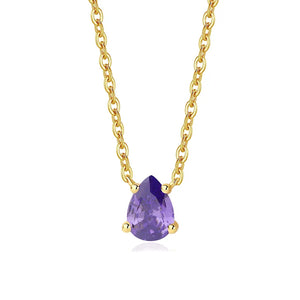
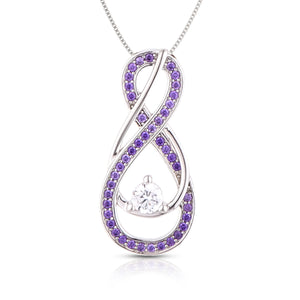
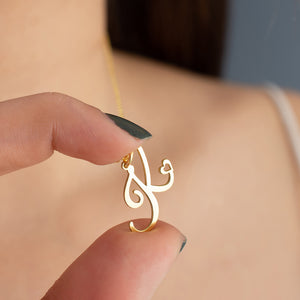
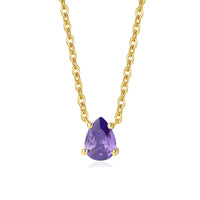
The piece they're describing → Amethyst Pendant Necklace for Women — Teardrop Amethyst Stone, 925 Sterling Silver
Personalize Yours


