


- Best stone grade: AAA natural (deep vivid pink, eye-clean) or lab-created (perfect color, lower cost)
- Best metal: 18K gold setting — warm metal makes pink tourmaline's color pop; 925 sterling silver is the budget-friendly alternative
- Best chain length: 16" for collarbone display; 18" for layering
- October birthstone: Pink tourmaline is October's modern birthstone — makes an excellent October birthday or breast cancer awareness gift
- Daily wear: Yes — tourmaline is Mohs 7–7.5, suitable for everyday necklace wear with normal care
Pink tourmaline is one of the most striking gemstones in jewelry — its color ranges from soft blush to vivid hot pink, and high-quality specimens rival sapphire in color intensity. But quality varies enormously across the market, and there's a significant difference between AAA-grade natural tourmaline and the pale, included stones used in cheap pieces. This guide covers what to look for, how grades work, and which styles are worth buying.
What Makes a Quality Pink Tourmaline Necklace?
Five factors determine the quality of a pink tourmaline necklace:
1. Stone Grade
Pink tourmaline is graded on color saturation and clarity. AAA-grade stones have deep, vivid pink color with minimal inclusions — these are the benchmark. Lower grades are lighter in color or have visible inclusions that affect brilliance. See the full grade table below.
2. Color Saturation
The most valuable pink tourmalines are a vivid, saturated pink — not pale pink, not purple-pink (which is called rubellite at the extreme), and not washed out. When shopping online, look for photos in neutral light, not studio-enhanced images that boost saturation artificially.
3. Setting Type
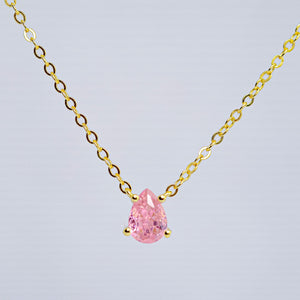
Bezel settings (metal wrapped around the entire stone) protect the stone most effectively and look modern and clean. Prong settings show more of the stone and maximize light entry, making the color appear brighter — AJLuxe's pink tourmaline teardrop pendant necklace uses a 4-prong setting for exactly this effect. Both work well for tourmaline — choose based on aesthetic preference.
4. Metal Choice
Gold (yellow or rose gold) brings out the warmth in pink tourmaline and makes the color appear deeper. White gold and sterling silver create a cool contrast that emphasizes the pink's vibrancy. Both are valid choices — rose gold + pink tourmaline is particularly popular for Valentine's Day and October birthday gifts.
5. Chain Quality
For pendant necklaces, the chain is often overlooked but matters for longevity. Look for 925 sterling silver or 18K gold plated chains with lobster claw clasps (more secure than spring ring clasps). Cable and box chains are the most durable and suit tourmaline pendants well.
Pink Tourmaline Quality Grades
| Grade | Color | Clarity | Price Range | Best For |
|---|---|---|---|---|
| AAA | Deep vivid pink, intense saturation | Eye-clean, no visible inclusions | $80–300+ per stone | Fine jewelry, special occasions |
| AA | Medium-deep pink, good saturation | Minor inclusions, eye-clean from 6" | $40–120 per stone | Everyday jewelry, birthday gifts |
| A | Light to medium pink, lower saturation | Visible inclusions under inspection | $20–60 per stone | Budget pieces, entry-level gifts |
| Lab-Created | Vivid, consistent pink — near-AAA appearance | Perfect, inclusion-free | $30–100 per stone equivalent | Gift giving, everyday wear, budget AAA alternative |
Pink Tourmaline vs Pink Sapphire vs Rose Quartz — Which Necklace Stone Is Best?
These three pink stones dominate the affordable-to-mid-range necklace market and are frequently confused. Here's a quick comparison:
Pink tourmaline (Mohs 7–7.5): The richest, most vivid pink of the three in high grades. Has natural pleochroism — appears slightly different shades from different angles. More affordable than sapphire at comparable quality. October birthstone.
Pink sapphire (Mohs 9): The hardest and most durable. Corundum-based — same species as blue sapphire. Color tends toward cooler, more transparent pink. Significantly more expensive in natural form, but lab-created versions are very affordable. September birthstone (traditional blue, but pink sapphires are popular alternatives).
Rose quartz (Mohs 7): Much softer color — always a translucent, milky pale pink, never vivid. Excellent for healing crystal jewelry. The most affordable of the three by a significant margin. Not a traditional birthstone but popular for its meaning.
For a full comparison, see our pink tourmaline vs rose quartz article. For pink tourmaline vs morganite, see pink tourmaline vs morganite.
Best Chain Length for a Tourmaline Pendant
Chain length affects both how the pendant looks and how it photographs:
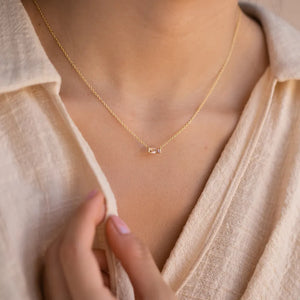
- 16 inches: High collarbone placement. Shows the pendant prominently. Best for solo wear, V-necks, and scoop necks. Makes the stone the focal point of the look.
- 18 inches: The most versatile length — sits just below the collarbone. Works with almost every neckline. The best starting point for layering.
- 20 inches: Sits at or below the chest. Better for high necklines and turtlenecks. The stone displays well with more dramatic placement.
For most pendant necklaces, 18" is the default recommendation. If the pendant is large (10mm+), consider 16" so it sits higher and becomes a clear statement piece.
Natural vs Lab-Created Pink Tourmaline
Lab-created pink tourmaline is becoming increasingly common in affordable necklace jewelry. Here's what you need to know:
Natural pink tourmaline: Mined primarily in Brazil, Afghanistan, and Nigeria. Color varies — no two stones are identical. Inclusions are common and don't indicate poor quality at lower grades. Has a unique "handmade by nature" character. More expensive, especially in AAA grade.
Lab-created pink tourmaline: Grown in controlled conditions. Color is consistent and vivid — often near-AAA appearance at A-grade prices. No inclusions. Ethically sourced with no mining impact. Chemically identical to natural tourmaline.
Neither is inherently better for a necklace — the choice depends on your values and budget. If color vividity matters most, lab-created may actually give you a better-looking stone at the same price point. See our natural vs lab-created stone guide for the broader comparison across gemstone types.
Best Pink Tourmaline Necklace as a Gift
Pink tourmaline necklaces work beautifully for three specific gift occasions:
October birthday: Pink tourmaline is the modern October birthstone. It's the obvious, most meaningful choice for anyone born in October — especially appreciated because opal (the traditional October stone) is more fragile and harder to find in quality affordable jewelry.
Valentine's Day: Pink tourmaline's color and its association with love (heart chakra, emotional healing, compassion) make it a natural Valentine's Day choice. More distinctive than a standard heart pendant and more personal than a generic red stone.
Breast cancer awareness: Pink tourmaline jewelry is frequently given as a symbol of support, solidarity, and strength during and after breast cancer treatment. The pink stone has become closely associated with the cause.
For more on pink tourmaline's meaning and symbolism, see our pink tourmaline meaning guide. For styling and care advice, see our pink tourmaline jewelry guide.
FAQ: Best Pink Tourmaline Necklaces
What is the best pink tourmaline necklace?
The best pink tourmaline necklace uses an AAA-grade natural or lab-created stone with vivid, saturated pink color, set in 18K gold or 925 sterling silver, on a 16–18" chain with a secure lobster claw clasp. For everyday wear, AA-grade or lab-created stones in a bezel setting offer the best combination of quality and durability.
Is pink tourmaline good for everyday wear?
Yes — pink tourmaline rates 7–7.5 on the Mohs hardness scale, which is suitable for daily necklace wear. It's harder than most quartz stones and softer than sapphire or ruby. Avoid hard impacts and keep it away from harsh chemicals. Remove before swimming or heavy exercise to protect the metal setting and chain.
What metal looks best with pink tourmaline?
Rose gold and yellow gold bring out the warmth in pink tourmaline and make the color appear deeper and more saturated. White gold and sterling silver create a clean contrast that emphasizes the stone's brightness. All three work well — rose gold + pink tourmaline is the most popular pairing for romantic and gift jewelry.
How do I know if pink tourmaline is real?
Real pink tourmaline (natural or lab-created) shows pleochroism — slight color variation when viewed from different angles. It's also harder than glass and won't scratch with a fingernail. Under magnification, natural tourmaline often shows needle-like inclusions called "silk." Stones that appear perfectly uniform in color from every angle without any inclusions are likely glass or synthetic corundum, not tourmaline.
What does pink tourmaline mean?
Pink tourmaline is associated with the heart chakra and carries meanings of compassion, emotional healing, love, and self-care. It's considered a stone of nurturing — both for giving love and for receiving it. Pink tourmaline is also associated with creativity and the ability to understand emotion clearly.
Is pink tourmaline more valuable than pink sapphire?
At comparable quality, natural pink sapphire is generally more valuable than pink tourmaline because corundum (sapphire) is rarer. However, AAA pink tourmaline can rival mid-grade natural pink sapphire in price, and top rubellite (deep red-pink tourmaline) can exceed some pink sapphires per carat. Lab-created versions of both are similarly priced. For necklace jewelry, the price difference is often minimal at the same visual quality.
What chain length is best for a tourmaline pendant?
16 inches sits at the collarbone and makes the pendant the focal point — best for solo wear with low necklines. 18 inches is the most versatile length, suitable for most necklines and easy layering. 20 inches works for high necklines or for a more relaxed, casual look. When in doubt, 18" is the safest default choice.
Can pink tourmaline go in water?
Pink tourmaline itself is water-safe — it's not a porous stone and won't dissolve or crack from brief water exposure. However, the metal setting and chain are more vulnerable, especially if gold plated. Remove pink tourmaline necklaces before swimming, showering, or soaking in water to protect the metal and extend the life of the plating.
The Bottom Line
A pink tourmaline necklace is one of the best choices in the $30–100 range for a gift with real color impact. The stone is durable enough for daily wear, the color is distinctive, and it carries meaningful symbolism — October birthstone, heart chakra, love and healing — that makes it more personal than a generic gemstone pendant.
Prioritize stone color saturation over everything else. An AA lab-created stone with deep, vivid pink beats an A-grade natural stone with washed-out color every time. Set in gold, 16–18" chain, secure bezel or prong setting — that's the formula.
→ Shop AJLuxe Pink Tourmaline Teardrop Necklace — 925 Sterling Silver, 18K Gold Plated
Shop our birthstone jewelry collection — meaningful gifts in sterling silver, personalised by birth month.
All third-party trademarks, brand names and product names are the property of their respective owners. AJLuxe is not affiliated with, endorsed by, sponsored by, or otherwise connected to any third-party brand referenced in this article. Brand names are used solely for accurate comparative reference, and material descriptions reflect each brand's own published product specifications at the time of writing.
You Might Also Like


The piece they're describing → Pink Tourmaline Infinity Necklace for Women — 925 Sterling Silver, Pink CZ Pave
Personalize Yours


