


- The FTC's Jewelry Guides define "gold electroplate" as a minimum of 10 karat gold, at least 0.175 microns thick, deposited by electroplating.
- "Heavy gold electroplate" requires the same 10K minimum fineness at a thickness of at least 2.5 microns, over five times the standard electroplate floor.
- "Gold flashed" and "gold washed" are the FTC's terms for coatings thinner than the 0.175-micron electroplate minimum; the Guides say these should not be described with any thickness-implying term.
- Because the gold layer is measured in thickness, not carats of weight, the actual gold content of a single earring or pendant is a tiny fraction of its total weight, and it is honest to say so rather than imply otherwise.
- Thickness is the number that predicts how long the gold layer survives daily wear, more than karat purity alone.
"How much gold is actually in this?" is a fair question to ask about any piece marked gold plated, and it deserves a straight answer instead of marketing language. The honest answer starts with understanding that gold-plated jewelry isn't sold or regulated by weight of gold, the way a gold bar is. It's regulated by the thickness of the gold layer bonded to the surface, and by the purity of that gold. Both are set out in the FTC's Jewelry Guides, the federal rules that govern how "gold plated," "gold electroplate," and related terms can legally be used in the United States.
Why Plated Jewelry Is Measured in Microns, Not Grams
The gold on a plated piece is quantified as a coating thickness, typically expressed in microns (millionths of a meter), because that's what actually determines how the piece performs and how it's regulated. A solid gold ring is described by its karat weight because the gold runs all the way through it. A plated piece is different: the gold exists only as a surface layer over a base metal, so its "amount" of gold is really a function of two things, how thick that layer is and how much surface area it covers.
That's also why you won't find a single universal number for "how many grams of gold are in a gold-plated necklace." A large statement necklace with more surface area carries more total gold at the same thickness than a small stud earring. What stays comparable across different pieces, and what the FTC's rules actually regulate, is the thickness of the coating and its karat purity, not a fixed weight.
The FTC Standard: Gold Electroplate, Heavy Gold Electroplate, and Flashed/Washed
The FTC's Jewelry Guides set specific minimums for the terms sellers are allowed to use. A product can be called "gold electroplate" only if it carries a layer of gold with a minimum fineness of 10 karat, applied by an electrolytic process, at a thickness of at least 0.175 microns throughout the piece. Meet a higher bar, at least 2.5 microns at the same 10K minimum fineness, and a seller can legally call it "heavy gold electroplate" or "heavy gold electroplated," a meaningfully thicker and more durable coating.

Below that 0.175-micron electroplate floor, the FTC's current Guides say sellers shouldn't use "gold flashed" or "gold washed" as if those terms still imply some minimum thickness. Those two terms cover any electroplated gold coating that doesn't meet the electroplate minimum, meaning the thickness can be, and often is, considerably thinner than 0.175 microns. In practice this is the tier where wear happens fastest: thinner coatings expose the base metal underneath sooner, sometimes within weeks of regular wear.
What the Standard Actually Means When You're Shopping
In practice, this standard gives you two things worth checking on any gold-plated listing: whether the seller states a thickness at all, and which of the FTC's tiers that thickness falls into. A listing that says "gold electroplate" or "heavy gold electroplate" and states a micron figure is telling you something specific and verifiable. A listing that just says "gold plated" or "gold tone" with no thickness stated could legally be anywhere on the spectrum, including below the electroplate floor.
None of this makes a thinner-plated piece "fake." The gold in the coating is genuinely gold; there's no dishonesty in the metal itself. The honest framing is that a thinner coating is a real, if less durable, product, priced and positioned accordingly, and it's worth knowing which one you're buying before you decide how much daily wear to expect from it.
How Coating Thickness Relates to How Long Plating Lasts
Thickness is the single biggest factor in how long a plated surface holds up before the base metal starts to show through. A thicker layer simply has more gold to wear through before that happens, so heavy gold electroplate at 2.5 microns and above tends to outlast standard electroplate at the 0.175-micron floor, which in turn tends to outlast an unregulated flash or wash coating thinner than that floor. Handling, moisture, friction from clothing, and skin chemistry all affect the timeline too, but thickness sets the ceiling.

Caring for plated jewelry the same way regardless of its tier still helps: keep it dry, put it on after lotion and perfume rather than before, and store pieces separately so they don't scratch against each other. None of that changes the underlying thickness, but it slows how fast that thickness gets worn away.
Where AJLuxe's Gold-Plated Pieces Fit In
AJLuxe's gold-tone line is built on 925 sterling silver bases with 18K gold plating, and we'd rather describe that plainly than round it up. It's a genuinely plated layer of real 18K gold, not solid gold through and through, and like any plated piece it's a surface finish that will eventually show wear with enough time and contact. Pairing 18K gold plating with a sterling silver base (rather than brass or another non-precious base metal) is itself a durability choice, since sterling silver plates and re-plates more reliably than base metals prone to oxidizing under a thin coating.
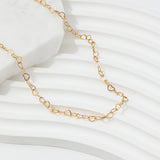
Pieces like our Heart Choker Necklace use this same 925 sterling silver and 18K gold plating combination, built to be worn daily rather than treated as delicate.
Frequently Asked Questions
How much gold is in a typical gold-plated ring or necklace?
There's no single fixed amount; it depends on the thickness of the coating (measured in microns) and the piece's total surface area. What's regulated is thickness and purity, at least 10 karat gold at least 0.175 microns thick to be called gold electroplate, not a fixed weight of gold per item.
What does "gold electroplate" legally mean?
Under the FTC's Jewelry Guides, "gold electroplate" means a layer of gold with a minimum fineness of 10 karat, applied by an electrolytic process, at a minimum thickness throughout of 0.175 microns.
What is "heavy gold electroplate"?
It's the FTC's term for gold electroplate at the same 10K minimum fineness but a thickness of at least 2.5 microns, more than five times the standard electroplate floor, and a noticeably more durable coating.
What's the difference between "gold plated" and "gold flashed" or "gold washed"?
"Gold flashed" and "gold washed" describe an electroplated gold coating that doesn't meet the 0.175-micron minimum for "gold electroplate." The FTC's current Guides say these terms shouldn't be used as if they imply a specific minimum thickness, since the coating underneath can vary and is typically thinner than the electroplate floor.
Is gold-plated jewelry "fake gold"?
No. The gold in the plating is real gold, not an imitation. What's different from solid gold is that the gold exists only as a surface layer over a base metal, rather than running through the entire piece.
Does a higher karat number (like 18K) mean a thicker gold layer?
Not necessarily. Karat measures the purity of the gold used in the coating, not how thick that coating is. An 18K plated piece with a thin coating can wear faster than a 10K piece plated to the heavy-electroplate thickness of 2.5 microns or more.
Final Thoughts
"How much gold is in gold-plated jewelry" doesn't have a single-number answer, and any source that gives you one without mentioning thickness is oversimplifying. What you can actually check, and what the FTC's own Jewelry Guides regulate, is the coating's thickness in microns and its karat purity, whether a piece qualifies as gold electroplate, heavy gold electroplate, or falls below that floor into flashed or washed territory. Knowing which tier you're buying tells you far more about how the piece will hold up than any claim about "real gold" alone.
For more on related terms, see our guides on is gold plated jewelry real gold, gold dipped vs gold plated, and is 18K gold-plated jewelry worth it.
Want gold plating built on a base that holds up?
Our Heart Choker Necklace pairs 18K gold plating with a 925 sterling silver base rather than a bare base metal, a combination chosen for how it wears over time.
Shop the Heart Choker NecklaceShop This Guide
- Heart Choker Necklace: 925 sterling silver, 18K gold plated
- Gold-Plated Jewelry Collection: the full plated line
Sources: Federal Trade Commission, Buying Platinum, Gold, and Silver Jewelry; FTC Guides for the Jewelry, Precious Metals, and Pewter Industries, 16 CFR Part 23.
Written by AJLuxe Team. Last updated: September 2026
All third-party trademarks, brand names and product names are the property of their respective owners. AJLuxe is not affiliated with, endorsed by, sponsored by, or otherwise connected to any third-party brand referenced in this article. Brand names are used solely for accurate comparative reference, and material descriptions reflect each brand's own published product specifications at the time of writing.
You Might Also Like
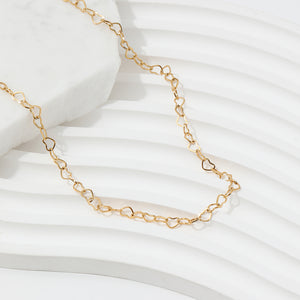


The piece they're describing → Heart Choker Necklace for Women — 18K Gold Plated Heart-Link Chain
Personalize Yours


