


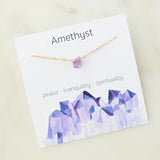
- Gold plated means an electroplated gold layer of roughly 0.5 to 2.5 microns, applied with an electric current in a controlled bath — the process behind most "18K gold plated" jewelry.
- Gold dipped is an unregulated marketing term, usually describing a thinner flash coating (often under 0.5 microns) applied by briefly dipping the piece rather than precisely electroplating it.
- Neither term is regulated as tightly as "gold vermeil," which legally requires a sterling silver base and at least 2.5 microns of gold under FTC-adjacent industry guidelines.
- Durability: gold-plated jewelry typically lasts 12 to 18 months of regular wear; gold-dipped jewelry often shows wear within weeks to a few months.
- Price: gold-dipped pieces are usually the cheapest gold-tone option on the market, often $5 to $15 per gram, versus a somewhat higher cost for properly electroplated pieces.
- Neither is "fake gold" — both use a layer of real gold over a base metal. The difference is entirely in coating thickness and the process used to apply it.
"Gold dipped vs gold plated" sounds like it should have a clean, textbook answer, but the honest truth is that one of these terms is a real industry standard and the other is marketing language with no fixed definition. That gap is exactly why so many shoppers get confused, and exactly why it's worth understanding before you buy anything described as "gold dipped."
This guide breaks down what each term technically means, how thick the gold coating actually is in microns, which one lasts longer, how the price compares, and how to figure out which one you're actually holding when a listing doesn't spell it out.
What "Gold Plated" Actually Means
Gold plating is applied through electroplating: the base metal piece (usually sterling silver or brass) is submerged in a liquid bath containing dissolved gold ions, and an electric current pulls those ions out of the solution and onto the surface of the jewelry. The process is precise and repeatable, which is why gold plating has an established thickness range — typically 0.5 to 2.5 microns, with 1 micron and above generally considered good-quality plating.
Because the thickness is controlled and measurable, "gold plated" functions almost like a technical spec rather than just a marketing word. It's the process behind most "18K gold plated" jewelry sold today, including most of AJLuxe's core line.
What "Gold Dipped" Actually Means (and Why It's Vaguer)
"Gold dipped" describes a piece that has been dipped into liquid or molten gold rather than electroplated with a controlled current. Unlike gold plating, there's no industry-wide micron standard attached to the term — it's used loosely across the jewelry market, and different sellers apply it to coatings of very different thicknesses.
In practice, gold-dipped pieces are most often on the thinner end: frequently under 0.5 microns, sometimes described as a "flash" coating. Because the process is faster and less precisely controlled than electroplating, it's cheaper to produce, which is exactly why "gold dipped" tends to show up on the most budget-friendly gold-tone jewelry.

Why These Two Terms Get Confused
The confusion isn't accidental. "Gold plated" is a legitimate, widely recognized industry term with a real thickness range behind it. "Gold dipped" has no equivalent regulation, so different brands use it to mean different things — sometimes as a synonym for standard plating, sometimes for a much thinner flash coating, and occasionally (confusingly) as loose shorthand for gold vermeil, which is actually a much thicker, more durable, and more tightly defined category.
That last point matters: gold vermeil requires a sterling silver base and a minimum of 2.5 microns of at least 10-karat gold. When a seller calls a vermeil piece "gold dipped," it undersells a genuinely durable product. When a seller calls a thin flash-coated piece "gold dipped," it can imply more durability than the piece actually has. The term alone doesn't tell you which situation you're in — that's the core problem with "gold dipped" as a label.
Gold Dipped vs Gold Plated: Full Comparison Table
| Factor | Gold Dipped | Gold Plated |
|---|---|---|
| Application process | Quick dip into liquid or molten gold, less controlled | Electroplating with a controlled electric current |
| Regulation | Not a regulated or standardized term | Recognized industry term with an established thickness range |
| Typical coating thickness | Often under half a micron (flash coating) | Roughly half a micron to two and a half microns |
| Durability | Low — wears thin quickly with regular contact | Moderate — holds up to regular wear noticeably longer |
| Typical lifespan | A few weeks to a few months of regular wear | Roughly 12 to 18 months of regular wear |
| Typical price | Lowest cost gold-tone option, roughly $5 to $15 per gram | Moderate cost, generally priced above gold-dipped pieces |
| Best use case | Trend pieces, occasional-wear or costume jewelry | Everyday jewelry meant to be worn regularly for over a year |
Durability and Longevity: Why the Gap Is So Large
Coating thickness is the single biggest factor in how long gold-tone jewelry keeps its color. A gold-plated piece with a full 1 to 2.5 microns of gold has enough material depth to withstand months of skin contact, fabric friction, and light moisture before the base metal starts to show through. A gold-dipped piece with a flash coating under half a micron has almost no buffer — normal daily wear can rub through that layer within weeks, especially at high-contact points like ring bands, clasps, and the inside curve of bracelets.
This is also why "gold dipped" and "gold plated" shouldn't be treated as interchangeable marketing synonyms, even though they're frequently used that way. If durability matters to you, the coating thickness — not the label — is what actually determines how long the piece will look good.

Price: Why Gold Dipped Is Almost Always Cheaper
Gold-dipped jewelry is consistently the most budget-friendly gold-tone option because the process itself is faster and cheaper to run than electroplating, and the amount of actual gold used is much smaller. Sellers can produce large batches quickly without the precision equipment electroplating requires, and that lower production cost is passed on as a lower shelf price.
Gold-plated jewelry costs somewhat more, largely because the controlled electroplating process uses more gold per piece and requires more consistent quality control. That price gap is a reasonable proxy for the durability gap: you're generally paying for more gold and a more controlled process, not just a fancier label.
Tarnish, Skin Reactions, and Green Skin
Both gold-dipped and gold-plated jewelry can tarnish over time, since the base metal underneath (often brass, copper, or silver) can oxidize or slowly migrate through a thin gold layer with exposure to moisture, sweat, and everyday chemicals like lotion and perfume. Because gold-dipped coatings are thinner on average, they tend to show tarnish and discoloration sooner than a properly plated piece.
Both can also turn skin green once the gold layer thins enough to expose the base metal, particularly if that base metal contains copper or nickel. This isn't a sign of low-quality gold — it's simply what happens once any thin coating wears through and skin, sweat, and metal come into direct contact.
How to Tell Which One You're Buying
Because both processes can look identical in photos and both use genuine gold, the listing details are what actually tell you which one you're getting. A few things worth checking before you buy:
- Look for a stated micron thickness. If a listing specifies 1 micron or more, it's very likely properly electroplated. If no thickness is listed at all, be cautious.
- Check for plating stamps. "GP" typically means gold plated; "HGE" (heavy gold electroplate) signals a thicker, higher-quality plating layer, often 2.5 microns or more. "Gold dipped" pieces rarely carry a standardized stamp at all.
- Notice the price relative to similar pieces. If a "gold dipped" item is priced dramatically lower than comparable "gold plated" pieces in the same style, that price gap usually reflects a thinner coating.
- Read the base metal. Gold-plated jewelry is commonly built over sterling silver or brass; gold-dipped pieces are frequently applied over lower-cost base alloys.
- Don't assume "dipped" always means thinner. A small number of sellers use "gold dipped" loosely to describe gold vermeil. When in doubt, ask directly for the micron thickness and base metal.
An AJLuxe Piece Built with Properly Plated Gold
AJLuxe's core gold-tone line uses controlled electroplating over quality base metals rather than a quick "dipped" flash coating, specifically because that process holds up to real, everyday wear. Our 18K Gold PVD-Plated Double Row Snake Chain Necklace goes a step further — it uses PVD (Physical Vapor Deposition) gold plating over a 925 sterling silver base, a process that builds an even thicker, more durable gold layer than standard electroplating, let alone a gold-dipped flash coating.
How to Care for Gold Dipped and Gold Plated Jewelry
Both types last longer with a bit of basic care, though gold-dipped pieces have a much smaller margin for error given how thin the coating is to begin with.
Caring for gold-plated jewelry: remove before showering, swimming, sleeping, or exercising when possible, and store in a dry, airtight pouch away from direct sunlight. Apply lotion, perfume, and hairspray before putting the piece on, not after, since those products are one of the fastest ways to wear down a plating layer. Clean gently and infrequently with a soft polishing cloth, avoiding chemical dips.
Caring for gold-dipped jewelry: treat it as occasional-wear only. Avoid water, sweat, lotion, and friction entirely where possible, and store it separately from other jewelry that could scratch the surface. Given the thin coating, even careful use typically only buys a few extra weeks or months of good color before the flash layer starts to thin.
Following these habits won't change which category a piece falls into, but it will change how close it gets to the upper end of its expected lifespan versus the lower end.
Related reading: Engagement Ring vs. Wedding Band: What's the Real Difference? (2026).
Related reading: Cheap Gold Jewelry vs. Affordable Gold Jewelry: How to Tell the Difference (2026).
Related reading: Charms and Pendants: What's the Real Difference (and Which One to Buy in 2026).
Related reading: Gold Overlay vs Gold Plated: What's the Real Difference (2026)?.
Frequently Asked Questions
What is the difference between gold dipped and gold plated jewelry?
Gold plated jewelry has a regulated, electroplated gold layer of roughly 0.5 to 2.5 microns applied with a controlled electric current. Gold dipped is an unregulated marketing term, usually describing a much thinner flash coating, often under 0.5 microns, applied by briefly dipping the piece rather than precisely electroplating it.
Does "gold dipped" mean the same thing as "gold plated"?
No. "Gold plated" is a recognized industry term with an established thickness range. "Gold dipped" has no such standard and is used inconsistently across sellers, usually implying a thinner, less durable coating.
How thick is the gold coating on gold dipped versus gold plated jewelry?
Gold-plated jewelry typically has a coating of 0.5 to 2.5 microns. Gold-dipped coatings are usually thinner, often under 0.5 microns, sometimes described as a flash coating.
Is gold dipped or gold plated jewelry considered real gold?
Neither is solid gold, but both involve a layer of genuine gold applied over a base metal like brass or sterling silver. The gold on the surface is real either way; what differs is how much of it there is and how securely it's bonded.
Which lasts longer: gold dipped or gold plated jewelry?
Gold plated jewelry lasts noticeably longer because its thicker, more controlled coating resists everyday wear better. Gold-dipped jewelry, with its thinner flash coating, tends to show wear much sooner.
How long does gold dipped jewelry typically last before wearing off?
Gold-dipped jewelry often shows visible wear within a few weeks to a few months of regular use, depending on how often it's worn and exposed to moisture or friction, since the coating layer is so thin to begin with.
Which is better for everyday wear: gold dipped or gold plated?
Gold plated is the better choice for everyday wear. Its thicker coating holds up to daily contact, clothing friction, and light moisture far longer than a gold-dipped flash coating, which is better suited to occasional or trend pieces.
Does gold dipped or gold plated jewelry tarnish over time?
Both can tarnish as the base metal underneath oxidizes or migrates through the thin gold layer, especially with exposure to water and chemicals. Because gold-dipped coatings are thinner, tarnish and discoloration typically appear sooner.
Can gold dipped or gold plated jewelry turn your skin green?
Yes, either can turn skin green once the gold layer wears thin enough to expose a base metal containing copper or nickel, allowing it to react with sweat and moisture. This happens sooner with gold-dipped pieces due to the thinner coating.
How much cheaper is gold dipped compared to gold plated jewelry?
Gold-dipped jewelry is generally the cheapest gold-tone option available, often priced around $5 to $15 per gram, reflecting both the smaller amount of gold used and the faster, less controlled application process.
How can you tell if jewelry is gold dipped versus gold plated?
Check the listing for a stated micron thickness, look for plating stamps like "GP" or "HGE," and compare the price to similar plated pieces. A significantly lower price with no stated thickness usually points to a thinner, gold-dipped coating.
What do the stamps "GP" and "HGE" mean on gold jewelry?
"GP" typically stands for gold plated, indicating a standard electroplated layer. "HGE" stands for heavy gold electroplate, which signals a thicker, higher-quality plating layer, often 2.5 microns or more. Gold-dipped pieces rarely carry a standardized stamp.
Why is vermeil sometimes called "gold dipped" but actually different?
Some sellers loosely use "gold dipped" to describe gold vermeil, which is misleading. Vermeil is a distinct, more tightly defined category requiring a sterling silver base and at least 2.5 microns of gold, making it far more durable than a typical gold-dipped flash coating.
Final Thoughts
"Gold dipped" and "gold plated" get used interchangeably in casual conversation, but they aren't the same thing, and the gap between them shows up fast in real-world wear. Gold plating is a recognized, controlled process with an established thickness range that gives it real staying power. "Gold dipped" is a looser marketing term that, more often than not, signals a thinner, faster, cheaper coating that won't hold up nearly as long.
The real takeaway: don't buy on the label alone. Look for a stated micron thickness or a plating stamp, and treat "gold dipped" with a bit of skepticism unless the seller can tell you exactly what that means for their specific piece.
Curious how this compares to other gold jewelry types? See our guides on is gold plated jewelry real gold, PVD vs gold plated, gold filled vs gold plated, gold filled vs gold plated vs vermeil, and is 14K gold plated jewelry worth it. For care tips, see how to clean gold plated jewelry and how to make gold plated jewelry last longer.
Want gold-tone jewelry with a real, durable coating instead of a thin dip?
Our 18K Gold PVD-Plated Double Row Snake Chain Necklace uses vacuum-bonded PVD gold over a 925 sterling silver base — a far thicker, longer-lasting layer than a gold-dipped flash coating.
Shop the PVD Snake Chain NecklaceShop This Guide
- 18K Gold PVD-Plated Double Row Snake Chain Necklace — genuine durable gold coating
- Gold-Plated Jewelry Collection — everyday properly plated styles
Sources: published jewelry-industry guidance on replating, gold thickness and microns.
Written by AJLuxe Team. Last updated: July 2026
Related reading: see our guide to finding a trustworthy gold store, and for the FTC's exact thickness standard, how much real gold is in gold-plated jewelry.
All third-party trademarks, brand names and product names are the property of their respective owners. AJLuxe is not affiliated with, endorsed by, sponsored by, or otherwise connected to any third-party brand referenced in this article. Brand names are used solely for accurate comparative reference, and material descriptions reflect each brand's own published product specifications at the time of writing.
You Might Also Like
The piece they're describing → Stone Charm Necklace for Women — Raw Natural Gemstone Pendant
Personalize Yours


