



Sterling silver is one of the most durable jewelry metals you can buy at its price point. It does not rust — that's chemically impossible for a metal with no iron content. It doesn't corrode the way base metals do. But "durable" doesn't mean "shower-proof" — and there are specific things shower water does to sterling silver that most care guides never explain.
This guide covers exactly what happens when sterling silver gets wet, what the real risks are (they're different from what people usually assume), what's safe and what isn't, and how to care for sterling silver if you do get it wet.
What Actually Happens When Sterling Silver Gets Wet
Sterling silver is 92.5% pure silver and 7.5% copper. Neither of these metals rust (rust is specific to iron and steel). What sterling silver does is tarnish — a chemical reaction between the silver and sulfur compounds in the air and environment that creates a grey-black silver sulfide layer on the surface.
Water alone doesn't cause significant tarnish. The tarnish accelerators are:
- Sulfur compounds — found in some tap water, and especially in some municipal water supplies
- Chlorine — most municipal tap water contains trace chlorine, which reacts mildly with the copper component of sterling silver
- Soap, shampoo, and conditioner residue — these products contain sulfates, fragrances, and other compounds that accelerate tarnish. Residue that dries in a setting or behind a stone is particularly problematic
- Hard water minerals — calcium and magnesium deposits can leave a dull white film on sterling silver over time
- Temperature changes — the alternating heat of shower steam and cooler air accelerates tarnish formation over time
The short version: a single shower won't noticeably damage good sterling silver. A daily shower routine will cause visible tarnish acceleration within 2–4 weeks, plus soap residue buildup that dulls the surface and is surprisingly difficult to clean from intricate settings or chain links.
Shower-Specific Risks for Different Jewelry Types
| Jewelry Type | Risk Level | Main Risk | Verdict |
|---|---|---|---|
| Chain necklace (fine links) | 🟠 Moderate | Soap traps in links; steam accelerates tarnish; chain stretches slightly with repeated thermal cycles | Remove before showering |
| Pendant necklace | 🟠 Moderate | Soap residue collects behind pendant; tarnish accelerates at soap contact points | Remove before showering |
| Sterling silver ring (plain band) | 🟡 Lower | Tarnish accelerates on inner band; soap may cause brief irritation if not rinsed thoroughly | Better to remove; plain bands are lower risk than ornate |
| Ring with stone setting | 🔴 High | Soap and shampoo collect under the stone; setting prongs weaken over time; stone may loosen | Always remove before showering |
| Stud earrings (simple post) | 🟡 Lower | Posts tarnish; earring backs may accumulate soap; mild tarnish on back | Low daily risk; remove and rinse if showering with soap contact |
| Hoop earrings | 🟠 Moderate | Inside of hoop accumulates soap; tarnish on inner surface (less visible but progressive) | Remove before showering |
| Bracelet / bangle | 🔴 High | Inner surface gets most wear; soap under clasps; fast tarnish from daily shower steam + soap | Always remove before showering |
What About 18K Gold Plated Sterling Silver?
The same analysis applies but with an additional layer: the gold plating.
Gold itself is very water-resistant. The 18K gold layer on a quality sterling silver piece won't be significantly damaged by occasional shower water. However, the same enemy that weakens sterling silver — sulfur, chlorine, soap residue — interacts with the gold plating in two ways:
- Chlorine specifically attacks gold plating bonding — the bond between the gold layer and the silver substrate can weaken with chlorine exposure over time, eventually causing the plating to separate or flake in small areas.
- Soap and shampoo residue — acidic components in some shampoos and conditioners interact with the gold surface, very slowly removing microscopic amounts of gold with each exposure. This compounds over hundreds of shower exposures.
For 18K gold on 925 sterling silver, occasional shower exposure has minimal immediate effect. Regular daily showering with the jewelry on will measurably reduce the lifespan of the plating over 12–18 months compared to keeping it dry. See our guide on how to make gold plated jewelry last longer for the complete care protocol.

What About Rhodium-Plated Sterling Silver?
Rhodium plating changes the shower-risk picture in one real way: rhodium itself doesn't tarnish. It's a platinum-group metal — chemically inert and harder than sterling silver — electroplated over the 925 base to create the bright, white-metal finish used on AJLuxe's rhodium-plated pieces. That hardness and inertness is why rhodium-plated sterling silver resists tarnishing and scratching better than bare sterling silver on its own.
That doesn't make it shower-proof. Two things still work against the plating:
- The plating layer is thin. Only a few microns of rhodium sit on top of the sterling silver. Repeated water, soap, and chlorine exposure gradually wears that layer down — the same mechanism that wears down 18K gold plating, just slower, because rhodium is the harder of the two metals.
- Once the plating wears through, the sterling silver underneath behaves like any unplated piece. It tarnishes, and it shows up first at the highest-friction points — the inside of a ring band, the back of an earring post, a clasp — before it's visible anywhere else.
With daily wear and normal shower habits, rhodium plating over sterling silver typically lasts two to four years before it needs replating — longer than 18K gold plating under the same conditions, since rhodium is the harder metal of the two. The first sign it's wearing thin isn't tarnish — it's a faint dull or slightly warm cast at contact points instead of a uniform bright white. That's the cue to have it replated, not wait for visible tarnish to show up.
AJLuxe stocks both finishes on a 925 sterling silver base — browse rhodium-plated and 18K gold plated sterling silver jewelry and pick by tone, not durability; the shower rule is identical either way: take it off, and if you forget, rinse and dry it right away.
Ocean Water and Pool Water — Much Worse Than the Shower
If shower water is "remove when possible," ocean and pool water is "absolutely remove, every time."
Salt water (ocean): Sodium chloride accelerates oxidation of the copper component in sterling silver. Extended ocean exposure causes visible tarnish within minutes. The abrasive action of sand compounds this. Remove sterling silver before any beach swim.
Chlorinated pools and hot tubs: Chlorine at pool concentrations (1–3 ppm, far higher than tap water) reacts aggressively with both the copper in sterling silver and any gold plating. Hot tub water is both chlorinated and hot, which dramatically speeds the reaction. Even 20 minutes in a hot tub can cause visible damage to gold plated jewelry and accelerated tarnish on sterling silver. Take it off before getting in.
Hot tub and ocean exposure is in a different category of risk from the shower. This isn't "it reduces longevity over time" — it can cause noticeable damage in a single session.
Already Got It Wet? What to Do
If you showered with your sterling silver jewelry on, or got it wet, here's the right response:
- Rinse with clean, cool water. This removes soap, shampoo, and chlorine residue before it dries on the surface. The most important step — do this immediately.
- Pat dry with a soft cloth. Don't rub — gently pat and absorb the water. Use a lint-free or microfiber cloth.
- Dry completely before storing. Storing jewelry while still damp accelerates tarnish significantly. Leave it on a clean surface for 5–10 minutes after patting dry, or use a hair dryer on low heat from a distance.
- Check for soap residue. If the piece looks cloudy or dull rather than bright, there may be soap film. A quick soak in warm (not hot) water with a drop of mild dish soap, followed by a soft bristle brush pass and thorough rinse, removes it. Full cleaning instructions: how to clean sterling silver jewelry.
One shower won't ruin a quality sterling silver or 18K gold plated piece. The damage is cumulative. If it happened once, rinse and dry immediately and you'll be fine.

The Habit — 5 Seconds Before the Shower
The most practical piece of advice in this entire guide: create a consistent spot for your jewelry right next to the shower entrance.
A small ceramic dish, a jewelry hook on the bathroom wall, or a dedicated spot on the counter — something that makes the "take it off" action automatic and the "where did I put it" question never arise. The habit is: step to the shower, remove jewelry, place in spot, shower. It takes five seconds. Over the life of your pieces, it adds years.
The people who keep their jewelry in perfect condition aren't doing anything complicated — they just made "remove before shower" automatic.
Shop AJLuxe Thin Silver Huggie Earrings
925 sterling silver, left unplated -- a hinged huggie hoop in 6mm, 8mm or 10mm, nickel-free.
Shop the Thin Silver Huggies →Shop AJLuxe Silver Minimalist Huggie Earrings
Unplated 925 sterling silver hoops, hinged with a click-pin clasp — nickel-free, 5mm to 8mm.
Shop the Silver Huggie Earrings →Frequently Asked Questions
Can you shower with sterling silver jewelry?
Technically yes — sterling silver won't be immediately destroyed by a shower. But regular showering with sterling silver on accelerates tarnish, allows soap and shampoo residue to build up in settings and chain links, and gradually dulls the surface. The best practice is to remove it before showering. A single forgotten shower is not a crisis; daily showers with it on will visibly degrade the piece over weeks.
Does water ruin sterling silver?
Plain water doesn't ruin sterling silver immediately, but repeated water exposure — especially with soap, chlorine, or sulfur compounds — accelerates tarnish and dullness over time. Sterling silver doesn't rust (rust requires iron), but it does tarnish. The combination of water, soap, and heat from shower steam is one of the faster ways to accelerate that process.
Can I wear sterling silver in the pool?
No — remove sterling silver before any chlorinated water, including pools, hot tubs, and spa treatments. Pool chlorine (1–3 ppm) is far more concentrated than tap water and reacts aggressively with both the copper in sterling silver and any gold plating. Even 30 minutes in a pool can cause noticeable tarnish and damage.
Will sterling silver turn green in water?
Sterling silver doesn't turn skin green from water contact — it can leave a faint grey mark in some conditions (tarnish rubbing off), but not a green mark. Green skin is caused by copper or brass base metals reacting with skin acids. Sterling silver's copper content is too small and too structurally integrated to cause a green reaction. For the full explanation, see our guide: does gold plated jewelry turn skin green.
Can I swim with sterling silver?
Not in chlorinated pools or salt water — both cause significant accelerated damage. Swimming in fresh water (lakes, rivers) is lower risk, but still not ideal. The combination of extended water contact, physical activity (increased friction and movement), and salt or organic compounds in natural water all work against the longevity of sterling silver.
How do I remove tarnish from sterling silver?
For light tarnish: polish with a soft dry cloth — tarnish at the early stage often buffs off with friction alone. For moderate tarnish: soak briefly in warm water with a drop of mild dish soap, use a soft toothbrush on intricate areas, rinse thoroughly, and pat dry. For heavy tarnish: a paste of baking soda and water applied with a soft cloth, gently rubbed and rinsed, removes more stubborn tarnish. Never use abrasive cleaners, toothpaste, or silver polish on gold plated sterling silver. See the full guide: how to clean sterling silver jewelry.
How long can sterling silver be in water before it damages?
A brief rinse or hand wash is fine — under 30 seconds of plain water contact is very low risk. The damage compounds with time and with what's in the water. A five-minute shower is more damaging than a 10-second rinse; soap compounds that damage significantly more than plain water; hot water speeds the process more than cool water. The principle: shorter, cooler, soap-free exposure causes less damage.
Is it okay to wash hands while wearing sterling silver?
Brief hand washing is low risk — 20 seconds under water is very different from a full shower. Rinse the piece after hand washing if possible, or pat dry immediately. The main concern with hand washing is soap residue, especially with rings — the inner band area stays wet longer and accumulates soap if not rinsed. Remove rings for dishes and extended hand-washing tasks.
How do I stop sterling silver from tarnishing quickly?
Three habits with the biggest impact: store airtight (in individual zip-lock bags or pouches — air exposure is the main tarnish driver), keep it dry (shower and water off), and wipe with a soft dry cloth after every wear to remove skin oils and acids. Anti-tarnish strips in the storage bag extend the interval between cleaning significantly. See the full care guide: does sterling silver tarnish.
Can you sleep in sterling silver jewelry?
Sleeping in sterling silver is low immediate risk compared to showering. The main concerns are: chains can kink or stretch from sleep movement, earring posts can press into skin during sleep, and nighttime sweat creates mild acid exposure over 7–8 hours. If you want to sleep with jewelry on, plain band rings or stud earrings are the safest options. Remove necklaces and bracelets before sleeping — they take the most mechanical wear overnight.
Final Thoughts
Sterling silver is one of the most versatile and long-lasting jewelry metals at its price point. It's hypoallergenic, it can be replated if gold-coated, and with proper care it looks beautiful for years. Water isn't its enemy — careless water exposure is.
The shower habit is the easiest care upgrade anyone can make. Five seconds of removing jewelry before showering, and five seconds of placing it back after drying, extends the life of your pieces significantly without any other change to your routine.
Browse AJLuxe's collection of 18K gold plated sterling silver necklaces, earrings, and stackable rings — all on 925 sterling silver, built to last with simple care habits.
Written by the AJLuxe team, specialists in 18K gold plated sterling silver jewelry. Last updated: May 2026.
Related reading: see whether stainless steel jewelry is shower-safe.
All third-party trademarks, brand names and product names are the property of their respective owners. AJLuxe is not affiliated with, endorsed by, sponsored by, or otherwise connected to any third-party brand referenced in this article. Brand names are used solely for accurate comparative reference, and material descriptions reflect each brand's own published product specifications at the time of writing.
You Might Also Like
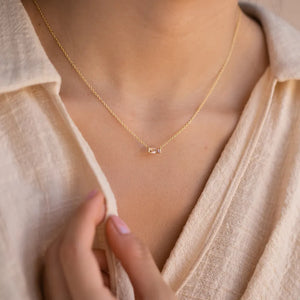

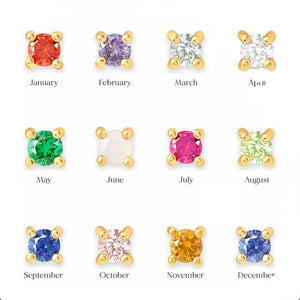
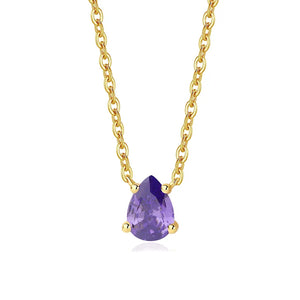

The piece they're describing → Birthstone Charm Necklace for Women — Baguette CZ Pendant, 18K Gold Plated
Personalize Yours


