


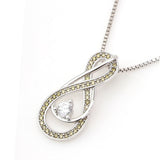
By the AJLuxe Team
TL;DR: Olivine and peridot aren't two different stones — peridot is simply the gem-quality, transparent form of the mineral olivine. Every peridot is olivine, but most olivine (the dark, often opaque or included material found in volcanic rock and even meteorites) is never clear or vivid enough to earn the name "peridot." That single fact explains almost every other question people ask about these two names, from why peridot is so affordable to why it isn't the mineral you'd want set in an engagement ring.
Olivine vs. Peridot: The Short Answer
If you've seen "olivine" and "peridot" used interchangeably and wondered which one is correct, the answer is both — they just describe the same material at different quality levels.
- Olivine is the mineral name: a magnesium-iron silicate that forms deep in Earth's mantle and is common in volcanic rock, ocean-floor basalt, and even in meteorites (a variety called pallasite contains visible olivine crystals suspended in metal). Most olivine is opaque, included, or an unremarkable dull green — geologically abundant but not attractive enough to cut into a gem.
- Peridot (pronounced PAIR-ih-dot) is the trade and gemological name reserved for olivine that's clear, well-colored, and transparent enough to facet and set in jewelry. It's the same chemical mineral, just the top slice of it by clarity and color.
Put another way: all peridot is olivine, but only a small fraction of olivine is gem-grade enough to be called peridot. Some older sources also use the name chrysolite for the same gem-quality material — it's a historical synonym for peridot, now considered outdated in the trade but still shows up on older jewelry appraisals.
Side-by-Side Comparison
| Attribute | Olivine (general) | Peridot (gem-grade olivine) |
|---|---|---|
| What it is | The mineral species itself, in any quality | Olivine that's transparent and well-colored enough to be a gem |
| Where it's used | Geology, industrial abrasives/refractories, foundry sand — most of it never becomes jewelry | Jewelry: rings, pendants, earrings, beads |
| Typical appearance | Often opaque, included, or dull olive-brown | Clear, vivid olive-to-lime green |
| Hardness (Mohs) | 6.5–7 | 6.5–7 (same mineral, same hardness) |
| Value | Little to none as a raw mineral specimen (common, abundant supply) | Modest gem value — affordable compared to most colored stones |
| Birthstone / anniversary status | None | August birthstone; 16th wedding anniversary gem |
Why Is Peridot So Cheap?
Peridot's affordability comes down to supply, not lack of appeal. Because gem-quality olivine forms in relatively large deposits — notably Arizona's San Carlos Apache Reservation, Pakistan's Suppat Valley, Myanmar, and China — and because the rough material tends to yield workable clean crystals more consistently than stones like emerald or sapphire, peridot has never been scarce enough to command a high price. It also sits at a mid-range 6.5–7 on the Mohs hardness scale, which keeps it accessible but not "precious" in the traditional four-gem sense (diamond, ruby, sapphire, emerald). None of that makes it a lesser stone — it just means you get a genuinely rare natural phenomenon (a gem that quite literally comes from the Earth's mantle, and occasionally from space) at a price most other green gemstones can't touch.
Is Olivine Valuable?
As a raw mineral, olivine on its own is not valuable — it's one of the most common minerals in Earth's upper mantle and shows up constantly in basalt, dunite, and peridotite rock, plus industrial uses like foundry sand and refractory brick. Specimen collectors will pay modest prices for unusual finds (like olivine crystals embedded in a pallasite meteorite slice), but bulk raw olivine has little to no market value. The value only appears once a piece of olivine clears the bar for transparency and color to be classified and sold as peridot.
Who Should Avoid Wearing Peridot?
Peridot's 6.5–7 hardness makes it durable enough for regular wear in pendants and earrings, but a few situations call for extra care:
- Daily manual work or high-impact activities. At 6.5–7, peridot is softer than sapphire or diamond and can scratch or chip if it's knocked against hard surfaces — think twisting a ring off before gardening, gym sessions, or heavy cleaning.
- Ultrasonic and steam cleaners. Peridot can sometimes have internal fractures or inclusions that make it sensitive to the heat and vibration of ultrasonic jewelry cleaners. A soft cloth and mild soap-and-water clean is the safer routine.
- Sudden temperature changes. Like many colored gemstones, peridot can crack under thermal shock — avoid going straight from a hot shower into cold water while wearing it.
There's no medical or "who can't wear it" restriction tied to peridot itself — the folklore version of that question (sometimes tied to birthstone or zodiac superstition) isn't a durability or safety concern, just a care one. If you want the color without worrying about scratch resistance day to day, a pendant or earrings that see less friction than a daily-wear ring is the easier choice.
What's the Rarest Color of Peridot?
Standard peridot ranges from yellow-green to a rich olive/grass green, with the deepest, most saturated pure green — free of the brownish or yellowish tint most stones show — being the most prized and hardest to find. Fine, richly saturated material from Myanmar's historic Mogok deposits (sometimes marketed as "night emerald" for its stronger green under artificial light) is considered the rarest and most valuable end of the peridot color range; large, clean stones over roughly five carats in top color are uncommon at any price point.
How to Buy Peridot Jewelry
Because peridot doesn't come in a wide range of colors the way sapphire or tourmaline does, buying it is more about clarity and cut than chasing a rare hue. Look for a vivid, even yellow-green-to-green color without a muddy or brownish cast, and check that the stone reads clean to the naked eye — peridot can include tiny dark "lily pad" inclusions that are only a problem if they're visible without magnification. Because it's one of the more affordable green gems, peridot also pairs well with sterling silver and gold-plated settings, which is why it shows up most often in accessible everyday pieces rather than high-end statement jewelry.
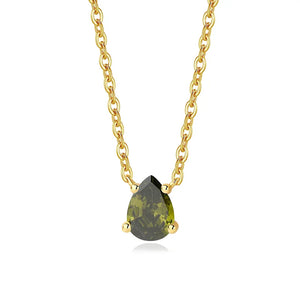
AJLuxe sets genuine peridot in 925 sterling silver and 18K gold-plated designs built for daily wear without the daily-wear price tag — browse the August Peridot Infinity Birthstone Necklace or the Peridot Water Drop Pendant Necklace if you're shopping for the real thing rather than a raw specimen.
Related reading: Charms and Pendants: What's the Real Difference (and Which One to Buy in 2026).
Frequently Asked Questions About Olivine and Peridot
Is olivine the same as peridot?
Yes, in the sense that matters for jewelry — peridot is olivine. The two names describe the same mineral species; "olivine" is the general geological name for the material in any quality, while "peridot" is reserved for the transparent, well-colored olivine that's clear enough to be cut and set as a gemstone.
Is olivine valuable?
Raw, common-grade olivine has little market value — it's abundant in Earth's mantle and shows up in volcanic rock worldwide, plus industrial uses like foundry sand. Value only appears once the material is clear and well-colored enough to be classified as peridot; at that point it becomes a modestly priced but genuine gemstone.
Why is peridot so cheap?
Mainly supply. Large, accessible deposits (Arizona, Pakistan, Myanmar, China) produce workable gem-quality material more consistently than rarer colored stones like emerald or sapphire, so peridot has never faced the scarcity that drives up price. Its mid-range 6.5–7 hardness also keeps it out of the "precious four" category, though that has more to do with tradition than actual gem quality.
Who should not wear a peridot?
There's no health or medical restriction — peridot is safe for anyone to wear. The practical caution is durability-related: because it's a 6.5–7 on the Mohs scale, it can scratch or chip with heavy daily impact, and it's sensitive to ultrasonic cleaners and sudden temperature changes. If your daily routine is hard on jewelry, a peridot pendant or earrings will hold up better than a peridot ring worn constantly.
What birthstone is olivine known as?
Peridot — the gem-quality form of olivine — is the official August birthstone and the traditional gemstone for 16th wedding anniversaries. "Olivine" itself isn't used as the birthstone name; once it's gem-grade, it's marketed and sold as peridot.
What is the rarest color of peridot?
The deepest, most saturated pure green peridot — without a brownish or yellowish tint — is the rarest and most valuable. Fine material from Myanmar's Mogok region, sometimes called "night emerald" for how strongly it reads green under artificial light, represents the top end of the color range, and large, clean stones in that color are genuinely hard to find.
What is another name for olivine?
Chrysolite is an older, now largely outdated trade name for gem-quality olivine — effectively a historical synonym for peridot that still occasionally appears on vintage jewelry appraisals and antique pieces.
Related reading: Peridot Meaning · Peridot Buying Guide · August Birthstone Guide
All third-party trademarks, brand names and product names are the property of their respective owners. AJLuxe is not affiliated with, endorsed by, sponsored by, or otherwise connected to any third-party brand referenced in this article. Brand names are used solely for accurate comparative reference, and material descriptions reflect each brand's own published product specifications at the time of writing.
You Might Also Like
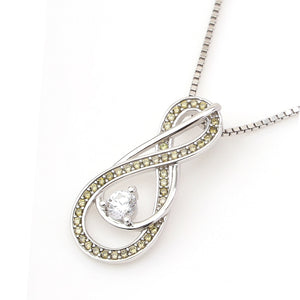
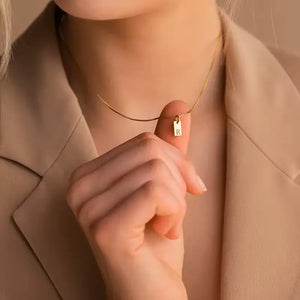

The piece they're describing → August Birthstone Necklace for Women — Peridot Green Infinity Pendant, 925 Sterling Silver
Personalize Yours


