


- Rings are the one non-negotiable: ring avulsion, a serious catching injury, is a documented, recognized category of hand trauma, not a rare freak accident.
- Small studs are generally fine for most gym activity; dangly or hoop earrings can catch on gym mats, clothing, or a partner during spotting.
- Bracelets and long necklaces are the next things to remove for any lifting, rowing, or bar work where they can catch or swing into your face.
- A tucked-in short necklace in sweat-safe metal (925 sterling silver or 18K gold plating) is usually low-risk for cardio and light training.
- Sweat and chlorine are a separate issue from safety: both can dull plating over time even on pieces that are perfectly safe to wear.
Most gym jewelry advice online is about what sweat-resistant jewelry to buy. This isn't that. Before you get to what survives a workout, there's a more basic question that actually matters for safety: what should come off before you start, and why. The short version is that one category, rings, carries a real and documented injury risk during weightlifting specifically, while the rest is mostly about comfort, etiquette, and keeping plated pieces looking good. Here's the honest breakdown of each.
Why Rings Are the One Thing to Always Take Off
Rings should come off before any workout that involves gripping a bar, a machine handle, or free weights, because a ring can catch on equipment and cause a ring avulsion, a serious degloving injury to the finger. Ring avulsion is a recognized category of hand trauma in orthopedic and hand-surgery literature, not a rare or theoretical risk: per Cleveland Clinic, ring avulsion injuries account for around 5% of emergency room visits for arm and hand injuries, and hand-surgery sources identify weightlifting, gym equipment and machinery among the documented causes, alongside falls and workplace accidents. The injury happens because the ring doesn't move with the rest of the hand when it snags, so the full force of a slipping grip or a falling weight concentrates on the finger inside the ring rather than spreading across the hand the way it would bare-handed.
This isn't about ring quality or metal type. Any ring, from a plain band to a fine gold-plated piece, poses the same catching risk on a barbell knurling, a cable machine's carabiner clip, or a pull-up bar. The only reliable prevention is removing rings before lifting, not choosing a "safer" ring to lift in.
Stud Earrings vs. Dangly Earrings: What Actually Changes
Small stud earrings are generally low-risk for most gym activity, since they sit close to the ear with nothing to catch or swing. Dangly earrings and larger hoops carry more risk, not because they're inherently dangerous, but because they can snag on a gym mat during floor work, a headphone cord, a training partner's hand during a spotted lift, or clothing pulled overhead. For any activity involving floor contact (yoga, mat Pilates, wrestling-style training) or close physical contact (partner-assisted lifts, contact sports classes), switching to studs or removing earrings entirely is the safer call. For straightforward cardio or machine work, small studs in a hypoallergenic metal like 925 sterling silver or 18K gold-plated sterling silver are a reasonable everyday choice.

Bracelets and Necklaces: Take Them Off for Lifting
Bracelets should come off for any weightlifting or bar work, since they shift constantly during a grip and can catch on the same equipment edges that pose a ring risk, though with less severe consequences. A loose bracelet sliding down onto the wrist mid-lift is also a real distraction that affects form and grip more than people expect until it happens to them.
Necklaces are lower risk than rings or bracelets for most training, since they don't grip equipment the same way, but a longer chain can swing forward during a bent-over movement or get caught if it snags on a machine's moving parts. Tucking a short necklace into a shirt, or switching to a shorter chain for gym days, avoids the swinging problem entirely. For any activity with a real strangulation risk (contact sports, wrestling-style grappling, anything with hands near the neck), removing necklaces entirely is the safer standard practice.
Can You Shower or Sweat With Jewelry On
Showering or sweating heavily with jewelry on doesn't create the same injury risk as lifting, but it does affect how the jewelry holds up over time. 925 sterling silver and 18K gold-plated sterling silver can generally handle light sweat and the occasional quick shower without immediate damage, but frequent exposure to sweat, chlorine, and hot water accelerates plating wear and tarnish on any plated piece, gold or otherwise. Removing jewelry before a shower or a swim, not because of safety but because of longevity, is the more cautious habit if you want plated pieces to last.

A Simple Before-the-Gym Checklist
| Piece | Before lifting or bar work | Before cardio or a class |
|---|---|---|
| Rings | Always remove | Always remove |
| Bracelets | Always remove | Remove for floor or contact work |
| Dangly or hoop earrings | Remove or switch to studs | Fine for most cardio; remove for floor/contact classes |
| Small stud earrings | Generally fine | Generally fine |
| Long necklace | Tuck in or remove | Tuck in or switch to a shorter chain |
The pattern across every row is the same: anything that can catch, snag, or swing comes off before lifting or grip-heavy work; anything low-profile and close to the body is usually fine for lighter training. When a session mixes both (a class with a warm-up jog followed by weighted floor work, for example), default to the stricter rule and remove rings and bracelets before you start rather than mid-session.

Final Thoughts
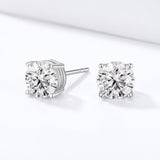
The rule that matters most is simple: rings come off before lifting, every time, no exceptions. For the pieces that are actually fine to keep on, small hypoallergenic studs are the safest everyday choice for the gym, low profile enough to wear through a full workout without a second thought. Our Round CZ Stud Earrings in 925 sterling silver are a good everyday option, or browse the full earrings collection for more low-profile styles.
Written by the AJLuxe Team. Prices and stock checked September 2026.
If you would rather not take everything off, see our roundup of the best sweat-proof, waterproof jewelry that can actually handle a workout.
Frequently Asked Questions
What is the best jewelry to wear at the gym?
Small, low-profile stud earrings in a hypoallergenic metal like 925 sterling silver or 18K gold-plated sterling silver are generally the safest jewelry to keep on during a gym session. Rings, bracelets, and dangly earrings are better left in a locker for any lifting or floor work.
Should you wear jewelry at the gym at all?
It depends entirely on the piece and the activity: small studs are usually fine, but rings should always come off before lifting or bar work because of the documented risk of ring avulsion, a serious catching injury. Bracelets and dangly earrings fall in between and are safest removed for anything involving grip, floor contact, or a training partner.
Why is it dangerous to wear a ring while lifting weights?
A ring can catch on a barbell, cable machine, or pull-up bar and not move with the rest of the hand when it snags, concentrating force on the finger. This catching mechanism is what causes ring avulsion, a recognized hand-surgery injury category linked to weightlifting and gym equipment among other causes.
Can you wear a necklace while working out?
A short necklace tucked into your shirt is generally low-risk for most cardio and light training. For weighted bent-over movements, bar work, or any contact activity, a longer chain is safer removed or tucked in tightly, since it can swing or catch during the movement.
Is it safe to shower with sterling silver or gold-plated jewelry on?
Occasional light exposure to water generally does not damage 925 sterling silver or 18K gold-plated sterling silver, but frequent showers, sweat, and chlorine will accelerate plating wear and tarnish over time on any plated piece. Removing jewelry before a shower is more about longevity than immediate safety.
All third-party trademarks, brand names and product names are the property of their respective owners. AJLuxe is not affiliated with, endorsed by, sponsored by, or otherwise connected to any third-party brand referenced in this article. Brand names are used solely for accurate comparative reference, and material descriptions reflect each brand's own published product specifications at the time of writing.
You Might Also Like

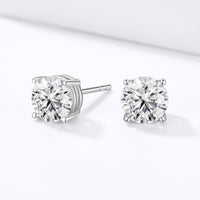
The piece they're describing → Round CZ Stud Earrings for Women — 925 Sterling Silver, Hypoallergenic, Gift-Ready
Personalize Yours


