


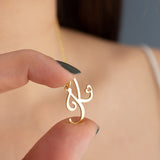
The honest answer for all four is: they can dull or gradually wear a plated finish, mostly through the alcohol, oils, and chemical filters they contain, not through anything dramatic. None of perfume, hand sanitizer, lotion, or sunscreen will destroy a piece of jewelry in one use. What actually matters is repeated, direct contact over time, and the fix for all four is the same simple habit jewelers have recommended for decades: put jewelry on last, take it off first. Below is what's actually happening with each one, and why.
Quick reference: jewelry and daily chemicals
Here's the short version before the detail: apply all four of these before you put jewelry on, not after, and you avoid nearly all of the risk.
| Product | Main concern | Best practice |
|---|---|---|
| Perfume | Alcohol + oils can dull plating over repeated contact | Spray, wait for it to dry, then put jewelry on |
| Hand sanitizer | Frequent alcohol exposure adds up; non-alcohol formulas can tarnish silver | Let it dry before sliding rings back on |
| Lotion | Oily residue dulls finish and builds up around settings | Moisturize first, let it absorb, then put jewelry on |
| Sunscreen | Chemical filters can react with plating; mineral filters can be mildly abrasive | Apply and let fully absorb before jewelry; rinse jewelry after a beach or pool day |
Chemical by chemical
Does perfume damage jewelry?
Perfume can gradually dull a plated finish, mainly because of the alcohol and oils in its formula. A single spritz near a necklace isn't going to ruin it, but perfume applied directly onto jewelry, repeatedly, over months, is a real and commonly cited cause of a plated piece looking duller sooner than it should. The standard fix jewelers recommend: spray perfume on your skin first, give it a minute to dry down, and put your jewelry on after. That keeps the concentrated, wet product off the metal entirely.
Does hand sanitizer damage jewelry?
Occasional use is low-risk for most jewelry, but it adds up with frequency. Most hand sanitizers are alcohol-based, and alcohol in moderation isn't considered a major threat to gold-plated or sterling silver pieces the way it can be with heavy, repeated exposure. The bigger risk is actually non-alcohol sanitizers that rely on other antimicrobial chemicals, which are more commonly linked to tarnishing sterling silver with regular use. Either way, the same habit helps: let sanitizer dry before putting a ring back on, rather than rubbing it in while wearing one.
Does lotion damage jewelry?
Lotion doesn't chemically attack plating the way alcohol or UV-filter chemicals can, but it does something arguably more common: it leaves an oily film that dulls shine and collects in the small gaps around prongs, settings, and clasps. Over time that residue buildup is one of the more frequent reasons a plated piece looks cloudy rather than actually worn through. Moisturizing before jewelry goes on, and giving lotion a minute to absorb into skin first, avoids most of it.
Does sunscreen damage jewelry?
Sunscreen is one of the more frequently flagged culprits for plated jewelry losing its shine, and it can work two different ways depending on the formula. Chemical sunscreens (look for ingredients like oxybenzone or avobenzone) are commonly cited as able to react with a gold-plated surface and contribute to discoloration over repeated exposure. Mineral sunscreens (zinc oxide, titanium dioxide) are generally considered less chemically reactive, but their physical particles can be mildly abrasive against a polished finish. Either way, letting sunscreen fully absorb before putting jewelry on, and rinsing jewelry off after a day of reapplication at the beach or pool, is the practical fix.
Frequently asked questions
Should I take my jewelry off before applying sunscreen or lotion?
It's the simplest way to avoid buildup entirely, but it isn't strictly necessary. The more practical habit most people actually keep up with is applying sunscreen or lotion first, letting it absorb for a minute or two, and putting jewelry on after.
Is it bad to wear a ring while using hand sanitizer all day?
Occasional use throughout a normal day is low-risk for most jewelry. The concern is cumulative, heavy, repeated exposure, especially with non-alcohol sanitizer formulas, not a single application.
Does this apply to solid gold jewelry too, or just plated?
Plated jewelry, where a thin gold layer sits over a base metal like sterling silver, is generally more sensitive to this kind of chemical exposure than solid gold, since there's less material to wear through before the base metal underneath is affected. The same 'apply products first, jewelry after' habit is still good practice either way.
What's the single best habit to protect plated jewelry from all of this?
Jewelry on last, off first. Get dressed and finish your skincare and fragrance routine, then put jewelry on; take it off before washing up at night. That one habit addresses perfume, sanitizer, lotion, and sunscreen at the same time.
Want jewelry built to handle daily wear a little better to begin with? Browse AJLuxe's hypoallergenic jewelry, all 925 sterling silver with 18K gold plating. The same "jewelry on last, off first" habit above still applies, but a well-plated base gives you more margin.
For water, showering, and swimming specifically, see our companion guide: Will Gold Plated Jewelry Fade?
All third-party trademarks, brand names and product names are the property of their respective owners. AJLuxe is not affiliated with, endorsed by, sponsored by, or otherwise connected to any third-party brand referenced in this article. Brand names are used solely for accurate comparative reference, and material descriptions reflect each brand's own published product specifications at the time of writing.
You Might Also Like
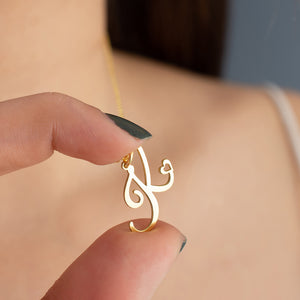
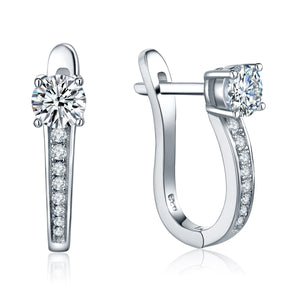
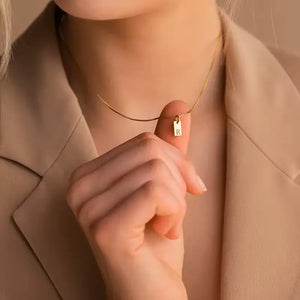
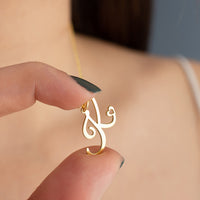
The piece they're describing → Heart Initial Necklace for Women — 18K Gold Plated, Personalized Letter + Heart Pendant
Personalize Yours


