


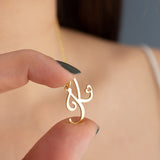
Shop it: AJLuxe Heart Initial Necklace — from $34.39.
- Stagger lengths — 14–16", 18", then 20–24" so each chain has its own line.
- Leave a 1–2 inch gap between every layer for clean separation.
- Stick to 2–3 necklaces for a delicate look that doesn't crowd the neckline.
- Vary chain weight — pair a fine cable chain with a slightly heavier rope or paperclip.
- Pick one focal pendant and keep the others simple or chain-only.
- Mix metals on purpose — gold, silver and rose gold layer beautifully together.
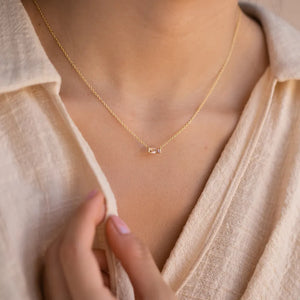
- Match the neckline — V-necks and scoops give dainty chains room to breathe.
Dainty necklaces are the easiest jewelry to fall in love with and the trickiest to layer. Those whisper-thin chains tangle the second they touch, slide into one clump, and disappear against the skin if you stack the wrong lengths. But a well-layered set of delicate necklaces is one of the most flattering looks you can wear — soft, personal, and elevated without ever feeling heavy. This guide breaks down exactly how to layer dainty necklaces using seven simple rules, the right chain lengths, and a few tricks that keep fine chains from knotting. Whether you're stacking sterling silver, 18K gold, or a mix of both, you'll have a foolproof formula by the end.
If you want the broader playbook across every chain type, see our complete necklace layering guide. This article zooms in on the delicate, fine-chain end of the spectrum — where spacing, weight, and tangle-proofing matter most.
Rule 1: Stagger your lengths (the foundation of every layered look)
The single most important rule for layering delicate necklaces is length spacing. If two fine chains are the same length, they fight for the same line on your chest and twist together instantly. The fix is to build in clear vertical steps. A classic dainty layering set uses three lengths: a short base at 14–16 inches, a mid-layer at 18 inches, and a longer drop at 20–24 inches. Each chain gets its own resting place, and the eye reads three distinct lines instead of one tangled bundle.
Dainty necklace length guide for layering
| Length | Name | Where it sits | Best layering role |
|---|---|---|---|
| 14" | Choker | Base of the neck | Top accent for V-necks & open collars |
| 16" | Collarbone | On the collarbone | Everyday short base layer |
| 18" | Princess | Just below collarbone | The workhorse mid-layer |
| 20" | Matinee (short) | Top of the bust | Pendant or focal layer |
| 22–24" | Matinee | Mid-chest | Longest drop / statement pendant |
Quick formula: pick three lengths that are at least 2 inches apart. A 16" + 18" + 20" set is the most beginner-proof starting point.
Rule 2: Leave a 1–2 inch gap between layers
Length staggering only works if there's actual breathing room between chains. Aim for a 1 to 2 inch gap between each necklace as it sits on your body. Less than an inch and the chains read as one thick line (and rub constantly); more than three inches and the look starts to feel disconnected. If you're using extender chains, this is where you fine-tune — add a half-inch extender to the middle layer to open up the spacing. The goal is a gentle cascade, not a pile.
Rule 3: Keep it to two or three necklaces
With delicate jewelry, restraint reads as luxury. Two necklaces give you a clean, modern duo; three create a fuller, romantic cascade. Beyond three fine chains, the look tips into "tangled" rather than "layered," and the individual pieces lose their delicacy. If you love a denser stack, this is the moment to introduce one slightly bolder chain (see Rule 4) rather than adding a fourth whisper-thin one. For most people, a 2–3 necklace stack is the everyday sweet spot.

Rule 4: Vary the chain weight, not just the length
This is the rule most people miss. When every chain is the same gauge of fine cable, the layers slide together and look flat. Introduce contrast in chain weight and texture: pair a barely-there cable chain with a slightly heavier rope, a flat snake chain, or a tiny paperclip link. The heavier chain anchors the bottom, the finer chains float above it, and the difference in thickness keeps them physically separated. Texture also catches light differently, so even an all-gold stack gains depth.
A reliable recipe: fine cable (top) → satellite or beaded chain (middle) → rope or paperclip (bottom). Same metal, three textures, instant dimension.
Chain-weight pairing guide
| Layer | Chain style | Why it works |
|---|---|---|
| Top (shortest) | Fine cable or box chain | Lightest gauge sits highest without competing |
| Middle | Satellite, bead, or snake chain | Adds texture and a touch more presence |
| Bottom (longest) | Rope, paperclip, or pendant chain | Slightly heavier anchor keeps layers apart |
Rule 5: Choose one focal pendant
A layered stack needs a center of gravity. Pick one pendant as the hero — an initial, a birthstone, a tiny heart, or a small charm — and let the other necklaces stay simple chains or much smaller accents. If you wear three pendants of equal size, the eye doesn't know where to land and the look feels busy. Place your focal pendant on the middle or longest layer so it sits in open space below the shorter chains. Browse dainty necklaces to find a pendant that can carry a stack without overwhelming it. A flat-lying letter like a sideways initial necklace works especially well as that focal piece, since its horizontal profile doesn't compete for space with the chains around it. A pavé pendant like AJLuxe's micro pavé heart infinity necklace works too, as long as the layers underneath stay plain chains rather than competing statement pieces.
Rule 6: Mix metals on purpose
You do not have to match. Mixing gold, silver, and rose gold is one of the most modern ways to layer dainty necklaces, and it makes a stack look collected over time rather than bought as a set. The trick is intention: repeat each metal at least once if you can (two gold + one silver reads more deliberate than one of each three different finishes), and tie the look together with one mixed-metal piece that contains both tones. If mixing feels like a leap, start with gold and silver only — the contrast is crisp and works with any outfit.
Rule 7: Match the layered look to your neckline
The neckline decides how much room your chains have. V-necks and scoop necks are ideal for dainty layering — the open space lets each chain show. Crew necks and high necklines work best with fewer, longer layers that fall onto the fabric. Strapless or off-shoulder tops are made for a short choker-plus-pendant duo — our own Layered Choker Necklace above a lower-sitting Rose Gold CZ Pendant Necklace is a real example of exactly that pairing. As a rule, the more open the neckline, the more layers you can comfortably add. A V-neck works just as well with a single Y-shaped piece instead of two separate chains — AJLuxe's CZ Y-necklace is one chain that splits into two lengths, so it reads like a two-piece layered look without doubling up on hardware.

How to stop dainty necklaces from tangling
Fine chains tangle for two reasons: they're too close in length, and there's nothing holding them apart. You've already solved the first with staggered lengths. For the rest:
- Use a layering clasp (detangler). This small connector clips two or three chains together at the back of your neck, locking in the spacing so they can't twist around each other all day.
- Vary the weight (Rule 4) so heavier chains naturally pull away from lighter ones.
- Fasten from longest to shortest when you put them on, and reverse the order to take them off.
- Don't oversize the stack — three fine chains tangle far less than five.
Storing dainty necklaces so they last
Most tangling actually happens in the jewelry box, not on your neck. Store each delicate necklace separately: hang them on a necklace stand or individual hooks, or lay each one flat in its own soft pouch or a compartment with the clasp closed. Closing the clasp before storage is the single biggest tangle-preventer. For travel, thread each chain through a drinking straw or a dedicated travel case slot to keep it straight. Keeping sterling silver in an anti-tarnish pouch also slows oxidation between wears.
Are dainty layered necklaces okay for everyday wear?
Yes — that's their whole appeal. The key is metal quality. AJLuxe dainty chains are made from 925 sterling silver and 18K gold plating over a sterling base, which is hypoallergenic and safe for sensitive skin, unlike brass- or nickel-based fashion chains that can irritate and turn green. Because the pieces are lightweight, a 2–3 chain stack is comfortable from morning to night. Take the layers off before showering, swimming, or working out to extend their shine. Explore ready-to-stack styles in the layered necklaces collection.
Related reading: Best dainty necklaces.
Shop the AJLuxe Circle Heart Necklace
925 sterling silver, an open heart linked to a small pave-set ring — 18K gold plated or left unplated, CZ pave, nickel-free.
Shop the Circle Heart Necklace →Shop AJLuxe's Initial Tag Necklace
925 sterling silver tag on a box chain, 26 letters -- 18K gold plated or left unplated in a Silver colorway, nickel-free either way.
Shop the Initial Tag Necklace →Frequently Asked Questions
How do you layer dainty necklaces without tangling?
Use clearly staggered lengths (at least 2 inches apart), vary the chain weights so heavier chains pull away from finer ones, and add a layering clasp or detangler that holds the chains together at the back. Fasten longest-first and store each necklace separately with the clasp closed.
What necklace lengths are best for layering delicate chains?
A 16" base, an 18" mid-layer, and a 20–24" longer drop is the most reliable combination. The exact numbers matter less than keeping each length at least 2 inches apart so every chain sits on its own line.
How many dainty necklaces should you layer?
Two to three is the sweet spot. Two creates a clean modern duo; three gives a fuller cascade. Beyond three fine chains the look tends to tangle and lose its delicate feel — add a slightly bolder chain instead of a fourth whisper-thin one.
How much space should you leave between layered necklaces?
About 1 to 2 inches between each necklace. Less than an inch and the chains read as one line and rub together; more than three inches and the layers look disconnected. Use small extenders to fine-tune the gaps.
Can you mix metals when layering dainty necklaces?
Absolutely. Mixing gold, silver, and rose gold is a modern, intentional look. Repeat each metal at least once for balance, and tie the stack together with one mixed-metal piece. Gold-and-silver only is the easiest place to start.
How do you choose a pendant for a layered look?
Pick one pendant as the focal point — an initial, birthstone, or small charm — and keep the other necklaces as simple chains. Place the hero pendant on the middle or longest layer so it hangs in open space below the shorter chains.
What chain weights work best for layering delicate necklaces?
Combine a fine cable or box chain on top, a textured satellite or snake chain in the middle, and a slightly heavier rope or paperclip chain on the bottom. The difference in weight keeps the layers physically separated and adds depth.
How do you keep layered necklaces from rubbing or sliding together?
Stagger the lengths, vary the chain thickness, and use a detangler clasp to lock in the spacing. A heavier bottom chain naturally anchors the stack so the lighter chains float above it instead of sliding into a clump.
What is a layering clasp or detangler?
It's a small multi-strand connector that clips two or three chains together at the back of your neck. It holds the spacing you set and prevents the chains from twisting around each other while you wear them — the easiest fix for fine-chain tangling.
Which necklines work best for layering dainty necklaces?
V-necks and scoop necks give delicate chains the most room to show. Crew and high necklines pair best with fewer, longer layers, and strapless or off-shoulder tops suit a short choker-plus-pendant duo. The more open the neckline, the more layers you can add.
How do you store dainty necklaces to prevent tangling?
Store each one separately with the clasp closed — on a stand, individual hooks, or in its own soft pouch or compartment. For travel, thread each chain through a straw or a dedicated case slot. Closing the clasp before storage prevents the majority of tangles.
Are dainty layered necklaces okay for sensitive skin?
Yes, as long as the metal is right. Choose 925 sterling silver or 18K gold plating over a sterling base, which are hypoallergenic. Avoid brass- or nickel-based fashion chains, which can irritate sensitive skin and discolor over time.
Final Thoughts
Layering dainty necklaces is really just three decisions made well: lengths that step apart, weights that contrast, and one pendant that leads. Get those right, add a detangler, and store your chains with the clasps closed, and a delicate stack becomes the easiest signature look in your rotation. Start with a simple 16"/18"/20" trio in your favorite metal, then build from there as you find pieces you love.
Ready to build your stack? AJLuxe makes lightweight, hypoallergenic dainty chains in 925 sterling silver and 18K gold — perfect for mixing, matching, and wearing every day.
Shop This Guide
- Dainty Necklaces — fine sterling silver & 18K gold chains and pendants built for stacking
- Layered Necklaces — ready-made layered sets and easy-to-mix singles
- Initial & Letter Necklaces — personalized focal pendants for the center of your stack
- Birthstone Necklaces — meaningful pendants to anchor a delicate layered look
Written by the AJLuxe team — specialists in personalized sterling silver jewelry. Last updated: June 2026. For more on chain types and care, see the GIA guide to necklace lengths and styles.
Related reading: Dainty Necklace Style Guide: Length, Metal & Layering (2026), How to Style Dainty Necklaces: The Complete Layering Guide.
All third-party trademarks, brand names and product names are the property of their respective owners. AJLuxe is not affiliated with, endorsed by, sponsored by, or otherwise connected to any third-party brand referenced in this article. Brand names are used solely for accurate comparative reference, and material descriptions reflect each brand's own published product specifications at the time of writing.
You Might Also Like
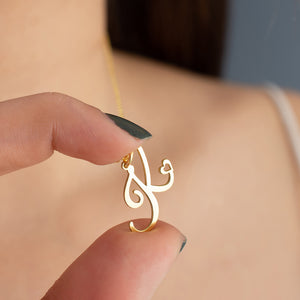
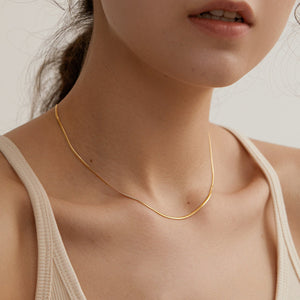
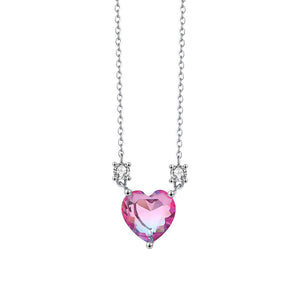
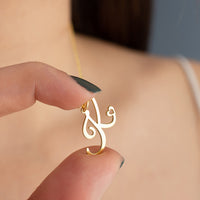
The piece they're describing → Heart Initial Necklace for Women — 18K Gold Plated, Personalized Letter + Heart Pendant
Personalize Yours


