


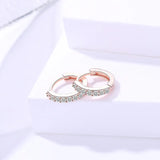

- Fine jewelry = solid precious metal + genuine gemstones. Lifetime durability, highest price, resale value.
- Demi-fine jewelry = plated or vermeil metal (often 925 sterling silver + 18K gold plating) + CZ or lab-created stones. Mid-range price, several years of wear with care.
- Fashion/costume jewelry = base metal only, little to no precious plating. Lowest price and shortest lifespan.
- Demi-fine is the sweet spot for trend pieces, layering sets, and gifts you don't want to insure — real craftsmanship without the fine-jewelry price tag.
If you've spent any time shopping for jewelry lately, you've probably run into the term "demi-fine" — and wondered whether it's a real category or just a marketing word. The short answer: it's real, and understanding demi-fine vs fine jewelry can save you from overpaying for costume jewelry dressed up in fine-jewelry language, or underpaying for something that won't survive a summer of daily wear. This guide breaks down exactly what separates the two tiers — materials, price, durability, and when each one actually makes sense to buy.
What Is Fine Jewelry?
Fine jewelry is the traditional, highest tier of the jewelry world. It's defined by two things: the metal has to be solid precious metal (not plated), and any stones have to be genuine — mined or lab-grown diamonds, and natural or lab-created gemstones with real mineral composition.
- Metals: Solid 10K, 14K, 18K, or 24K gold; platinum; solid sterling silver (.925) is sometimes included in a broader "fine" definition, though jewelers often separate it as its own tier below gold and platinum.
- Stones: Genuine diamonds, sapphires, rubies, emeralds, and other natural or lab-grown gemstones — never simulants.
- Craftsmanship: Hand-set stones, prong or bezel settings built to hold gems securely for decades.
- Longevity: Designed to be worn daily for a lifetime and passed down. Fine jewelry can be resized, repaired, and re-plated (if white gold) indefinitely.
Because the metal itself has intrinsic value, fine jewelry also holds resale and trade-in value — something no plated piece can offer.
What Is Demi-Fine Jewelry?
Demi-fine jewelry (sometimes called "semi-fine") is the middle tier between fine and fashion jewelry. The base is typically a genuine, non-precious-but-solid metal — most often 925 sterling silver, sometimes brass — plated with a real layer of gold, rose gold, or rhodium. When that gold layer is thick (2.5 microns or more per industry convention) and the base is sterling silver, it's technically gold vermeil, which is the gold standard within demi-fine.
- Metals: Sterling silver or brass base with genuine gold, rose gold, or rhodium plating (often 18K gold plating over 925 sterling silver).
- Stones: Usually cubic zirconia, moissanite, or small lab-created stones rather than mined gemstones — though some demi-fine lines use genuine small semi-precious stones.
- Craftsmanship: Real jewelry-making techniques (not injection-molded costume pieces), just with more affordable materials.
- Longevity: With proper care — no water, no perfume, storing away from air — quality demi-fine pieces from a reputable maker can last years, though the plating will eventually wear thinner than a solid-gold equivalent.
This is exactly where AJLuxe sits: every piece is built on genuine 925 sterling silver with a real 18K gold plating layer, not a hollow base-metal costume piece — the honest, durable end of demi-fine.
What Is Fashion (Costume) Jewelry?
Fashion or costume jewelry is the entry tier: base metals like zinc alloy or brass, often with a thin flash plating (if any), and glass or acrylic "stones." It's designed for a season or two of wear, not years, and it's the category most likely to turn skin green or tarnish within weeks.
Demi-Fine vs Fine Jewelry: Side-by-Side Comparison
| Feature | Fine Jewelry | Demi-Fine Jewelry | Fashion/Costume Jewelry |
|---|---|---|---|
| Metal | Solid 10K–24K gold, platinum | 925 sterling silver or brass, plated in real gold/rhodium | Base metal alloy, thin or no plating |
| Stones | Genuine diamonds and gemstones | Cubic zirconia, moissanite, small lab-created stones | Glass or acrylic simulants |
| Typical price | Two hundred dollars to several thousand | Twenty-five to one hundred fifty dollars | Five to thirty dollars |
| Durability | Decades, everyday wear, water-safe (most metals) | One to several years with care; plating wears over time | Weeks to months of regular wear |
| Resale value | Yes — metal and stone have intrinsic value | Minimal to none | None |
| Best for | Engagement rings, heirlooms, everyday staples | Trend pieces, layering sets, gifts, statement styles | One-time events, costumes, festival looks |

Gap Section: Why Demi-Fine Isn't "Fake" Jewelry
The most common misconception is that demi-fine jewelry is the same as costume jewelry with better marketing. It isn't. The difference comes down to what's under the plating and how thick that plating is. A costume piece is typically hollow base metal with a flash coating measured in fractions of a micron — it can start showing brass or nickel within weeks. A genuine demi-fine piece, like gold vermeil, has a solid 925 sterling silver core (itself a real, tarnish-resistant precious-adjacent metal) with a gold layer thick enough to meet the FTC's vermeil standard. That's a meaningfully different, more durable product — closer in construction to fine jewelry than to a five-dollar costume ring, even though the price sits well below solid gold.
This also explains why not all "gold-plated" jewelry is created equal. A ten-dollar plated ring from a fast-fashion retailer and a demi-fine gold-plated sterling silver piece can look identical in a photo but behave completely differently after a month of wear — one flakes and turns your finger green, the other holds its color for a year or more with basic care. If you want a deeper breakdown of plating thickness and quality tiers, see our guide on gold plated vs solid gold.
Gap Section: How to Tell if a "Demi-Fine" Piece Is Actually Well-Made
Because "demi-fine" isn't a legally regulated term the way "sterling silver" or "14K gold" is, brands use it loosely. Here's what to actually check before you buy:
- Base metal disclosure: Reputable demi-fine brands state the base metal outright — 925 sterling silver is the gold standard base; if a listing won't say what's underneath the plating, that's a red flag.
- Plating thickness or "gold vermeil" labeling: Gold vermeil legally requires a minimum plating thickness (2.5 microns in the U.S.) over sterling silver — a real, enforceable standard you can look for.
- Karat of the plating: 18K gold plating is more color-stable than 14K plating for most skin tones, though both are common and legitimate.
- Hypoallergenic claims: Genuine 925 sterling silver bases are nickel-free by definition, which matters if you have sensitive ears or skin.
- Care instructions provided: Brands that are upfront about avoiding water, perfume, and direct sunlight are usually the ones whose plating will actually last, because they understand their own materials.
For a deeper look at whether the investment makes sense at all, we cover this in Is 14K gold plated jewelry worth it? — and if you want the specific vermeil vs. plated distinction, see gold vermeil vs gold plated. To judge any brand you are considering, see our guide to affordable jewelry brands.

When to Buy Fine Jewelry
- Engagement rings and wedding bands — daily wear for decades demands solid metal.
- Heirloom or sentimental pieces you want to pass down.
- Staple everyday pieces you'll wear literally every day for years (a plain gold band, simple studs).
- Anything you want to be able to resize, repair, or resell later.
When to Buy Demi-Fine Jewelry
- Trend-driven styles you might retire in a year or two (chunky hoops, statement stacking rings, layered necklaces).
- Building a full layering set or stacking multiple pieces — buying five demi-fine necklaces costs far less than one fine-jewelry equivalent.
- Gifts in the twenty-five to one hundred dollar range that still feel substantial and well-made.
- Testing a style (a color, a silhouette, an oversized cut) before committing to the same design in solid gold.
- Everyday jewelry you don't want to worry about losing or damaging.
Demi-Fine Brands to Know
How to Care for Demi-Fine Jewelry (Make the Plating Last)
- Take it off before showering, swimming, or applying lotion, perfume, or hairspray — chemicals accelerate plating wear.
- Store pieces separately in a soft pouch or lined box, not tangled together, to prevent scratching the plated surface.
- Wipe with a soft, dry cloth after wear instead of using jewelry cleaner or ultrasonic cleaners, which can strip plating.
- Put jewelry on last when getting ready — after makeup, perfume, and hairspray — and take it off first when you get home.
- Avoid direct sunlight and humid storage (like a bathroom cabinet), both of which speed up tarnish and fading.
Real-World Cost Comparison: Building a Layered Necklace Stack
Cost is where the demi-fine vs fine jewelry decision usually gets made in practice. Say you want a layered look with three necklaces — a chain, a pendant, and a choker. In solid 14K gold, that same three-piece stack routinely runs eight hundred to fifteen hundred dollars once you factor in metal weight and setting labor for any stones. Built as demi-fine — 925 sterling silver with 18K gold plating — the identical three-piece look typically costs eighty to one hundred fifty dollars total, roughly a tenth of the price, because you're paying for craftsmanship and design rather than metal weight.
That math is exactly why demi-fine has taken over the layering and stacking trend. Nobody wants to commit fine-jewelry money to five rings on one hand or six necklaces at once — but in demi-fine, an entire curated stack is genuinely affordable, and it's much easier to update the look as trends shift without feeling like you wasted a serious investment.
Frequently Asked Questions
Is sterling silver considered fine or demi-fine jewelry?
It depends on who you ask. Some jewelers classify solid sterling silver as its own entry point into "fine" jewelry because it's a genuine precious metal alloy, not a coating. Others place it in demi-fine because it's less valuable than gold or platinum. What definitely counts as demi-fine is sterling silver plated with gold — that combination is the classic demi-fine and gold vermeil format.
Does demi-fine jewelry tarnish?
The sterling silver base underneath can tarnish over time if exposed to moisture, air, and sulfur-containing products, but the gold plating on top acts as a protective layer while it lasts. Once plating wears thin in high-friction spots (like a ring band), the silver underneath may start to show through and tarnish there first.
How long does demi-fine jewelry last?
With proper care — avoiding water, chemicals, and abrasion — a well-made demi-fine piece with thick gold plating over 925 sterling silver can look great for one to three years or longer, especially for lower-friction pieces like necklaces and earrings. Rings and bracelets wear faster due to constant contact.
Is demi-fine jewelry hypoallergenic?
Genuine 925 sterling silver is nickel-free, so demi-fine pieces built on a real sterling silver base are typically safe for sensitive skin and ears. Cheaper demi-fine pieces built on brass or unspecified "alloy" bases may not be — always check the base metal, not just the plating.
What's the difference between demi-fine and gold vermeil?
Gold vermeil is a specific, legally defined type of demi-fine jewelry: sterling silver base with a minimum gold plating thickness (2.5 microns in the U.S.). "Demi-fine" is the broader category that includes vermeil, along with other plated sterling silver or brass pieces that may not meet the vermeil thickness standard.
Can you get demi-fine jewelry wet?
It's best to avoid it. Water — especially chlorinated pool water, salt water, and hot shower water — accelerates plating wear and can dull the finish. If a piece does get wet, pat it dry immediately rather than letting it air dry, and avoid wearing demi-fine pieces daily in the shower or pool.
Is demi-fine jewelry worth the price compared to fine jewelry?
For trend pieces, statement styles, or anything you want to swap out seasonally, yes — you get real craftsmanship and a genuine metal base at a fraction of fine-jewelry pricing. For pieces you plan to wear daily for decades or pass down, fine jewelry's durability and resale value make it the better long-term investment.
Why is demi-fine jewelry more expensive than costume jewelry?
Costume jewelry uses hollow base-metal alloys with minimal or no real plating, mass-produced at very low cost. Demi-fine jewelry uses a genuine metal base (usually 925 sterling silver) and a measurable, meaningful layer of real gold or rhodium, which costs significantly more in raw materials and manufacturing than costume jewelry's thin flash coating.
What karat gold plating is best for demi-fine jewelry?
18K gold plating is the most common choice for quality demi-fine pieces because it offers a rich, warm gold tone that resists visible fading better than lower-karat plating, while still being more cost-effective and scratch-resistant in thin layers than pure 24K plating.
Can demi-fine jewelry be resized or repaired?
Sometimes, but with caveats. Because the value is mostly in craftsmanship rather than metal content, many demi-fine brands don't offer resizing services, and a local jeweler working on a plated piece risks damaging or removing the plating during the repair. Always check a brand's care and repair policy before buying a demi-fine ring you may need resized.
How do I know if a listing labeled "demi-fine" is actually well-made?
Look for explicit disclosure of the base metal (ideally 925 sterling silver, not vague "alloy"), a stated plating thickness or vermeil certification, and clear care instructions. Brands that hide the base metal or use only vague marketing language ("luxury-inspired," "gold-tone") are more likely to be costume jewelry dressed up as demi-fine.
Final Thoughts
Demi-fine vs fine jewelry isn't a question of "real" versus "fake" — it's a question of what job you need the piece to do. Fine jewelry is the right call for engagement rings, heirlooms, and the handful of pieces you'll wear every single day for the rest of your life. Demi-fine is the right call for everything else: the trend pieces, the layering sets, the gifts, the statement styles you want to rotate through without a four-figure price tag. The key is buying demi-fine from a brand that's honest about its materials — genuine 925 sterling silver with real gold plating, not a hollow base metal dressed up in fine-jewelry language.
Shop This Guide
AJLuxe's pieces are built the honest demi-fine way — genuine 925 sterling silver with real 18K gold plating, not hollow base metal. Our Micro Pave Huggie Hoop Earrings are a perfect example: sterling silver core, 18K gold plating, and pavé CZ detailing for a fine-jewelry look at a demi-fine price. Browse the full gold vermeil jewelry collection to see the range.
Author: AJLuxe Team
Last updated: July 2026
Source: Jewelers of America — Jewelry Education
All third-party trademarks, brand names and product names are the property of their respective owners. AJLuxe is not affiliated with, endorsed by, sponsored by, or otherwise connected to any third-party brand referenced in this article. Brand names are used solely for accurate comparative reference, and material descriptions reflect each brand's own published product specifications at the time of writing.
You Might Also Like
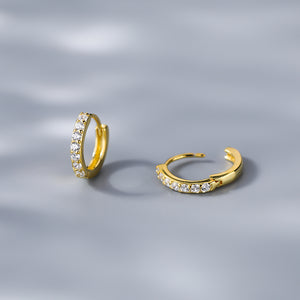
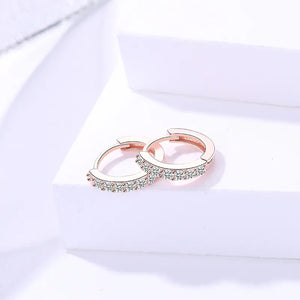
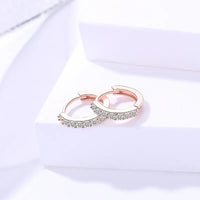
The piece they're describing → Rose Gold Micro Pave CZ Huggie Earrings for Women — 316L Stainless Steel, Hypoallergenic
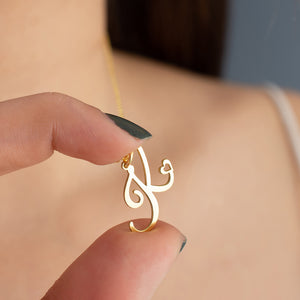
Personalize Yours


