


- Gold filled has 100× more gold than gold plated and lasts 10–30 years — it contains real gold bonded under heat and pressure
- Gold plated has a thin 0.5–2.5 micron gold layer that wears off in months to 2 years, especially on rings
- Gold vermeil is the middle tier — sterling silver base, 2.5+ micron gold layer, FTC-regulated — better than plated but still not bonded
- Solid gold is permanent, has resale value, and is the only choice for heirloom pieces
- AJLuxe uses 18K gold plated over 925 sterling silver — the best value combination for fashion jewelry worn regularly
Gold filled and gold plated jewelry can look identical in a photograph — and often in person. The difference becomes visible after six months of daily wear, when one piece still looks new and the other has worn through to brass at every friction point. This guide covers every meaningful difference between all four types of gold jewelry, with the exact specifications, real lifespan numbers, FTC regulations, and practical guidance on which to choose for daily rings, necklaces, and earrings.
The Four Types of Gold Jewelry — Quick Comparison
| Property | Gold Plated | Gold Vermeil | Gold Filled | Solid Gold |
|---|---|---|---|---|
| Gold layer thickness | 0.5–2.5 microns | Min. 2.5 microns | ~50–100 microns | Solid throughout |
| Gold content by weight | <0.05% | <1% | Min. 5% (1/20th) | 41.7–99.9% |
| Base metal | Brass, copper, nickel, silver | Sterling silver (925) only | Brass (usually) | None |
| Manufacturing | Electroplating | Electroplating | Heat + pressure bond | Cast/forged alloy |
| Lifespan (daily wear) | 6 months–2 years | 1–3 years | 10–30 years | Lifetime |
| FTC regulated | Yes | Yes | Yes | Yes |
| Safe for sensitive skin | Risk when worn | Generally yes | Generally yes | Depends on karat |
| Safe in water | No | With care | Occasionally OK | Yes |
| Price range | $10–$50 | $20–$100 | $40–$200+ | $300–$800+ |
| Resale / scrap value | None | Minimal | Minor | Strong |
What Is Gold Plated Jewelry?
How Gold Plating Is Made
Gold plating uses electroplating: the base metal piece is submerged in a gold ion solution, and an electrical current deposits gold ions onto the surface. The process creates a very thin, even layer of gold across the entire piece — but "thin" is the operative word. Standard gold plating is typically 0.5 to 2.5 microns thick. For reference, a human hair is approximately 75 microns across — most gold plating is 30 to 150 times thinner than a single hair.
Gold Plated Specifications
The FTC minimum for electroplating is 0.175 microns — barely a surface coating. Most commercial gold plated jewelry sits at 0.5 to 1 micron. Gold plated jewelry contains less than 0.05% actual gold by weight, making it functionally a base metal piece with a cosmetic gold finish.
Base metals used in gold plating: brass, copper, nickel, and sometimes sterling silver. The base metal determines how the piece behaves when the plating wears through — and it will wear through.
How Long Does Gold Plated Jewelry Last?
With regular wear: 6 months to 2 years before the finish begins noticeably degrading. Rings are worst-case — gold plated rings can show wear at friction points in 1 to 3 months of daily use, because the ring constantly rubs against adjacent fingers, surfaces, and other rings. Necklaces and earrings experience less friction and last longer, but no gold plated piece is designed for permanent wear.
What Is Gold Filled Jewelry?
How Gold Filled Is Made
Gold filled jewelry is made by mechanically bonding a thick layer of gold to a base metal core — typically jeweler's brass — using heat and pressure. This is not electroplating. The gold sheet is physically fused to the surface, creating a bond that cannot be rubbed off under normal wear. To reach bare metal, you would need to grind away 50 to 100 microns of real gold.
The FTC 1/20 Rule
The FTC standard for gold filled jewelry (16 CFR Part 23) requires the gold layer to equal at least 1/20th of the total weight of the piece — a minimum of 5% gold by weight, in gold of at least 10 karats. This means gold filled jewelry contains approximately 100 times more gold than gold plated jewelry. That is the single most important specification to understand when comparing the two types.
Allowed FTC stamps for gold filled: 14K GF, 1/20 14K GF, Gold Filled, Gold Overlay, Rolled Gold Plate.
How Long Does Gold Filled Jewelry Last?
Gold filled jewelry typically lasts 10 to 30 years of daily wear with proper care. Many people wear the same gold filled necklace every single day for 15 to 20 years without visible wear. The gold layer is thick enough that normal friction, sweat, and occasional water exposure do not meaningfully reduce it within a human lifespan of normal wear.
Gold Vermeil — The Regulated Middle Tier
Gold vermeil (pronounced "ver-MAY") occupies the space between standard gold plating and gold filled. It is specifically defined by FTC regulation: a sterling silver base coated with gold of at least 10 karats, at a minimum thickness of 2.5 microns. Unlike standard gold plating, the FTC requires a specific base metal (sterling silver only) and a minimum gold thickness that is meaningfully above the plating minimum.
Why vermeil is better than standard gold plating:
- The gold layer is at minimum 2.5 microns — typically 5× thicker than standard gold plating
- The base is sterling silver (925), which is hypoallergenic for most people and will not turn skin green
- When the gold layer wears, you are left with sterling silver rather than brass or copper underneath
Why vermeil does not match gold filled:
- The gold is still electroplated, not mechanically bonded — it can and will wear through eventually
- 2.5 microns vs. 50–100 microns is still a 20–40× difference in gold layer thickness
- Lifespan of 1–3 years vs. 10–30 years for gold filled
AJLuxe's jewelry uses 18K gold plated over 925 sterling silver — which meets the vermeil standard (sterling silver base, 18K gold, 2.5+ micron thickness). For a full breakdown of the vermeil category specifically, see our complete gold vermeil guide.
Solid Gold — When to Upgrade Entirely
Solid gold jewelry is made from a gold alloy throughout — no base metal core, no plating layer. Solid gold does not tarnish, fade, or wear through in a human lifetime. For the full picture, see our guide on does gold plated jewelry tarnish.
Solid gold karat guide:
- 10K — 41.7% pure gold; most durable (more alloy metals); least expensive solid gold option
- 14K — 58.3% pure gold; the everyday wear sweet spot — durability, gold content, and price balanced
- 18K — 75% pure gold; richer color; softer than 14K; more expensive
- 24K — 99.9% pure gold; too soft for most jewelry; typically used in coins and bullion
Solid gold has intrinsic resale and scrap value — you can sell it at market gold prices. A 14K necklace might fetch $150–$400 at scrap; a gold filled or gold plated necklace is worth effectively nothing at scrap. Solid gold is the only choice for heirloom pieces — engagement rings, wedding bands, pieces intended to pass between generations.
For everyday fashion jewelry, though, solid gold is often unnecessary expense. A well-made gold filled or gold plated over sterling silver piece serves the same visual function for a fraction of the cost. Browse our gold necklaces collection for 18K gold plated over 925 sterling silver options that wear beautifully.

Durability Comparison — Which Jewelry Type Holds Up Best
Why Gold Plated Rings Fail Fastest
Rings experience more friction than any other jewelry type. Every time you make a fist, grip an object, type, or wear rings in a stack, the gold plating at the contact points is abraded. The plating on the inner band and the sides of the ring wears through first, exposing brass or copper that then oxidizes against your skin.
A gold plated ring worn daily can show visible wear at friction points in 1 to 3 months. A gold filled ring in the same conditions maintains its finish for years. If you are buying a ring you plan to wear every day, gold filled is the only sensible choice below solid gold.
What Gold Filled Looks Like Over Time
New gold filled and new gold plated pieces look identical — the gold surface has the same warm color and sheen. At 6 months, a gold filled piece still looks essentially new while a well-worn gold plated piece shows wear spots. At 2 years, the difference is stark: gold filled maintains its uniform color; gold plated shows base metal at friction points, edges, and clasps.
| Jewelry Type | Gold Plated (Daily) | Gold Vermeil (Daily) | Gold Filled (Daily) |
|---|---|---|---|
| Daily-wear rings | 1–3 months at friction points | 3–12 months | Years to decades |
| Daily-wear necklaces | 6–12 months | 1–2 years | 10–30 years |
| Earrings (regular) | 1–2 years | 2–4 years | 10+ years |
| Bracelets (daily) | 3–6 months at clasp | 6–18 months | Years |
| Occasion-only pieces | Several years | Many years | Decades |
How to Identify Gold Filled vs. Gold Plated by the Stamps
Gold Filled Hallmarks
Look for these stamps on the clasp, inside the ring band, or on the back of a pendant:
- 14K GF — 14-karat gold filled
- 1/20 14K GF — gold filled, 14K, at least 1/20th by weight (the full FTC specification)
- 14/20 or 12/20 — karat fraction notation for gold filled
- Gold Overlay or Rolled Gold Plate — FTC-permitted alternative terms for gold filled construction
Gold Plated Hallmarks
- GP — gold plated
- GEP — gold electroplated
- RGP — rolled gold plate (a mechanical plating method; thinner than gold filled)
- HGE — heavy gold electroplate (sounds substantial; still very thin plating)
If you see just a karat number with no qualifier — 14K, 18K — that indicates solid gold. A 925 stamp indicates sterling silver, which is the base for gold vermeil pieces.
3 DIY Tests to Tell Them Apart
- Visual edge inspection: Examine the edges, inside of ring bands, and clasp with a magnifying glass. Gold plated pieces show color variation or base metal at wear points. Gold filled maintains even color throughout.
- Wear pattern test: On a well-worn piece, friction areas will show base metal on gold plated jewelry first — at the inner band of rings, at chain links, at clasp tabs. Gold filled shows no such variation.
- Hallmark check: The stamp is the most reliable method. Use a jeweler's loupe or magnifying glass. Every legitimate gold filled piece has a "GF" stamp.
Note: the magnet test only rules out ferrous metals (steel, iron) — gold, brass, and copper are all non-magnetic, so a magnet test cannot distinguish gold plated from gold filled.
Sensitive Skin and Allergies — Which Type Is Safe?
Approximately 15% of the population has a nickel allergy — the most common metal allergy. Nickel is frequently used in the base metals of gold plated jewelry (brass alloys often contain trace nickel). When gold plating wears through and base metal contacts skin, nickel-sensitive wearers can develop itching, redness, and rash at the contact point.
Gold filled jewelry is generally safe for sensitive skin. The thick gold layer keeps the base metal away from your skin throughout normal use. The gold layer does not wear off in the way plating does, so the allergen stays separated from skin.
Gold vermeil is hypoallergenic at the surface level because the sterling silver base (925) is nickel-free. Even when the gold layer wears, the exposed sterling silver is unlikely to cause reactions for most people. Our hypoallergenic jewelry collection uses 925 sterling silver bases throughout.
Gold plated over brass carries real risk for sensitive skin once the plating wears. The thin gold layer wears through in normal use, and what touches your skin after that point depends entirely on the base metal alloys used.
Skin turning green — a common concern — is caused by copper or brass oxidizing on contact with skin chemistry. It is harmless and washes off, but it does signal that the plating has worn through and base metal is in contact with skin. Gold filled and gold vermeil pieces do not produce green skin under normal wear.
Cost Comparison — Price vs. True Value
Upfront Price by Type
- Gold plated: $10–$50 for most fashion jewelry
- Gold vermeil: $20–$100
- Gold filled: $40–$200+
- Solid 14K gold: $300–$800+ for a comparable necklace
Cost Per Wear — The Real Math
The upfront price difference between gold plated and gold filled narrows significantly when you account for actual lifespan.
A $30 gold plated necklace worn daily that lasts 12 months costs $0.08 per wear. A $90 gold filled necklace worn daily for 10 years costs $0.025 per wear — less than one-third the cost per wear. The gold filled piece is "more expensive" to buy and "cheaper" to actually own.
For anyone who finds a style they love and wants to wear it for years — a simple personalized necklace, a chain they layer every day — gold filled or high-quality gold plated over sterling silver is the more economical choice despite the higher upfront price.
Resale Value
Solid gold has intrinsic scrap value — you can sell it at approximately the market gold price for the metal content. Gold filled has minor scrap value (5% gold content is meaningful but low). Gold plated and gold vermeil have effectively no resale or scrap value — the gold content is negligible. Resale value should only factor into your decision if you are buying investment pieces, which is strictly the domain of solid gold.
Which Should You Choose? Recommendations by Use Case
For daily-wear rings: Gold filled only. Rings take more friction than any other jewelry type, and gold plating wears through at ring contact points in 1–3 months of daily wear. If you want a ring you can put on and forget about, gold filled is the minimum specification. Solid gold if you want permanent.
For daily-wear necklaces and chains: Gold filled or quality gold plated over sterling silver. Necklaces experience less friction than rings. 18K gold plated over 925 sterling silver — like AJLuxe jewelry — provides excellent daily wear performance with proper care. Gold filled for the longest-lasting option under solid gold.
Under $50 → Gold plated (sterling silver base preferred). Treat it as fashion jewelry with a limited lifespan. With care, you get 1–2 years of regular wear.
$50–$120 → 18K gold plated over 925 sterling silver. Best value in this range — browse our gold necklaces.
$120–$300 → Gold filled. The price step is justified for pieces you plan to wear for many years.
$300+ → Solid gold. Permanent, resalable, heirloom-grade.
For intricate or delicate designs on a budget: Gold vermeil. The sterling silver base allows more detailed casting than brass, and the regulated gold layer is thicker than standard plating.
For sensitive skin: Gold vermeil (sterling silver base) or gold filled. Both keep hypoallergenic metal at the surface in normal wear. Sterling silver is hypoallergenic and won't cause reactions for most people — browse our hypoallergenic jewelry collection.
For heirloom or sentimental pieces: Solid gold only. No plated or filled piece is intended for permanent generational wear.

Care and Maintenance for Each Type
How to Care for Gold Filled Jewelry
Gold filled is the most forgiving to care for. Mild soap and warm water with a soft cloth is sufficient for most cleaning. Occasional water contact — washing hands, light rain — will not damage it. Remove before swimming in chlorinated pools or saltwater, and before using harsh chemical cleaners. Occasional overnight water exposure at clasps or joints is fine. For thorough cleaning guidance, see our sterling silver cleaning guide — the same method applies to gold filled pieces with a sterling silver component.
How to Care for Gold Plated and Vermeil Jewelry
Remove before swimming, showering, working out, and applying lotion, perfume, or sunscreen. Apply beauty products first; put jewelry on after everything has absorbed. Clean with a damp soft cloth only — no soaking, no toothbrush scrubbing on the gold surface. Pat completely dry immediately after any contact with water. Store in the anti-tarnish pouch the piece came in to slow surface oxidation.
The most important thing you can do to extend gold plated jewelry's life is to minimize friction. Remove rings before activities where your hands are in constant contact with surfaces. Rotate your jewelry rather than wearing the same pieces every single day.
Can You Shower With Gold Filled Jewelry?
Occasional showering will not damage a gold filled piece, but regular daily showering is not recommended — soap and mineral buildup accumulate in joints and settings over time, dulling the surface. For gold plated jewelry, removing before any shower is the right practice.
Sustainability — The Environmental Case for Longevity
One gold filled necklace lasting 20 years produces less environmental impact than the same person buying 10–15 gold plated replacements over the same period. The manufacturing difference compounds this: gold filled is produced via heat and pressure bonding, which requires no chemical bath. Gold electroplating uses a chemical gold-ion solution that produces toxic waste requiring proper disposal.
For buyers who want to make an environmentally considered purchase, longevity is the primary metric — one well-made piece beats repeated cheap replacements on every environmental measure.
Frequently Asked Questions
Is gold filled real gold?
Yes. Gold filled jewelry contains real gold — legally required by the FTC to comprise at least 1/20th (5%) of the total weight. The gold is mechanically bonded, not plated, and cannot be rubbed off in normal use.
What does 14K GF mean?
"14K GF" means 14-karat gold filled. The 14K indicates the gold purity (58.3% pure gold), and GF confirms it meets the FTC gold filled standard — real 14K gold at at least 1/20th of the item's total weight.
How long does gold filled jewelry last?
10 to 30 years with proper care. The gold layer is approximately 50–100 microns thick — 20 to 200 times thicker than gold plating — and withstands daily wear, sweat, and water exposure without fading.
How long does gold plated jewelry last?
6 months to 2 years for most pieces. Gold plated rings fail fastest — as little as 1–3 months of daily wear at friction contact points — due to the thin gold layer abrading away.
Can you wear gold filled jewelry in the shower?
Occasional water contact is fine. Regular daily showering is not recommended due to soap buildup. For gold plated jewelry, remove before any water contact.
Is gold filled jewelry hypoallergenic?
Generally yes — the thick gold layer keeps the base metal away from skin in normal use. Gold plated jewelry is a risk for nickel-sensitive wearers once the thin plating wears through.
What is gold vermeil?
Gold vermeil is a regulated type of gold-plated jewelry: sterling silver base, gold of at least 10K, minimum 2.5 micron gold thickness. Better than standard gold plating; less durable than gold filled. See our full gold vermeil guide →
Why does gold plated jewelry turn skin green?
Green skin is caused by copper or brass base metal oxidizing on contact with skin chemistry — harmless and easily washed off. It signals the gold plating has worn through. Gold filled and gold vermeil (sterling silver base) do not produce green skin under normal wear.
How can you tell gold filled from gold plated at home?
Look for the hallmark stamp: "GF" or "14K GF" = gold filled. "GP," "GEP," "RGP," or "HGE" = gold plated. Examine the edges and inner band of a well-worn piece — gold plated shows base metal at wear points; gold filled maintains even color.
Is gold vermeil better than gold plated?
Yes — meaningfully so. The gold layer is at minimum 2.5 microns (vs. 0.5 microns for most gold plating), the base is sterling silver rather than brass, and "vermeil" is an FTC-regulated term. Still less durable than gold filled.
Does gold filled jewelry tarnish?
Rarely under normal daily wear. The thick real-gold surface layer is naturally tarnish-resistant. Unusual conditions (harsh chemicals, saltwater, improper storage) can occasionally produce tarnish, but far less commonly than with gold plated jewelry.
Which is better for daily wear rings — gold filled or gold plated?
Gold filled, strongly. Rings experience the highest friction of any jewelry type. Gold plated rings can show wear at friction points in 1–3 months of daily use. Gold filled rings maintain their finish for years under the same conditions.
Written by the AJLuxe jewelry team. Regulatory source: FTC 16 CFR Part 23 — Guides for the Jewelry, Precious Metals, and Pewter Industries.
For a deeper look at 925 sterling silver — the best base for gold plated jewelry — see our guide: what does 925 mean on jewelry.
Understanding the stamps on your jewelry is key to knowing what you're buying. See our full reference: what do GP, GF, and other gold jewelry stamps mean.
Last updated: June 2026
Related: Sterling Silver vs Gold Plated Necklace Guide
Explore more: Complete Gold Jewelry Guide
Looking for brands that use gold fill or high-quality gold plating over 925 silver? See our roundups of the best Mejuri alternatives, Gorjana alternatives, and Ana Luisa alternatives — all compared by base metal, plating quality, and price.
You Might Also Like

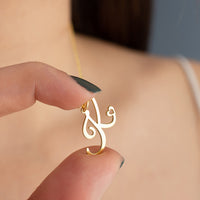
The piece they're describing → Heart Initial Necklace for Women — 18K Gold Plated, Personalized Letter + Heart Pendant
Personalize Yours

