


- Four checks beat any list. Base metal named, finish described in standard terms, a clear return window, and a price that fits the materials.
- "Gold plated" is a legal category. The FTC Jewelry Guides set minimums for terms such as gold electroplate and vermeil, so a brand can be asked to prove which one it means.
- The base metal decides what happens when the finish wears. Sterling silver can tarnish, stainless steel forms a protective film, and brass or zinc alloys are a different risk for sensitive skin.
- Health claims need a material behind them. "Hypoallergenic" and "nickel-free" on their own tell you little.
- Affordable does not mean disposable. Affordable jewelry lasts when the materials are honest and the wear expectations are too.
Searches for affordable jewelry brands usually end in a ranked list, and lists go out of date, reflect one writer's taste and cannot tell you anything about a brand that launched last month. A method does not have that problem. The sections below show what to look for on any product page, how the main price tiers differ, and how to read claims such as hypoallergenic, nickel-free and tarnish-resistant. We do not name or rank other brands anywhere on this site.
What do different tiers of affordable jewelry actually contain?
Affordable jewelry falls into four material tiers, and the tier tells you more about quality than the price tag or the brand story does. The table below sets out what each tier is, what the law lets a seller call it, and the one question worth asking before you buy.
| Tier | What it is | What the term means legally | Question to ask |
|---|---|---|---|
| Undisclosed base metal with a gold-tone or silver-tone finish | A coated alloy, often brass, zinc or copper-based | No metal standard is implied by "gold-tone" | Which metal is under the finish? |
| Plated sterling silver or plated stainless steel | A precious or corrosion-resistant base with a thin gold or rhodium layer | "Sterling" requires at least 925 parts per 1,000 of pure silver. A gold electroplate claim requires a stated minimum of gold | What is the base metal, and what is the gold layer called? |
| Vermeil or gold-filled | A thicker gold layer on a defined base | Vermeil is a sterling silver base with gold of at least 10 karat at a minimum of 2.5 microns. Gold-filled requires the gold layer to be at least 1/20 of the article's weight | Is the piece marked with the karat and the term? |
| Solid gold, small stones | A gold alloy all the way through | A karat figure must accompany the term | Does the price fit the gold weight? |
The definitions come from the US Federal Trade Commission's Jewelry Guides: 16 CFR 23.3 (gold plating, gold-filled and karat rules), 16 CFR 23.4 (vermeil) and 16 CFR 23.5 (sterling silver). For a closer look at how these layers compare, see our guides to vermeil vs gold plated and gold filled vs gold plated.
What should a jewelry brand tell you before you buy?
Before you buy, a brand should tell you six things on the product page itself, not in a separate FAQ you have to hunt for. Run through these in order.
- Base metal. "925 sterling silver", "316L stainless steel" or "solid 14K gold" are answers. "Premium alloy" and "luxury metal" are not.
- The finish, in standard words. Under the FTC rules above, gold electroplate means a minimum of 0.175 microns of gold of at least 10 karat, and heavy gold electroplate means 2.5 microns. If a brand says "thick plating" and never says how thick, ask.
- The karat of any gold. A karat figure must accompany gold terms under the same guides.
- What "hypoallergenic" is tied to. The American Academy of Dermatology suggests jewelry that is nickel-free, hypoallergenic or made from metals such as surgical-grade stainless steel, 18, 22 or 24 karat yellow gold, pure sterling silver or platinum (AAD nickel allergy guidance). The claim is only as good as the metal behind it.
- A return window and who pays for it. Fit and finish problems show up after delivery, so the policy matters more on inexpensive pieces, not less.
- A way to reach a person. Our checklist for telling whether an online jewelry store is legitimate covers reviews, contact details and secure checkout in more detail.
How should you read claims like hypoallergenic, nickel-free and tarnish-resistant?
Read each claim as a question about the base metal, because the base metal is what you are actually wearing once the finish thins. The table below turns the three most common claims into questions you can put to any brand.
| Claim | What it depends on | Ask the brand |
|---|---|---|
| Hypoallergenic | The metals in contact with skin, especially nickel content | Which metal touches the skin, and does the alloy contain nickel? |
| Nickel-free | A nickel-free alloy or a coating that stays intact | Is this the alloy itself or a coating over something else? |
| Tarnish-resistant | The base metal and how long the finish lasts | What happens underneath once the finish wears? |
The nickel question has a measurable side. In the European Union, nickel release from items worn in prolonged skin contact is limited to 0.5 micrograms per square centimeter per week, and to 0.2 for posts placed in pierced ears, under REACH Annex XVII entry 27 and the EN 1811 test method (see the reference page on the EU Nickel Directive). A brand that can tell you which test a piece passed is giving you more than a label does. Stainless steel is a useful example of why the base matters: it resists corrosion because chromium of at least 10.5 percent forms a thin self-repairing film, yet steel alloys such as 316L still contain nickel, and there is no formal definition of "surgical steel". Sterling silver, by contrast, tarnishes slowly as it reacts with sulfur compounds in the air, which is a maintenance issue and not a safety one.
We go deeper on each claim in tarnish-resistant jewelry, explained, what makes jewelry hypoallergenic and our waterproof jewelry guide.
Does the price match the materials?
A price matches the materials when it sits where the metal content and the finish would put it, and the clearest mismatch is a piece sold as "solid gold" at the price of a fashion accessory. Solid gold is gold all the way through, so its cost follows the karat and the weight. A plated piece is priced on the base metal and a small amount of gold, so it should cost far less. If a listing promises the first at the price of the second, either the gold claim or the listing is wrong. Affordable jewelry is not the problem here. A vague description is.
If you are comparing where to shop and not what to check, our guides to affordable luxury jewelry, cheap jewelry websites and demi-fine versus fine jewelry cover those angles.
Where does AJLuxe fit?
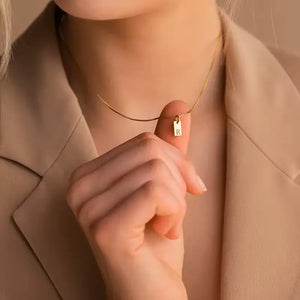
AJLuxe sells jewelry, so read this section as a description of one seller and not as an independent review. AJLuxe's women's line is mostly 925 sterling silver with 18K gold plating, priced from $24.99 to $79.99, and a few pieces use 316L stainless steel, so the base metal is named on each product page and you should read the page for the piece you want. On the gold-plated pieces, the product pages estimate a plating life of 1 to 3 years with care. AJLuxe does not publish a plating thickness in microns on its product pages, which is exactly the kind of detail check number two above asks any brand to supply. Most pieces are also not meant for water: the product pages say to remove them before showering or swimming. Returns are accepted within 30 days of delivery for unworn items in their original packaging, the customer pays for the return label, and personalized pieces such as initial jewelry are final sale (see the return and exchange page).
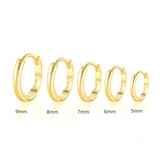
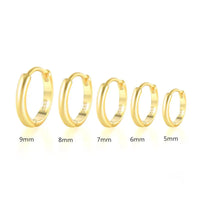
A straightforward example: the 925 Sterling Silver Minimalist Huggie Earrings in Gold state their base metal (925 sterling silver), their finish (18K gold electroplate) and their care rules on the product page, and come in four sizes.
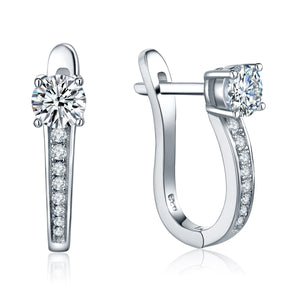
Shop the Gold Huggie Earrings, $34.99For a lower price, the Sterling Silver CZ Stud Earrings ($22.99) use a 925 sterling silver post with a rhodium finish and a cubic zirconia stone (not a diamond), in sizes from 3mm to 7mm.
Frequently Asked Questions
What are some affordable brands of branded jewelry?
We do not name or rank other brands, so we cannot give you a list here. Instead, pick any brand you are considering and check that it names the base metal, describes its finish in standard terms, publishes a return window and prices the piece in line with its materials. A brand that passes all four is a reasonable affordable choice whatever its size.
What are some affordable luxury jewelry brands?
"Affordable luxury" is a marketing phrase and not a material standard. In practice it usually describes jewelry in the plated sterling silver, vermeil or gold-filled tiers in the table above. Our guide to affordable luxury jewelry explains the term in more detail.
What are some mid-tier jewelry brands?
Mid-tier jewelry generally sits between fast fashion and fine jewelry, using a named precious or corrosion-resistant base with a real gold finish, often described as demi-fine. To place any brand, look at its tier in the table: base metal, finish term and karat. Our demi-fine versus fine jewelry guide covers the middle category.
How do I know if a jewelry brand is good quality?
Check the product page for a named base metal, a finish described in standard terms such as gold electroplate or vermeil, a karat for any gold, a return window and a way to reach the company. Then compare the price with what the metal content would suggest. A brand that hides any of these is asking you to take quality on trust.
Is gold plated jewelry from an affordable brand worth buying?
It can be, if you expect the finish to wear over time and the base metal is sound. Plated jewelry costs far less than solid gold because the gold layer is thin, and the trade-off is that the layer gradually thins with daily wear. Our guide to whether 18K gold plated jewelry is worth it walks through the costs.
Does a higher price mean better jewelry?
Not automatically. A higher price should reflect more or better metal, a thicker finish or finer stones, and those are things you can check on the product page. A high price attached to an undisclosed metal is a reason to ask more questions, not fewer.
Final Thoughts
The most reliable way to choose an affordable jewelry brand is to ignore the brand story and read the product page: base metal, finish, karat, return window and a price that fits. If you would like to see what an honestly described piece looks like, start with the 925 Sterling Silver Minimalist Huggie Earrings in Gold, and compare it to whatever else you are considering using the checks above.
All third-party trademarks, brand names and product names are the property of their respective owners. AJLuxe is not affiliated with, endorsed by, sponsored by, or otherwise connected to any third-party brand referenced in this article. Brand names are used solely for accurate comparative reference, and material descriptions reflect each brand's own published product specifications at the time of writing.
You Might Also Like
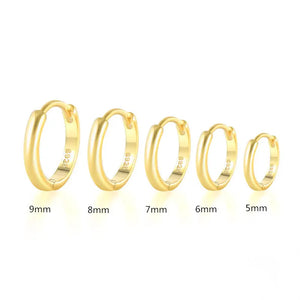
The piece they're describing → Gold Huggie Earrings for Women — 925 Sterling Silver, 18K Gold Plated, Minimalist
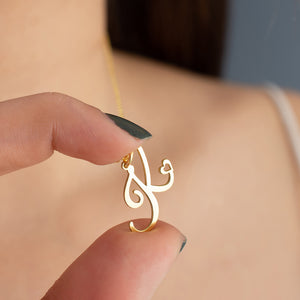
Personalize Yours


