


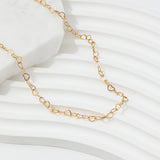
- Gold plated = a thin gold layer (roughly 0.5–2.5 microns) electroplated onto a base metal like brass, copper, or sterling silver.
- Gold overlay = an older term, now used interchangeably with gold-filled or rolled gold plate, where a much thicker gold layer is bonded on with heat and pressure.
- By U.S. convention, gold-filled/overlay must contain gold equal to at least 1/20th of the piece's total weight — plating has no such minimum.
- Overlay outlasts plating by a wide margin, but both will eventually reveal the base metal underneath; neither is solid gold.
- The base metal matters almost as much as the gold layer — a gold-plated sterling silver piece resists tarnish and skin reactions far better than gold-plated brass, even at the same plating thickness.
- AJLuxe jewelry is 18K gold plated over 925 sterling silver, not gold overlay or gold-filled — an honest, hypoallergenic middle ground at a lower price than filled gold.
If you've been shopping for gold jewelry and keep seeing both "gold overlay" and "gold plated" on similar-looking pieces, you're not imagining a difference — it's real, and it affects how long the piece will actually look gold. The short version: overlay means more gold, bonded on more permanently; plated means less gold, applied more thinly and cheaply. Here's what each term actually means, how they compare to solid gold, and which one makes sense for what you're buying.
What Does "Gold Overlay" Mean in Jewelry?
Gold overlay is an older, still widely used term for jewelry with a thick, mechanically bonded layer of gold over a base metal — in current industry use, it almost always describes what's legally defined as gold-filled or rolled gold plate. Instead of an electric current depositing a thin gold film (as in plating), overlay/gold-filled manufacturing presses sheets of gold onto a base metal core using heat and high pressure, fusing the two layers together. The result is a gold layer that's dozens of times thicker than standard plating — commonly stamped "1/20 12K GF" or similar, meaning the gold portion equals at least 1/20th of the total item weight. Because the layer is so much thicker, gold overlay jewelry can be lightly polished, gently buffed, and worn daily for years without exposing the metal underneath.
What Does "Gold Plated" Mean in Jewelry?
Gold plated jewelry is base metal — usually brass, copper, or sterling silver — coated with a thin layer of gold through electroplating, where an electric current bonds gold ions onto the surface. Typical plating thickness runs roughly 0.5 to 2.5 microns for a well-made piece (bargain-bin "flash plated" jewelry can be thinner still), compared to the far heavier gold overlay layer. A karat number like "18K gold plated" tells you the purity of the gold used in the plating bath — 18K is 75% pure gold — but it says nothing about how thick that layer is. Purity and thickness are two separate specs, and confusing them is where most gold-plated disappointment comes from: an 18K-plated piece with a thin layer can still wear through faster than a 14K-plated piece with a thicker one.

| Feature | Gold Plated | Gold Overlay / Gold-Filled | Solid Gold |
|---|---|---|---|
| How it's made | Electroplated (electric current deposits gold ions) | Heat- and pressure-bonded gold sheet over a core | Gold alloy all the way through |
| Gold layer thickness | Thin — roughly 0.5–2.5 microns | Much thicker — a mechanically bonded layer, minimum 1/20th of total weight | 100% gold alloy throughout |
| Typical durability | Wears fastest; layer can thin with regular wear | Wears far more slowly than plating | Doesn't wear off — can only scratch or dent |
| Typical price | Lowest cost of the three | Costs more than plating, less than solid gold | Highest cost |
| Best for | Trend pieces, gifting, everyday affordability | Long-term everyday wear on a budget | Heirloom pieces, investment jewelry |
How Long Does Gold Overlay Last?
Gold overlay jewelry lasts significantly longer than gold plated jewelry under everyday wear, often holding its gold surface for years rather than months, because the bonded gold layer is many times thicker than an electroplated one. Exactly how long depends on how often it's worn, exposure to sweat, lotion, chlorine, and perfume, and how it's stored between wears — but as a category, overlay and gold-filled pieces are the closest low-cost alternative to solid gold when longevity is the priority. Even so, "lasts longer" isn't "lasts forever": with enough wear, any overlay piece can eventually thin down to the base metal, just on a much longer timeline than plating.
Does 18K Gold Overlay Tarnish?
The 18K gold layer itself does not tarnish, because gold at that purity (75% pure) doesn't oxidize or react with air and moisture the way base metals do. What can eventually tarnish is the base metal underneath, once the gold layer has worn thin enough to be exposed — at that point the metal doing the reacting is the core, not the gold. This is also why the base metal choice matters: a nickel or copper core will tarnish and can irritate skin once exposed, while a sterling silver core stays hypoallergenic and only needs an occasional polish even after the gold layer thins.
What Does "14K Gold Overlay" Mean?
"14K gold overlay" means the bonded outer layer is 14 karat gold — 58.3% pure gold alloyed with other metals for extra hardness — applied at overlay/gold-filled thickness rather than plating thickness. Karat describes purity; overlay, plated, and filled describe thickness and application method — the two specs are independent of each other. A piece can be 14K gold-overlay, 14K gold-plated, or solid 14K gold, and each means something different for how it looks, wears, and costs, even though the gold itself is the same purity in all three.
Is Gold Overlay Jewelry Worth Anything?
Gold overlay jewelry has some resale value tied to its gold content, but far less than solid gold, and most jewelers or scrap refiners won't pay much for it. Even though the gold layer on an overlay piece is thick compared to plating, the actual weight of gold in a typical ring or pendant is still small next to a solid-gold piece of the same size, so the melt value stays low. Overlay jewelry is worth buying for how it looks and wears, not as a store of value — treat any resale price as a bonus, not the reason to buy.
Is Gold Overlay the Same as Gold-Filled?
Yes, in current jewelry usage, "gold overlay" and "gold-filled" describe the same heat-and-pressure bonding process and the same 1/20-by-weight gold minimum — overlay is simply the older name for it. You may also see "rolled gold plate" used for the same thing, especially on vintage pieces. None of these three terms refer to electroplating, which is what "gold plated" describes.
Why the Base Metal Underneath Matters Almost as Much as the Gold Layer
The base metal under the gold changes how a piece wears, tarnishes, and feels on skin, regardless of whether the gold on top is plated or overlaid. Cheap gold-plated jewelry is frequently built on brass or copper, which can tarnish, discolor skin, and trigger reactions in people with nickel or metal sensitivities once the gold layer thins. AJLuxe builds its gold jewelry differently: every piece starts as 925 sterling silver and is then finished with 18K gold plating, so what's underneath the gold is a hypoallergenic, tarnish-resistant precious metal on its own — not a base metal you'd want exposed. It's honestly gold plated, not gold overlay or gold-filled, but the silver base is a real point of difference from plated jewelry built on brass.
A note on honesty in labeling: AJLuxe never calls a piece "gold" if it's gold-plated, and we don't sell gold overlay or gold-filled jewelry — every gold piece in the catalogue is clearly 18K gold plated over 925 sterling silver, priced and labeled accordingly.
Which Should You Buy: Gold Overlay or Gold Plated?
Buy gold overlay (gold-filled) if you wear one or two pieces daily for years and want the closest thing to solid gold without the solid-gold price; buy gold plated over a genuinely good base metal, like sterling silver, if you want real 18K gold color at an accessible price and don't mind re-plating a well-loved piece eventually. That second option is where AJLuxe fits: pieces like the Heart Choker Necklace ($28.99) pair 18K gold plating with a 925 sterling silver base instead of brass, so what's under the gold is hypoallergenic and tarnish-resistant on its own — a meaningfully sturdier foundation than the base metal most gold-plated jewelry is built on, even if it's not gold-filled thickness. It's a straightforward trade: less gold than overlay, but a better base than most plating, at a price closer to $29 than $200.
The 1/20-by-weight standard referenced above for gold-filled jewelry comes from U.S. jewelry marking rules enforced by the Federal Trade Commission: https://www.ftc.gov.
Frequently Asked Questions
Is gold overlay jewelry worth anything?
Gold overlay jewelry has some resale value from its gold content, but far less than solid gold, and most jewelers or refiners won't pay much for it since the actual gold weight in a typical piece is still small. Buy it for how it looks and wears, not as an investment.
How long does gold overlay last?
Gold overlay lasts significantly longer than gold plating — often years of regular wear — because the bonded gold layer is many times thicker than an electroplated one, though how long depends on how often it's worn and how it's cared for.
Does 18k gold overlay tarnish?
The 18K gold layer itself doesn't tarnish, since gold at that purity doesn't oxidize; what can tarnish is the base metal underneath once the gold layer eventually wears thin enough to be exposed.
What does 14K gold overlay mean?
It means the bonded outer layer is 14 karat gold (58.3% pure) applied at overlay/gold-filled thickness — karat describes purity, while overlay describes how thick the layer is and how it's applied, and the two are independent specs.
Is gold overlay the same as gold-filled?
Yes — in current jewelry usage, gold overlay and gold-filled describe the same heat-and-pressure bonding process and the same 1/20-by-weight gold minimum; overlay is simply the older name for it.
Is gold overlay better than gold plated?
Gold overlay generally outlasts gold plated jewelry because it carries far more gold, but it also costs more; gold plated jewelry over a good base metal like sterling silver is the better choice when price and gold-tone color matter more than long-term thickness.
Related reading: see the best gold-plated jewelry brands.
All third-party trademarks, brand names and product names are the property of their respective owners. AJLuxe is not affiliated with, endorsed by, sponsored by, or otherwise connected to any third-party brand referenced in this article. Brand names are used solely for accurate comparative reference, and material descriptions reflect each brand's own published product specifications at the time of writing.
You Might Also Like
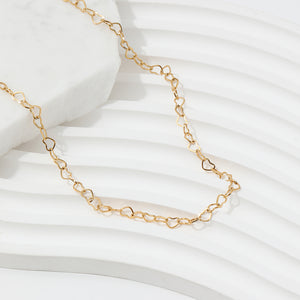

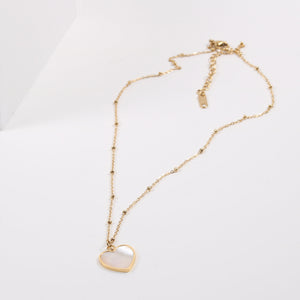

The piece they're describing → Heart Choker Necklace for Women — 18K Gold Plated Heart-Link Chain
Personalize Yours


