


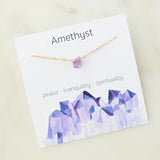
Carnelian stands out in the crystal world for a simple reason: it's one of the few widely used stones that genuinely handles water well. In a landscape of crystal care guides full of "avoid water" warnings, carnelian is a straightforward yes — at least for brief contact, physical rinsing, and even crystal elixirs.
This guide covers exactly why carnelian is water-stable, what level of contact is appropriate, and the one real caveat to watch for: dyed or heavily treated carnelian that may behave differently.
Can Carnelian Go in Water? Yes (with Caveats) — Here's Why
The answer for carnelian is a qualified yes: brief water contact and gentle rinsing are safe. Carnelian is a variety of chalcedony, which is itself a microcrystalline form of quartz with the formula SiO₂ — silicon dioxide. This is the same core chemistry as amethyst, rose quartz, and citrine, all of which are considered among the more water-safe crystals available.
Carnelian rates Mohs 6.5–7 on the hardness scale — solidly in the range where brief water contact causes no meaningful physical damage. At this hardness, water molecules don't scratch or physically abrade the surface the way they can with softer minerals. The quartz-family chemistry is also non-reactive in water — no toxic ions leach, no acid is produced, no structural planes are compromised by water penetration the way they are in minerals with perfect cleavage.
The orange-to-red color that makes carnelian so distinctive comes from iron oxide (hematite) inclusions within the chalcedony matrix. These are well-bound within the silica structure and do not leach harmfully into water under normal conditions.

The Science: Why Chalcedony Chemistry Makes Carnelian Water-Safe
Understanding why carnelian handles water better than most crystals helps calibrate how confidently to use water with it:
- Cryptocrystalline quartz structure: Chalcedony (and thus carnelian) is not a single large crystal but an aggregate of microscopic quartz crystals with a fibrous intergrowth structure. This microcrystalline structure has no large cleavage planes for water to exploit — unlike fluorite, kyanite, or calcite, there's no structural highway for water to penetrate the stone.
- Mohs 6.5–7 — genuinely durable: This hardness places carnelian above the threshold where water causes meaningful physical wear, and in the same range as the quartz stones most commonly considered water-safe. Water cannot abrade a Mohs 6.5–7 surface the way it can with Mohs 3–4 minerals.
- Non-toxic, non-reactive chemistry: Silicon dioxide (SiO₂) is one of the most chemically stable mineral compounds on earth. It doesn't produce toxic ions in water, doesn't undergo oxidation reactions, and doesn't dissolve meaningfully in water at normal temperatures and pH.
- Iron oxide inclusions are stable: Carnelian's orange-red color comes from finely dispersed hematite (iron oxide, Fe₂O₃) within the chalcedony. Hematite is iron that has already been oxidized — it's the stable end-product of iron oxidation. Unlike pyrite (which reacts with water to produce acid), hematite in this dispersed form is chemically stable in water.
- Crystal elixirs are widely considered safe: In the crystal healing community, carnelian is one of the stones commonly used for water elixirs. From a chemistry standpoint, this assessment is correct — no harmful substances leach from carnelian into water under normal conditions.
- Heat-treated agate is the same: Most carnelian sold today is actually agate (another chalcedony variety) that has been heat-treated to develop the orange color. Heat treatment affects the color but not the chemistry or hardness. Heat-treated carnelian behaves identically to natural carnelian in water.
- The one real exception — dyed carnelian: Some lower-quality carnelian is enhanced with artificial dyes (to intensify or create the orange color, rather than heat treatment). Dyed carnelian may bleed color in water. If carnelian bleeds vivid orange color into water, it has likely been dyed. Natural and heat-treated carnelian will not bleed color.
What About a Quick Rinse to Clean Carnelian?
A brief rinse with cool or lukewarm water is a completely appropriate way to clean carnelian — and it's the most common physical cleaning method recommended for this stone. Unlike the "avoid all water" advice for malachite, pyrite, or fluorite, carnelian is genuinely suitable for water cleaning.
Best practices for rinsing carnelian:
- Use cool to lukewarm water — not hot. Extreme thermal shock (cold stone into hot water) can stress even durable minerals.
- A gentle scrub with a soft brush is fine for removing surface grime from tumbled or polished carnelian
- Rinse thoroughly and dry with a soft cloth
- Test a new piece first: briefly rinse in a small amount of water and check for color bleeding. If the water turns orange, the piece may be dyed rather than naturally colored or heat-treated
- Avoid prolonged soaking — while brief rinsing is fine, soaking for hours is unnecessary and could very slightly affect the surface polish of lower-quality tumbled pieces over many repetitions
- Avoid harsh soaps, acidic cleaners, or alkaline cleaners — not because of chemical reactivity, but because these can dull the surface polish over time
Carnelian Safety — What Else to Know
- Carnelian elixirs are considered safe: Unlike malachite, pyrite, or fluorite, carnelian does not leach harmful substances into water. Crystal elixirs made with carnelian are widely practiced and not considered chemically hazardous. That said, use clean, filtered water, and as with any crystal, don't consume elixir water as a medical treatment.
- Sunlight is generally fine in moderation: Carnelian is sometimes charged in brief sunlight — its warm solar energy is considered a natural fit. Prolonged UV exposure can eventually affect surface colors in some specimens, so limit to an hour or so and prefer morning light over intense midday sun.
- Salt water is fine briefly: Ocean swimming won't immediately destroy a carnelian piece. However, salt water is mildly abrasive over time and can dull the polish on any stone. Rinse with fresh water after salt water exposure.
- Carnelian is durable for everyday jewelry: At Mohs 6.5–7, carnelian is appropriate for pendants, earrings, and bracelets worn regularly. It's more resistant to daily wear than most colored gemstones.
- Check for dye before a first wash: As noted above, a quick test rinse on any new carnelian piece will reveal dye bleeding. Natural and heat-treated pieces will be stable; artificially dyed pieces may run.
- Store away from very hard stones: Mohs 7 means diamonds, sapphires, and even some other quartz varieties can scratch carnelian. Store separately or use soft pouches for individual pieces.
Safe Ways to Cleanse Carnelian
Carnelian is one of the more flexible stones for cleansing, with several good water and water-free options available.
| Method | Safe? | Notes |
|---|---|---|
| Water rinse | ✅ Yes | Safe for physical cleaning — brief, cool water, dry afterward. Test new pieces for dye first. |
| Moonlight | ✅ Yes | Place on an indoor windowsill overnight — gentle and effective |
| Sunlight (brief) | ✅ Yes | 1 hour or less — carnelian is traditionally solar-aligned, brief sun is considered ideal |
| Smoke cleansing | ✅ Yes | Sage, palo santo, or incense — fully safe and common for carnelian |
| Sound bath | ✅ Yes | Singing bowl or tuning fork — vibration-based, no risk to the stone |
| Selenite plate | ✅ Yes | Passive overnight charging — convenient and gentle |
| Carnelian elixir | ✅ Generally yes | No harmful minerals leach — widely practiced. Test for dye first. Use clean filtered water. |
| Prolonged soaking | ⚠️ Avoid | Not necessary, and can very slowly affect surface polish of lower-quality pieces over time |
| Salt water | ⚠️ Brief OK | Won't immediately damage carnelian, but rinse with fresh water afterward — salt dulls polish over time |
| Harsh chemical cleaners | ❌ Avoid | Can dull polish — use plain water or dry cloth instead |
What Crystals Should Never Go in Water?
Carnelian's water-safe status makes it a useful reference point. Many other popular crystals are much less forgiving:
- Selenite — Mohs 2, gypsum; literally dissolves in water. See: Can Selenite Go in Water?
- Malachite — copper carbonate; leaches copper ions (genuine toxicity risk). See: Can Malachite Go in Water?
- Pyrite — iron disulfide; water produces sulfuric acid and iron sulfate
- Fluorite — Mohs 4, perfect octahedral cleavage in four directions; water causes fracturing and cloudiness
- Kyanite — directional hardness (Mohs 4.5 along length); water penetrates cleavage planes and causes micro-fracturing
- Hematite — iron oxide; will rust with sustained water contact
- Lepidolite — mica family; water causes layers to delaminate
- Calcite — Mohs 3; dissolves slowly in water
Water-safe crystals alongside carnelian include clear quartz, amethyst, rose quartz, citrine, tiger's eye, and obsidian — all Mohs 6.5+ with stable, non-reactive chemistry.
Explore our crystal jewelry collection and birthstone necklace collection for genuine gemstone pendants in sterling silver — carnelian and other stones crafted for safe everyday wear.
Frequently Asked Questions
Can carnelian go in water?
Yes — brief water contact is safe for carnelian. It's a chalcedony variety of quartz (SiO₂) rating Mohs 6.5–7, with stable, non-toxic chemistry. A quick rinse for physical cleaning is fine and widely practiced. Avoid prolonged soaking, and test new pieces for dye bleeding before the first wash.
Can carnelian go in salt water?
Brief salt water contact won't immediately damage carnelian — it's durable enough at Mohs 6.5–7 to handle incidental ocean exposure. However, salt water is mildly abrasive over time and can dull the surface polish. Rinse with fresh water after any salt water exposure and avoid extended soaking in salt water.
Can you make a carnelian crystal elixir?
Carnelian elixirs are considered safe in the crystal community, and from a chemistry standpoint this is correct — no harmful substances leach from carnelian into water. Use clean, filtered water, test the specific piece for dye bleeding first, and don't use elixir water as a substitute for medical care.
How do you clean carnelian?
A brief rinse with cool to lukewarm water and a gentle scrub with a soft brush is the most common and effective method. Rinse thoroughly, dry with a soft cloth. A dry microfiber cloth also works well for removing surface dust and fingerprints. Avoid harsh soaps and chemical cleaners.
How do you cleanse carnelian (energetically)?
Carnelian is traditionally associated with solar energy — brief sunlight (an hour or less) is considered a particularly fitting charging method. Moonlight, smoke cleansing, sound bath, and selenite plates all work equally well. A brief water rinse is also practiced as energetic cleansing for carnelian, unlike most other crystals.
Is carnelian toxic in water?
No — carnelian is not toxic in water. Its chemistry (silicon dioxide with iron oxide inclusions) is non-reactive and non-toxic. No harmful minerals leach into water from carnelian. This sets it apart from malachite (copper leaching) and pyrite (sulfuric acid production).
Can carnelian go in the sun?
Yes, briefly. Carnelian is traditionally a solar-energy stone, and brief sunlight (an hour or less, morning light preferred) is a commonly recommended charging method. Avoid extended hours of intense direct sunlight, which can eventually affect the surface colors of some specimens.
Why does carnelian bleed color in water?
If a carnelian piece turns the water orange, it has likely been artificially dyed rather than naturally colored or heat-treated. Natural carnelian and heat-treated agate carnelian do not bleed color in water — the iron oxide inclusions are firmly bound within the chalcedony matrix. Only artificially added surface dyes bleed. Do a brief test rinse with any new piece before committing to water cleaning.
What crystals are safe to put in water?
Crystals generally safe for brief water contact include: carnelian, clear quartz, amethyst, rose quartz, citrine, tiger's eye, obsidian, and smoky quartz — all Mohs 6.5 or higher with stable, non-toxic chemistry. Always research the specific stone before water contact, and avoid soaking any crystal for extended periods.
What crystals should never go in water?
Crystals to keep completely dry: selenite (dissolves), malachite (copper toxicity), pyrite (produces sulfuric acid), hematite (rusts), fluorite (Mohs 4 — fractures), kyanite (directional hardness — structural damage), lepidolite (mica layers delaminate), and calcite (dissolves slowly). Any stone below Mohs 5, or with copper, iron sulfide, or mica in its chemistry, needs special care around water.
Is heat-treated carnelian safe in water?
Yes — most carnelian sold today is heat-treated agate, and it behaves identically to natural carnelian in water. Heat treatment changes the color of the chalcedony but does not alter its chemistry, hardness, or water stability. The same brief-rinse approach applies.
Final Thoughts
Carnelian is one of crystal care's good news stories — a stone that is genuinely durable, genuinely water-safe for brief contact, and genuinely non-toxic. Its chalcedony quartz chemistry gives it the same solid credentials as amethyst and rose quartz, with the warm solar energy and vivid orange-red color that make it one of the most beloved stones in any collection.
The practical guidelines are simple: brief rinse for cleaning is fine, elixirs are generally safe, test new pieces for dye, avoid prolonged soaking. With that level of care, carnelian is one of the easiest crystal companions to maintain — durable, vibrant, and suited for everyday wear.
Explore our crystal jewelry collection for genuine gemstone pendants and our birthstone necklace collection — both crafted in sterling silver for lasting everyday beauty.
Written by the AJLuxe team — specialists in personalized sterling silver and gemstone jewelry. Last updated: June 2026.
Related reading: Carnelian vs red jasper.
All third-party trademarks, brand names and product names are the property of their respective owners. AJLuxe is not affiliated with, endorsed by, sponsored by, or otherwise connected to any third-party brand referenced in this article. Brand names are used solely for accurate comparative reference, and material descriptions reflect each brand's own published product specifications at the time of writing.
You Might Also Like
The piece they're describing → Stone Charm Necklace for Women — Raw Natural Gemstone Pendant
Personalize Yours


