


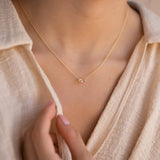
The hamsa is one of the oldest symbols still worn daily by millions of people — and one of the few symbols that belongs equally to Jewish, Islamic, and Christian traditions. If you like jewellery with deep symbolism, also read our signet ring meaning guide. For another meaningful celestial pendant, read our star necklace meaning guide. Another deeply symbolic faith-and-protection pendant is the cross — see our guide to cross necklace meaning. For a protective bracelet rooted in Jewish mysticism, see our guide to kabbalah bracelet meaning. Its name means "five" in both Arabic and Hebrew, referring to the five fingers of the open hand. Unlike many spiritual symbols tied to a single culture, the hamsa predates all three Abrahamic religions, with origins tracing back to ancient Mesopotamia and Phoenicia where it served as a fertility and protective emblem.
Today the hamsa is worn as a necklace, bracelet, or earring and remains one of the most universally recognized protective symbols in the world — as relevant in Tel Aviv and Istanbul as it is in Los Angeles and London.
What Is the Hamsa Hand?
The hamsa is a stylized open hand, typically symmetrical, with three extended fingers in the center and two curved thumbs on each side — a design that makes it visually balanced regardless of which direction it faces. Most hamsa amulets feature an eye in the center of the palm: the evil eye (nazar), a second protective symbol layered inside the first.
The combination of the hamsa + evil eye is especially powerful in protective symbolism. The hand deflects harmful intentions while the eye actively reflects them back to the sender, creating a two-layer shield against negative energy.
The earliest hamsa-like symbols date to ancient Mesopotamia (modern-day Iraq) and Carthage (modern Tunisia), where the goddess Tanit was depicted with a raised hand as a sign of divine protection. From there the symbol spread across the Mediterranean, adopted into the spiritual vocabulary of:
- Jewish tradition — the Hand of Miriam (Yad Miriam / Chamsa)
- Islamic tradition — the Hand of Fatima (Khamsa)
- Christianity in North Africa — the Hand of Mary
Hamsa Hand Meaning in Different Cultures
One reason the hamsa has endured for 4,000 years is that every major tradition in its geographic range found its own meaning in the same symbol:
| Culture | Name | Meaning |
|---|---|---|
| Jewish | Hand of Miriam (Yad Miriam) | Protection, luck, strength — Miriam was Moses's sister who led the Israelites through the desert |
| Islamic | Hand of Fatima (Khamsa) | Divine protection and power — Fatima was the Prophet Muhammad's daughter, revered for her piety |
| Christian (North Africa) | Hand of Mary | Protection through the Virgin Mary's intercession |
| General / Modern | Hamsa / Hamsa Hand | Universal protection, positive energy, good fortune |
In the Kabbalah tradition, the five fingers also represent the five books of the Torah. In Sunni Islam, the five fingers represent the Five Pillars of Islam. The number five itself carries sacred weight across traditions — which is why the symbol resonated so deeply wherever it traveled.
Which Direction Does the Hamsa Hand Face?
The direction the hamsa faces is the most common question people ask when choosing hamsa jewelry — and both directions are correct. The meaning simply shifts:
Fingers pointing UP (hand raised): The hamsa is in protective mode. The raised hand is a universal gesture of "stop" or "away from me" — in hamsa symbolism, this deflects the evil eye and wards off negative energy, envy, and harm. Best for: people who feel they need protection from jealousy, negative environments, or harm from others.
Fingers pointing DOWN (hand lowered): The hamsa opens to receive. The downward-facing hand creates a receptive, open posture that invites good luck, abundance, and positive energy to flow into your life. Best for: people seeking new beginnings, abundance, fertility, or success.
There is no wrong direction. Many people choose based on what they feel they need most at a given time in their life — and some switch between the two as their circumstances change.
Hamsa Hand Necklace Meaning
When worn as a necklace, the hamsa rests over the heart — in many traditions, this placement is considered especially powerful because it protects the emotional self and the spirit. The chest is where vulnerability lives, so placing a protective symbol there is a deliberate act of spiritual self-care. Another deeply symbolic pendant is the tree of life — see our guide to tree of life necklace meaning — covering Celtic, Norse, and family symbolism. Another meaningful celestial symbol in jewellery is the moon — see our guide to moon necklace meaning — covering crescent, full, and moon-and-star symbolism.
As a gift, the hamsa necklace carries deep meaning across Jewish, Islamic, and Mediterranean cultures. Giving someone a hamsa says: I wish you protection, good fortune, and freedom from harm. It's one of the most universally appropriate meaningful gifts you can give, respected across religious backgrounds.
This also makes the hamsa an especially meaningful gift for life transitions — a new job, a move to a new city, a difficult period, or a new chapter. The protective intention behind the gift translates across cultural contexts.
What Is the Evil Eye on the Hamsa?
The eye depicted in the center of the hamsa palm is the evil eye (nazar) — a symbol of its own with a deep protective history across Turkish, Greek, and Middle Eastern traditions. When placed inside the hamsa, it creates a "double protection" symbol:
- The hand (hamsa) deflects harmful intentions and negative energy
- The eye (nazar) actively reflects harm back to its source
The color of the evil eye also carries meaning:
- Blue evil eye — the most traditional (Turkish/Greek origin); protection and karma
- Green evil eye — abundance, luck, and prosperity
- Red evil eye — courage, strength, and protection from fear
- White evil eye — purity and clarity
- Gold evil eye — power and wealth
For the full breakdown of evil eye colors and their meanings, see our guide: Evil Eye Necklace Meaning.
Hamsa vs Evil Eye — What's the Difference?
Both symbols protect, but they work differently — and they are even more powerful worn together:
| Symbol | Origin | How It Works | Best Worn As |
|---|---|---|---|
| Hamsa | Mesopotamia / North Africa (4,000+ years) | Hand deflects harm and negative energy | Necklace, wall hanging, charm |
| Evil Eye (Nazar) | Turkey / Greece / Middle East | Eye reflects harm back to the sender | Bracelet, necklace, keychain |
| Hamsa + Evil Eye | Combined symbol across both traditions | Dual protection: deflect + reflect | The most powerful combination |
Is the Hamsa Cultural Appropriation?
This is a fair question worth addressing directly. The hamsa is one of the rare symbols that is genuinely shared across multiple major religions and cultures, with no single community as its exclusive owner. Jewish, Muslim, and Christian communities all have deep, legitimate historical claims to the hamsa — it belongs to all of them simultaneously.
Unlike symbols tied exclusively to one indigenous or closed spiritual practice, the hamsa's cross-cultural roots mean it was designed to travel. It has moved across the Mediterranean and the world for 4,000 years precisely because it carried meaning for everyone who encountered it.
Wearing a hamsa respectfully — understanding what it means and honoring its protective intention — is broadly considered appropriate across these traditions. The symbol represents protection and the wish for others' wellbeing: intentions that transcend any single tradition.
Frequently Asked Questions About Hamsa Hand Meaning
What does the hamsa hand mean?
The hamsa hand is an ancient protective amulet symbolizing protection from the evil eye, negative energy, and misfortune. The word "hamsa" means "five" in both Arabic and Hebrew, referring to the five fingers of the open hand. It is used across Jewish, Islamic, and Christian traditions as a symbol of protection, luck, and divine blessing.
What does the hamsa protect against?
The hamsa is believed to protect against the evil eye (harm caused by envious or malicious looks), negative energy, bad luck, and spiritual harm. It is one of the most widely used protective amulets in Middle Eastern, North African, and Mediterranean cultures.
Which way should the hamsa hand face?
Both directions are meaningful. Fingers pointing up (hand raised) deflects the evil eye and protects against negativity. Fingers pointing down (hand lowered) opens the symbol to receive good luck, abundance, and positive energy. Choose based on what you feel you need most.
Is it OK to wear a hamsa if you're not Jewish or Muslim?
Yes — the hamsa is one of the few protective symbols shared across Jewish, Islamic, and Christian traditions, with no single group as its exclusive owner. Its origins predate all three Abrahamic religions. Wearing it respectfully and understanding its meaning is widely considered appropriate across these traditions.
What does the eye in the hamsa mean?
The eye in the center of the hamsa palm is the evil eye (nazar), a second protective symbol that reflects harmful energy back to its source. The combination of the hamsa + evil eye creates double protection: the hand deflects harm while the eye actively reflects it away.
What is the difference between a hamsa and an evil eye?
The hamsa (a hand symbol) deflects harm, while the evil eye (nazar, an eye symbol) reflects harm back to the sender. Both are protective symbols but they work differently. When worn together, they form the most powerful protective combination in these traditions.
What does it mean when someone gives you a hamsa?
Receiving a hamsa as a gift is a meaningful blessing across Jewish, Islamic, and Mediterranean cultures. It means the giver wishes you protection, good fortune, and freedom from harm. It is especially meaningful during life transitions — new jobs, moves, difficult periods, or new chapters.
Where does the hamsa symbol come from?
The hamsa originated in ancient Mesopotamia (modern Iraq) and Carthage (modern Tunisia) at least 4,000 years ago, where the goddess Tanit was depicted with a raised hand. It was later adopted into Jewish, Islamic, and Christian traditions, each giving it their own sacred meaning.
What does a hamsa necklace mean?
A hamsa necklace places the protective symbol over the heart — traditionally considered the most powerful placement because it protects the emotional self and spirit. It is worn for protection, luck, and as a symbol of spiritual wellbeing. As a gift, it expresses a wish for the wearer's protection and good fortune.
What is the Hand of Fatima?
The Hand of Fatima (Khamsa) is the Islamic name for the hamsa. It is named after Fatima al-Zahra, the daughter of the Prophet Muhammad. In Islamic tradition, the five fingers also symbolize the Five Pillars of Islam. The Hand of Fatima and the Jewish Hand of Miriam are two names for the same protective symbol.
Other meaningful jewelry: Seashell Necklace Meaning — cowrie, conch, and scallop symbolism explained.
Wearing the Hamsa: A Symbol That Still Carries Weight
The hamsa has endured for 4,000 years because the human desire for protection from harm is universal. Whether you wear it fingers-up to deflect negativity or fingers-down to invite abundance, the hamsa carries genuine cultural weight that no trend cycle has ever diminished.
It is also one of the most versatile protective symbols in jewelry — delicate enough to wear every day, meaningful enough to give as a significant gift, and universally recognized enough to need no explanation across cultures.
Looking for the hamsa's natural companion in protective jewelry? The evil eye necklace pairs with the hamsa to form the most recognized protective combination in the world — the hand and the eye, working together. Or explore our birthstone necklaces — each stone carries its own protective and healing meaning tied to your birth month.
Author: AJLuxe Team. Last updated June 2026.
See also: butterfly symbolism in jewelry.
Hamsa Hand Jewelry: Necklaces, Bracelets, Earrings & Which One to Choose
Hamsa hand jewelry comes in four main forms — necklaces, bracelets, earrings, and rings — and the protective meaning stays identical across all of them, so the right pick (2026) comes down to how you actually want to wear it, not which one is "more authentic."
| Piece | Where It Sits | Best For |
|---|---|---|
| Necklace / pendant | Over the heart | Everyday wear, layering with an evil eye or initial pendant, the most-gifted form |
| Bracelet | Wrist | Anyone who wants a tactile reminder they see throughout the day; stacks easily with other bangles |
| Earrings | Ears (studs or dangles) | A subtler, more understated way to wear the symbol without a visible pendant |
| Ring | Hand | Wearing the hand symbol literally on your own hand; the least common but most literal option |
Because the hamsa is worn close to the skin all day, metal and finish matter as much as design. Look for a base metal that's disclosed plainly — a hamsa piece described only as "gold" with no base metal named is almost always base metal or brass under a thin flash coating, which tarnishes and can irritate sensitive ears or wrists. AJLuxe's hamsa pieces are built on 925 sterling silver with 18K gold plating (never just "gold" when it's plated), finished to be hypoallergenic for daily wear, and priced $24.99–$79.99 depending on the piece — arriving gift-ready, which matters given how often the hamsa is given rather than self-purchased.
If you're buying for someone else and unsure which form to choose, the necklace remains the safest gift (it needs no sizing), while a bracelet is the better pick for someone who already wears a lot of rings or earrings and has room left on their wrist instead.
All third-party trademarks, brand names and product names are the property of their respective owners. AJLuxe is not affiliated with, endorsed by, sponsored by, or otherwise connected to any third-party brand referenced in this article. Brand names are used solely for accurate comparative reference, and material descriptions reflect each brand's own published product specifications at the time of writing.
You Might Also Like
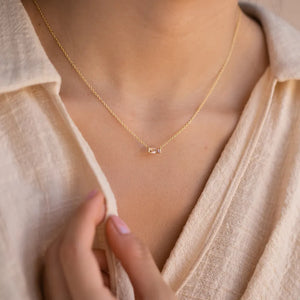

The piece they're describing → Birthstone Charm Necklace for Women — Baguette CZ Pendant, 18K Gold Plated
Personalize Yours


