


Few stones have been treasured as continuously and as widely as turquoise. It's one of the first gemstones ever mined — Egyptian turquoise mines in the Sinai Peninsula date to 6,000 BC — and it appears in the jewelry, armor, and sacred objects of cultures that never had contact with each other. That consistency of meaning across civilizations separated by oceans and centuries tells you something: turquoise communicates something universally recognizable.
This guide covers what turquoise means spiritually and symbolically, where the best turquoise comes from and how to grade it, how to tell real turquoise from treated or fake, the healing and chakra properties, zodiac associations, and how to care for turquoise jewelry.
Turquoise Across Civilizations: 6,000 Years of History
No other gemstone has as consistent a cross-cultural record as turquoise. Here's the history, civilization by civilization — and the meaning that each culture drew from it:
Ancient Egypt (4,000 BC onward). The Egyptians called turquoise mefkat, meaning "joy" and "delight." Pharaohs wore turquoise in their ceremonial headdresses, and it was used in burial jewelry to protect the dead in the afterlife. Tutankhamun's death mask contained turquoise inlays. The Egyptians mined it in the Sinai Peninsula (Serabit el-Khadim), making Egypt the world's earliest industrial turquoise source. For the Egyptians, the stone's blue-green color represented the sky and water — both associated with regeneration, life, and divine protection.
Persia / Iran (2,000 BC onward). Iranian turquoise from the Nishapur mines — where it's still mined today — was considered the finest in the world for most of recorded history. Persian warriors wore turquoise on their armor and bridles believing it would protect them in battle and deflect violence. Persian astrologers connected turquoise to the sky and to fortune — if the stone changed color, it was seen as a warning of danger ahead. The word "turquoise" itself comes from French turquois — "Turkish stone" — because European traders first encountered Iranian turquoise through Turkey.
Pre-Columbian Americas (before 900 AD). The Aztec, Maya, and Southwest Native American peoples all used turquoise as a sacred material — independently of each other and of Old World traditions. The Aztec placed turquoise in mosaic masks of the gods (most famously the double-headed serpent pectoral in the British Museum). The Navajo, Hopi, and Zuni of the American Southwest incorporated turquoise into ceremonial regalia and personal jewelry as the most sacred of stones. For the Navajo, turquoise represents the sky stone, connecting the earth to the heavens and offering protection and good fortune.
Tibet (before 1,000 AD). In Tibetan Buddhist tradition, turquoise is one of the "nine jewels" (navaratna) and is strongly associated with the sky, longevity, and good fortune. Tibetan turquoise is typically greener than Persian or American material — a quality Tibetan tradition specifically prizes. It's worn in elaborate headdresses and prayer beads and given as a gift to convey blessing and protection.
Native American Southwest (ongoing tradition). Turquoise remains a living sacred material in Navajo, Zuni, and Pueblo silversmithing traditions. The combination of turquoise and sterling silver — a distinctly Southwestern American aesthetic that developed in the 19th century — is still practiced by Indigenous artisans and has become one of the most recognized jewelry styles globally.
What Turquoise Means: Core Symbolism
Across all these cultures, four symbolic meanings appear repeatedly:
Protection. The most universal association. Turquoise was placed in armor, on horses, in burial chambers, and on soldiers. The protective meaning is specifically connected to the stone's ability to absorb negative energy and harmful intentions. Persian lore held that if a turquoise changed color, it had absorbed a threat on the wearer's behalf.
Communication and truth. Connected to the throat chakra, turquoise is associated with the ability to speak honestly and be heard clearly. It's the stone for anyone who struggles to express themselves — or who needs to communicate something difficult. Teachers, public speakers, and anyone in leadership roles have historically worn it for this reason.
Spiritual connection and intuition. Its sky-and-water color links turquoise to liminal spaces — between earth and heaven, between the conscious and unconscious. It's associated with heightened intuition and access to deeper wisdom, particularly in meditation and shamanic practice.
Good fortune and abundance. In Persian, Tibetan, and Native American traditions, turquoise specifically attracts good luck and abundance. It's not a merchant's stone like citrine — its fortune energy is more about alignment and being in the right place than active pursuit.
Friendship and loyalty. Giving turquoise as a gift has specific meaning in many traditions — it represents loyalty, protection, and the wish for the recipient's wellbeing. Turquoise given between friends is said to transfer the protective energy of the giver.
Turquoise Healing Properties
Emotional healing. Turquoise is specifically associated with calming overactive emotions — anger, anxiety, and the kind of emotional reactivity that causes people to say things they regret. Its connection to the throat chakra means it also helps with expressing difficult emotions rather than suppressing them. Crystal traditions recommend it for conflict situations — worn to help communicate from a place of calm rather than reaction.
Physical associations. Traditional healing associates turquoise with the respiratory system, throat, and immune function — all connected to the throat and upper body where its chakra is located. It's also associated with anti-inflammatory properties and with reducing the physical symptoms of anxiety (shallow breathing, throat tension). These are traditional crystal associations, not medical claims.
The color-change property. Many turquoise stones change color over time — becoming greener or developing color shifts. This is a real chemical phenomenon: turquoise is porous and absorbs oils from skin, cosmetics, and environmental chemicals, which can shift the iron and copper composition and change the color. Crystal traditions interpret this color change as the stone "working" — absorbing energy on the wearer's behalf. When a turquoise turns dark or green, some traditions read it as the stone having fulfilled its protective purpose and needing to rest or be replaced.

Turquoise and the Chakras
Turquoise's primary chakra is the throat chakra (Vishuddha) — the energy center located at the throat that governs communication, truth, and self-expression. A blocked throat chakra manifests as difficulty speaking up, fear of confrontation, dishonesty with oneself or others, or unexpressed emotions. Turquoise is the specific stone most widely recommended for throat chakra work.
Wearing turquoise as a necklace or pendant at throat-level (14–16 inch chain, choker to collar) is the most direct physical placement for throat chakra activation. During meditation, placing turquoise on the throat while lying down is the standard practice.
The third eye chakra (Ajna) is turquoise's secondary chakra. Its connection to intuition and spiritual insight activates the third eye — particularly for people developing their intuitive awareness or working with dreams and visions. Blue-green turquoise with a slight violet or indigo depth is most often used for third eye work.
Zodiac Associations and the December Birthstone
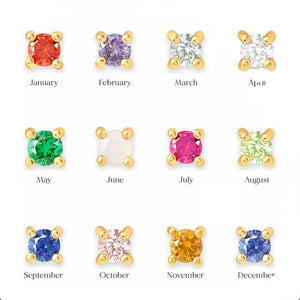
Turquoise is one of December's three birthstones (alongside tanzanite and zircon). As a December stone, it's most strongly associated with Sagittarius (November 22 – December 21) and Capricorn (December 22 – January 19).
Looking for a paler December option? Blue topaz also carries a long-standing (if less official) December association — see light blue gemstones compared for how sky blue topaz stacks up against aquamarine and other light blue stones.
| Zodiac Sign | How Turquoise Helps |
|---|---|
| Sagittarius ♐ | Amplifies Sagittarius's truth-seeking and philosophical energy; grounds the wandering mind; strengthens communication of big ideas |
| Capricorn ♑ | Softens Capricorn's rigidity; encourages emotional expression alongside practical achievement; brings intuitive wisdom to discipline |
| Scorpio ♏ | Balances Scorpio's intensity; supports honest communication of deep emotions; protective energy shields from psychic attack |
| Pisces ♓ | Grounds Pisces's spiritual openness; adds protective energy; helps communication of visions and intuitions into practical language |
| Aquarius ♒ | Supports Aquarius's communication of revolutionary ideas; encourages authentic expression over performance |
Crystal Pairings: What to Combine with Turquoise
No competitor covers this — and crystal pairing guides get significant engagement and Pinterest sharing.
Turquoise + Lapis Lazuli — the communication amplifier. Both are throat chakra stones. Lapis adds depth of truth and wisdom to turquoise's expressive openness. The pairing is especially powerful for anyone who needs to communicate important truths — difficult conversations, public speaking, writing from personal experience. Historically, these two stones appear together in Egyptian and Mesopotamian jewelry more than any other combination.
Turquoise + Black Tourmaline — the protection pairing. Turquoise provides protection by absorbing negativity; black tourmaline creates a protective energetic shield. Together they form a dual-layer protection combination — one absorbing, one deflecting. Recommended for highly sensitive people or anyone in environments with heavy emotional or psychic traffic.
Turquoise + Moonstone — the intuition pairing. Turquoise's connection to the third eye and moonstone's connection to lunar intuition and emotional intelligence make this a powerful combination for developing psychic awareness and dream work. Both have a water-blue-silver color palette that creates visual harmony. See our moonstone meaning guide for the full symbolism of this companion stone.
Turquoise + Clear Quartz — the amplifier pairing. Clear quartz amplifies whatever stone it accompanies. Adding clear quartz to turquoise intensifies the protection and communication energy. Good for meditation and any intentional work with the stone's properties.
Turquoise + Citrine — the abundance + alignment pairing. Citrine attracts abundance through confidence and action; turquoise aligns you with the right direction and offers protection along the way. Combined, they make a strong intention-setting pair for new ventures and transitions. See our citrine meaning guide for the full properties of this companion stone.
Turquoise + Larimar — the calm-waters pairing. Both stones carry an oceanic blue that speaks to calm, communication, and emotional flow — turquoise draws more on sky and protection, larimar on water and serenity. Wearing them together leans the combination toward soothing anxious energy and easing difficult conversations. See our larimar meaning guide for the full symbolism of this companion stone.

Turquoise Quality: Mine-by-Mine Guide
This is the section most articles skip — and it's the most useful for anyone buying or evaluating turquoise. Not all turquoise is equal. The mine matters enormously for both quality and value.
| Mine / Origin | Characteristic | Quality Tier |
|---|---|---|
| Nishapur, Iran (Persian) | Sky blue, minimal matrix, excellent hardness — the historic benchmark for fine turquoise | ⭐⭐⭐⭐⭐ Highest tier — commands premium prices |
| Sleeping Beauty Mine, Arizona (now closed) | Pure robin's-egg blue, virtually no matrix — the American equivalent of Persian quality. Mine closed 2012; existing material is increasingly rare | ⭐⭐⭐⭐⭐ Highest tier — value increasing since mine closure |
| Kingman Mine, Arizona (active) | Medium blue to blue-green, often with black spider-web matrix pattern. America's largest active turquoise producer | ⭐⭐⭐⭐ High quality — spider-web matrix is highly sought by collectors |
| Bisbee, Arizona (mostly depleted) | Distinctive "Bisbee blue" — vivid sky blue with chocolate brown matrix. Extremely rare and collectible | ⭐⭐⭐⭐⭐ Collector tier — very limited supply |
| Tibet / China | Blue-green to green tone, often with heavy matrix. Tibetan turquoise intentionally prizes green; Chinese material varies widely in quality | ⭐⭐⭐ Medium — quality varies significantly; most commercial-grade material |
| Stabilized / Treated | Any origin but hardened with resin to make low-grade porous turquoise wearable. Consistent color, more affordable — the vast majority of commercial turquoise | ⭐⭐ Commercial grade — still genuine turquoise mineral, just enhanced |
According to GIA's turquoise quality guide, the finest turquoise is "robin's-egg blue to sky blue, pure in hue with minimal matrix" — a standard best met by Persian and Sleeping Beauty material.
How to Spot Fake and Treated Turquoise
This matters practically — the turquoise market has significant imitation product. Here's what you're likely to encounter:
Howlite dyed blue. White howlite takes blue dye extremely well and is the most common turquoise imitation. To check: a damp white cloth rubbed firmly across the stone will pick up blue dye from howlite but not from genuine turquoise. Also look for uniform, flat color — real turquoise has depth and variation that dyed howlite lacks.
Plastic and resin imitations. Lighter than real turquoise. Warm quickly in your hands (stone retains temperature longer). A heated needle will melt plastic; real turquoise won't react the same way (though this test can damage the stone).
Stabilized turquoise (genuine but enhanced). This is real turquoise mineral that has been impregnated with resin to harden it and improve the color. It's not fake — but it's also not "natural" turquoise. Most commercial turquoise jewelry uses stabilized material. Signs: slightly plastic-like luster, very consistent color, lightweight feel. Stabilized turquoise is widely accepted in the industry and should be disclosed by the seller.
Block turquoise / reconstituted. Ground-up turquoise powder compressed with binder material. Technically contains turquoise but in a form far removed from the original stone. Often has very uniform, saturated color and a slightly chalky appearance up close.
How to buy confidently: Request a written statement from the seller specifying treatment status (natural / stabilized / dyed / imitation). Reputable dealers always disclose. Jewelers of America recommends always asking for disclosure before any turquoise purchase.
Caring for Turquoise Jewelry
Turquoise is softer than most gemstones (Mohs 5–6) and porous, which makes it more vulnerable than harder stones like diamonds, sapphires, or even citrine. It needs specific care:
Avoid chemicals. Perfume, hairspray, sunscreen, and cleaning products will be absorbed by turquoise and permanently alter its color. Apply cosmetics and fragrance before putting on turquoise jewelry; remove jewelry before swimming, showering, or household cleaning. This is non-negotiable — the damage is irreversible. The same rule applies to our raw turquoise charm necklace — take it off before water or chemicals, since the stone itself (not just a coating) is what would be affected.
Avoid prolonged water exposure. Turquoise absorbs water, which can cause discoloration, cracking, and surface damage over time. Remove before bathing, swimming, and dishwashing.
Clean gently. A soft damp cloth only — no soap, no ultrasonic cleaners, no steam cleaners. Pat dry immediately. For jewelry with silver settings, clean the silver carefully around the stone without letting silver polish contact the turquoise.
Store carefully. Keep turquoise jewelry separate from harder stones that can scratch it. Store in a soft pouch or lined jewelry box. Avoid extreme heat or cold — temperature fluctuations can cause cracking.
Expect color change. Natural and stabilized turquoise will change color over years of wear, typically shifting toward green. This is normal and — in most crystal traditions — meaningful. It doesn't indicate a defective stone.
For general gemstone care guidance, read our complete guide to cleaning jewelry at home.
Related reading: Turquoise vs larimar.
Shop the December Birthstone Necklace
925 sterling silver infinity pendant, rhodium plated, with a vivid blue cubic zirconia pave — nickel-free, $59.99.
Shop the December Necklace →Frequently Asked Questions
What does turquoise symbolize?
Who should wear turquoise?
Turquoise is the birthstone for December and is most strongly associated with Sagittarius and Capricorn. In crystal tradition, it's especially recommended for people who struggle to communicate openly, who need protection in challenging environments, and who are drawn to intuitive or spiritual development. In Vedic astrology, turquoise (feroza) is recommended to strengthen Jupiter's influence.
What does it mean when turquoise changes color?
Turquoise color change is a real phenomenon. The porous stone absorbs oils, cosmetics, and sweat, which can change the chemical composition of the surface and shift the color toward green or darker blue. Crystal traditions interpret this as the stone absorbing negative energy on the wearer's behalf — the stone "working." Materially, it signals that the stone needs cleaning or that it has reached the end of its natural color stability.
What is the best quality turquoise?
Persian (Nishapur, Iran) and Sleeping Beauty (Arizona, now closed) turquoise are consistently considered the finest — pure sky-blue color with minimal matrix and excellent hardness. Bisbee (Arizona) is highly collectible for its distinctive "chocolate matrix" pattern. Kingman (Arizona) is the largest active American source with quality material. Most commercial turquoise is stabilized — genuine mineral but treated with resin. Disclose status should always be requested when buying.
Is turquoise a December birthstone?
Yes — turquoise is one of three December birthstones alongside tanzanite and zircon. It's the oldest of the three, with its December association rooted in Western astrology's connection to Sagittarius. In some traditions, turquoise is also associated with the ninth wedding anniversary.
Can turquoise get wet?
No — prolonged water exposure damages turquoise. The stone is porous (Mohs 5–6) and absorbs liquids, which causes color changes, surface damage, and over time can cause cracking. Remove turquoise jewelry before bathing, swimming, or dishwashing. Brief surface contact with water is fine, but the stone should be dried immediately.
What does turquoise mean as a gift?
Giving turquoise carries a specific meaning in many traditions — it represents protection, loyalty, and the wish for the recipient's wellbeing. Persian and Native American traditions both hold that turquoise given between friends transfers protective energy. It's an especially meaningful gift for a December birthday, a new journey or transition, or for someone who needs grounding and protection.
Is most commercial turquoise treated?
Yes. The vast majority of turquoise sold commercially is stabilized — impregnated with resin to harden the stone and improve color. This is genuine turquoise mineral, but enhanced. Untreated natural turquoise from top sources (Persian, Sleeping Beauty) commands significant price premiums. Always ask sellers to disclose treatment status; reputable dealers will provide this information clearly.
How do you tell real turquoise from fake?
The most reliable home test: apply a small amount of acetone (nail polish remover) to an inconspicuous spot with a cotton ball. If color transfers to the cotton, it is dyed howlite or magnesite — not real turquoise. Genuine turquoise will not transfer color. Visual clues: real turquoise has irregular, organic matrix patterns; plastic or resin imitations look too uniform. Real turquoise also feels cool and slightly heavier than plastic. For valuable pieces, professional gemological testing is recommended.
Can turquoise go in water?
Turquoise should not be exposed to water regularly. Although its Mohs hardness is 5–6, turquoise is porous and can absorb water, oils, and chemicals — altering its color permanently. Water, sweat, perfume, and cleaning products all damage turquoise over time. Clean only with a soft dry cloth. Remove turquoise jewelry before swimming, bathing, or washing hands. This porosity is also why turquoise is often stabilized (resin-impregnated) before use in jewelry — stabilized turquoise is slightly more resistant but should still be kept dry.
Read our full guide to another powerful gemstone: Amethyst Meaning: Symbolism, Healing Properties & February Birthstone Guide.
If you're drawn to deep red gems with centuries of symbolic meaning, read our full guide to garnet meaning — symbolism, varieties, and January birthstone context.
Turquoise is one of December's three birthstones, alongside tanzanite and blue blue topaz. Our December birthstone guide covers all three stones — including tanzanite's extraordinary trichroism, its limited reserves, and how to choose the perfect December birthday gift.
Turquoise is also the primary birthstone for Sagittarius. See our Sagittarius birthstone guide for the full connection between turquoise and the Archer.
One important note on turquoise buying: white howlite is routinely dyed to imitate turquoise and sold without disclosure. Our howlite meaning guide has a full identification checklist.
Turquoise: Still Working After Six Thousand Years
Six millennia of consistent use across disconnected civilizations is hard to argue with. Something about turquoise — the sky color, the protective mythology, the physical reality of a stone that visibly responds to the person wearing it — keeps drawing people back to it. It's one of the few gems that functions as both a personal talisman and a piece of living history.
For December birthdays, a turquoise necklace is one of the most symbolically loaded gifts you can give — particularly for a Sagittarius who will read both the color and the stone's long history. Browse our birthstone necklace collection to find the right piece. For more on what gemstones mean, read our guides to moonstone meaning and citrine meaning — two other stones with deep cross-cultural histories. Shop AJLuxe necklaces — all hypoallergenic sterling silver with 18K gold plating.
Written by the AJLuxe team. Last updated: May 2026.
Turquoise has a long tradition in artistic expression — see our crystals for creativity guide.
Related reading: see our full guide to labradorite's healing properties.
All third-party trademarks, brand names and product names are the property of their respective owners. AJLuxe is not affiliated with, endorsed by, sponsored by, or otherwise connected to any third-party brand referenced in this article. Brand names are used solely for accurate comparative reference, and material descriptions reflect each brand's own published product specifications at the time of writing.
You Might Also Like

The piece they're describing → Heart Initial Necklace for Women — 18K Gold Plated, Personalized Letter + Heart Pendant
Personalize Yours


