


The charm bracelet is not a modern invention. Ancient Egyptians wore amulets (scarabs, protective symbols) for religious and status reasons as early as the Middle Kingdom. Victorian-era mourning customs turned charms into sentimental keepsakes, often holding a lock of hair or a miniature portrait. During World War II, soldiers and their sweethearts exchanged "sweetheart jewelry," including charms tied to military service. After the war, the charm bracelet became a full-blown American tradition through the 1950s and 60s, with a new charm marking every birthday, trip, and milestone. This guide walks through each documented era in order, with real sources, not invented dates.
The charm bracelet is one of the few jewelry formats with a documented history that actually spans thousands of years, not just a marketing timeline. Long before any modern jewelry brand turned charms into a retail category, ancient Egyptians wore protective amulets, Victorian women turned charms into wearable memorials, and American soldiers carried them home from war. This article traces that real, verifiable history in chronological order: Ancient Egypt, the Victorian era, World War II, and the mid-century American boom that made the charm bracelet a household object. Where a specific date or detail could not be confirmed, it's stated generally rather than invented.
Where Did Charm Bracelets Start? Ancient Egyptian Amulets
Charm bracelets trace back to ancient Egyptian amulets, small protective and status-marking objects worn on the body, not to any 19th or 20th century jewelry house. According to the Metropolitan Museum of Art's own essay on the subject, amulets in ancient Egypt drew their power from a combination of shape, material, color, and inscription, and were most often pierced or looped so they could be strung as pendants or attached to bracelets. (The Met — Ancient Egyptian Amulets)
The scarab beetle was one of the most widely worn amulet shapes, tied to the Egyptian idea of "coming into being" and rebirth through its association with the sun god Re. The Met notes that heart scarabs specifically were placed with the dead because a righteous heart was believed necessary to pass final judgment in the afterlife. Living Egyptians also wore scarabs as protective charms, rings, and seals during daily life, not only in burial. (The Met — Ancient Egyptian Amulets)
Other amulet shapes were worn for specific protective purposes: fish-shaped amulets called nekhau were given to young girls as protection against drowning, and other symbols were designed to protect children and pregnant women. These weren't decorative flourishes; each shape, material, and even the words spoken over an amulet were believed to transfer real protective power to the wearer. (The Met — Ancient Egyptian Amulets)
What's well documented is the underlying idea: an object small enough to wear on the body, chosen for a specific protective or symbolic meaning. What's less certain is the exact chain of custom that carries this practice from ancient Egypt to the modern charm bracelet. Most jewelry historians treat it as a shared human instinct that resurfaces independently across cultures and centuries, rather than one continuous, unbroken lineage. This article doesn't claim a direct, provable line all the way from Thebes to your jewelry box, only that the underlying idea, small worn objects chosen for protection and meaning, appears first and most clearly there.

How Did Victorian Mourning Customs Shape the Charm Bracelet?
Victorian mourning customs turned charms into deeply personal keepsakes, often built to hold a lock of a loved one's hair or a miniature portrait rather than to simply decorate the wrist. When Prince Albert died in 1861, Queen Victoria's decades-long, highly public mourning made wearing mourning jewelry fashionable across her court and, in time, wider society. (National Geographic — Victorian Hair Jewelry)
Queen Victoria's own mourning bracelet, worn constantly after Albert's death, was made up of sixteen oval and heart-shaped lockets enameled in black on gold; one locket held a small photograph of Albert along with a lock of his hair. She wore that bracelet until her own death in 1901. (Art of Mourning — Mourning Fashion & Jewels During Victoria)
Victorian mourning jewelry followed its own material and color code: jet, onyx, dark tortoiseshell, bog oak, and black enamel signaled deep mourning; pearls were reserved to represent tears, often for a child who had died; white enamel marked the death of an unmarried woman or a child; and turquoise carried the separate, non-mourning sentiment "thinking of you." A charm bracelet built from that vocabulary wasn't just an accessory, it was a code other people in society could read at a glance. (Rare Historical Photos — Victorian Mourning Jewelry)
This is also where the charm bracelet picks up its lasting logic: a piece of jewelry that holds specific, personal memories rather than a single fixed design. A Victorian mourning bracelet wasn't finished when it left the jeweler's workshop; it was added to over a lifetime of loss and remembrance, the same structural idea that defines a charm bracelet today.
What Was WWII "Sweetheart Jewelry" and Where Do Charm Bracelets Fit In?
WWII "sweetheart jewelry" was jewelry, often featuring military insignia or patriotic motifs, that connected soldiers overseas with the wives, mothers, and sweethearts waiting for them at home. According to the Cooper Hewitt, Smithsonian Design Museum, this category of jewelry became genuinely fashionable during the World War II era, having grown out of an earlier tradition of sweetheart jewelry in World War I. (Cooper Hewitt, Smithsonian Design Museum — Sweetheart Jewelry)
Most surviving sweetheart jewelry was made between 1939 and 1945, sent home by servicemen to their wives and girlfriends, or given by mothers to their enlisted sons as a token to carry into service. Pieces commonly featured a loved one's specific branch of service, or patriotic details like an American flag, stars, or red, white, and blue enamel. (Antique Trader — Sweetheart Jewelry)
Wartime metal rationing shaped what sweetheart jewelry was actually made of. Since sterling silver wasn't rationed the way other metals were, it was used for the better-quality pieces, while more affordable jewelry leaned on Bakelite, celluloid, wood, shell, and rhinestones. Brooches, pendants, and bracelets, including charm-style bracelets built around service-related tokens, were among the most popular formats. (Antique Trader — Sweetheart Jewelry)
Separately, as American servicemen were stationed and traveled abroad, they picked up small foreign charms and coins as remembrances of where they'd been and brought them home to loved ones, where American jewelers began attaching them to bracelets. That habit, a charm for every place you've actually stood, is the direct bridge into the postwar American charm bracelet boom covered next.
How Did the Charm Bracelet Become a Mainstream American Tradition?
The charm bracelet became a mainstream American tradition in the years directly after World War II, when the wartime habit of bringing home a small foreign charm turned into a peacetime custom of marking ordinary life milestones the same way. By the 1950s, charm bracelets were, by multiple historical accounts, genuinely "all the rage" in the United States, no longer a wartime keepsake but an everyday accessory.
As postwar travel became more accessible to ordinary Americans, the charm bracelet turned into something close to a wearable travel diary. Souvenir charms shaped like countries, cities, and famous landmarks were collected alongside charms for hobbies, animals, and family milestones, and manufacturers like the Massachusetts charm maker Wells, Inc. (active 1922 to 1978) sold them directly in travel destinations and gift boutiques around the country.
By the 1950s and into the 1960s, adding a new charm for a birthday, an anniversary, a graduation, or a holiday had become a genuine family tradition, one that let a single bracelet grow alongside the person wearing it. American teenagers in this era used charm bracelets specifically to record milestones like a sixteenth birthday, an engagement, or a wedding, and the format's visibility in Hollywood portraiture of the period helped cement it as a mainstream, aspirational accessory rather than a niche or wartime one.
Are Charm Bracelets Still Worn Today?
Yes, charm bracelets are still widely worn today, and the format has continued to evolve well past its mid-century American peak. In the early 2000s, a modular, interchangeable bead-and-charm bracelet system, sold by a Danish jewelry company, helped introduce the charm bracelet to an entirely new generation of buyers and popularized the idea of building a bracelet charm-by-charm from a single retailer's catalog. That specific retail format is its own separate chapter of charm-bracelet history, distinct from the older link-and-dangle style covered in this guide, and isn't the focus here.
What hasn't changed across any of these eras, ancient Egyptian, Victorian, wartime, or mid-century American, is the core idea: a small object, chosen deliberately, worn where it can be seen and touched, that means something specific to the person wearing it. That's the throughline connecting a scarab amulet buried with a New Kingdom Egyptian to a locket holding Prince Albert's hair to a soldier's foreign coin to a teenager's sixteenth-birthday charm.
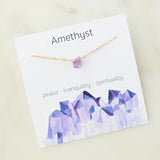
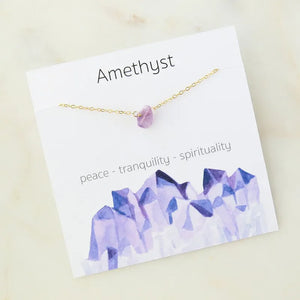
If you're drawn to the idea of a piece of jewelry that grows with you, AJLuxe's charm-style necklaces are built in hypoallergenic 925 sterling silver with 18K gold plating, the same honest base metal used across the line, priced between $25 and $60. Browse the AJLuxe bracelets collection for styles built to carry meaning the same way the pieces in this article's history did.
Shop the Elemental Stone Charms Necklace →
Frequently Asked Questions
Q: When did charm bracelets become popular?
Charm bracelets became genuinely mainstream in the United States in the years right after World War II, peaking through the 1950s and into the 1960s. The format existed in earlier forms long before that, ancient Egyptian amulets, Victorian mourning charms, and WWII sweetheart jewelry, but the postwar decades are when adding a charm for every milestone became a widespread American habit rather than a niche or wealthy-class custom.
Q: What is the real origin of the charm bracelet?
The earliest documented ancestor of the charm bracelet is the ancient Egyptian amulet, a small protective or status-marking object, often a scarab, worn on the body and sometimes strung on a bracelet or necklace. The Metropolitan Museum of Art's own collection essay describes amulets as deriving power from their shape, material, color, and inscription, and being worn to transfer that power directly to the wearer, in life as well as in burial.
Q: Did Queen Victoria really start the charm bracelet trend?
Queen Victoria didn't invent the charm bracelet outright, but her decades of highly visible mourning after Prince Albert's death in 1861 made mourning-style charm jewelry fashionable across British and European society. Her own mourning bracelet held sixteen lockets, one containing a photograph and a lock of Albert's hair, and she wore it until her death in 1901, a documented example of a charm bracelet used specifically to hold personal memory.
Q: What was WWII sweetheart jewelry?
WWII sweetheart jewelry was jewelry, including brooches, pendants, and charm-style bracelets, that servicemen sent home or that their families wore to signal support, often featuring a loved one's specific military branch, patriotic red-white-and-blue detailing, or flag and star motifs. Most surviving pieces date to 1939 through 1945, and wartime metal rationing meant many were made from Bakelite, celluloid, wood, or shell rather than precious metal, with sterling silver reserved for higher-quality pieces since it wasn't rationed the same way.
Q: Why did charm bracelets become so popular in America after WWII?
Charm bracelets took off in postwar America because the wartime habit soldiers had of bringing home a small foreign charm or coin for a loved one turned into a peacetime custom of marking any meaningful life event the same way. As postwar travel opened up to ordinary Americans, that habit expanded into souvenir travel charms, and by the 1950s a family tradition had formed around adding a new charm for birthdays, anniversaries, graduations, and other milestones.
Q: Are charm bracelets still in style today?
Yes. Charm bracelets have never really left mainstream jewelry, and the format kept evolving after its mid-century American peak, including a modular, interchangeable bead-and-charm system introduced by a Danish retailer in the early 2000s that brought a new generation of buyers to the format. The underlying appeal, a piece of jewelry that holds specific personal meaning and grows over time, has stayed consistent across every era covered in this article.
Q: What is the oldest surviving type of charm jewelry?
The oldest well-documented type is the ancient Egyptian amulet, worn from at least the Middle Kingdom onward for protective and religious purposes, including scarab amulets tied to the idea of rebirth and heart scarabs placed with the dead to help secure a favorable judgment in the afterlife, according to the Metropolitan Museum of Art's collection research.
Final Thoughts
The charm bracelet's real history is longer and stranger than any single brand's marketing timeline suggests: it runs through ancient Egyptian tombs, a grieving queen's lockets, a soldier's pocket, and a teenager's sixteenth birthday, long before it ever became a retail category. What ties every one of those eras together isn't the specific charm, it's the decision to wear something small that means something specific to you, in a form you can add to for the rest of your life. If that idea still appeals to you the way it appealed to people wearing charms three thousand years ago, explore the AJLuxe bracelet collection to start (or continue) your own.
Written by the AJLuxe team — specialists in personalized 925 sterling silver jewelry. Last updated: September 2026.
All third-party trademarks, brand names and product names are the property of their respective owners. AJLuxe is not affiliated with, endorsed by, sponsored by, or otherwise connected to any third-party brand referenced in this article. Brand names are used solely for accurate comparative reference, and material descriptions reflect each brand's own published product specifications at the time of writing.
You Might Also Like

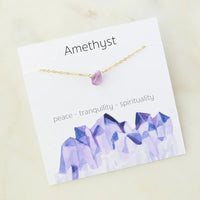
The piece they're describing → Stone Charm Necklace for Women — Raw Natural Gemstone Pendant
Personalize Yours


