


When you're choosing between sterling silver and stainless steel jewelry — or trying to figure out what you already own — the differences go well beyond price. These are two completely different metals with different compositions, different care needs, and different strengths. Here's exactly how they compare, and which one makes more sense depending on what you're looking for.
What Each Metal Actually Is
Understanding what you're buying starts with the composition.
Sterling silver is 92.5% pure silver combined with 7.5% other metals — usually copper. That 7.5% is what gives it strength, because pure silver (99.9%) is too soft to hold its shape in jewelry. The stamp to look for is 925, .925, or S925 — this is the hallmark that confirms genuine sterling silver content. In the US, any piece sold as sterling silver is legally required to be at least 92.5% silver.
Stainless steel is an iron-based alloy containing at least 10.5% chromium plus other elements like nickel, manganese, and molybdenum. The chromium content is what makes it rust- and corrosion-resistant. For jewelry, you'll typically see two grades: 304 stainless steel (common, contains nickel) and 316L surgical-grade stainless steel (lower nickel content, more body-safe). These stamp as 316L or SST. If a piece has no stamp at all, it may be a lower grade.

Sterling Silver vs Stainless Steel — Full Comparison
| Feature | Sterling Silver (925) | Stainless Steel (316L) |
|---|---|---|
| Composition | 92.5% silver, 7.5% copper/alloy | Iron + chromium (10.5%+) + nickel |
| Stamp | 925, .925, S925 | 316L, 304, SST |
| Hardness | Softer (2.5–3 Mohs) — scratches more easily | Harder (5.5–6.3 Mohs) — scratch-resistant |
| Tarnishes? | Yes — oxidizes over time with air and moisture | No — chromium layer prevents oxidation |
| Water-resistant? | Avoid prolonged exposure — accelerates tarnish | Yes — handles water well |
| Hypoallergenic? | Yes — safe for most sensitive skin | Usually — 316L is safer; 304 contains more nickel |
| Weight | Lighter | Noticeably heavier |
| Price | Higher — tied to silver spot price | Lower — industrial metal, no spot price |
| Resale value | Yes — silver has intrinsic precious metal value | No — value is near zero |
| Repairable? | Yes — jewelers can solder, resize, replate | Difficult — requires specialized welding |
| Best for | Fine jewelry base, gold plating, gifting, daily wear | Budget jewelry, outdoor/sport wear, men's pieces |
Durability — Which Holds Up Better?
Stainless steel wins on raw durability. It scores 5.5–6.3 on the Mohs hardness scale — harder than most metals used in jewelry. It doesn't scratch easily, doesn't dent, and holds its shape under physical stress. For rings worn daily through physical work, stainless steel handles it better.
Sterling silver is softer — around 2.5–3 on the Mohs scale. It scratches. Over years of daily wear, a plain sterling silver band develops a matte, slightly worn surface called a patina. Many people like this aged look. But if you want the piece to look polished and new indefinitely, sterling silver needs occasional polishing while stainless steel doesn't.
That said, durability isn't the only dimension of longevity. Sterling silver is repairable — a jeweler can polish out surface scratches, resize a ring, replate it, or solder a broken chain. Stainless steel is effectively irreparable for most jewelers because it requires industrial welding equipment. A broken stainless steel piece is usually replaced, not fixed.
Hypoallergenic — Which Is Safer for Sensitive Skin?
The most common jewelry allergy is nickel sensitivity — and both metals handle this differently.
Sterling silver (925) contains silver and copper. Copper rarely causes reactions. The American Academy of Dermatology identifies nickel as the leading cause of contact dermatitis from jewelry — and 925 sterling silver contains no nickel. For most people with metal sensitivity, sterling silver is safe.
Stainless steel is more complicated. Grade 316L (surgical stainless) has very low nickel content and is generally safe for most people. Grade 304 contains significantly more nickel and can trigger reactions in nickel-sensitive individuals. The problem is that most budget stainless steel jewelry doesn't specify its grade. If you have nickel sensitivity, look for the 316L stamp — or choose sterling silver instead.
Neither metal is 100% allergy-proof for everyone. But for the vast majority of people with sensitive skin, 925 sterling silver is the more reliable choice.


Tarnish and Water Resistance
Stainless steel doesn't tarnish. The chromium in the alloy forms a passive oxide layer that prevents rust and oxidation — it's self-repairing if scratched. You can wear stainless steel in the shower, swimming pool, or rain without worrying about it. This is the biggest practical advantage stainless steel has over silver in everyday wear.
Sterling silver tarnishes because the copper in the alloy reacts with sulphur compounds in the air. Humidity, sweat, and perfume all accelerate it. Left unworn in a drawer for months, a sterling silver piece can go from bright silver to dark brownish-grey. The fix is easy — a quick polish with a soft cloth restores the shine — but it requires maintenance. Read our full guide on why sterling silver tarnishes and how to slow it down and how to clean sterling silver at home.
Storage matters for sterling silver. Each piece individually wrapped or stored in an anti-tarnish pouch significantly slows the oxidation. Silica gel packets in your jewelry box help too.

Which Is Better as a Base for Gold Plated Jewelry?
This is the question most comparison guides skip — and it matters a lot if you're buying gold plated jewelry rather than bare silver or steel.
Both metals can be gold plated. But the base metal affects the quality, longevity, and feel of the final piece in important ways.
925 sterling silver as a base: Gold bonds exceptionally well to silver through electroplating — the molecular adhesion between the two metals is strong. Sterling silver is also a precious metal in its own right, so even if the gold plating wears through, the underlying piece still looks good and has intrinsic value. The metal is lightweight, making heavier-looking pieces comfortable to wear. And the 925 stamp means you can verify exactly what you have.
Stainless steel as a base: Gold plating over stainless steel is harder to achieve uniformly because the chromium oxide layer on the surface must be chemically stripped first. The bond between gold and steel isn't as strong as between gold and silver, which means the plating may wear through faster at edges and high-friction points. Stainless steel is also heavier, which affects comfort on delicate chains and earrings.
At AJLuxe, every piece is 18K gold plated over 925 sterling silver — not stainless steel. The 925 base means the gold layer bonds better, the piece is lighter and more comfortable, and it's hypoallergenic from base to surface. See our guide on whether 18K gold plated jewelry is worth buying and how gold vermeil compares for the full picture on gold plating quality.
Price and Value
Stainless steel jewelry is cheaper — usually significantly so. A stainless steel chain that costs $12 might be $45 in sterling silver. The price difference reflects the material cost: silver is a precious metal traded on commodity markets. Steel is an industrial material with no spot price.
But price-per-wear tells a different story. Sterling silver, cared for properly, lasts decades. It can be resized, repaired, replated, and passed down. Stainless steel, while durable in terms of scratch resistance, has no repair pathway and no intrinsic value. A broken stainless steel chain is garbage. A broken sterling silver chain is a repair job worth doing.
If you're buying jewelry as a gift, for a special occasion, or for something you'll wear for years, sterling silver is the better investment. If you need something for outdoor work, high-impact activities, or you genuinely don't care about repair or resale, stainless steel's lower cost and durability make sense.
Frequently Asked Questions
What is the healthiest metal for jewelry?
For most people, 925 sterling silver and 316L stainless steel are both safe. Sterling silver (925) contains no nickel, which is the most common jewelry allergen — making it the better choice for people with metal sensitivities. If you're specifically nickel-allergic, verify stainless steel is stamped 316L rather than 304, which contains more nickel. Titanium and solid gold are also excellent choices for sensitive skin.
What are the disadvantages of stainless steel jewelry?
The main downsides are weight (stainless steel is noticeably heavier than silver), irreparability (it can't be easily soldered or resized), no resale value, and potential nickel content in lower grades. Stainless steel also can't be gold plated as durably as sterling silver because the chromium surface layer requires chemical stripping before plating.
Is stainless steel good for cartilage piercings?
Surgical-grade 316L stainless steel is commonly used for initial cartilage piercings because it's hard, smooth, and has low nickel content. It's not the best option long-term for people with nickel sensitivity — titanium or implant-grade niobium are better for those cases. For cartilage jewelry you wear after healing, 925 sterling silver is comfortable and safe for most people.
Does sterling silver turn your skin green?
Sometimes — but this is caused by the copper in the alloy, not the silver. Copper reacts with skin acids and moisture, leaving a green tint. This happens more with lower-quality silver alloys or when the piece is exposed to sweat for extended periods. High-quality 925 sterling silver causes this far less than lower-purity alloys. The green tint is harmless and washes off. Gold plated sterling silver eliminates this issue because the gold layer covers the copper-containing base.
Does 925 sterling silver tarnish?
Yes. The copper in the 7.5% alloy content reacts with sulphur in the air and turns the silver dark over time. This is normal and reversible — a soft polishing cloth restores the shine. Storing pieces in anti-tarnish pouches and avoiding exposure to perfume, lotion, and moisture slows the process significantly. See our full guide on why sterling silver tarnishes.
Can you tell the difference between sterling silver and stainless steel by looking?
Both metals have a silver-grey appearance, but there are visual and tactile differences. Sterling silver has a slightly warmer, brighter shine. Stainless steel looks cooler and more industrial. Sterling silver is lighter. The most reliable way to tell them apart is the stamp — look for 925 on sterling silver, or 316L/304 on stainless steel. If there's no stamp at all, treat it as unknown.
Is sterling silver or stainless steel better for everyday wear?
Stainless steel is more forgiving for daily physical wear — it doesn't scratch as easily and doesn't need moisture protection. Sterling silver is better for fine jewelry worn during normal daily life (office, going out, everyday styling) — it's lighter, looks more refined, and pairs better with gold plating. If "daily wear" means outdoor work or sports, choose stainless steel. If it means wearing jewelry every day in regular life, sterling silver is the better material.
Which metal is cheaper — sterling silver or stainless steel?
Stainless steel is almost always cheaper. The gap can be large — the same style in stainless steel might cost 60-70% less than in sterling silver. The price difference reflects material cost: silver is a precious metal with a commodity spot price. Steel is an industrial metal. That said, sterling silver holds repair and resale value that stainless steel doesn't, which changes the value calculation for long-term pieces.
When comparing metals, the stamp tells the story. Sterling silver is always marked 925 on jewelry — 92.5% pure silver — which is why you'll see that hallmark on every genuine sterling piece.
Final Thoughts
Stainless steel and sterling silver aren't competing for the same buyer. Stainless steel is the right choice when budget is the priority and you need durability over everything — outdoor use, high-contact situations, or basic everyday pieces you don't expect to repair or pass on. Sterling silver is the right choice when you want a real precious metal, hypoallergenic properties, lightweight comfort, or a base for quality gold plating.
If you're buying gold plated jewelry specifically, the base metal matters more than most people realise. Our sterling silver jewelry collection uses 925 sterling silver under 18K gold plating throughout — giving you the durability of a precious metal base with the look of solid gold, at a fraction of the cost.
Written by Vaishakhi Ajmera — founder and jewelry specialist at AJLuxe. — specialists in 18K gold plated 925 sterling silver jewelry. Last updated: May 2026.
You Might Also Like
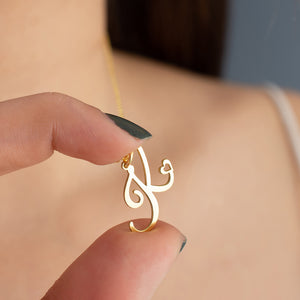
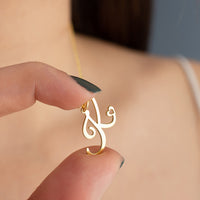
The piece they're describing → Heart Initial Necklace for Women — 18K Gold Plated, Personalized Letter + Heart Pendant
Personalize Yours

