


- Undertone is the subtle hue under your skin's surface (warm, cool, neutral or olive). Depth (fair, medium, deep) is how light or dark your skin is. They vary independently.
- No single at-home test is proven. Use two or three checks together and trust the one that feels most consistent.
- Warm often pairs with yellow gold, cool with white metals, neutral with either, olive with whatever you like in daylight. Rose gold sits between and varies a lot.
- Mixing metals is fine and removes the choice entirely.
- Plated pieces change look as plating wears, so the color you buy is not always the color you will have in two years.
Choosing between gold and silver is one of the most common jewelry questions, and it is worth getting right once so every later purchase is easier. This guide covers how to check your undertone, what each metal, finish and stone color tends to do next to skin, and where the advice breaks down. If your real question is only gold versus silver for one piece, our gold vs silver initial necklace guide goes straight to it, and our yellow gold vs rose gold comparison covers the warm end of the range.
Undertone and skin depth are different things
Undertone is the subtle warm, cool or neutral cast beneath the surface of your skin, while depth describes how light or dark that skin is. A fair person can have a warm undertone and a deep-skinned person can have a cool one, so depth alone tells you very little about which metal will suit you. Surface color also shifts with sun, season and flushing, while undertone is usually described as steadier. That is the common styling view, and it is a simplification: skin has more than three hues, which is why "neutral" and "olive" get their own categories below.
How to find your undertone: five checks
No home method for finding undertone has been shown to be reliable on its own, so use several and look for agreement. Do every check in daylight near a window, with no makeup or tinted moisturizer, since artificial light and a cold room both shift what you see.
- Vein check. Look at the inside of your wrist. Veins that look blue or purple are often read as cool, green as warm, and a mix as neutral. Treat this as the weakest clue: it depends on how much contrast you have with the surrounding skin, and on medium to deep skin veins often read greenish or dark whatever the undertone is.
- Metal against the wrist. Hold a gold piece and a silver piece against bare skin in turn. Notice which one makes your skin look healthier and which makes it look sallow or gray. This is closest to the real decision, because it tests the thing you actually want to buy.
- White paper or white shirt. Hold a plain white sheet or tee under your chin. If your skin looks pinkish or rosy against it, that tends to read cool. If it looks yellow or golden, warm. If you cannot tell, or it shifts, that suggests neutral. Use pure white, not cream, or you are comparing against another undertone.
- Sun reaction. Skin that tans easily and goes golden is often described as warm, skin that burns or pinks first as cool. This one is the least dependable, since it also depends on skin depth, sunscreen use and your history of sun exposure. It is general information only, so ask a doctor about sun and skin health.
- Which colors you reach for. Think about which clothes and makeup shades people compliment. It is subjective, but it is real evidence about you.
Honest limits: color-analysis claims online are mostly based on stylist practice, not controlled studies, and the tests can disagree. If they split, your undertone is probably neutral, and that is good news for jewelry because both metals will usually work.
Undertone and best metals, finishes and stones
The table below gives common starting points by undertone, with the reasoning, so you can adapt it instead of following it blindly.
| Undertone | Metals that often flatter | Finishes | Stone colors | Why |
|---|---|---|---|---|
| Warm | Yellow gold, warm rose gold | Polished or soft satin | Peridot, citrine, garnet, turquoise, cream pearls | Gold echoes the golden cast in the skin, so it blends instead of contrasting. |
| Cool | Silver, rhodium, white gold, platinum, cooler pink rose gold | Bright polish | Sapphire blue, amethyst, aquamarine, white or rose pearls, clear CZ | Crisp white metals pick up the pink or blue cast and add clean contrast. |
| Neutral | Any, including rose gold and mixed | Any | Most colors | No strong warm or cool pull, so choose by outfit and mood. |
| Olive | Yellow gold often, but test silver too; rose gold varies | Polished or brushed | Emerald green, deep blues, warm pearls | A greenish cast can sit between warm and cool, so the wrist test matters more than a label. |
Stone colors follow the same logic as metals: a stone close to your undertone blends, and an opposite one stands out. Neither is wrong, and a contrasting stone is often the whole point of a statement piece. Pearl overtones work the same way, which our pearl colors and overtones guide explains in detail.
What about olive undertones?
Olive skin has a greenish or gray-gold cast that does not fit neatly into warm or cool, and many people with it wear both gold and silver well. Stylists commonly lean toward yellow gold and green or deep jewel tones, but a pale silver can look striking too. Because olive can appear at any depth, skip the label and use the metal-against-wrist check. Dull or very pale yellow tones can wash out some people with olive skin, so look for rich, saturated color if that happens to you.
Fair, medium and deep skin: what depth changes
Depth changes contrast, not which metal is allowed. On fair skin, delicate fine chains and small stones read softly, while very pale metal can nearly disappear, so some people prefer a little warmth or a darker accent. On medium skin, almost everything works and the main variable is undertone. On deep skin, bold gold and bright silver both show up with strong contrast, and thin pieces can read as crisp lines. These are styling observations, not rules, and plenty of people do the opposite on purpose. Anyone of any depth can have any undertone.
Where does rose gold fit?
Rose gold is the most variable metal because its pink-to-copper tone depends on the alloy or plating, so test your exact piece instead of trusting the name. Pinker versions often sit well on cool and neutral skin, and more coppery versions on warm skin. Our yellow gold vs rose gold guide has the full comparison.
How to mix metals if you cannot choose
Mixing gold and silver is accepted in current jewelry styling, and it makes the undertone question mostly moot. A simple way to keep it tidy is a bridge piece that contains both metals, or a rule of proportion such as 2 of one metal and 1 of another with a shared accent. Our guide on the 2:1:1 rule for wearing gold and silver together walks through it, and how to stack bracelets shows the same idea on the wrist.
Special cases that change the answer
- Plating wears. Gold plated pieces are a thin layer over another metal, and gradual wear can change how warm or bright they look over time. Our sterling silver vs gold plated necklace guide and gold plated rings guide cover what to expect.
- "Silver" can mean several things. Sterling silver, rhodium plating and white gold look slightly different (rhodium is usually brighter and whiter). See white gold vs yellow gold and our silver plated vs sterling silver guide.
- Your look changes. Tan, flush, season and lighting all shift how a metal looks, so a piece that looked wrong in winter may look right in summer.
- Sensitive skin. This is general information, ask a doctor about metals and skin reactions.
A quick decision flow
- Check in daylight, bare skin, near a window.
- Hold gold and silver against your wrist. Does one clearly win? If yes, that is your main metal.
- If neither wins, run the white paper check. Pink or rosy leans cool, golden leans warm, unclear means neutral.
- Still unsure? Treat yourself as neutral and buy for your wardrobe: look at what you already wear most.
- Want both? Pick one main metal and add a small piece of the other as an accent.
- Test rose gold separately, in person or with a clear return plan.
If you are building a small collection, our jewelry capsule wardrobe guide and timeless jewelry pieces help you decide which metal to anchor on, and what jewelry to wear on a first date is a good first outfit test.
Common mistakes to avoid
- Treating one test, especially the vein check, as a verdict.
- Testing under warm indoor bulbs or with a tinted foundation on.
- Assuming skin depth decides the metal.
- Judging a metal by a product photo, which depends on lighting and editing.
- Ignoring your wardrobe: a metal that suits your skin but clashes with everything you wear will sit in a drawer.
An honest note on our range
We do not sell white gold, platinum, or solid yellow gold. Our pieces are mostly 925 sterling silver with plating, plus some on a 316L stainless steel base. Within that, you can see the three looks side by side:
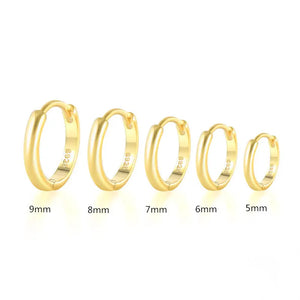
- Yellow gold tone: Gold Huggie Earrings, $34.99, 18K gold plated over a 925 sterling silver base per the product page. Browse more in our gold necklaces.
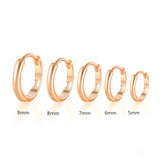
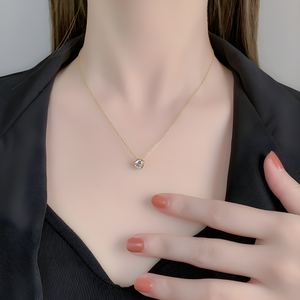
- Rose gold tone: Rose Gold Choker Necklace, $34.99, a bezel-set cubic zirconia stone with rose gold plating over a 925 sterling silver base, and the Rose Gold Huggie Earrings, $34.99, 925 sterling silver with rose gold plating.
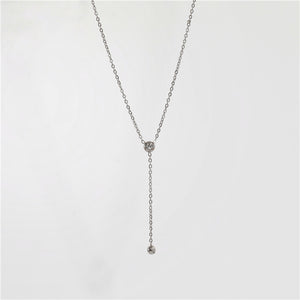
- Silver tone: CZ Y Necklace, $28.99, rhodium plated over 316L stainless steel per the product page.
Plating on any of these will wear gradually with use. US orders ship free.
Frequently Asked Questions
What jewelry color looks best on warm skin?
Yellow gold is the most common suggestion for warm undertones because its golden tone blends with the skin. Warm rose gold and stones like peridot or citrine are also popular choices, though silver can still look good if you like it.
Should I wear gold or silver jewelry?
Wear whichever looks better against your bare wrist in daylight. If gold wins, you likely lean warm; if silver wins, cool; if both look fine, you are probably neutral and can pick by outfit.
What jewelry suits cool undertones?
Silver, rhodium, white gold and platinum are the usual picks, along with blue and purple stones, white pearls and clear stones. Some cool undertones also like cooler, pinker rose gold.
What jewelry works for olive skin?
Many people with olive skin wear yellow gold and emerald or deep jewel tones well, but silver works too. Because olive can sit between warm and cool, test both metals instead of relying on a label.
What looks good on pale or dark skin?
Both depths can wear any metal. On pale skin, very light metals may blend in, so some people add warmth or a darker accent. On deep skin, bold gold and bright silver both give strong contrast. Undertone still matters more than depth.
How do I tell my undertone with the vein test?
Look at your inner wrist in daylight: bluish or purple veins are often read as cool, greenish as warm, and a mix as neutral. It is an unreliable clue, especially on medium and deep skin, so confirm it with the metal and white paper checks.
Does rose gold suit every skin tone?
Not automatically. Rose gold varies from pink to coppery, so many people find one version flattering and another not. Try the specific piece against your skin.
Can I wear gold and silver together?
Yes, mixing metals is widely accepted. Keep the proportions deliberate, for example a bridge piece with both metals, and our 2:1:1 guide shows how.
Written by AJLuxe Team. Last updated: October 2026
All third-party trademarks, brand names and product names are the property of their respective owners. AJLuxe is not affiliated with, endorsed by, sponsored by, or otherwise connected to any third-party brand referenced in this article. Brand names are used solely for accurate comparative reference, and material descriptions reflect each brand's own published product specifications at the time of writing.
You Might Also Like
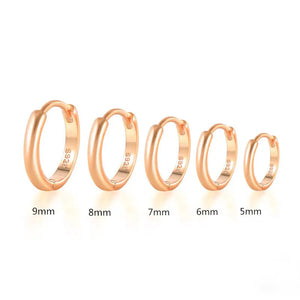
The piece they're describing → Rose Gold Huggie Earrings for Women — 925 Sterling Silver, Rose Gold Plated, Hypoallergenic
Personalize Yours


