


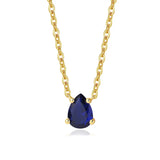
If you've ever held a deep-blue sapphire up to the light, you probably felt something shift. That pull isn't just about the color. Sapphire healing properties have drawn healers, royals, and spiritual seekers for thousands of years, and it's still one of the most sought-after stones in crystal wellness today. Whether you wear it as jewelry or keep a tumbled stone on your desk, sapphire's energy is said to be grounding and expansive at the same time — calming the noise while opening the mind.
What Are Sapphire Healing Properties?
Sapphire is a variety of corundum (aluminum oxide) and scores a 9 on the Mohs hardness scale — second only to diamond. That physical toughness mirrors what crystal healers say about its energetic character: stable, enduring, and resistant to confusion. Blue is the most famous color, but sapphire also comes in yellow, pink, white, green, and black, each associated with slightly different properties.
Historically, sapphire was the stone of priests and kings. Ancient Persians believed the sky was blue because it rested on a giant sapphire. Medieval clergy wore sapphire rings because the stone was thought to attract divine favor and keep the mind pure. In Ayurvedic tradition, blue sapphire (Neelam) is one of the nine sacred Navaratna gemstones, used to work with Saturn's energy.
In modern crystal healing — a practice rooted in folk tradition rather than clinical medicine — sapphire is called the "wisdom stone." Healers use it to support clear thinking, honest expression, and spiritual growth. You'll find it recommended alongside lapis lazuli and aquamarine for throat-chakra work, though sapphire is considered more potent for mental focus than either of those gems.
The Gemological Institute of America (GIA) classifies sapphire among the "big four" precious gemstones alongside ruby, emerald, and diamond — a status that reflects both its rarity and its centuries-long cultural importance.
Sapphire Physical Healing Properties
Does sapphire calm the nervous system?
Sapphire is probably most recognized in crystal healing for what practitioners describe as a calming influence on an overactive nervous system. People who feel wired, restless, or chronically tense often reach for blue sapphire as a complementary tool alongside relaxation techniques. It's important to understand these are traditional associations, not medical claims — always work with a licensed healthcare professional for any health concern.
What do healing traditions say about sapphire and eyes, blood, or glands?
Traditional sources connect sapphire to eye health, circulation, and glandular balance, though none of these links have scientific support. Ancient texts from India and Europe mention sapphire as a stone for eye health, and some Ayurvedic practitioners still recommend sapphire-infused water (a crystal elixir, prepared safely with an indirect method) as a supportive practice for tired eyes — though there's no scientific evidence this works. Separately, medieval lapidaries (gemstone texts) and Ayurvedic sources link sapphire to blood health, specifically reducing excessive bleeding and strengthening vein walls; this is part of sapphire's healing folklore, not modern medicine. Crystal healing texts also connect the throat chakra to the thyroid gland, and since sapphire is a primary throat-chakra stone, practitioners associate it with supporting glandular balance — again, an energetic concept, not a physiological one.
Can sapphire help with headaches?
Some crystal healers place cool sapphire against the forehead or temples when dealing with tension headaches. The cooling sensation of the stone itself may provide minor comfort — similar to a cold compress — but no studies confirm any gem-specific effect.
Sapphire Emotional and Mental Benefits
Does Sapphire Help with Depression, Anxiety, and Emotional Balance?
Yes — mental and emotional wellness is the domain where most crystal practitioners feel most confident recommending sapphire, and the consistency across traditions is striking. Across multiple healing traditions — Ayurvedic, Western crystal healing, and European folk medicine — sapphire comes up repeatedly as a stone that "releases mental tension and dispels depression." Practitioners describe it as lifting a mental fog, making it easier to see situations clearly without catastrophizing. Sapphire is sometimes called a stone of loyalty, and part of that tradition involves its alleged ability to dissolve jealousy, envy, and fear-based thinking, which is why practitioners recommend it for anyone working through relationship anxiety or trust issues. Despite its deep, serious blue color, sapphire is also associated with lightening the spirit: crystal healers describe a quality they call "sapphire joy" — a calm, grounded happiness rather than giddiness.
Can Sapphire Improve Focus and Encourage Honest Communication?
Sapphire is popularly used to sharpen concentration and support truthful expression, making it a favorite among both students and people working to communicate more openly. Students and knowledge workers are among the most common sapphire users in the crystal community — the stone is said to sharpen concentration, improve memory retention, and help you stay on task during long work sessions, which is why keeping a sapphire on your desk or wearing it as a pendant during exams is a popular practice. As a throat-chakra stone, sapphire is also linked to truthful, clear expression: people who struggle to say what they mean, or who tend to people-please instead of speaking honestly, often work with sapphire to find their voice. This extends to creative expression, too — writers and speakers use it to break through blocks.
Sapphire Spiritual Properties and Chakra Connection
Which Chakras Are Linked to Blue Sapphire?
Blue sapphire's primary home is the throat chakra (Vishuddha), the energy center located at the base of the throat that governs communication, truth, and self-expression. When this chakra is balanced, you speak clearly, listen actively, and express yourself without fear. When it's blocked, you might feel unable to speak your truth, struggle with creative blocks, or experience physical tension in the neck and shoulders.
Blue sapphire is also linked to the third eye chakra (Ajna) — the center of intuition and inner wisdom — particularly when used in meditation. Practitioners place sapphire on the forehead during visualization practices to heighten psychic awareness and sharpen gut instincts. White and indigo sapphires extend all the way to the crown chakra (Sahasrara), connecting the user to higher spiritual consciousness and divine wisdom.
What Is Sapphire's Role in Vedic Astrology and Spiritual Activation?
In Vedic astrology, blue sapphire is the gemstone of Saturn (Shani). Saturn governs discipline, karma, and long-term effort — which is why sapphire is considered a stone of serious, sustained spiritual work rather than quick energy shifts. It's recommended for Capricorn and Aquarius rising signs, though Vedic astrologers typically advise consulting a practitioner before wearing it, as Saturn's energy is considered powerful.
To activate sapphire spiritually, hold it in your left hand (your receiving hand), close your eyes, and set a clear intention. Breathe slowly 7 times, letting each exhale release mental chatter. Visualize the stone's deep blue energy rising through your chest, throat, and third eye, clearing any cloudy energy. This simple activation takes under 3 minutes and can be done daily.
How to Use Sapphire for Healing
There are 4 main methods practitioners use to work with sapphire's energy. You don't need to use all of them — start with whichever feels most natural.
- Wear sapphire as jewelry: This is the most practical method, and it keeps the stone in contact with your energy field all day. A sapphire pendant near the throat is particularly effective for communication and mental clarity work. Sapphire earrings sit near the third eye meridian, which practitioners associate with intuition. Because sapphire scores a 9 on the Mohs scale, it's durable enough for everyday jewelry without worrying about scratches.
- Meditation with sapphire: Sit comfortably, hold a sapphire tumble stone or pendant in your non-dominant hand, and breathe slowly for 5–10 minutes. Focus on the color blue in your mind's eye — deep cobalt deepening to midnight blue. Many practitioners use this method before important conversations, presentations, or creative work sessions. You can enhance this by placing the stone on your throat or third eye while lying down.
- Crystal grid placement: Pair sapphire with clear quartz (to amplify), lapis lazuli (for deeper throat-chakra work), and amethyst (for added intuitive clarity). Place them in a triangle or star pattern around a central intention — a written affirmation works well. Leave the grid active for 3–7 days. This method suits anyone working on longer-term intentions like overcoming communication fear or building creative confidence.
- Sleep placement: Place a sapphire under your pillow or on your nightstand before bed. Some practitioners report more vivid, insightful dreams and better recall. Start with 2–3 nights per week rather than every night, especially if you're sensitive to crystal energy — some people find sapphire too activating for continuous nighttime use.
What Does Science Say About Sapphire?
Let's be honest here. There are no peer-reviewed clinical studies proving that sapphire — or any gemstone — heals physical conditions, changes brain chemistry, or affects the body's energy field in measurable ways. Crystal healing sits firmly in the category of complementary and alternative wellness practices, not evidence-based medicine.
That said, the placebo effect is real and well-documented. When people believe a practice will help them feel calmer or more focused, they often do — and that outcome has genuine value. Rituals, intention-setting, and mindful attention to your own mental state are all legitimate wellness tools, regardless of whether the crystal itself has metaphysical properties.
There's also a reasonable argument that the meditative practices associated with crystal work — slow breathing, focused intention, quiet reflection — produce real measurable benefits: reduced cortisol, improved attention, lower heart rate. If holding a sapphire helps you do those things consistently, the stone is serving a valid wellness function.
What sapphire should never be is a substitute for professional medical or psychological care. If you're dealing with depression, anxiety, a thyroid condition, or any other health issue, please work with licensed healthcare providers. Crystal work, at its best, is a supplement to that care — not a replacement.
Sapphire is a corundum gemstone with a Mohs hardness of 9, primarily associated with the throat chakra and third eye chakra in crystal healing traditions. Its top three healing associations are mental clarity and focus, honest communication, and emotional calm — making it especially popular among people dealing with anxiety, creative blocks, or communication challenges. One practical use is wearing a sapphire pendant near the throat during meditation or important work sessions, holding it for 5–10 minutes while breathing slowly to encourage clear thinking and grounded expression. These are traditional wellness associations, not medical claims.
Related reading: Peridot healing properties.
Related reading: Black tourmaline healing properties.
Related reading: Sodalite meaning.
Related reading: Angelite meaning.
Related reading: Amethyst healing properties.
Related reading: Ruby healing properties.
Related reading: Tigers eye healing properties.
Related reading: Chalcedony meaning.
Related reading: Lepidolite meaning.
Related reading: Sunstone meaning.
Related reading: Aquamarine healing properties.
Related reading: Red garnet healing properties.
Related reading: Emerald healing properties.
Related reading: Serpentine stone meaning history healing properties how to identify real serpentine.
Related reading: Citrine healing properties.
Related reading: Labradorite healing properties.
Related reading: Smoky quartz healing properties.
Frequently Asked Questions
What healing properties does sapphire have?
Sapphire is traditionally associated with wisdom, mental clarity, emotional calm, and honest communication. Crystal healers use it to release mental tension, sharpen focus, support honest self-expression, and connect with intuition. It's linked primarily to the throat chakra and third eye chakra. These are alternative wellness associations — not medical treatments.
Which chakra is sapphire associated with?
Blue sapphire's primary chakra is the throat chakra (Vishuddha), which governs communication, truth, and self-expression. It's also commonly linked to the third eye chakra (Ajna) for intuition and inner wisdom. White sapphire connects to the crown chakra, while yellow sapphire aligns with the solar plexus. The specific chakra depends on the stone's color.
Is sapphire good for anxiety?
Many crystal practitioners recommend sapphire for anxiety, particularly anxiety rooted in overthinking or fear of judgment. It's said to calm an overactive nervous system and quiet mental chatter. Carrying or wearing blue sapphire during stressful situations is a common practice in the crystal healing community. Always combine crystal practices with professional support for clinical anxiety.
Can sapphire help with depression?
Traditional crystal healing texts — including Ayurvedic sources and Western lapidaries — describe sapphire as a stone that "dispels depression" and lifts mental fog. Practitioners recommend it as a complementary tool alongside professional care, not as a standalone treatment. It's thought to work by shifting mental focus from rumination to clarity and calm presence.
What does sapphire mean spiritually?
Spiritually, sapphire represents wisdom, truth, and divine connection. Ancient civilizations believed it drew heavenly favor, and many cultures saw it as a bridge between human consciousness and higher spiritual realms. In Vedic tradition, blue sapphire is Saturn's stone — linked to karma, discipline, and serious spiritual development. It's often used to deepen meditation and enhance psychic awareness.
What are blue sapphire's healing properties specifically?
Blue sapphire specifically is the "wisdom stone" — focused on mental clarity, honest communication, and throat-chakra healing. It's the most widely used variety for calming an overactive mind and sharpening focus. Blue sapphire also holds the strongest association with intuition and spiritual truth, making it popular for meditation and creative work. Other sapphire colors (pink, yellow, white) carry different emphases.
How do you activate sapphire for healing?
Hold the stone in your left (receiving) hand, set a clear intention, and breathe slowly for at least 7 breaths. Visualize the stone's blue energy moving through your throat and third eye, clearing tension and static. You can also cleanse it first in moonlight overnight or with smoke from sage or palo santo. Intention and attention are the core of the activation process.
What zodiac signs benefit most from sapphire?
Virgo, Libra, and Sagittarius are the three zodiac signs most commonly associated with sapphire in Western astrology. In Vedic astrology, Capricorn and Aquarius risings are the primary beneficiaries, as sapphire is Saturn's gemstone. September-born Virgos and Libras find particular resonance with blue sapphire as their birthstone.
Is sapphire good for meditation?
Yes — sapphire is one of the more popular gems for meditation because of its association with mental clarity and third-eye activation. Hold it in your non-dominant hand or place it on your forehead while lying down. Breathe slowly for 5–10 minutes, focusing on a clear intention. Many practitioners report sharper focus and more vivid insight during sapphire meditation compared to sitting without a crystal anchor.
What's the difference between sapphire and lapis lazuli for healing?
Both are blue stones linked to the throat and third eye chakras, but they're considered energetically distinct. Lapis lazuli is associated with ancient wisdom, truth-telling, and accessing past knowledge — it's a heavier, earthier energy. Sapphire is considered cleaner and more focused, better suited for mental clarity and active communication. Practitioners sometimes combine them: lapis for depth, sapphire for clarity.
Can you put sapphire in water?
Yes — sapphire scores a 9 on the Mohs hardness scale, which means it's water-safe and won't dissolve or crack from brief water exposure. You can rinse it under cool running water to cleanse it. However, crystal elixirs made by placing stones directly in drinking water are a different matter — always use an indirect method (stone outside the glass) for any water you intend to consume.
What stone pairs well with sapphire for healing?
Clear quartz amplifies sapphire's clarity properties and is one of the most common pairings. Amethyst adds intuitive depth and calms anxiety alongside sapphire's focusing energy. Lapis lazuli deepens the throat-chakra work. For grounding (since sapphire can feel activating), pair it with black tourmaline or hematite to keep the energy balanced and earthed.
Shop Sapphire Jewelry at AJLuxe
Our sapphire water drop pendant necklace in 925 sterling silver lets you carry this stone's energy every day. Browse all sapphire birthstone jewelry — hypoallergenic, gift-ready, 30-day returns.
Final Thoughts
Sapphire healing properties have held people's attention for thousands of years, and it's not hard to see why. This stone sits at the intersection of everyday practicality — mental clarity, calm focus, honest words — and something deeper: a connection to wisdom that feels bigger than the moment you're in. Whether you're drawn to it for the throat-chakra work, the meditation benefits, or simply the beauty of that deep blue color, sapphire is one of those gems that earns its place in a healing practice.
If you haven't worked with sapphire before, start simple. Wear it near your throat for a week, notice what shifts in how you communicate or how quickly your mind settles. You don't have to believe in crystal metaphysics for the daily reminder to speak clearly and think wisely to make a difference. And if you're already a sapphire person, you already know — once it clicks with you, it's hard to put down. For a deeper look at the stone's symbolism and history, check out our guide to sapphire meaning or explore our full September birthstone guide.
All third-party trademarks, brand names and product names are the property of their respective owners. AJLuxe is not affiliated with, endorsed by, sponsored by, or otherwise connected to any third-party brand referenced in this article. Brand names are used solely for accurate comparative reference, and material descriptions reflect each brand's own published product specifications at the time of writing.
You Might Also Like
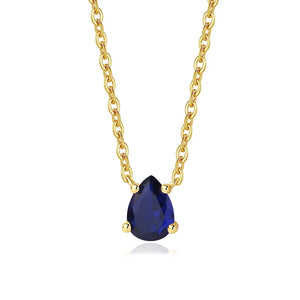
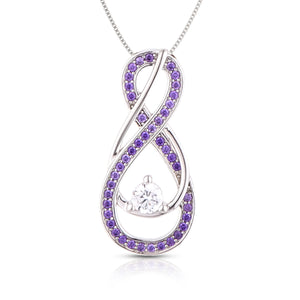

The piece they're describing → Sapphire Pendant Necklace for Women — Blue Sapphire Teardrop, 925 Sterling Silver
Personalize Yours


